You walk outside, ready to start your day, and suddenly your car is gone. No warning, no sound in the night, just an empty space where it used to be. It’s a sinking feeling—panic, confusion, frustration all at once. In that moment, one thing matters more than anything: acting fast.
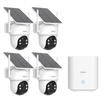
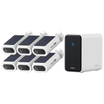
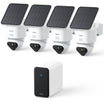
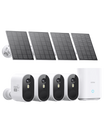
Every minute counts. The sooner you respond, the better your chances of getting your vehicle back. In this guide, you’ll learn 10 smart, practical ways to track a stolen car—even if it doesn’t have GPS. From using apps and local resources to relying on smart home security cameras that catch every movement, you’ll be prepared to take control when it matters most. Also check out our
hot sellers from the last
30 days:
Apartment Security Cameras
10 Effective Ways on How to Find a Stolen Car
Losing your car is a shock—but sitting still won’t help. The faster you move, the more tools you’ll have to get it back. These ten ways combine quick action, smart technology, and everyday resources that can make a real difference.
1.Report the Theft to the Police Immediately
The first thing you should do—before you check your phone, before you post online—is call the police.
Reporting the theft quickly gives law enforcement a chance to act fast. In many areas, police can alert patrol units, flag license plates, and access surveillance systems. But they need the right information from you. Be ready to share your license plate number, vehicle make and model, color, VIN (Vehicle Identification Number), and the exact location and time you last saw the car.
You’ll also receive an official report number. Keep it safe. You’ll need it for insurance claims, follow-ups, or if your car is found. Even if you plan to do your own searching, this report is what makes everything else possible.
2.Activate Your Car’s Built-in GPS or Tracking System
If your car has a built-in tracking service like Tesla App, OnStar, BMW ConnectedDrive, or Toyota Connected, this may be the fastest way to locate it. Open the official app on your phone to check for your car’s live location, recent driving history, or signs of activity like engine starts or lock/unlock records. If you find any useful information, take a screenshot or copy the coordinates and immediately share them with the police. Even if real-time tracking isn’t available, historical data can help narrow the search, so it’s worth checking and refreshing the app.
3.Track the Car Using a Bluetooth Device
If you had a Bluetooth tracker like an Apple AirTag, Tile, or Galaxy SmartTag hidden in your car, check its location now using the app. Share the live location or coordinates with the police immediately so they can respond quickly. This works best if the tracker was installed earlier, the battery is still active, and the car is near other devices—especially in busy areas. Many people have recovered stolen cars within hours this way.
4.Check Local Surveillance Cameras for Clues
Sometimes the best clues are right around the corner. Cameras in your neighborhood or near the scene can catch what your eyes missed. Even if you didn’t see anything, a lens might have.
Start by checking with:
• Neighbors who have doorbell or driveway cameras
• Property managers in apartment complexes or gated communities
• Nearby stores or gas stations that may have exterior security footage
When reviewing video, focus on:
• The time just before and after the car was taken
• Any unfamiliar vehicles or people near your parking spot
• Movements that suggest someone was watching or circling your car
Cameras like Ring, Arlo, and other smart systems often save footage for several days. If you or someone nearby has one, act quickly before it’s overwritten.
If you find anything useful:
• Save the video file
• Take clear screenshots
• Share them with the police as part of your case report
Even a blurry image of the thief or their getaway vehicle can lead to valuable leads. Don’t underestimate the power of a second set of eyes—even if they’re digital.
5.Review Footage from Your Home Security Camera
If you have a camera facing your driveway or garage, check the recordings right away. Your footage could reveal when the car was taken, how it was moved, and which direction it went.
Look closely for:
• Anyone walking near your car before the theft
• The exact time it disappeared
• Clear views of faces, license plates, or getaway vehicles
Save any useful clips and share them with the police. You can also send them to your insurance company or post in local community groups. Even a few seconds of video can make a big difference.
6.Call Nearby Tow Yards and City Impound Lots
Before assuming your car was stolen, check if it was towed. In many cities, cars parked illegally or left too long in one spot may be removed without warning.
Here’s what to do:
• Call your local towing hotline or city impound department
• Provide your license plate number or VIN
• Ask about the exact time and reason for towing
• Check your windshield or mailbox for any towing notice
This step may seem simple, but it’s often overlooked. Many missing cars turn up in impound lots, not in police reports. Rule this out early to avoid wasting time.
7.Notify Your Auto Insurance Provider
Once you’ve filed a police report, call your insurance company as soon as possible. They need to know your car is missing, even if it hasn’t been recovered yet.
When you contact them, be ready to share:
• Your police report number
• The time and location of the theft
• Any extra details you’ve gathered so far
Some full-coverage policies may offer GPS tracking assistance or stolen vehicle recovery support. In other cases, the insurance team may ask you to wait a few days to see if the car turns up before starting a claim.
If your car isn’t found, the company will begin the compensation process. If it’s recovered but damaged, they can cover repairs. Starting early helps speed everything up later.
8.Log into Your Manufacturer’s Car App
If your car brand offers a connected app, use it right away. Many vehicles today come with features that can help you track activity, check status, and even control certain functions remotely.
Apps like FordPass, Hyundai Blue Link, and HondaLink may allow you to:
• View recent driving history and trip length
• Check if the doors were unlocked or the engine started
• In some cases, lock the vehicle or stop the engine remotely
These tools are especially helpful if your car hasn’t traveled far yet. Even small bits of information—like the last time the car moved—can help police narrow down the search.
9.Monitor Online Marketplaces for Suspicious Listings
Stolen cars are often listed for sale online within hours. Check local platforms like Craigslist, Facebook Marketplace, and OfferUp regularly. Look for listings that match your car’s make, model, or color. Pay close attention to photos—small details like a scratch, bumper sticker, or worn interior could give it away.
If something looks familiar, don’t contact the seller. Take screenshots and report it to the police. Let them take it from there.
10.Spread the Word on Social Media and Community Forums
You don’t have to search alone. Local communities and online groups can be powerful tools when a car goes missing. Post about your stolen vehicle on platforms like Facebook, Nextdoor, and Reddit. Include clear details—make, model, color, license plate number, location, time of theft, and photos if you have them.
Keep your post updated as new information comes in. The more eyes on your case, the better your chances. Many people have found their stolen cars simply because someone in the community spotted it and spoke up.
How to Prevent Your Car from Being Stolen
Stopping car theft starts long before anything goes wrong. These everyday habits can make your car a much harder target and help you stay one step ahead.
• Choose where you park carefully: Always park in well-lit areas or near building entrances. If you have a driveway, consider installing motion lights or a visible camera. Thieves look for easy, low-risk targets—they avoid being seen.
• Lock your car, even at home: Many people assume their driveway is safe. But a surprising number of thefts happen right outside the owner's front door. Get into the habit of locking up every time, no matter where you are.
• Remove or hide anything that looks valuable: Even a phone charger or gym bag can catch a thief’s eye. Keep your seats clear and store items in the trunk or take them with you.
• Use extra theft-deterrent tools: Steering wheel locks, tire locks, and engine kill switches are visible signs that your car won’t be an easy win. Most thieves will skip cars that take more time to steal.
• Install a smart home security camera: A camera facing your driveway or garage doesn’t just record what happens—it can stop it from happening. Visible cameras often scare off thieves, and remote viewing gives you peace of mind when you're not home.
• Don’t leave keys or fobs inside the car: Sounds obvious, but it happens. Especially with push-to-start systems, where the key might be left nearby. Keep keys far from windows and doors inside your home too, as thieves can amplify signals from key fobs to unlock cars wirelessly.
• Add a vehicle tracker if your car doesn’t have one: Affordable GPS trackers or hidden AirTags can help recover your car if it's ever stolen. The key is placing them somewhere hidden and checking battery levels regularly.
Staying alert and consistent with these habits won’t just reduce your risk—they'll also make you feel more in control every time you walk away from your car.
Bonus: Best camera to protect your car
In many real theft cases, the key evidence didn’t come from chance—it came from a
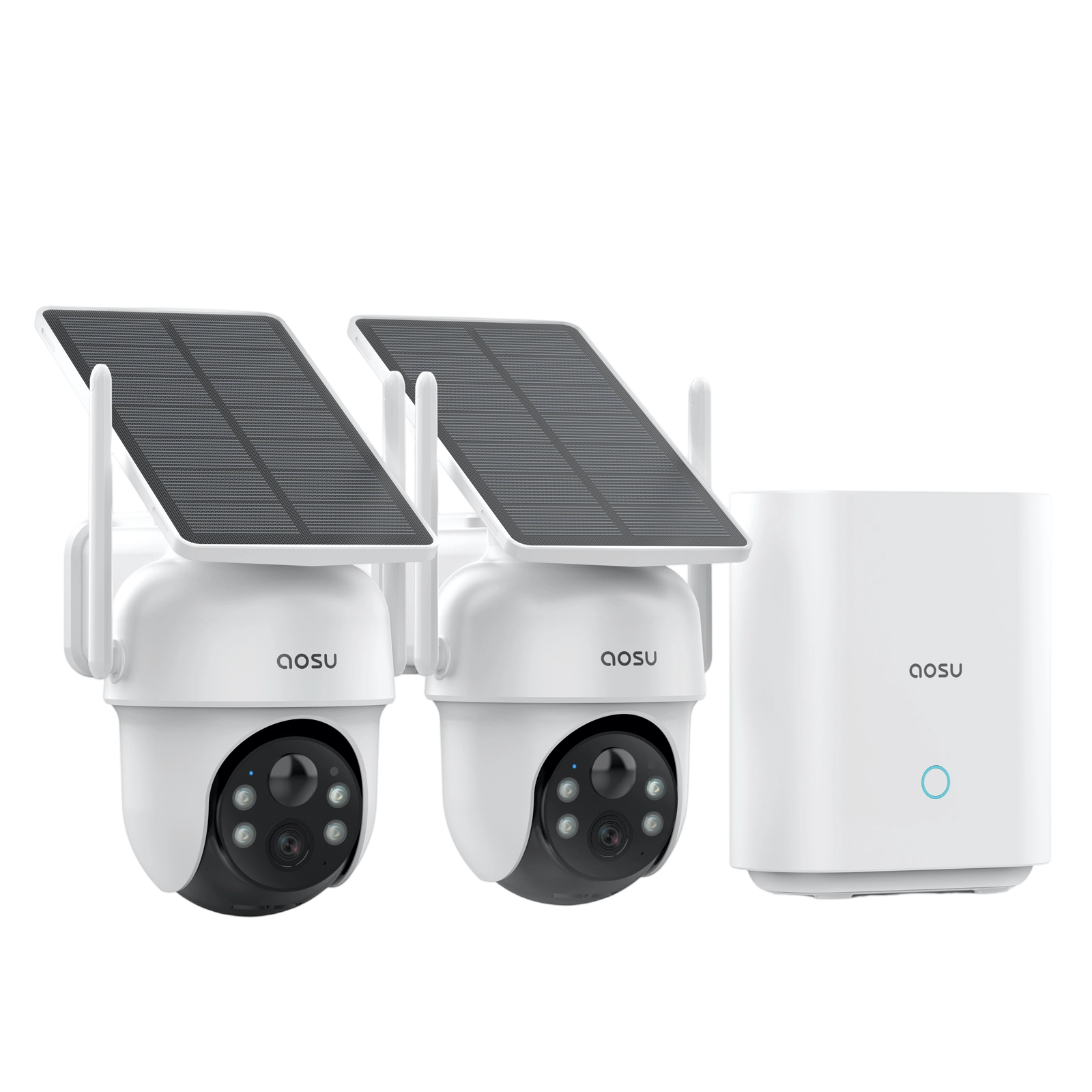
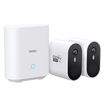
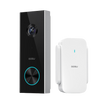
home security camera. A camera facing your driveway or garage doesn’t just record what’s happening. It gives you a set of eyes when you’re not around and sends alerts when something feels off. If you park outside or near your home, a reliable outdoor camera can make all the difference. It’s not just about watching. It’s about knowing. Here are two trusted options designed to help you keep your car safe, day and night:
If you want clear footage and smart detection without needing to lift a finger, this camera is made for that. It sees the details that matter—faces, license plates, and the exact moment something happens—so you’re never left guessing.
What it does well:
• Records in 4K so you can clearly see faces, cars, and license plates
• Uses HomeCortex AI to tell the difference between people, vehicles, and shadows
• Sends alerts and lets you check live or saved video anytime from your phone
• Runs on solar power, so no wiring or battery changes needed
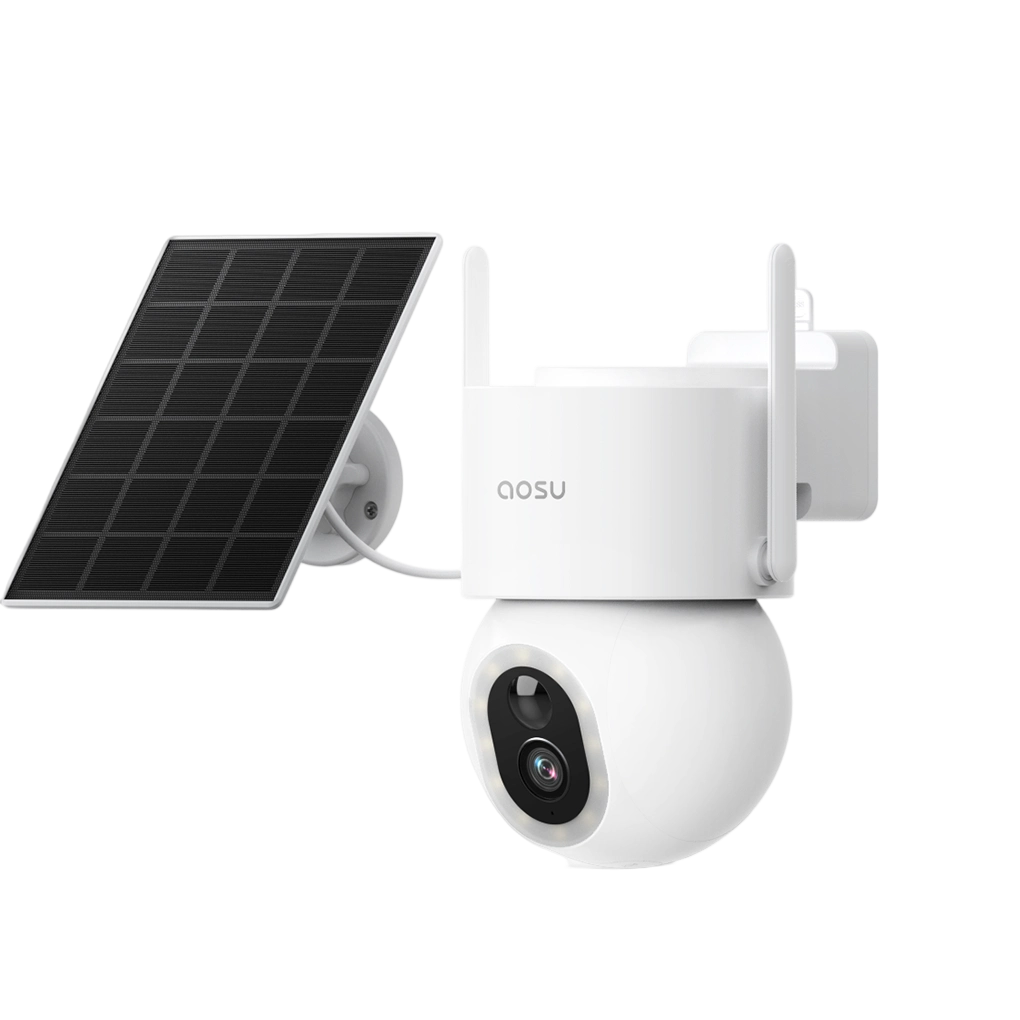
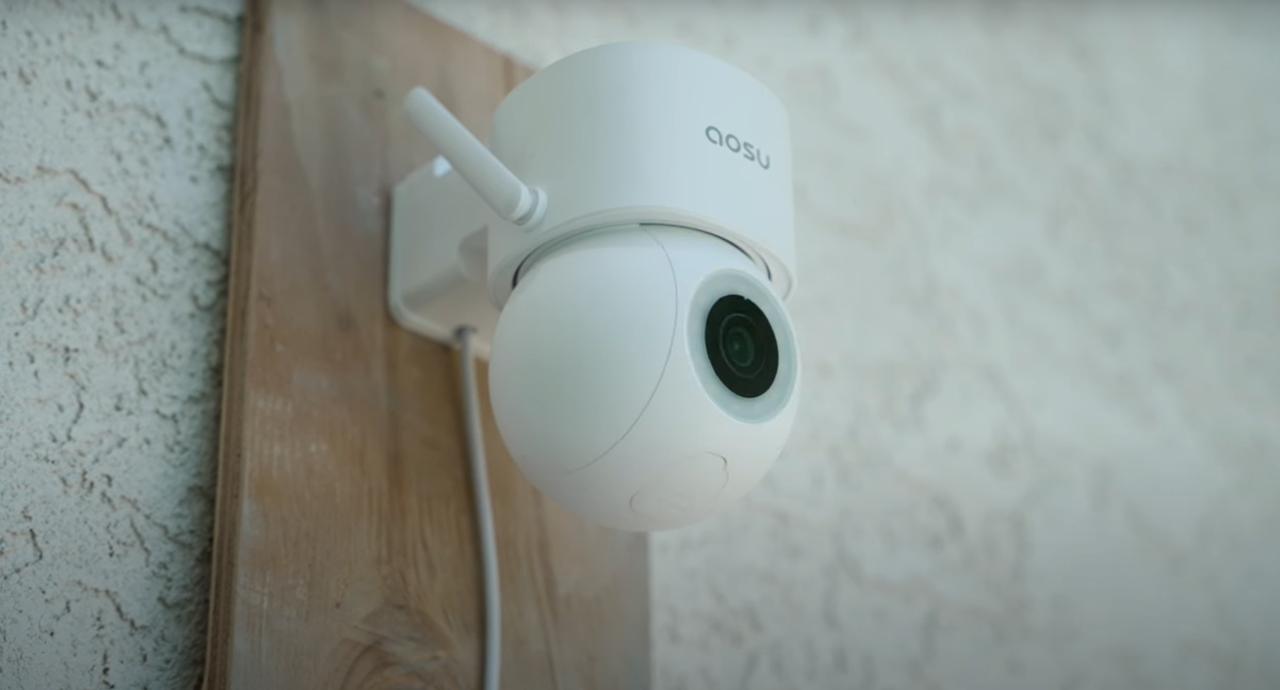
This camera is great if you want something tough, simple, and always on. It’s weather-resistant, easy to install, and perfect for outdoor spaces like your driveway or parking area.
What makes it useful:
• Built for rain, wind, heat, and everything in between
• Sends alerts when it detects movement and stores the footage
• Doesn’t need wiring, so you can place it where it works best
• Covers entrances, side yards, and open car spaces with ease
If your car was stolen, a camera like this could give you the evidence you need. But even better—it can help stop something from happening in the first place.
Conclusion
Having your car stolen doesn’t mean it’s gone for good. What you do next—and how quickly you do it—can make all the difference. Report the theft right away, activate any tracking tools you have, and use every available resource, from neighborhood cameras to online communities.
Most importantly, think ahead. Preventing theft is always easier than recovering what’s lost. Build habits that protect your car every day, and let a smart security camera be your first line of defense.
FAQs
How Can You Track a Stolen Car Using Proven Methods?
Tracking a stolen car effectively starts with using a combination of GPS, vehicle apps, law enforcement, and alert notifications. Immediate reporting to police, monitoring built-in trackers, and leveraging apps like Aosu-connected systems increases recovery chances. Quick action and a structured approach can dramatically improve the likelihood of locating your vehicle safely.
How Can You Track a Stolen Car Using GPS and Built‑In Systems?
Many modern cars feature built-in GPS tracking systems. Activate your manufacturer’s locator service or connected app to monitor your car’s real-time location. These systems provide coordinates, movement alerts, and route history. Acting quickly and sharing data with authorities can help recover your vehicle efficiently.
How Do Police Track and Recover Stolen Cars?
Police track stolen cars using license plate databases, GPS information from factory or aftermarket trackers, and surveillance networks. Once a theft is reported, law enforcement uses real-time location updates, traffic cameras, and neighborhood alerts to locate the vehicle. Prompt reporting maximizes recovery speed and safety.
How Can Mobile Apps Help Track a Stolen Car?
Vehicle tracking apps allow owners to monitor a stolen car in real-time. Apps can provide GPS coordinates, speed alerts, and route history. Sharing app data with police enhances recovery efficiency. Aosu smart security integrations also enable alerts when unusual vehicle movement occurs, giving families peace of mind.
What Are the Best Aftermarket GPS Trackers for Stolen Cars?
Aftermarket GPS trackers like hidden devices or real-time trackers enhance recovery, especially for older vehicles. Choose devices with live tracking, long battery life, and alerts for unauthorized movement. Proper placement and registration with police increase efficiency and reliability. These trackers complement built-in systems for maximum protection.
How Do Insurance Companies Assist With Stolen Car Tracking?
Insurance providers often collaborate with law enforcement and trackable devices to recover stolen cars. Car insurance claims may require documentation of tracking data or GPS alerts. Quick reporting improves reimbursement chances, ensures coverage, and sometimes provides access to recovery resources. Understanding insurer protocols speeds up resolution.
How Can You Prevent Car Theft With Smart Tracking Solutions?
Prevent theft by installing smart vehicle tracking systems, immobilizers, and alert notifications. Layered security, regular system updates, and proactive monitoring reduce risk. Smart solutions like Aosu’s connected technology integrate easily, helping owners detect unauthorized access quickly and prevent theft before it occurs.
What Legal and Safety Rules Apply When Tracking a Stolen Car?
When tracking a stolen car, follow local laws regarding GPS usage and privacy. Only use authorized systems and share information with law enforcement. Avoid self-recovery attempts that may endanger personal safety. Legal compliance ensures your recovery efforts are effective and safe.













Zostaw komentarz
Ta strona jest chroniona przez hCaptcha i obowiązują na niej Polityka prywatności i Warunki korzystania z usługi serwisu hCaptcha.