









Different Kinds of Emergencies
Natural Disasters
-
Earthquakes: Sudden and intense shaking of the ground can lead to significant damage. Preparation involves securing heavy items, knowing how to protect yourself during a quake, and ensuring your home’s structural integrity.
-
Hurricanes: Characterized by strong winds, heavy rains, and potential flooding, hurricanes necessitate preparing for power outages, securing your home, and having an evacuation plan.
-
Floods: Whether caused by heavy rainfall, hurricanes, or dam failures, floods can cause substantial property damage. Key preparations include understanding flood risks and having a plan for moving to higher ground.
-
Tornadoes: These rotating columns of air can cause widespread destruction. Preparing for tornadoes involves identifying a safe room in your home and understanding the warning signs.
-
Wildfires: In areas prone to wildfires, preparing involves creating a defensible space around your property and having an evacuation plan in place.
Man-Made Disasters
-
Fires: Both natural and man-made fires can be devastating. Fire preparedness includes installing smoke detectors, having a fire escape plan, and keeping fire extinguishers handy.
-
Terrorist Attacks: Although less predictable, having a general emergency plan and staying informed about local alerts can enhance your readiness.
Emergency Supplies for Home
-
Water: Store at least one gallon of water per person per day for a minimum of three days. For extended emergencies, aim for a two-week supply.
-
Food: Non-perishable items such as canned goods, dried fruits, and ready-to-eat meals are essential. Ensure you have a manual can opener if needed.
-
First-Aid Kit: Your kit should include bandages, antiseptics, medications, and a first-aid manual. Regularly check and restock expired items.
-
Battery-Powered or Hand-Crank Radio: This device is vital for receiving weather updates and emergency alerts, especially during power outages.
-
Flashlight: A reliable flashlight with extra batteries is crucial for visibility during power disruptions.
-
Tools and Supplies: Include a multi-tool, duct tape, and plastic sheeting for emergency repairs and containment.
Steps to Prepare for Disasters and Emergencies
1. Develop a Family Emergency Plan
Communication Plan
Evacuation Plan
Safe Room
Emergency Contacts
2. Install Home Security Systems
-
Alarm Systems: Ensure your home security system includes alarms for intrusion, smoke, and carbon monoxide. For example, during an earthquake, a seismic alarm could alert you to structural damage or gas leaks, while smoke detectors help manage fire risks. Make sure your system is tested regularly and fully operational.
-
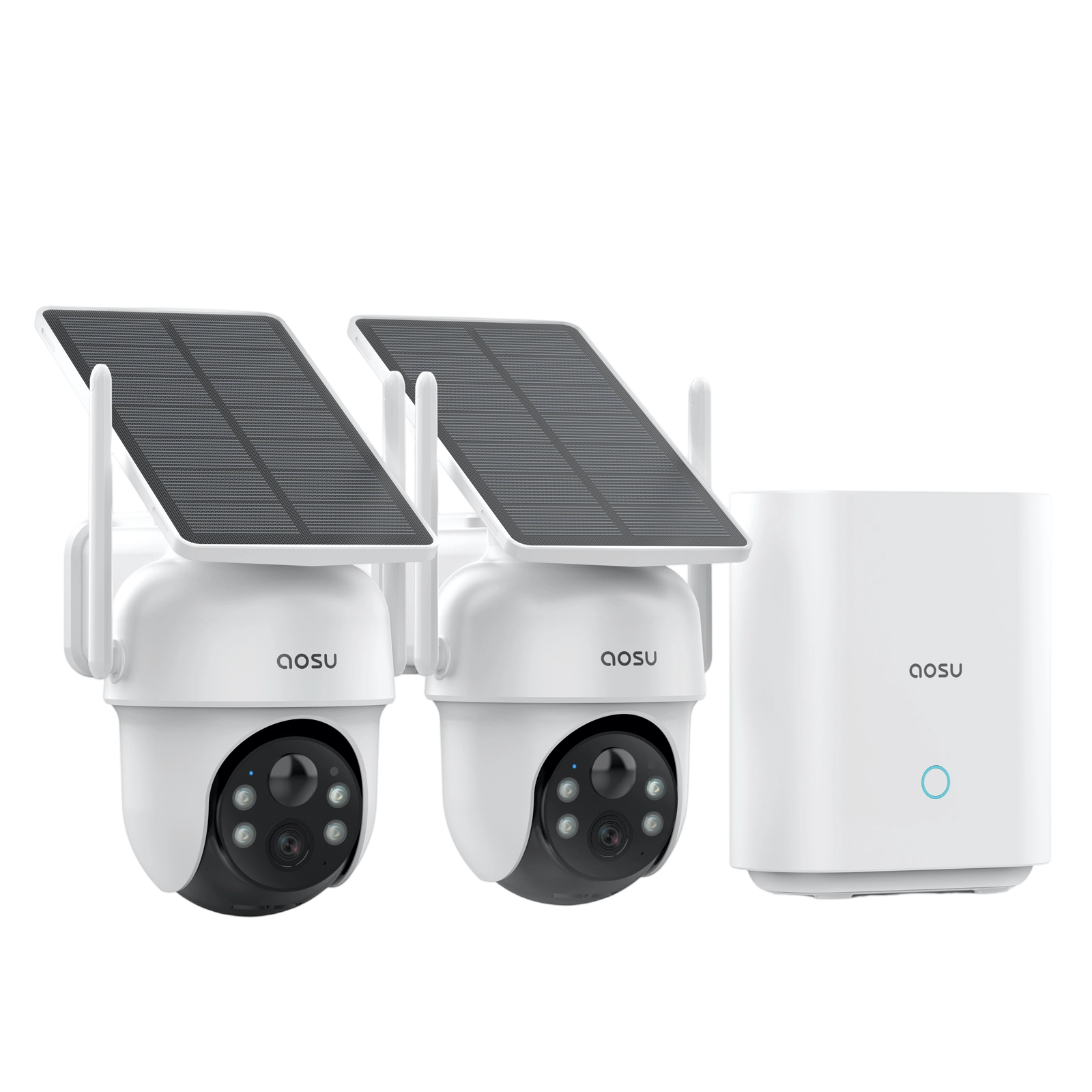
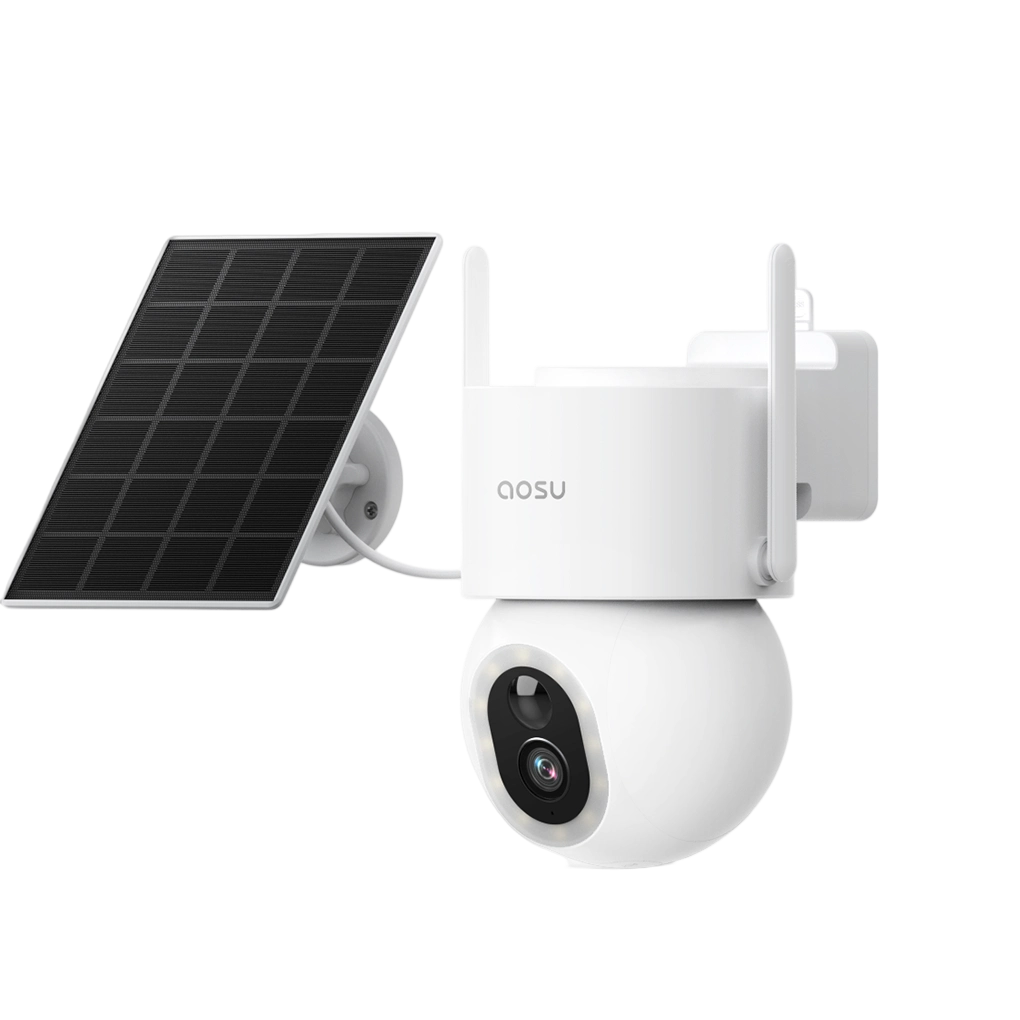
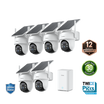
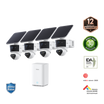
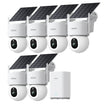
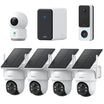
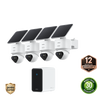
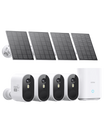
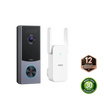
Surveillance Cameras: Install cameras to monitor your property and receive real-time alerts. For example, if a flood is imminent, home security cameras can help assess the situation outside your home and make informed decisions about evacuation. Surveillance footage can also be crucial for documenting damage for insurance purposes.
-
Smart Home Integration: Modern security systems often integrate with smart home devices, allowing remote control of lights, locks, and more. In the event of a power outage or when you’re away from home, smart systems can provide real-time updates and help manage essential functions like securing doors or activating emergency lighting.
-
Emergency Alerts: Configure your security system to send alerts to your phone or other devices. This is especially important during events like hurricanes or fires, where timely information can help you respond quickly to evolving situations.
3. Create a Home Safety Checklist
-
Secure Your Home: Implement safety measures such as anchoring heavy furniture and appliances to the walls, which is particularly important during earthquakes. Regularly check for fire hazards and ensure your smoke detectors are functional.
-
Fire Safety: Test and maintain your smoke alarms and fire extinguishers. Conduct regular fire drills with your family to practice evacuation routes and ensure everyone knows how to respond in case of a fire.
-
Flood Preparedness: Elevate electrical appliances and utilities to prevent damage during a flood. Consider installing sump pumps and flood sensors, which can be linked to your security system to provide alerts about rising water levels.
4. Stock Up and Maintain Supplies
-
Regular Updates: Periodically check and refresh your emergency supplies. Replace expired food, medications, and batteries to ensure your kit is always ready. For example, ensure your earthquake kit includes sturdy shoes and tools for debris removal.
-
Training: Take first-aid and CPR courses to handle injuries effectively. Knowledge of basic medical procedures can be crucial during emergencies like fires or accidents.
-
Community Resources: Engage with local emergency resources and participate in community preparedness events. This can provide additional insights and support tailored to your area’s specific risks, such as wildfire prevention measures in fire-prone regions.
5. Stay Informed
-
Weather Alerts: Sign up for local weather alerts and monitor potential emergencies specific to your area, such as hurricanes or tornadoes. Ensure your security system integrates with local alert systems for real-time updates.
-
Emergency Apps: Utilize apps from organizations like FEMA or the Red Cross to receive guidance and alerts. These apps can provide crucial information during various emergencies, from earthquake safety tips to flood warnings.
6. Practice Your Plan
-
Drills: Conduct regular drills to practice your emergency plans. For instance, simulate an earthquake or fire drill to ensure everyone knows their role and the location of emergency supplies. Drills help refine your plan and identify any gaps.
-
Review and Improve: After each drill or actual emergency, review what went well and what needs improvement. Update your plans and supplies based on lessons learned and evolving risks.
Conclusion
FAQs
How Can National Preparedness Month Tips Improve Your Emergency Readiness?
Use National Preparedness Month tips to create emergency plans, stock essential supplies, and train your family for disasters. Practicing drills and reviewing risks ensures quick, confident responses. Implementing these strategies with tools from aosu enhances your home safety and community readiness.
What Are the Best Emergency Preparedness Kits for Families?
The best emergency preparedness kits include water, non-perishable food, first aid, flashlights, batteries, and essential tools. Pre-packaged or custom kits save time during emergencies. Choosing reliable kits, such as those recommended by aosu, ensures your family stays safe and ready for any situation.
What Types of Emergencies Should You Prepare For During National Preparedness Month?
Prepare for natural disasters, power outages, fires, floods, medical emergencies, and severe weather. Understanding possible risks allows you to plan effectively, gather resources, and protect loved ones. Awareness and preparation reduce panic and improve response in critical situations.
How Can You Create Effective Emergency Communication Strategies?
Develop emergency communication strategies by establishing family plans, shared contact lists, and alert systems. Ensure everyone knows meeting points and procedures. Using apps or smart devices, including solutions from aosu, improves connectivity and safety during crises.
What Are the Best Emergency Preparedness Training Programs?
Emergency preparedness training programs teach first aid, evacuation, and disaster response skills for families and communities. Hands-on courses enhance readiness and confidence. Participating in certified programs ensures proper knowledge to handle emergencies safely and effectively.
How Do You Store Emergency Food and Water Safely?
Store emergency food and water in airtight containers, rotate supplies regularly, and keep them in cool, dry areas. Ensure a minimum three-day supply per person. Proper storage prevents spoilage and guarantees your family remains nourished during crises.
How Can You Create Effective Home Evacuation Plans?
Create home evacuation plans by mapping exits, setting meeting points, and practicing drills. Include pets and vulnerable family members. Clear plans reduce confusion, improve response times, and ensure everyone reaches safety efficiently in emergencies.
How Can Communities Improve Disaster Readiness Together?
Communities improve disaster readiness through drills, shared resources, awareness campaigns, and emergency response networks. Collaboration strengthens safety, reduces risks, and fosters resilience. Coordinated planning with local initiatives, like those supported by aosu, ensures better protection for everyone.


Zostaw komentarz
Ta strona jest chroniona przez hCaptcha i obowiązują na niej Polityka prywatności i Warunki korzystania z usługi serwisu hCaptcha.