


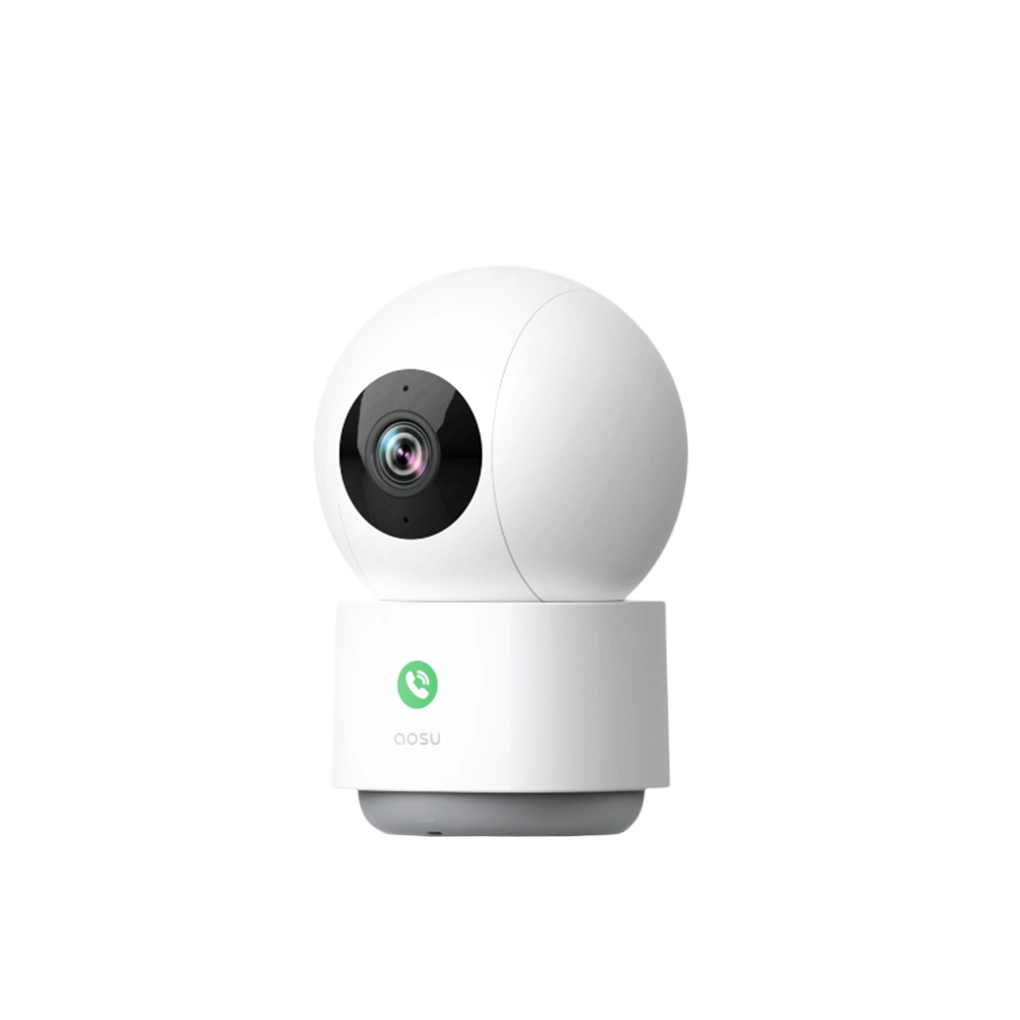
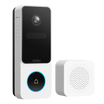


If you want a video doorbell with local storage and no required subscription, an indoor hub or base station is usually the better place to keep important recordings. Footage stored inside the doorbell - whether in built-in memory or on a microSD card - can leave with the device if it is removed.
On-device storage can still be perfectly adequate for everyday recording. The right choice depends on what you want to happen after an incident, how quickly clips reach their storage location, and whether you can export them before they are overwritten.
Where Can a No-Subscription Video Doorbell Store Recordings?
A video doorbell without a subscription usually saves recordings to physical storage you own rather than relying entirely on a paid cloud plan. That storage can be located in several places:
- Built-in doorbell memory: The footage remains inside the outdoor device.
- A microSD card in the doorbell: The footage is written to a removable card installed in the outdoor unit.
- An indoor hub or base station: Recordings are stored on a separate device inside the home. The hub may have built-in memory or use its own microSD card.
Doorbell hub storage and SD-card storage are not necessarily competing options - a hub may use a microSD card too. The more useful question is whether the storage remains outside with the doorbell or stays inside your home.

"No subscription required" also does not explain every feature. Before buying, confirm whether local playback, clip downloads, alerts, smart detection, and sharing all work without a paid plan.
What Happens to On-Device Footage if the Doorbell Is Removed or Damaged?
If recordings exist only in the doorbell's built-in memory or on a microSD card installed in the doorbell, the storage remains physically attached to the device. A stolen doorbell may therefore take its recordings with it.
Severe damage can also make the storage or the doorbell itself unreadable. A phone notification or preview image may still show that an event occurred, but it may not contain the complete video clip.
Before relying on on-device storage, check:
- Where the card slot is actually located
- The maximum supported card capacity and type
- Whether old recordings are overwritten automatically
- Whether an important clip can be protected from overwrite
- Whether clips can be downloaded to a phone or computer
- Whether another copy is saved to a hub or optional cloud service
A video doorbell can use a microSD card without a subscription and still provide useful everyday recording. It simply offers less physical separation between the camera and its stored footage.
Does an Indoor Hub Keep Footage Available After a Doorbell Incident?
An indoor hub keeps supported recordings on a separate device inside the home. If the doorbell is removed or damaged after the clip reaches the hub, the stored recording may remain available.
However, the recording path matters. Some systems write footage to the hub first, while others may initially capture it on the doorbell and transfer it afterward. If the device loses power or its connection before that transfer finishes, the complete clip may not reach the hub.
For example, the aosu Video Doorbell R1 Ultra stores clips on the aosuBase mini first and keeps them accessible if the doorbell is damaged. That is a model-specific design rather than a rule that applies to every hub-based doorbell.
An indoor hub is still local storage, not an off-site backup. It reduces the risk of losing footage with the outdoor device, but a serious power failure, network problem, or incident affecting the entire home can still interrupt recording or access.
How Do Internet, Wi-Fi, and Power Outages Affect Recording?
Internet access, the local wireless connection, and electrical power affect different parts of a video-doorbell system.
- Internet outage: Local recording may continue on supported systems, but remote live view, phone alerts, cloud backup, and playback away from home may stop.
- Doorbell-to-hub connection failure: A doorbell may detect an event but be unable to send the recording to its indoor hub.
- Power outage: A battery-powered doorbell may continue operating, while a plug-in hub and router stop unless they have backup power.
- Doorbell power loss: A doorbell without power cannot record, regardless of where footage would normally be stored.
Exact behavior varies by model. If offline recording matters to you, look for a clear explanation of what continues working - not simply a claim that the product has "local storage."
Storage also needs account protection. Use a strong, unique password, enable multifactor authentication when available, and keep the doorbell, hub, router, and app updated. These steps align with CISA's guidance for protecting connected devices at home.
Doorbell Hub Storage vs SD Card: A Quick Comparison
| Storage setup | Where footage stays | If the doorbell is removed | Best suited for |
|---|---|---|---|
| Built-in doorbell memory | Inside the outdoor device | Stored footage may leave with the doorbell | The simplest self-contained setup |
| MicroSD card in the doorbell | On a removable card inside the outdoor device | The card and recordings may leave with the doorbell | Affordable local recording with replaceable storage |
| Indoor hub or base station | On a separate device inside the home | Clips already saved to the hub usually remain available | Keeping local footage away from the entry |
| Local storage with optional cloud backup | Locally, with selected footage also stored remotely | Off-site clips should remain available | Added redundancy when important footage must survive a local incident |
The main difference is physical separation, not simply whether an SD card is involved. A microSD card in an indoor hub is better protected from doorbell theft than the same card installed in the doorbell itself.
What to Check Before Choosing a Storage Setup
Storage capacity matters, but it does not tell you how the system will behave when something goes wrong. Check the complete recording path before choosing a doorbell.
-
What works without a subscription?
Confirm whether the free setup includes event recording, local playback, alerts, downloads, sharing, and any detection features you need. -
Where is the storage physically located?
A product description may say "microSD storage" without making it clear whether the card goes into the doorbell or an indoor hub. -
Where is each clip written first?
A system that records directly to an indoor hub may protect footage differently from one that transfers the clip after recording it on the doorbell. -
What happens if a connection drops?
Check local recording, hub communication, alerts, live view, playback, and delayed transfers separately. -
How are older recordings handled?
Local storage often uses loop recording, replacing the oldest footage when space runs out. Find out whether you can lock or protect an important clip. -
Can you export a recording easily?
Confirm that you can download the original clip to a phone or computer without purchasing a subscription. -
Can you test the setup?
After installation, trigger a test event, find the recording, play it back, and export it. If the manufacturer supports offline recording, test that behavior before depending on it.
What Should You Do With Important Doorbell Footage After an Incident?
Do not leave an important recording in ordinary loop storage longer than necessary. Once you find the relevant clip:
- Download or export it promptly
- Preserve the original file when possible
- Save a second copy somewhere separate
- Keep the date, time, and related notifications
- Avoid formatting or replacing the storage card until you know the footage is safely copied
If you need to provide the clip to the police, an insurer, a delivery company, or another third party, keep an unedited copy rather than relying only on a shortened screen recording.
To Wrap Up: Choose the Storage Location, Not Just "Local Storage"
On-device memory or a microSD card in the doorbell can be enough for routine recording without a subscription. The weakness is that the storage remains attached to the most exposed part of the system.
An indoor hub is usually the stronger local-storage option when you want doorbell footage to remain available after the outside device is removed or damaged. Before choosing, confirm where each clip is written first, how outages affect recording, and whether you can export important footage without paying for a plan.
Common Questions About video doorbell storage without a subscription
Q1: Can a Stolen Video Doorbell Take the Recordings With It?
Yes, if the recordings are stored only in built-in memory or on a microSD card inside the doorbell. Clips already saved to an indoor hub or off-site backup may remain available.
Q2: Does Local Doorbell Storage Work Without Wi-Fi?
It depends on the doorbell and storage design. Some systems can continue recording locally while internet-dependent alerts, live view, and remote playback stop. Check the model's stated offline behavior.
Q3: Is an Indoor Hub Better Than a MicroSD Card in the Doorbell?
An indoor hub is usually better for protecting footage from doorbell theft or damage because the storage remains inside the home. The hub may itself use a microSD card, so its physical location and recording path matter more than the storage medium.
Q4: Can I Export Video Doorbell Clips Without a Subscription?
Some no-subscription doorbells allow local clips to be downloaded to a phone or computer, but this varies by model. Confirm export and sharing options before choosing a system.