


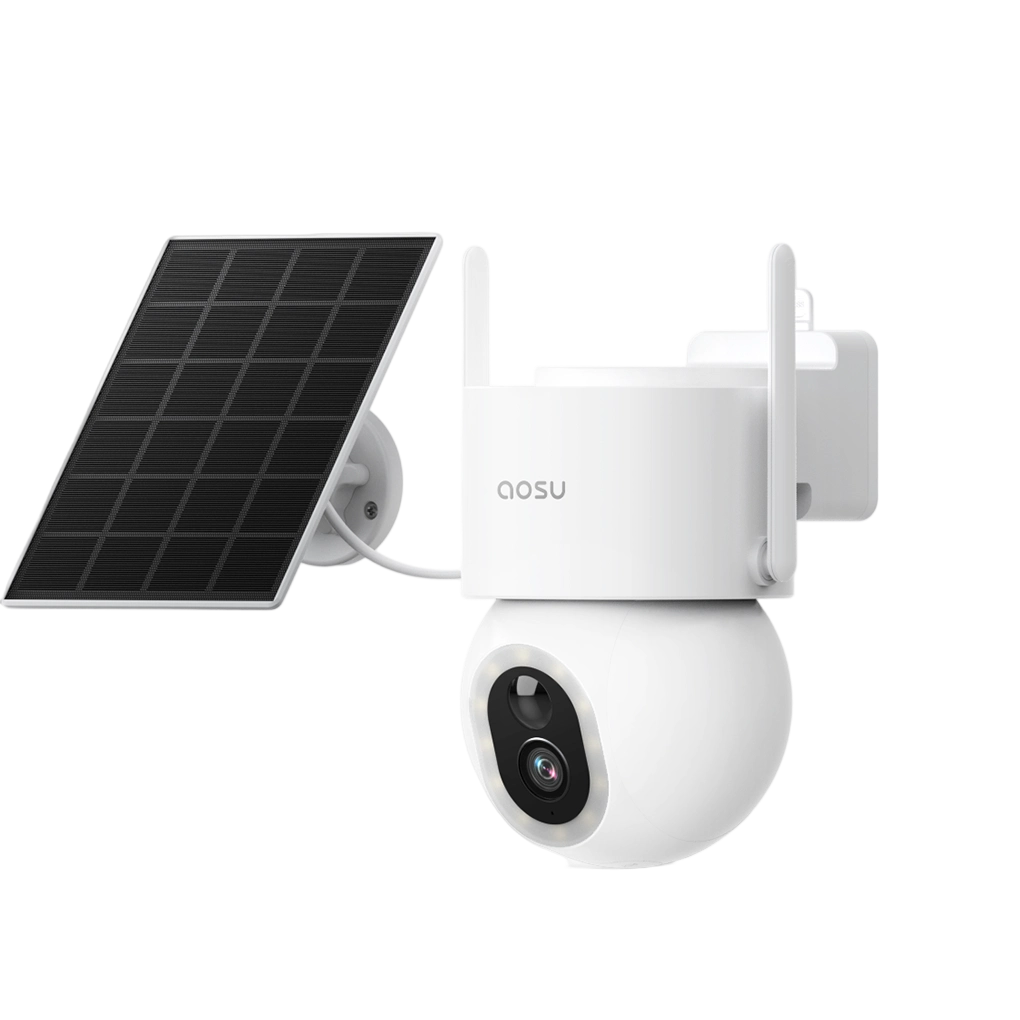
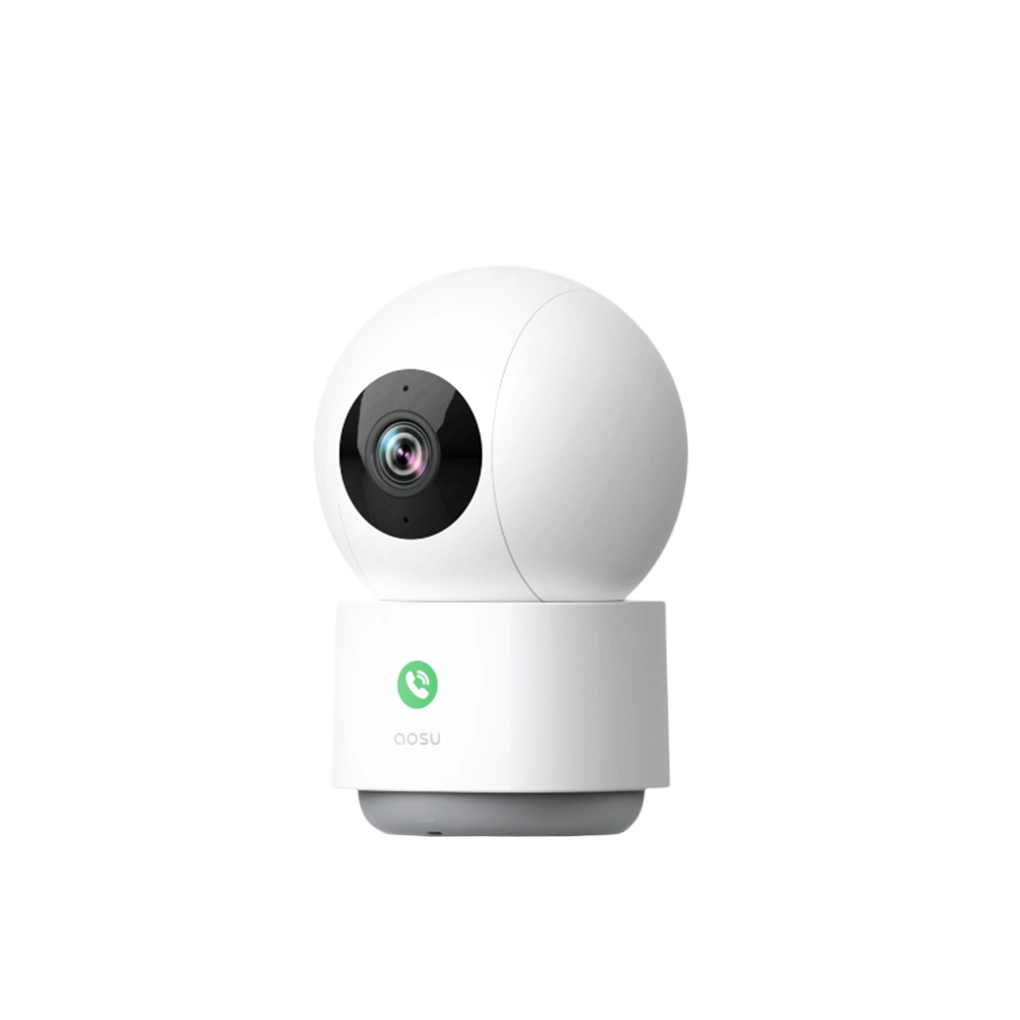
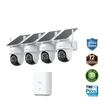
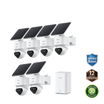
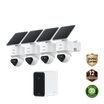
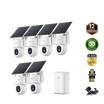

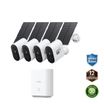
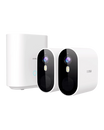
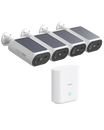
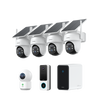
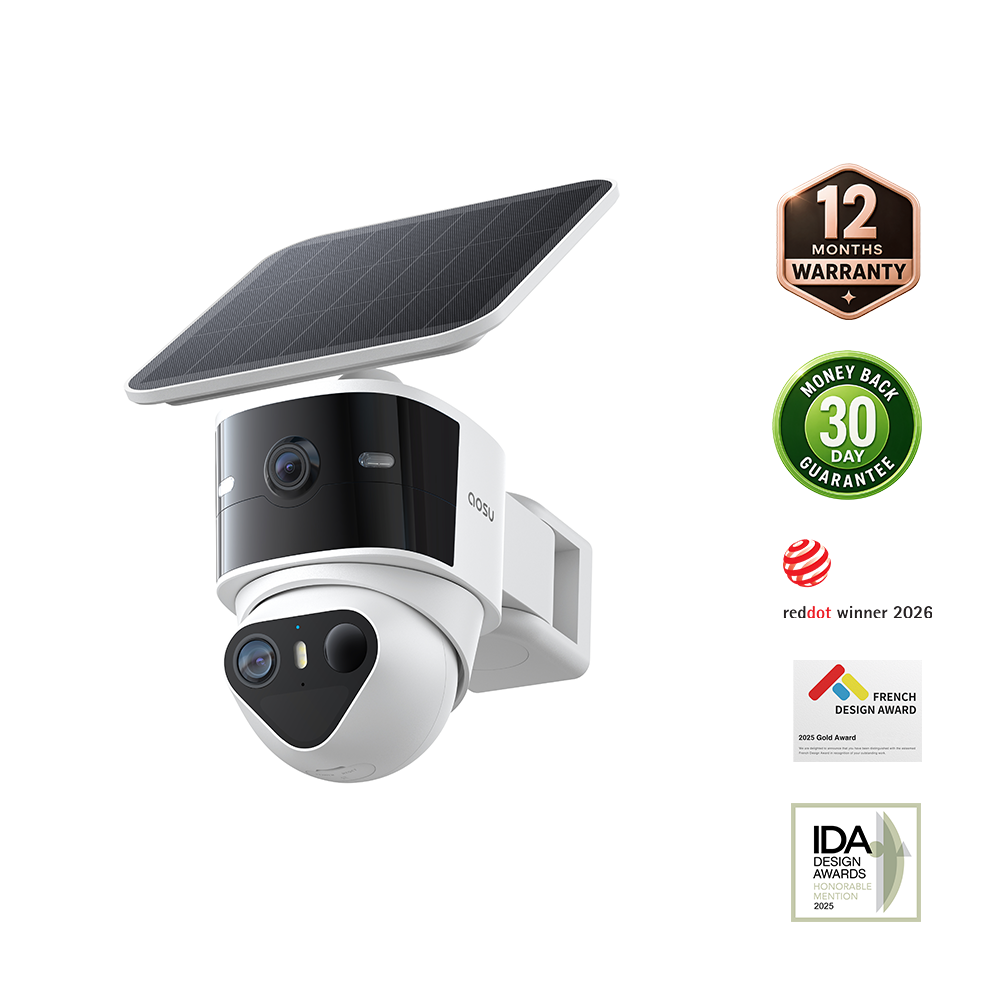
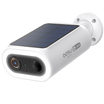
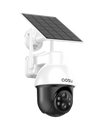
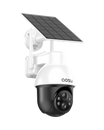
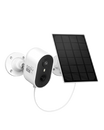
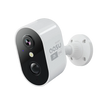
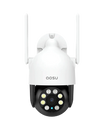
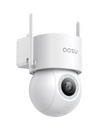
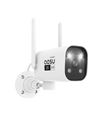

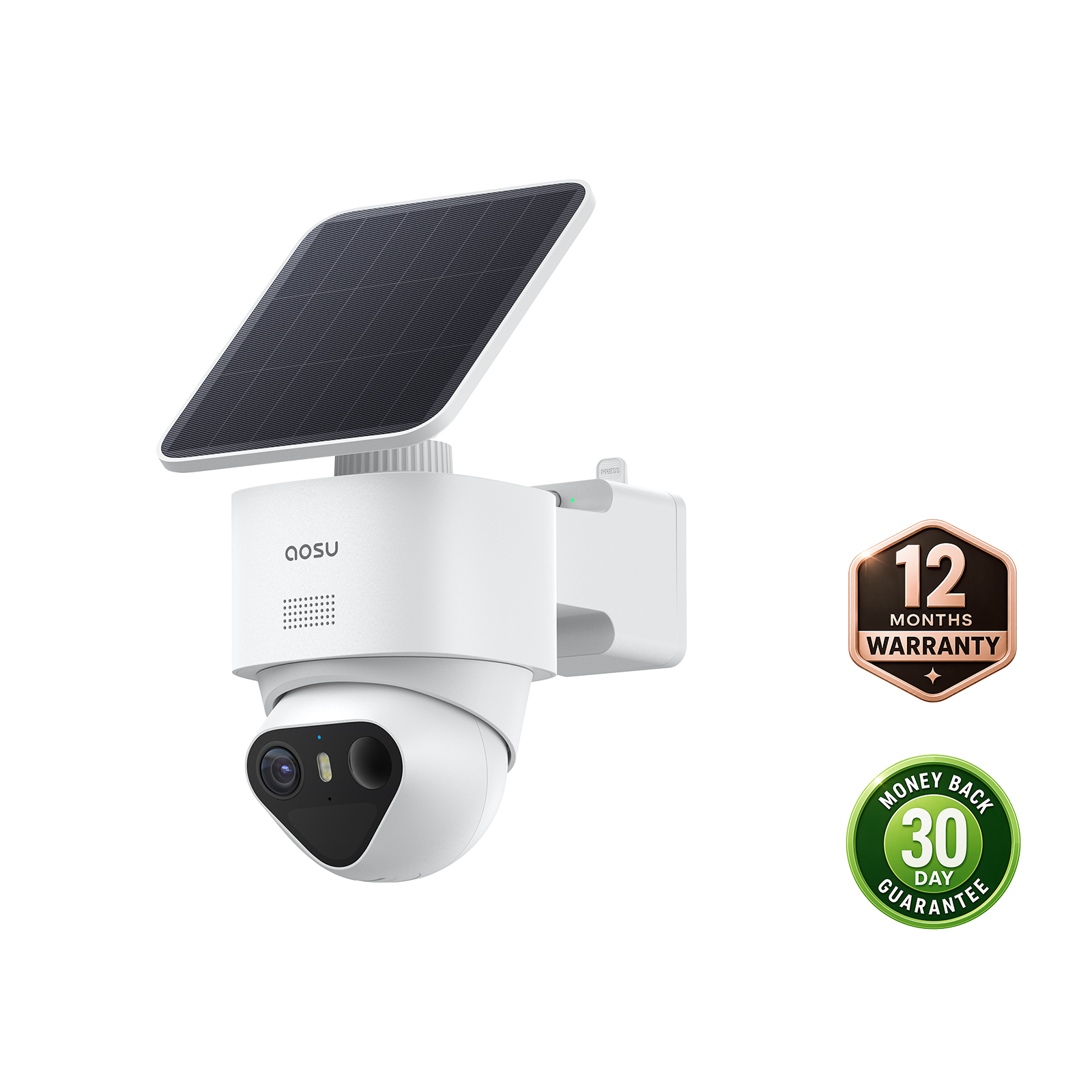
Choose solar garden lights when you want a path, planting bed, or seating area to be visible after dark. Choose a security camera spotlight when you want a light to respond to activity near a gate, side door, or driveway and a camera to show what happened. If you need both a welcoming yard and a view of an entrance, use the two in different places.
The fixtures can look similar in a product photo, but they solve different problems. The useful comparison is where the light falls, when it turns on, and whether you need a recording—not which one has the brighter-sounding name.
What Does Each Light Actually Do?
A solar garden light collects energy during the day and uses a battery to power its lamp at night. Depending on the model, it may glow from dusk, follow a timer, or brighten when motion is detected. Its main purpose is to make a path easier to follow or highlight a part of the landscape.
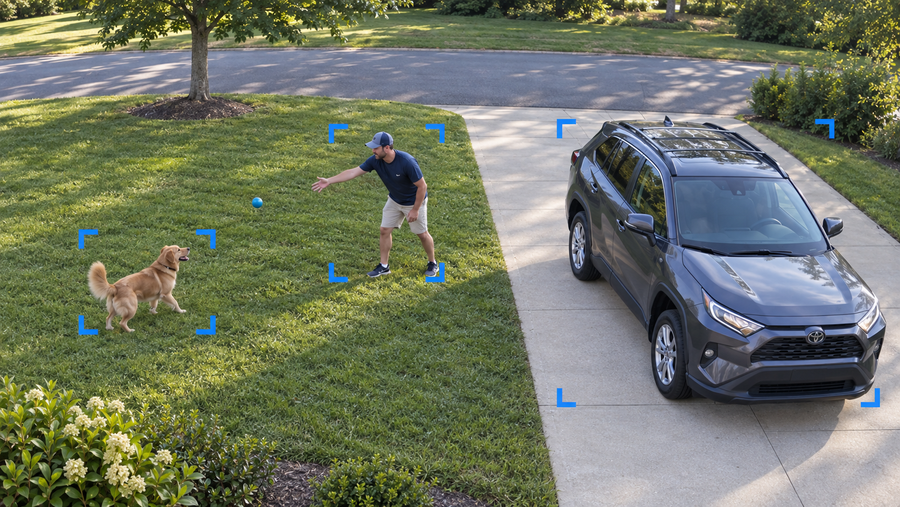
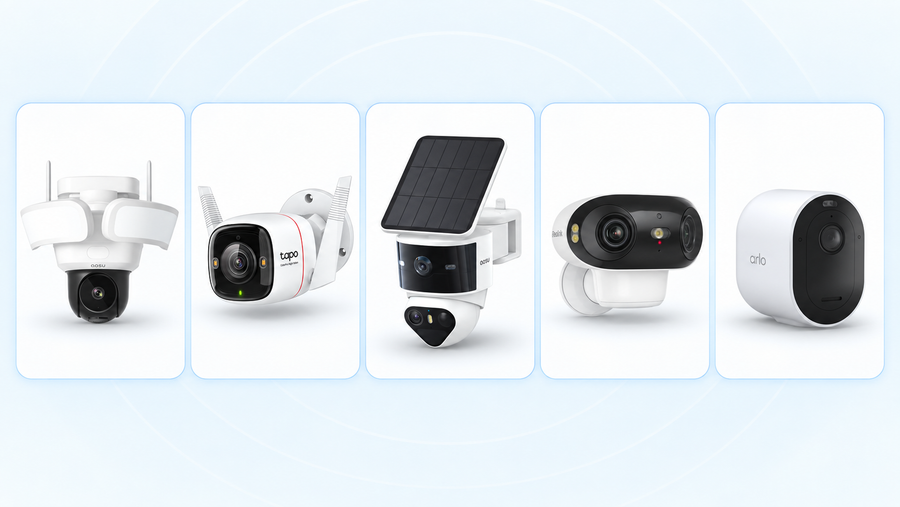
A security camera spotlight is attached to a camera. On models with a motion-triggered spotlight, the light comes on for an event while the camera captures video and may send an alert. Camera behavior varies: check whether the model records when the spotlight is off, how it handles night vision, and where it stores footage. The spotlight alone does not tell you what happened; the camera and recording setup do.
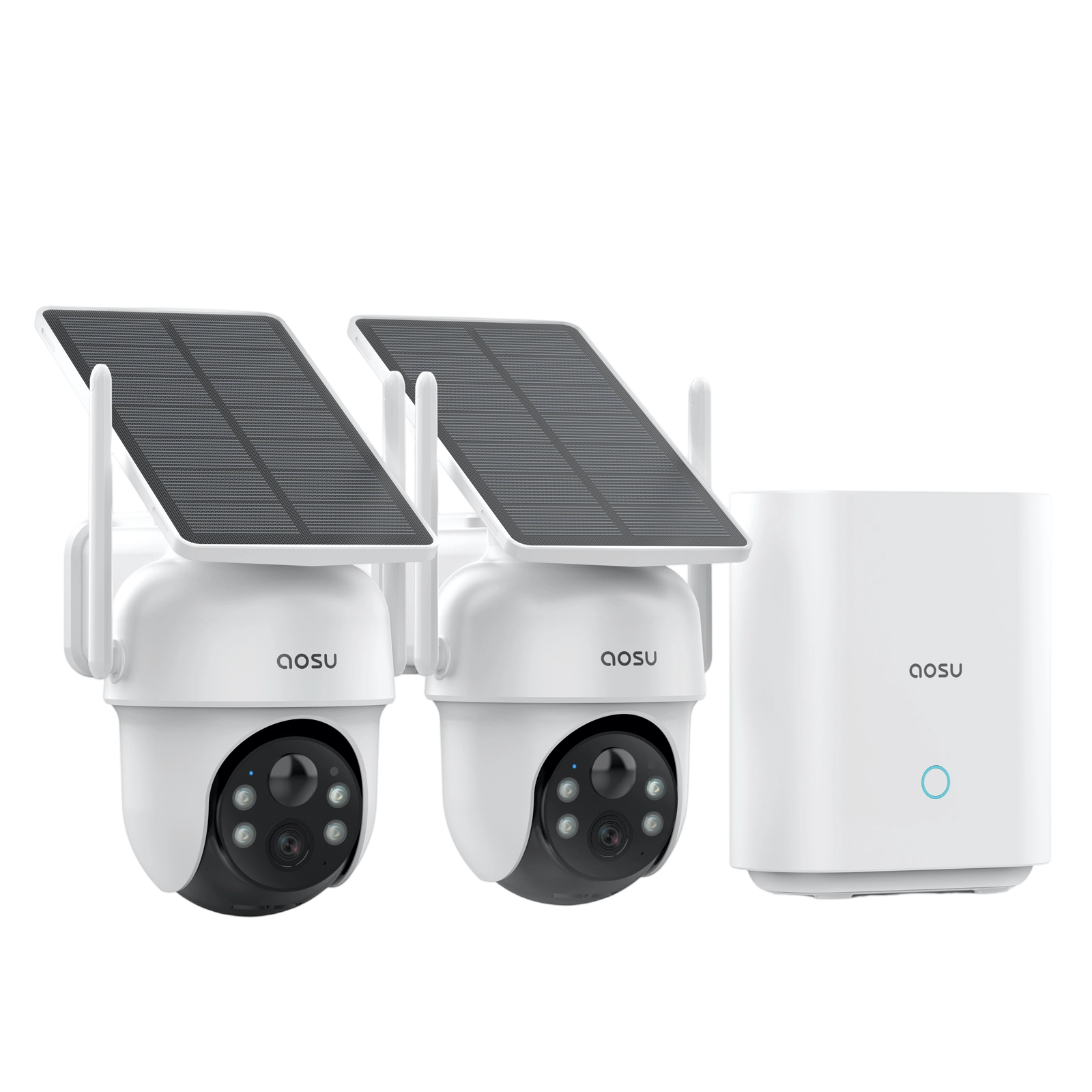
A solar-powered camera is still a camera system, not a garden light. Its panel and battery power the camera and its light. A standalone solar garden spotlight has no video or event history.

Solar Garden Light vs. Security Camera Spotlight, Side by Side
Use the activity you care about to choose the fixture. The most useful distinction is steady, comfortable light versus light tied to a recorded event.
1. Along a walkway: Garden lights can mark the route whenever you use it after dark. A camera spotlight may leave the path dark until its trigger activates. For everyday footing, choose path lighting first.
2. At a gate or side door: A camera spotlight can illuminate a person arriving and give you footage to review. A garden light can make the gate visible, but it cannot show who opened it.
3. Around plants and seating: Aim a garden spotlight at a tree, planter, or sitting area for a consistent nighttime look. A motion-triggered camera light is a poor fit if it flashes on whenever people use the space.
4. For alerts and playback: Choose a camera when you need a phone alert or a saved clip. Review its detection area, recording, storage, and account controls. A light without a camera does not provide those features.
5. Where power is difficult: A self-contained solar garden light is simple to place where its panel gets adequate sun. A camera also needs enough power for sensing, recording, networking, and its spotlight; check the exact model's power and connection requirements.
Which Does Your Yard Need First?
Start with the place, not the device. Walk the yard after dark and name the outcome you want at each spot.
1. You want to see the steps and path: Install low, directed garden or path lights along the walking route. Choose a pattern that makes changes in level easy to see without shining into people's eyes.
2. You want to know who came through the gate: Put a camera where it can see the gate clearly. Aim its spotlight at the entry area and test the resulting video at night. Add separate path lights if people also need to walk there comfortably.
3. You want the garden to look inviting: Use targeted garden lights for the plants or features you want to show. Choose the amount of light you need and use a timer or sensor where it helps.
4. You want useful footage near the driveway: Choose a camera for the view and recording features first, then assess its light. A separate yard or driveway light can fill a visibility need that the camera spotlight does not cover.

When Garden Lights and a Camera Spotlight Work Better Together
A common setup is low-level lights along a path and one camera covering the gate or door at the end. The path stays usable; the camera handles events at the entry. The fixtures do not need to share an app or switch to complement each other.
Aim each beam at its intended area. A garden light pointing into the lens can cause glare in the video, while a camera spotlight aimed across a neighbor's window wastes light. Test the view with both sets of lights on and with the camera spotlight activated. Adjust placement, shielding, brightness, or timing if the image washes out or light spills beyond the yard.
Keep the two purposes separate in your plan: comfortable light for moving around, and a clear camera view where you want to check activity.

What to Check Before Buying Either Type
If you are reading solar-powered garden spotlight reviews, look past the daytime product shot. The useful details are how the beam looks in a real yard and how long the light runs after a normal day of charging.
1. For solar garden lights: Check the panel's likely sunlight at the exact spot, the beam width and brightness, the dusk-to-dawn or motion modes, the claimed runtime, and whether the battery can be replaced. Compare photos taken in a real garden at night.
2. For security camera spotlights: Check the camera's view of the gate or driveway, spotlight trigger and controls, night footage, recording and storage options, power supply, network reach, weather rating, and account security. Review real nighttime clips when possible.
3. For both: Check how the fixture mounts, where rain or sprinklers will reach it, whether you can aim the light, and how you will clean or service it. Compare light output only alongside beam shape and placement.
A Camera-Light Option for a Larger Area
For a driveway or broad entrance, a floodlight camera is another camera-light option. The aosu Floodlight Cam Pro combines a camera with a wider lighting fixture. Compare its night view, power requirements, and controls with the area you need to cover before choosing it over a smaller spotlight camera.

Related links:
· Compare spotlight and floodlight cameras

To Wrap Up
Solar garden lights make paths and landscape features visible. Security camera spotlights add light to a camera's view when activity matters. Choose garden lights for everyday yard lighting, a camera spotlight for footage at a specific entrance, and both when your yard needs both outcomes.
Before buying, mark the path people use and the point where you want to see an event. That simple yard map will tell you more than a head-to-head brightness claim.
FAQs
Can solar garden lights replace a security camera spotlight?
They can light a path or gate, but they cannot record who was there or send a video alert. Choose a camera when you need footage. Use garden lights for the places you want lit for everyday use.
Does a security camera spotlight stay on all night?
It depends on the model and settings. Many camera spotlights are designed to turn on when an event is detected. Check the exact camera's lighting modes if you need steady illumination.
Can garden lights make security camera footage clearer?
Well-placed light can help a camera see a scene, but a beam aimed into the lens or a nearby reflective wall can make the image worse. Test nighttime footage with the garden lights on and adjust their aim if needed.
Can a solar security camera replace solar garden lights?
A solar camera is built to monitor an area and may light it during an event. If you want a path or seating area visible throughout the evening, add lighting designed for that purpose.