



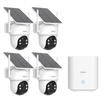
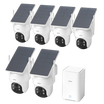
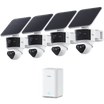
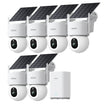
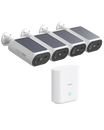

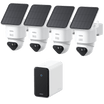


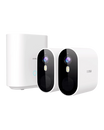
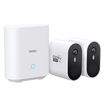
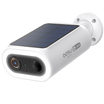
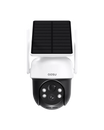
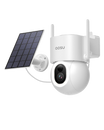
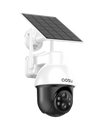
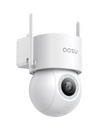
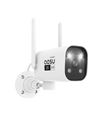

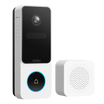
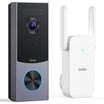
Ensuring the safety of children is a top priority for any parent. In a world where potential hazards are present both inside and outside the home, monitoring your kids' activities is essential. This blog will explore the importance of keeping an eye on your children, provide tools and strategies for indoor and outdoor safety, and discuss how to balance effective monitoring with respect for their independence and privacy. Also check out our hot sellers from the last 30 days: Night Vision Security Cameras
Why Is It Important to Monitor Your Kids?
Monitoring your kids’ activities is crucial for several reasons. It helps prevent accidents, ensures their well-being, and promotes responsible behavior. In today’s fast-paced world where parents often juggle multiple responsibilities, staying vigilant about their children's activities can be challenging but necessary.
Benefits of Monitoring
-
Preventing Accidents
Many household accidents can be avoided with proper supervision.
Knowing what your kids are doing at all times helps identify and mitigate potential hazards before they cause harm.
-
Ensuring Well-being
Monitoring allows parents to quickly address any issues that arise, such as health problems or signs of distress.
It ensures that children are safe and secure in their environment.
-
Promoting Responsible Behavior
Children learn by observing and following guidelines. Monitoring helps reinforce rules and expected behaviors.
It encourages children to develop a sense of responsibility and accountability.
Parents Need to Address Privacy Concerns
-
Building Trust
It's important to strike a balance between supervision and respecting your child's privacy.
Open communication about why monitoring is necessary can help build trust and cooperation.
-
Transparent Practices
Be transparent with your children about the monitoring tools you use and the reasons behind them.
Involve them in discussions about safety and privacy to ensure they feel respected and understood.

How to Ensure Your Kids’ Safety Inside the House
Creating a safe indoor environment involves using various tools and practices to ensure your child's well-being. From security cameras to child-proofing essentials, these measures can significantly reduce the risk of accidents and provide peace of mind.
1. Monitor Your Kids with Indoor Security Cameras
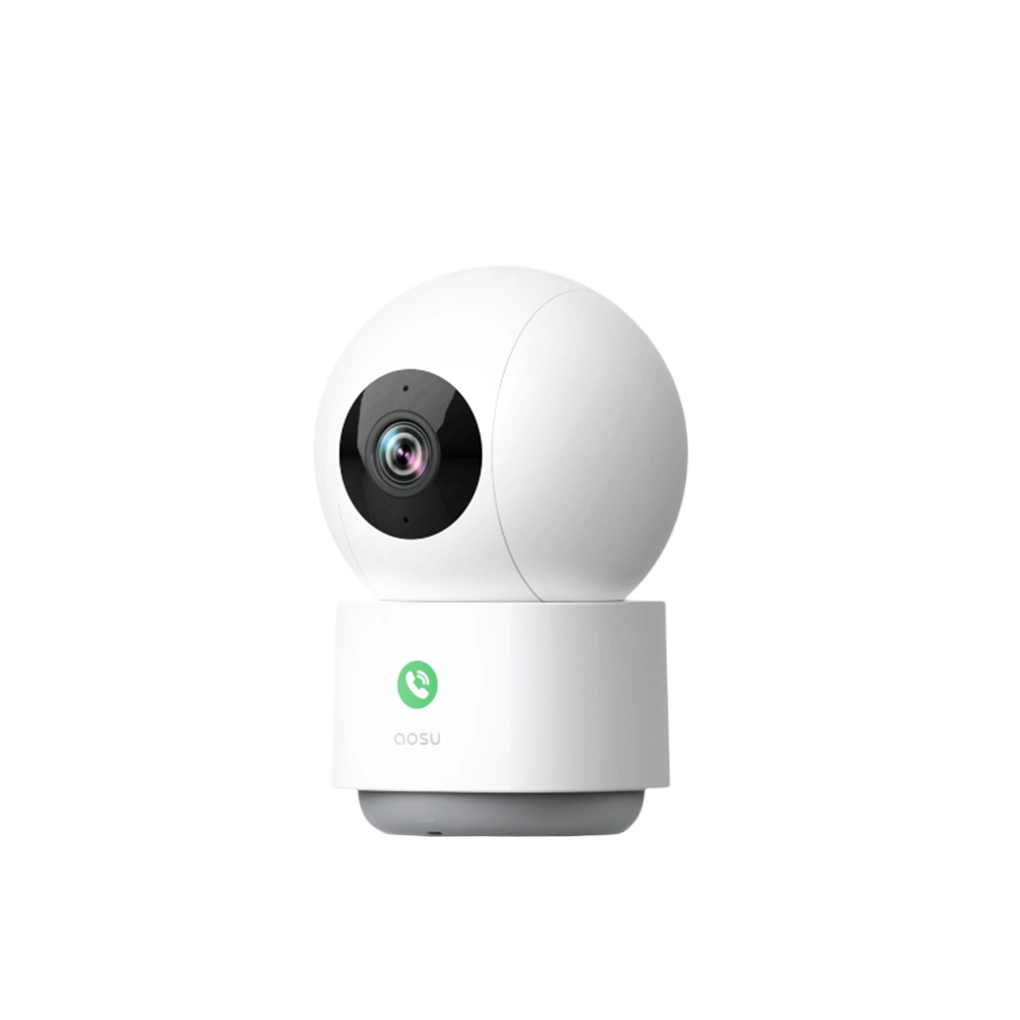
Indoor security cameras are a valuable tool for monitoring your home and ensuring your children's safety. They allow you to keep an eye on various parts of your home, even when you’re not physically present. Here are the key features of indoor security cameras to look for:
-
Night Vision: It allows for monitoring in low-light conditions, which is essential for ensuring safety during nighttime.
-
Motion Detection: This feature alerts you to any movement in the monitored area, helping you respond quickly to potential issues.
-
Two-Way Audio: This important function enables communication with your child remotely, making it useful for giving instructions or providing reassurance.
Placement Tips
-
Place cameras in areas where your children spend most of their time, such as playrooms and living areas.
-
Ensure cameras are installed at a height where they can cover the entire room without obstructions.
-
Avoid placing cameras in private areas like bedrooms and bathrooms to respect privacy.
2. Prepare Child-Proofing Essentials
Child-proofing your home is another critical aspect of indoor safety. By identifying and addressing common household hazards, you can create a safer environment for your children.
Common Household Hazards
-
Sharp Objects: Knives, scissors, and other sharp items should be kept out of reach. Use child-proof locks on drawers and cabinets containing these items to prevent access.
-
Electrical Outlets: Cover all unused outlets with safety plugs to prevent children from inserting objects. Consider using outlet covers that slide shut when not in use for added safety.
-
Toxic Substances: Store cleaning products, medicines, and other toxic substances in locked cabinets. Ensure these items are kept in their original containers with labels intact to avoid accidental ingestion.
Tools and Products for Child-Proofing
-
Corner Guards: Install corner guards on sharp furniture edges to prevent injuries from accidental bumps and falls.
-
Outlet Covers: Use outlet covers to prevent children from inserting objects into electrical outlets, reducing the risk of electrical shocks.
-
Cabinet Locks: Secure cabinets containing hazardous items or breakables with child-proof locks to restrict access and prevent accidents.
Importance of Regular Safety Checks
Conduct regular checks to ensure child-proofing measures are intact and effective. Update safety measures as your child grows and their abilities change, adapting to new potential hazards.

How to Ensure Your Child’s Safety Outdoors with Security Cameras
Ensuring your child's safety outdoors involves using appropriate tools and adopting effective strategies. Education about safety is critical, while installing outdoor security cameras can also make a great difference.
Outdoor security cameras provide an additional layer of security by monitoring the external areas of your home. They can help you keep an eye on your children while they play outside and deter potential intruders.
Benefits of Installing Outdoor Security Cameras
-
Deterrence: Visible cameras can deter potential intruders or vandals from approaching your property.
-
Monitoring: Outdoor security cameras allow you to monitor your child's activities in the yard or driveway, ensuring they stay safe while playing.
-
Evidence: Recorded footage from outdoor cameras can be useful in case of incidents or disputes, providing clear evidence when needed.
Why to Expect When Choosing the Right Outdoor Camera
-
Weatherproof: Ensure cameras are rated for outdoor use and can withstand various weather conditions to maintain functionality and durability.
-
Wide-Angle Lens: A wide-angle lens provides a broader field of view, covering more areas and reducing blind spots.
-
Night Vision: Night vision capabilities enable monitoring during low-light conditions or nighttime, ensuring safety around the clock.
-
Human Detection: Cameras with human detection features can distinguish between people and other moving objects, reducing false alerts.
-
Motion Tracking: Motion tracking allows the camera to follow moving objects, providing continuous coverage of any activity.
-
Support for Both Cloud and Local Storage: Choose cameras that support both cloud and local storage options, giving you flexibility in how you store and access footage.
-
Integrated Light: Cameras with integrated lights can enhance visibility and act as an additional deterrent for intruders.
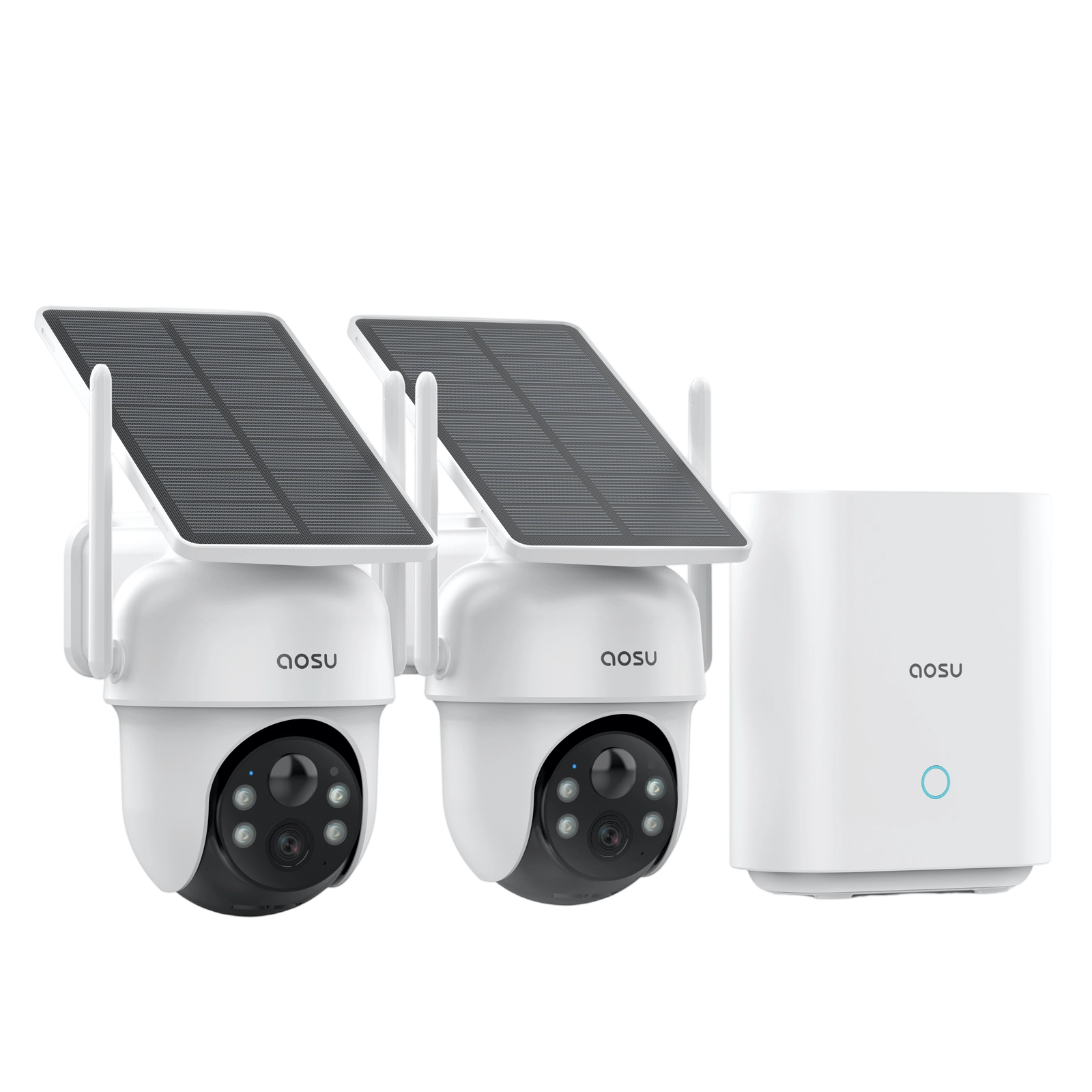
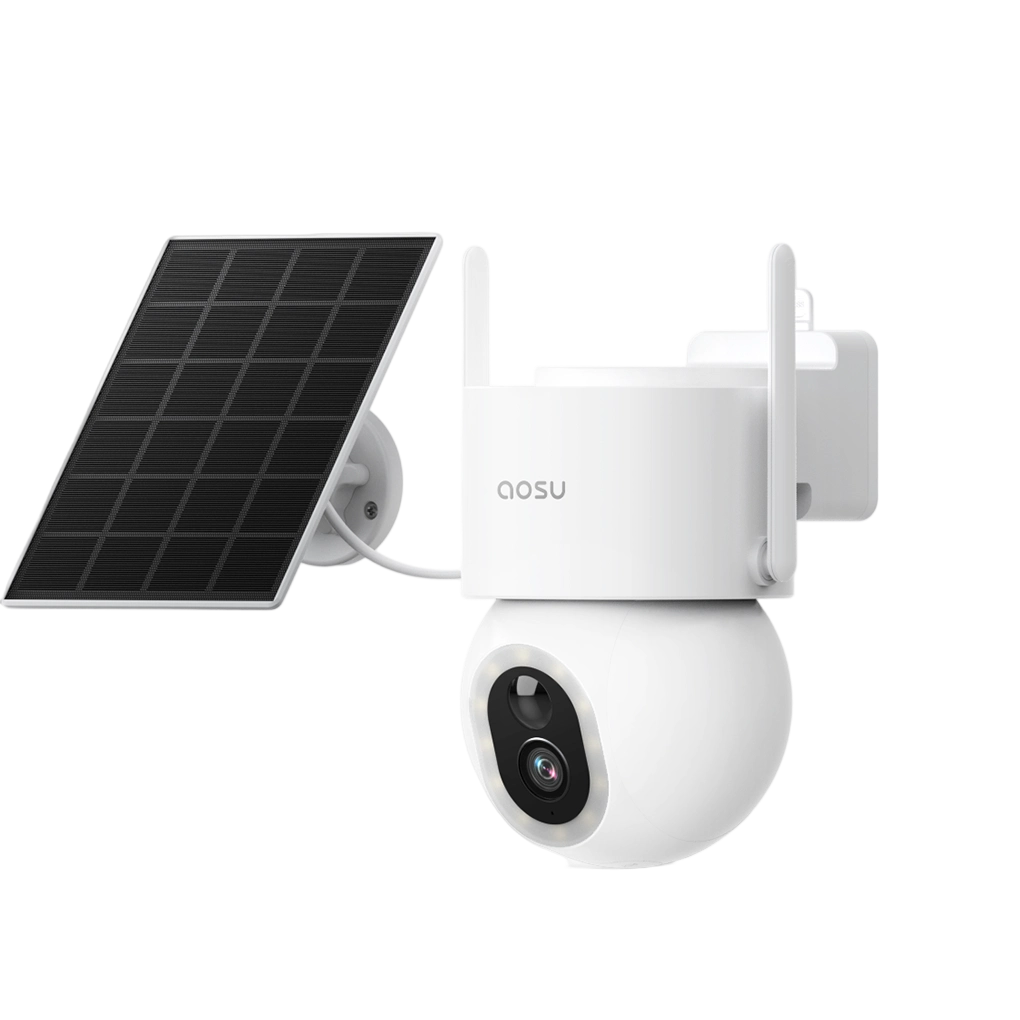
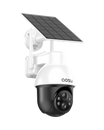
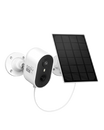
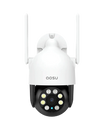
Outdoor security cameras offered by aosu meet all the above needs, ensuring comprehensive coverage and reliability. Additionally, aosu offers solar-powered models, which provide an eco-friendly power solution, and floodlight models that enhance visibility and security. With these advanced features, aosu cameras are an excellent choice for ensuring the safety of your home and family.

How to Establish a Safe Neighborhood Environment for Your Children
Creating a safe neighborhood environment is a collective effort. Here are key strategies to achieve this:
1. Build a Sense of Community
Get to know your neighbors and build relationships with them. Participate in neighborhood events to foster camaraderie. A close-knit community is more likely to look out for each other.
2. Establish a Community Watch Program
Collaborate with neighbors to set up a community watch program. Regular meetings can help discuss safety concerns and share information. A collective sense of responsibility deters potential criminals.
3. Improve Neighborhood Infrastructure:
Ensure streets and sidewalks are well-lit. Encourage maintenance of public spaces, such as parks, to eliminate hazards. Safe, well-maintained areas promote outdoor play and community bonding.
4. Teach Children About Safety
Educate your children about the dangers of interacting with strangers and establish safe routes for walking. Encourage them to travel in groups and avoid isolated areas.
5. Promote Communication and Reporting
Create an environment where residents feel comfortable reporting suspicious activities. Use social media groups or email lists for quick information sharing.
By implementing these strategies, you can create a safer neighborhood environment where children can grow and thrive securely.

How to Create a Balanced Approach to Monitoring
While monitoring is essential for safety, it is equally important to strike a balance that respects your child's independence and privacy. A balanced approach involves encouraging open communication, setting clear guidelines, and modeling safe behavior.
1. Encourage Open Communication
Open communication is the foundation of a trusting relationship between parents and children. It helps children understand the importance of safety measures and fosters cooperation.
2. Building a Trusting Relationship
Explain the reasons behind monitoring and safety practices.
Listen to your child's concerns and address them empathetically.
3. Discussing Safety Measures
Have regular conversations about safety rules and why they are necessary.
Involve children in the decision-making process to give them a sense of ownership.
4. Set Clear Guidelines
Establishing clear guidelines helps children understand expectations and boundaries. Consistency and enforcement of these rules are crucial for effective monitoring.
5. Establishing Rules for Indoor and Outdoor Activities
Create specific rules for various activities and environments.
Ensure that rules are age-appropriate and easy to understand.
6. Consistency and Enforcement
Consistently enforce rules to reinforce their importance.
Use positive reinforcement to encourage compliance and responsible behavior.
7. Model Safe Behavior
Children learn by observing their parents. Modeling safe behavior is an effective way to teach them about safety and responsibility. So, as parents, you should demonstrate safe practices in your daily activities and show your child how to follow rules and use safety tools correctly.
8. Involving Kids in Safety Planning and Decision-Making
Encourage children to participate in safety planning for your home.
Discuss potential hazards and brainstorm solutions together.

Conclusion
Monitoring your kids' activities is a crucial aspect of ensuring their safety both inside and outside the home. By using the right tools, adopting effective strategies, and fostering open communication, you can create a secure environment for your children. Remember, the goal is to find a balance that respects their independence while ensuring their well-being. With vigilance, trust, and cooperation, you can keep your children safe and help them develop into responsible and confident individuals.
FAQs
What are the best indoor child monitoring devices for safety?
The best indoor child monitoring devices include cameras, motion sensors, and smart baby monitors. Place devices in common areas and bedrooms for real-time alerts. High-quality brands like aosu offer reliable monitoring, giving parents peace of mind while ensuring children stay safe at home.
What are the most effective outdoor child monitoring solutions for safe play?
Outdoor child monitoring solutions include GPS-enabled wearables, smart fences, and motion alerts. These devices track location and provide instant notifications, allowing kids to play freely while parents stay informed. Outdoor safety technology ensures children are protected without restricting activity.
How do kids GPS tracking devices help ensure safety and peace of mind?
Kids GPS tracking devices allow parents to monitor real-time location, set safe zones, and receive alerts if children leave designated areas. These devices provide a quick response during emergencies, enhancing safety while giving parents confidence and peace of mind.
How can parents integrate child monitoring with home security systems?
Integrating child monitoring with home security combines cameras, sensors, and smart devices. Parents can track children indoors and outdoors, receive alerts, and coordinate monitoring with alarm systems. Solutions from trusted providers like aosu make this seamless and effective.
What are the best child safety monitoring apps for modern parents?
Child safety monitoring apps provide location tracking, activity updates, and communication tools. Apps allow parents to receive instant notifications, set geofencing alerts, and check in on kids remotely, ensuring safety without constant supervision.
Which school child monitoring tools help track everyday safety?
School child monitoring tools include GPS trackers, attendance alerts, and secure check-in systems. These tools help parents monitor children during commutes, activities, and school hours, keeping kids safe while providing real-time updates.
How can parents monitor kids online activity safely and effectively?
Monitoring kids online activity uses parental control software, activity alerts, and content filters. Parents can track screen time, block harmful sites, and teach responsible usage. Balanced monitoring protects children’s digital experience while encouraging safe online habits.
What are the top emergency alert devices for children to ensure safety?
Emergency alert devices for children include panic buttons, smart wearables, and mobile alerts. These devices provide instant notifications during danger or emergencies, allowing quick parental response. They are essential tools for child safety at home, school, and public spaces.


Leave a comment
This site is protected by hCaptcha and the hCaptcha Privacy Policy and Terms of Service apply.