Have you ever asked yourself,
“Are there cameras in theatres?” It’s a common question, and the short answer is yes—most movie theaters do use cameras. But they’re not there to spy on you during a film. Instead, theaters install cameras in public areas like lobbies, ticket counters, and hallways to prevent theft, catch rule-breakers, and respond to emergencies. Cameras also help staff handle lost items, monitor crowd flow, and make sure employees follow proper procedures. In this guide, we’ll explain where cameras are placed, what kinds are used, what the law says, and how theaters use them the right way. Also check out our
hot sellers from the last
30 days:
Two-Way Audio Cameras
Is It Legal to Install Cameras in Theaters?
Yes, it’s legal for most theaters to install security cameras—but there are important rules to follow. Movie theaters are considered “semi-public spaces”, meaning they are open to the public but still managed by a private business. Because of this, theaters are allowed to use cameras for safety and operational reasons, as long as they don’t violate anyone’s privacy.
To stay legal and respectful, theaters should:
• Avoid placing cameras in private areas like restrooms, dressing rooms, or nursing rooms.
• Post clear signs letting visitors know that video surveillance is in use. This kind of transparency helps avoid misunderstandings and builds trust with customers.
• Never record audio secretly, especially without consent. In many countries and states, recording sound without permission is illegal—even if video is allowed.
So while security cameras are commonly used in theaters, they must be placed carefully and used responsibly. The goal is to keep people safe, not to invade their personal space.
Where Are Cameras Usually Installed in Theaters?
While theaters may seem dark and private, surveillance is a standard part of modern cinema operations. Cameras are typically placed in public, high-traffic, or security-sensitive areas—not focused on the audience watching the film. Here’s where they’re most commonly found:
• Ticket counters and self-service kiosks: Cameras are placed above or near ticket booths and machines to monitor for fraud, such as fake payments, reused tickets, or disputes during transactions. This also helps resolve issues when customers claim they didn’t receive their tickets.
• Main entrances and security checkpoints: To ensure safety from the moment people enter, theaters often install cameras at entry points. These cameras capture who comes in and out, monitor for unauthorized access, and help detect any suspicious behavior early—especially during crowded events.
• Concession stands and snack bars: Because these areas involve cash handling and long lines, cameras help deter theft, monitor staff transactions, and ensure smooth operation. Footage can also help resolve complaints about incorrect orders or payments.
• Hallways and areas outside restrooms: These are high-traffic zones where issues like arguments, accidents, or vandalism may occur. Cameras here ensure quick response while maintaining privacy, as they’re never placed inside restrooms or changing areas.
• Entrances to screening rooms and major walkways: Surveillance at theater doors tracks who enters or exits each screening room, helps prevent theater-hopping (watching multiple movies without paying), and assists in evacuations or emergency responses.
• High corners inside some screening rooms (rare): In certain cases, theaters may install infrared cameras high up on back walls to detect illegal activities like video recording (piracy) or disruptive behavior. These cameras don’t focus on faces or general audience behavior—they’re there strictly for safety and legal compliance.
Overall, theater cameras are designed to protect people and property, not to invade privacy. Surveillance stays in public spaces, and any monitoring inside screening rooms is limited, rare, and highly regulated.
What Types of Cameras Are Used in Movie Theaters?
Movie theaters face unique challenges when it comes to surveillance. They’re large, often dimly lit, and filled with people moving in different directions. That’s why theaters use a mix of camera types to cover different areas effectively.
Here are the most common types:
• Infrared (night vision) cameras: These cameras can see clearly in low light or complete darkness, which makes them ideal for areas like theater entrances or even inside screening rooms (in rare cases). They detect shapes and movement without needing visible light.
• Wide-angle cameras: Used in places like lobbies and ticket halls, these cameras capture a large area in one frame. They’re great for watching crowds, lines, or general foot traffic without needing multiple devices.
• Pan-Tilt-Zoom (PTZ) cameras: These cameras can rotate in all directions and zoom in on specific activity. They’re often used in security control rooms where a person can move the camera in real time to follow movement or focus on suspicious behavior.
• AI-powered cameras with human detection: These smart cameras can tell the difference between people and other motion (like shadows or objects). They can also detect crowding, loitering, or abnormal behavior—helping security teams react faster to issues.
Because lighting in theaters is often dim and spaces are large, it's important to choose the right type of camera for each area. In the next section, we’ll look at the kinds of camera features that work best in theater environments—and what you should consider before choosing one.
How to Tell If a Theater Has Cameras
Curious if your local movie theater is using surveillance cameras? While cameras are often discreet, there are a few clear signs that can help you figure it out. Here’s how to tell:
1. Look around ceilings, corners, and entrances
Most surveillance cameras are installed in high, out-of-the-way spots—like ceiling corners, above entrance doors, or along hallway walls. Keep an eye out for black dome cameras, small box-shaped devices, or units attached to metal brackets. In some theaters, cameras may be tucked behind dark glass covers that blend in with the decor, especially in modern or upscale cinemas.
2. Check for visible signage or notification stickers
By law or company policy, many theaters are required to notify customers about active surveillance. Look for signs near the main entrance, at the ticket counter, or near the concessions stand. Common messages include “Video Surveillance in Use” or “For Your Safety, This Area Is Monitored by CCTV.” If you see these signs, it’s safe to assume cameras are present—even if they’re hard to spot.
3. Look for small infrared lights or blinking indicators at night
Some surveillance cameras—especially those with night vision—emit faint red or blinking infrared (IR) lights in low-light conditions. In a dark theater hallway or during late shows, you might spot these tiny dots above doors or near the ceiling. These IR indicators are usually not visible during the day, but they can reveal where hidden cameras are placed.
4. Ask a staff member directly
If you’re unsure or just want peace of mind, don’t hesitate to ask. Most theater employees are trained to answer questions about security and can explain where cameras are located and why they’re there. Many theaters are open about their monitoring policies and will gladly reassure you that cameras are placed only in public, non-sensitive areas.
By combining these simple checks, you can get a clearer picture of how a theater handles surveillance. While cameras are common, responsible theaters use them with clear boundaries—and often, with your safety in mind.
Best Camera Solutions for Movie Theaters
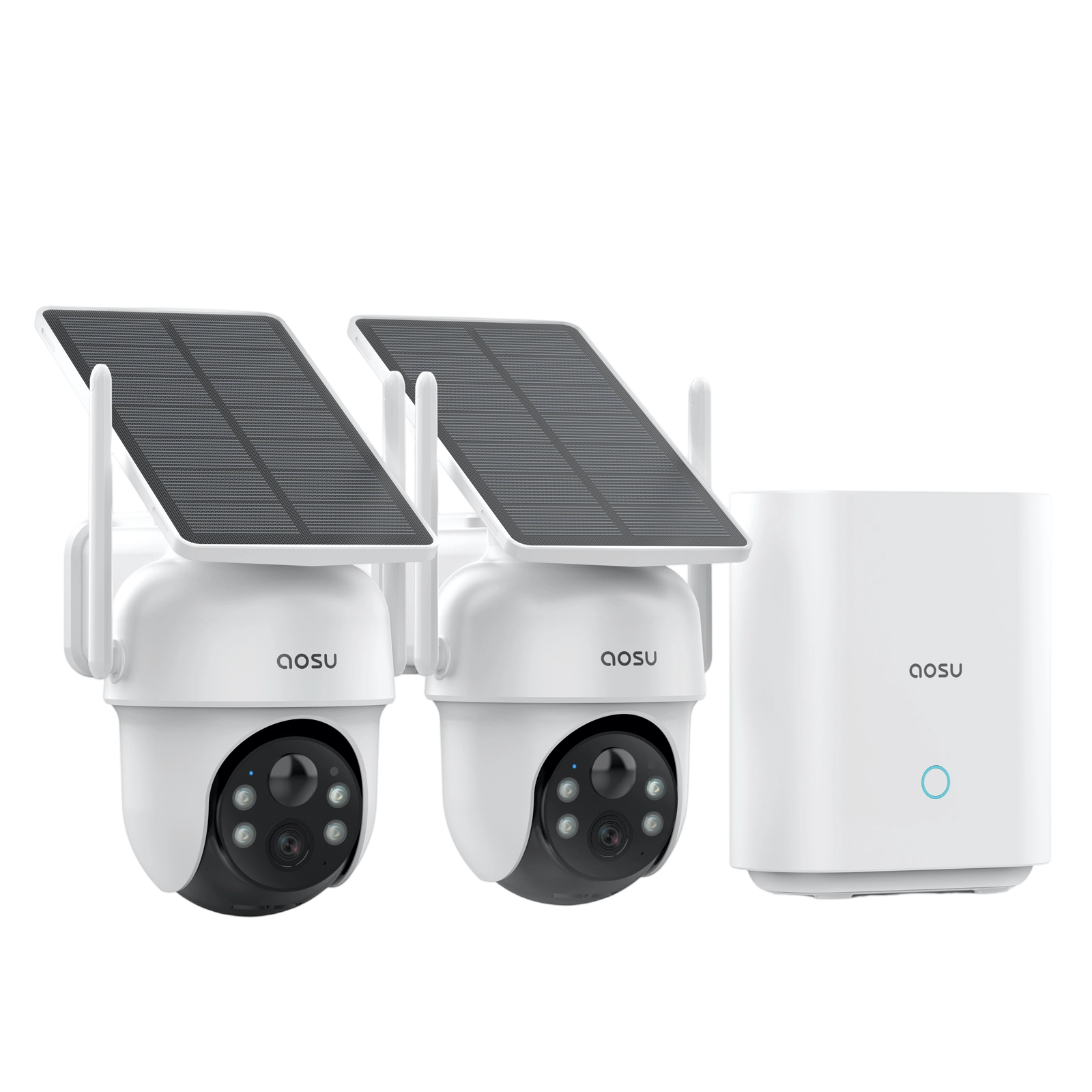
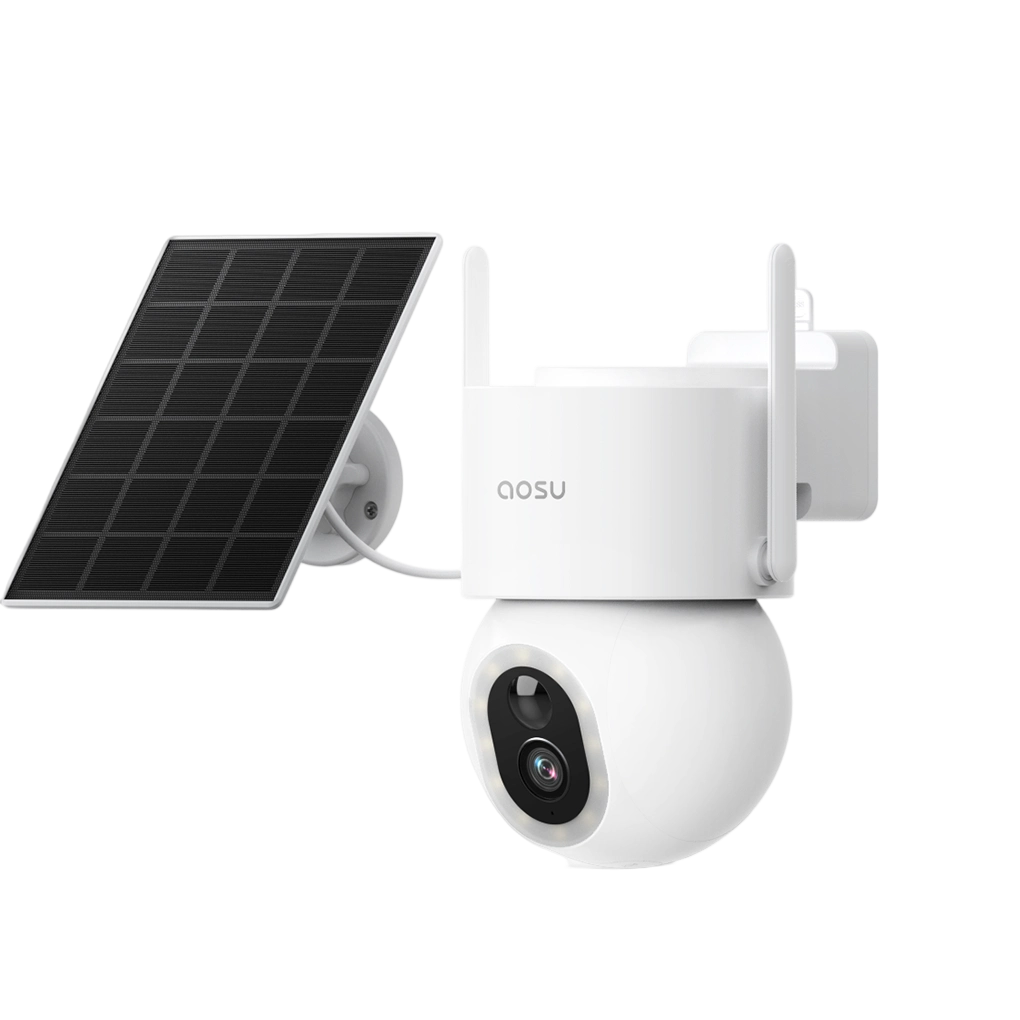
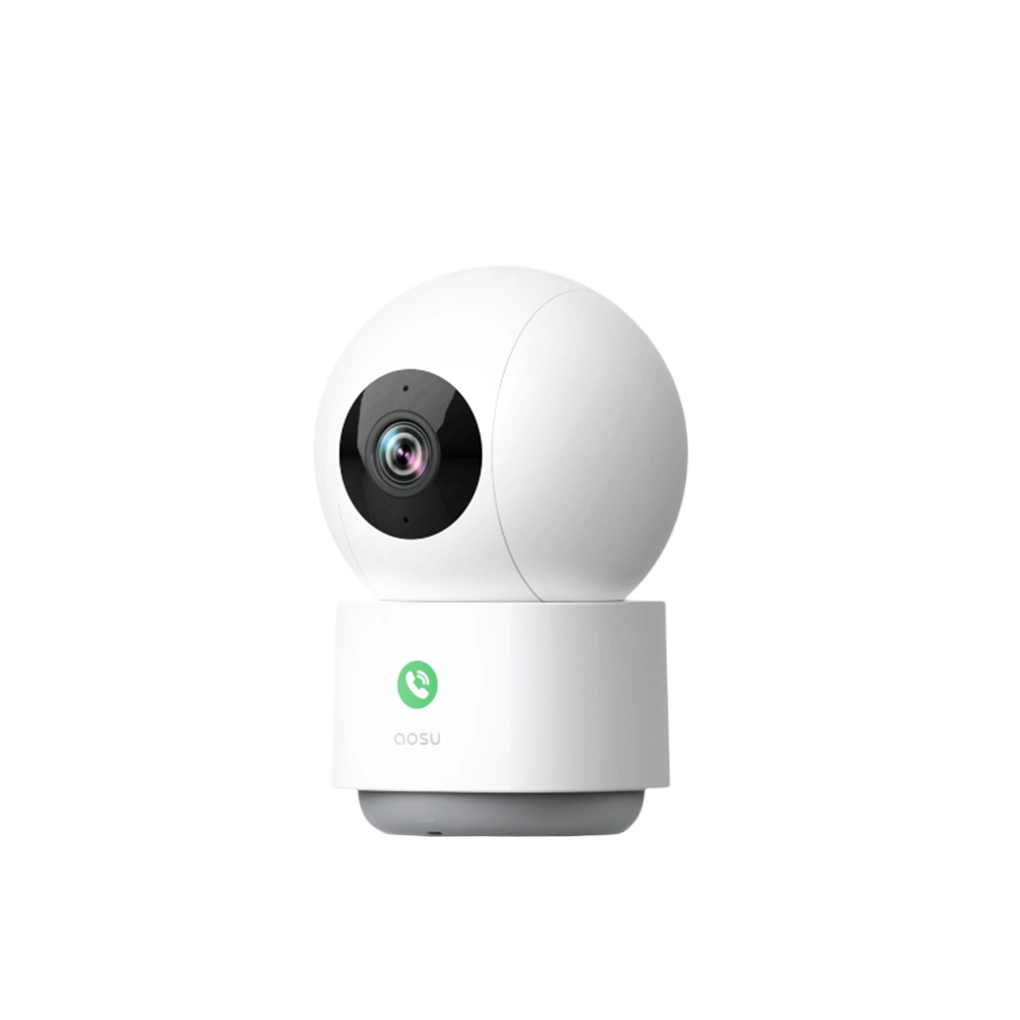
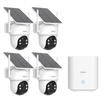
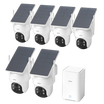
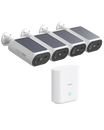
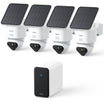
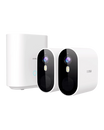
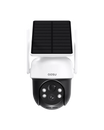
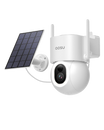
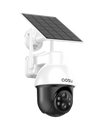
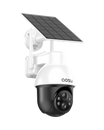
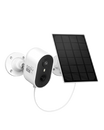
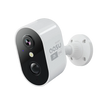
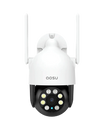
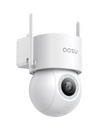
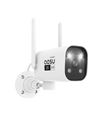
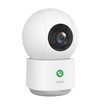
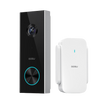
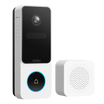
Movie theaters require surveillance cameras that can handle low lighting, wide coverage, and constant activity. Whether you’re monitoring the entrance, lobby, or hallway, choosing the right camera ensures both safety and efficiency. Here are some top recommendations from aosu, tailored for both indoor and outdoor use in theater environments:
|
Camera Model
|
Best For
|
Key Features
|
|
|
Lobbies, hallways, exits
|
- 2K QHD resolution - AI human tracking - Enhanced night vision - Two-way audio and privacy zone support
|
|
|
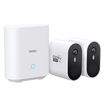
Ticket counters, staff areas
|
- 1080p HD video - Motion detection alerts - Compact and budget-friendly - Ideal for smaller indoor spaces
|
|
|
Entrances, parking areas
|
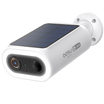
- 4MP resolution - Strong night vision with spotlight - Solar-powered and weatherproof - Easy wire-free installation
|
|
|
Outdoor exits, perimeter zones
|
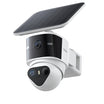
- 4K Ultra HD video - AI motion detection - 360° coverage - Solar-charged for round-the-clock security
|
With advanced features like smart detection, clear night vision, and wireless solar power,
aosu cameras are built to support modern theaters—keeping both guests and staff protected, day and night. You can explore more at
aosulife.com.
Conclusion
While some moviegoers may feel uneasy about surveillance, the use of cameras in theaters is both legal and valuable—when done responsibly. From deterring theft to ensuring crowd safety, video monitoring plays a key role in keeping theater environments secure. That said, it’s essential for cinema operators to follow local laws, avoid private spaces, and be transparent with customers about where and why cameras are used.
For theaters looking to upgrade their security without compromising privacy, aosu offers smart, high-definition surveillance solutions designed for real-world conditions. With features like night vision, AI-powered alerts, and easy installation, aosu cameras help build safer, more efficient cinema spaces from the lobby to the parking lot.
FAQs
Are Cameras Installed in Movie Theatres?
Yes, cameras are installed in movie theatres primarily for safety and security. They monitor entrances, exits, and auditoriums to prevent theft, vandalism, and disturbances. While most cameras are discreet, they help theatres maintain a secure environment. Some systems, like those used by aosu, combine AI monitoring to detect unusual activity efficiently.
How Do Security Cameras Work in Cinemas?
Security cameras in cinemas use a combination of high-definition video, motion detection, and AI analytics to monitor activity. They capture live footage, which can be reviewed for incidents or suspicious behavior. Cameras may be placed at entrances, exits, and common areas to ensure safety and prevent theft while respecting audience privacy.
Do Theatres Record Their Audiences and Why?
Most theatres do not actively record audiences, except in lobby or security-sensitive areas. Recordings, when they occur, are used to protect patrons, prevent vandalism, or resolve disputes. Cameras are typically monitored in real-time rather than stored long-term, balancing safety with privacy concerns.
What Are the Privacy Concerns with Cameras in Theatres?
Privacy concerns with cameras in theatres revolve around potential unauthorized recording or monitoring. Cinemas generally focus cameras on public spaces, not individual patrons, ensuring safety without infringing privacy. Policies and legal frameworks guide their use, ensuring compliance. Choosing theatres with transparent surveillance practices, like those recommended by aosu insights, reduces risk.
What Types of Cameras Are Used in Theatres?
Theatres use CCTV, IP, and dome cameras to cover auditoriums, lobbies, and entrances. Some venues integrate AI-powered monitoring to detect unusual behavior or overcrowding. Cameras vary from visible deterrents to discreet devices, all designed to maintain safety, manage crowds, and protect property efficiently.
What Are the Laws About Using Cameras in Theatres?
Laws about cameras in theatres require clear signage, restricted recording in private areas, and compliance with local privacy regulations. Cinemas must inform patrons if surveillance occurs and ensure footage is used only for security purposes. Legal frameworks prevent misuse, protecting both audience privacy and theatre property.
How Do Cameras Improve Safety in Theatres?
Cameras improve safety in theatres by deterring theft, monitoring crowd behavior, and enabling quick responses to emergencies. They allow staff to identify potential hazards or conflicts without invading privacy. Many modern theatres integrate AI-enhanced monitoring to ensure safety while maintaining a comfortable viewing experience.
Are Theatre Cameras Always Recording?
Not all theatre cameras are always recording. Some function in live monitoring mode, capturing footage only when motion is detected or during incidents. Continuous recording is rare and typically limited to entrances or high-risk areas. This approach ensures safety while respecting audience privacy.











Leave a comment
This site is protected by hCaptcha and the hCaptcha Privacy Policy and Terms of Service apply.