



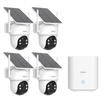
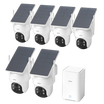
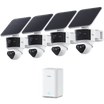
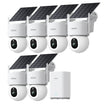
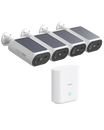
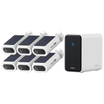
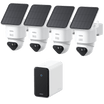
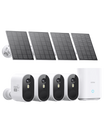

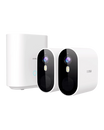
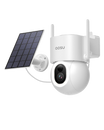
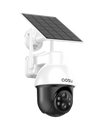
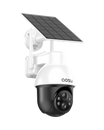
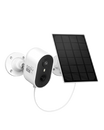
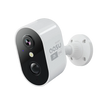
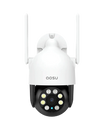
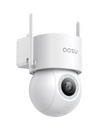
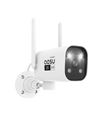

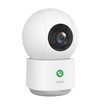
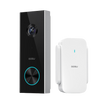
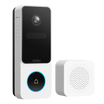
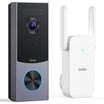
A neighbor's camera can make you feel watched, even when it is installed for ordinary home security. This guide explains the practical privacy issues to check, how to document your concern, and when to ask for help.

If your neighbor's security camera points toward your private property, it can feel uncomfortable fast. You may wonder whether they are allowed to record you, and what you can do without turning the situation into a bigger conflict.
The short answer is that ordinary outdoor security cameras are often allowed when they capture areas visible from the street or a neighbor's own property. The harder question is whether the camera is aimed in a way that invades a private area, records conversations, harasses you, or violates local rules.
This guide gives you a practical way to think through the problem. It is general information, not legal advice. Privacy, recording, HOA, lease, and local nuisance rules vary, so use this as a calm first step before checking the rules where you live.
The Short Answer
A neighbor can often use an outdoor security camera that records their property, driveway, porch, vehicles, or areas visible from a public street. That does not automatically mean they can aim a camera into a private space, record private conversations, trespass to install equipment, or use a camera to harass you.
What matters most is usually the camera's placement, what it captures, whether it records audio, whether the area is private, and whether the behavior is part of a repeated pattern.
If you are concerned, start by documenting what you can see, checking your local rules or HOA/lease terms, and having a calm conversation if it feels safe. Escalate only when there is a specific privacy, harassment, audio-recording, property, or rule issue.

What Usually Matters With a Neighbor's Camera
The question is not simply whether your property appears somewhere in the frame. Outdoor cameras can unintentionally capture sidewalks, driveways, yards, parked cars, and parts of neighboring homes.
The more important question is whether the camera is capturing something a person would reasonably expect to keep private, or whether the recording is being used in a targeted, intrusive, or unsafe way.
More likely to be ordinary security coverage:
|
More concerning and worth checking:
|
Public View Is Different From a Private Space
A front yard, driveway, or porch may feel personal, but parts of those areas can still be visible to neighbors, delivery drivers, pedestrians, or people on the street. That is why a camera catching some outdoor activity is not automatically a privacy violation.
Private spaces are different. A camera aimed into a bedroom, bathroom, changing area, enclosed private patio, or a window where people reasonably expect privacy is much more serious.
If you are trying to decide how concerned to be, ask: could a passerby normally see the same thing, or is the camera capturing something that would otherwise be private?
Audio Recording Can Change the Situation
Video and audio are not always treated the same way. A camera that records outdoor video may be one issue, while a device that records conversations can raise a different set of consent and privacy questions.
Audio-recording rules vary by state, country, and situation. Some places require consent from one party to a conversation, while others require all parties to consent. Because the rules vary, avoid making assumptions if you think a neighbor is recording conversations.
If audio is your main concern, document why you believe conversations are being recorded, check the device's visible features if you can do so from your own property, and look up the recording rules where you live.
What to Do If You Think Your Neighbor Is Recording You
The goal is to create a factual record before you escalate. That keeps the issue clearer and reduces the chance that a neighbor disagreement becomes the main problem.
Write down what you can observe: Note the camera location, the direction it appears to face, when you noticed it, and which part of your property concerns you.
Take photos from your own property: If it is safe and legal, take a few photos showing the camera placement and angle. Do not trespass, block the camera, or touch your neighbor's equipment.
Separate discomfort from a specific issue: It is valid to feel uncomfortable, but reports are easier to handle when you can explain the specific concern: window view, audio, harassment, trespass, HOA rule, or private area.
Check local rules or property rules: Look at city guidance, HOA rules, apartment lease terms, condo rules, or local recording laws. The right next step depends on where you live.
Start with a calm conversation if it is safe: Many issues are caused by careless camera angle rather than bad intent. A simple request to adjust the view or privacy zone may solve the problem.
How to Talk to Your Neighbor About the Camera
If the relationship is reasonably safe, a low-pressure conversation is often the fastest fix. Do not start by accusing them of spying. Start with the concrete part you want changed.
For example: I noticed your camera may be catching our side window. Would you be willing to adjust the angle or add a privacy zone? We understand you want to protect your home, but that part feels private to us.
If you prefer a note, keep it short and neutral. Mention the specific view, ask for a practical adjustment, and avoid legal threats unless you have already confirmed the rule.
When to Contact an HOA, Property Manager, Local Office, or Attorney
Escalation makes sense when the concern is specific and the neighbor will not address it, or when talking directly does not feel safe.
If you live in an HOA, condo, apartment, or managed community, start with the rulebook or property manager. They may have camera placement, exterior modification, nuisance, or privacy policies.
If the issue involves possible harassment, a camera pointed into private windows, audio recording, trespass, threats, stalking, or repeated intimidation, consider contacting the appropriate local authority or a qualified legal professional. If there is an immediate threat, use emergency services.
If You Use Your Own Security Camera, Avoid the Same Problem
This issue also matters in reverse. If you install your own outdoor camera, aim it at your doors, driveway, walkway, vehicles, packages, or the area you need to protect.
Avoid unnecessary views into a neighbor's windows, fenced private spaces, or areas that do not help with your security goal. If your camera supports privacy zones, use them. If it records audio, check whether audio should be disabled or disclosed in your area.
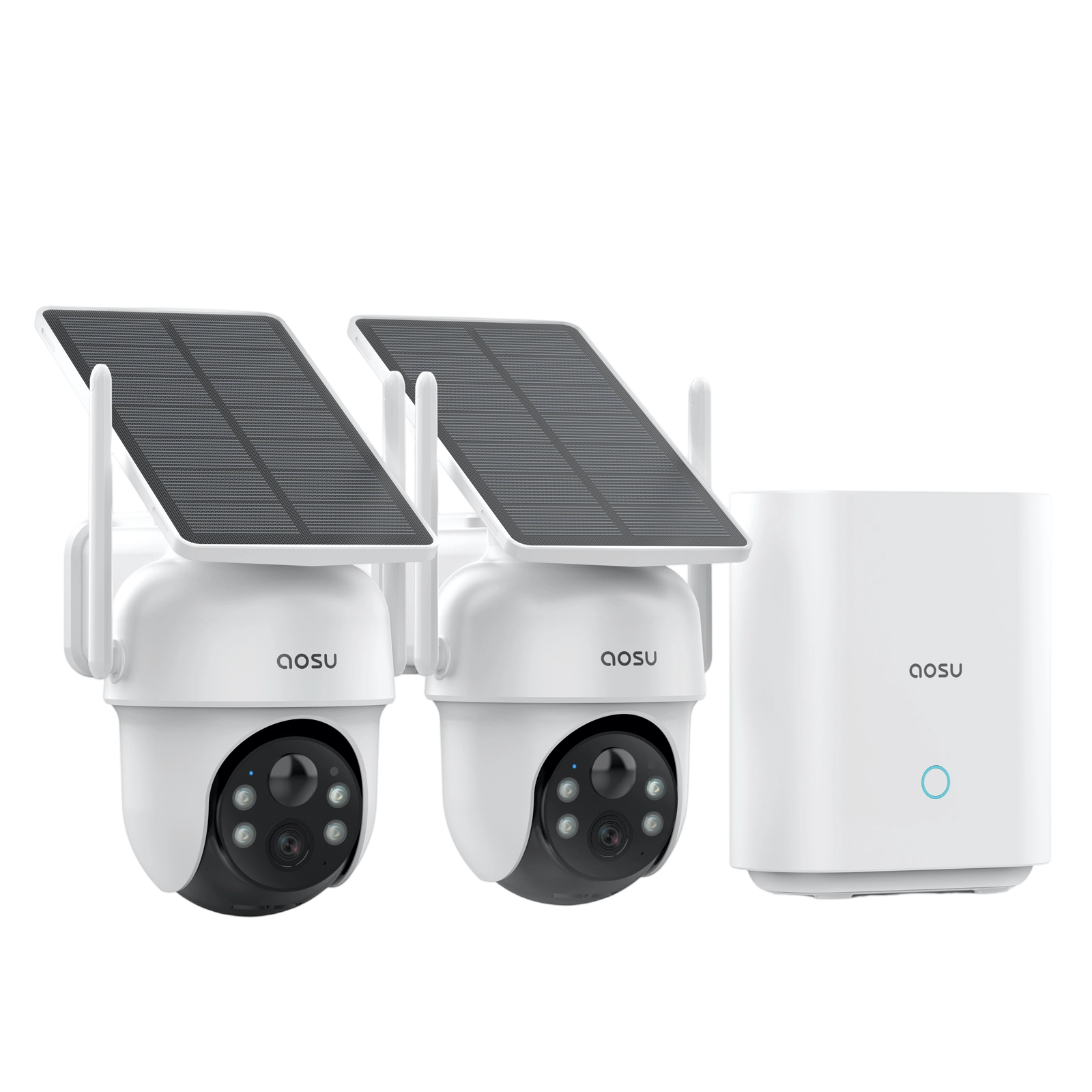
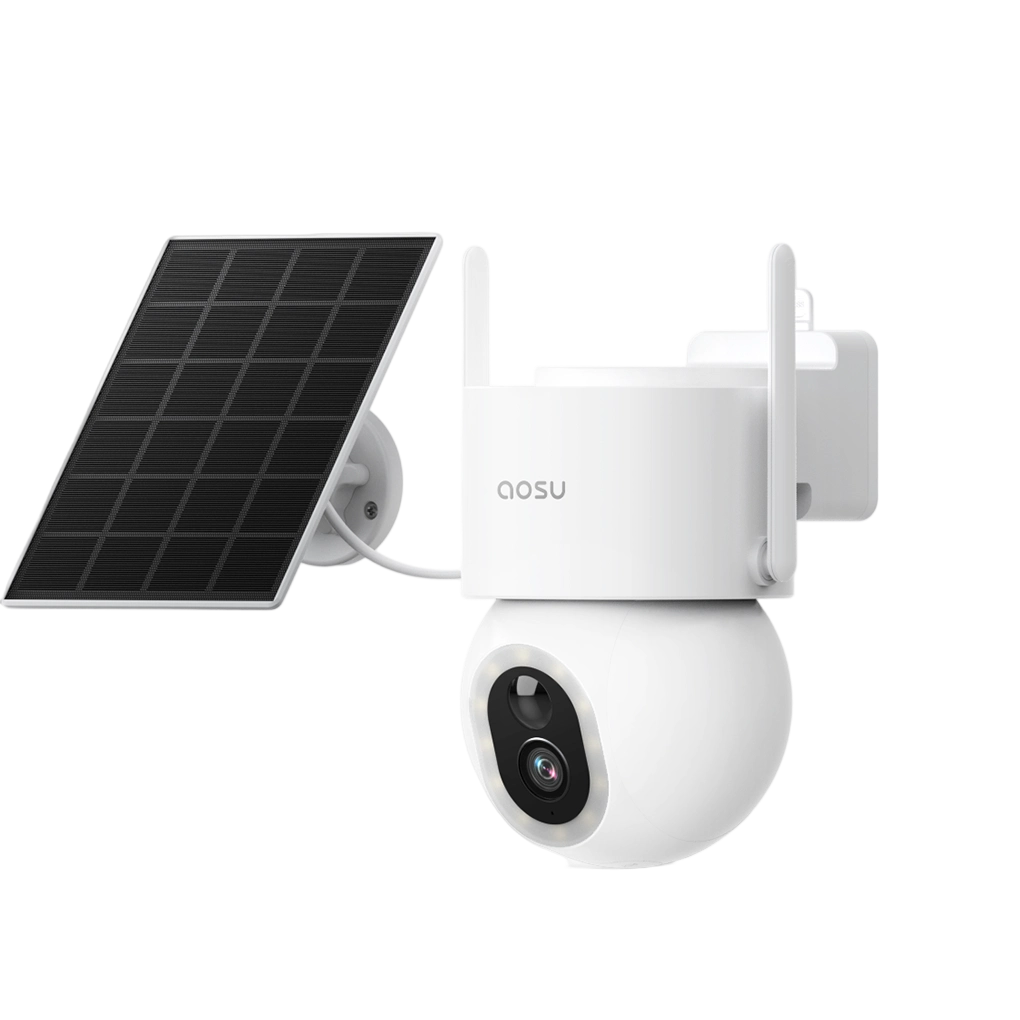
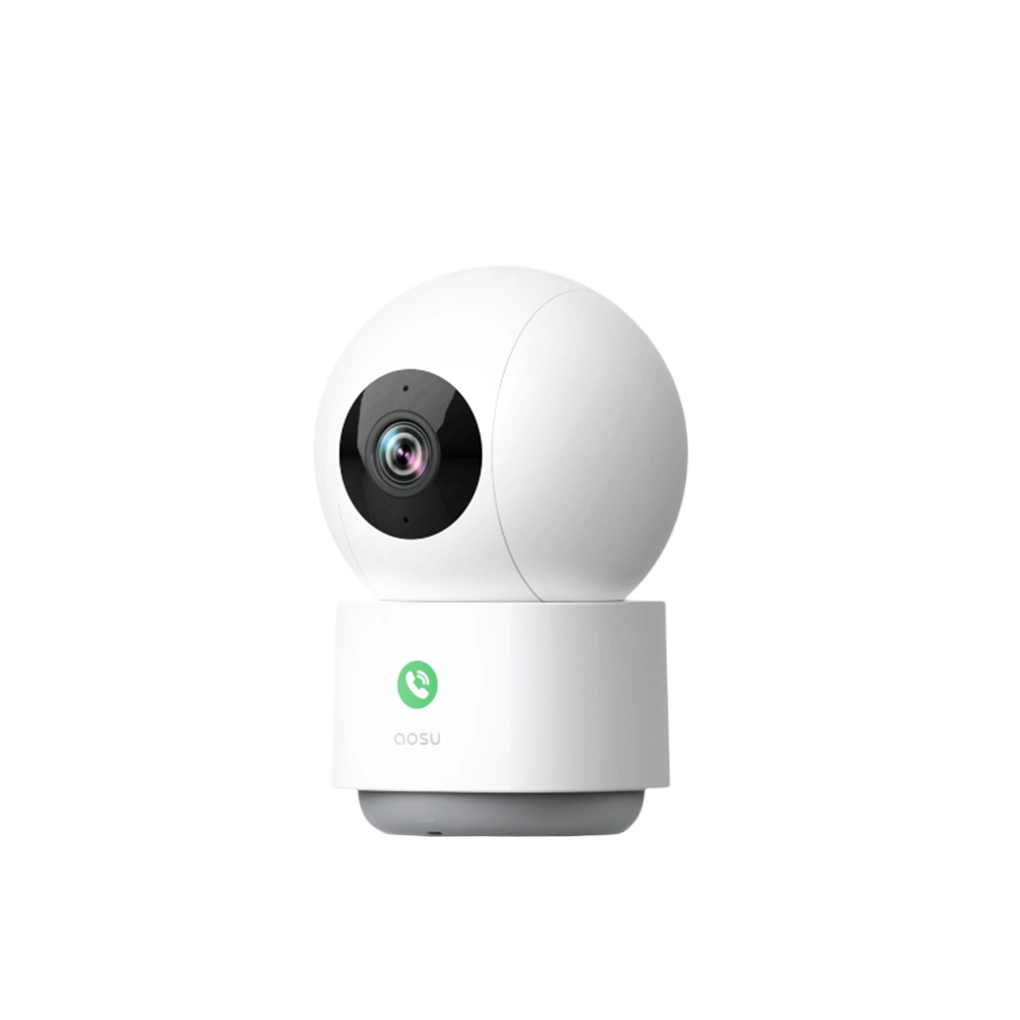
aosu note: Outdoor cameras and video doorbells can be useful for documenting activity around your home, but placement matters. A respectful setup protects your property while limiting what you capture from neighbors.

A respectful camera setup focuses on useful security areas while avoiding unnecessary views into a neighbor's private spaces.
Common Mistakes to Avoid
- Touching the camera: Do not move, physically cover, damage, or interfere with a neighbor's camera. That can create a separate problem for you.
- Assuming every outdoor recording is illegal: Outdoor camera views often overlap. Focus on private spaces, audio, harassment, trespass, or rule violations.
- Posting accusations online: Public accusations can make the dispute worse. Keep your documentation for the right reporting channel.
- Ignoring audio: If conversations are being recorded, that may raise different concerns than video alone. Check local rules instead of guessing.
- Skipping the simple fix: Sometimes the practical solution is a small angle change, privacy zone, fence screen, curtain, or property-manager request.
To Wrap Up
A neighbor's camera is not automatically illegal just because it captures part of your property. Outdoor security coverage often overlaps, especially around driveways, sidewalks, streets, and front yards.
The stronger concern is when a camera records a private area, captures conversations, is installed without permission, or becomes part of harassment. Start with facts, check the local rules, ask for a reasonable adjustment when safe, and escalate through the right channel when the issue is specific.
FAQ
Can my neighbor point a security camera at my house?
A neighbor may be allowed to use an outdoor camera that captures areas visible from their property or the street, but rules vary. A camera aimed into private spaces, used for harassment, or recording audio may not be allowed.
Can a neighbor record my backyard?
It depends on the layout and local rules. A small incidental view may be different from a camera aimed directly into a fenced or private area. Document the angle and check local, HOA, lease, or property rules.
Is it legal for a neighbor's camera to record audio?
Audio-recording laws vary by location and situation. If you believe private conversations are being recorded, check the consent rules where you live or ask a qualified local professional.
What should I do if a neighbor's camera points into my window?
Document the camera placement from your own property, ask for a camera adjustment or privacy zone if it is safe to do so, and contact an HOA, property manager, local authority, or legal professional if the issue continues.
Can I block my neighbor's camera?
Do not touch, cover, damage, or interfere with someone else's camera. You may be able to use curtains, blinds, screens, fencing, landscaping, or privacy film on your own property, but avoid anything that touches the neighbor’s property, creates unnecessary conflict, or violates local rules.


Leave a comment
This site is protected by hCaptcha and the hCaptcha Privacy Policy and Terms of Service apply.