














Temperature doesn’t just change how long your security camera battery lasts, it changes how the battery behaves.
If you’ve ever seen your battery suddenly drop in winter or noticed it performing worse after a hot summer, those are two very different problems caused by temperature.
Understanding that difference is the key to managing battery life properly.
What Temperature Actually Does to a Battery
Most security cameras use lithium-ion batteries, which rely on chemical reactions to store and release energy.
Temperature affects those reactions in two important ways:
- Cold slows them down → less power available right now
- Heat speeds them up → more long-term damage over time
So even though cold is the more noticeable problem, heat is the silent killer.

Cold Weather: Why Batteries “Lose Power” (But Recover Later)
What’s really happening
In cold temperatures, lithium-ion batteries don’t actually lose their charge, they just can’t deliver it efficiently.
Think of it like a river of honey powering a mill: everything still works, just more slowly.
This leads to:
- lower usable capacity
- voltage drops under load
- sudden percentage drops
Why your battery % suddenly drops
When your camera starts recording in the cold, it needs a burst of power.
If the battery can’t supply it quickly enough, the system may:
- report a lower battery percentage
- shut down earlier than expected
This is often misinterpreted as “battery drain,” but it’s really temporary performance loss
Important: Don’t charge a freezing battery
This is one of the most overlooked issues.
Charging a lithium-ion battery while it’s very cold (near or below freezing) can cause:
- lithium plating inside the battery
- permanent capacity loss
- long-term damage
Best practice:
- Bring the battery indoors before charging
- Let it warm up to room temperature first
Doing this can play a key role in protecting your battery lifespan.

Practical ways to reduce cold impact
- Mount cameras where they get some insulation (walls, under eaves)
- Avoid fully exposed, windy locations
- If removable, charge batteries indoors instead of outside
Hot Weather: Why Heat Permanently Wears Batteries Down
What’s really happening
Heat accelerates the chemical reactions inside the battery, not just during use, but all the time.
This leads to:
- faster breakdown of internal materials
- reduced total capacity over time
- increased internal resistance
Unlike cold, heat causes permanent damage.
How to notice the effects of a hot summer
Even if your camera seems to perform fine in hot weather, the battery may be aging faster in the background.
Over time, this shows up as:
- shorter time between charges
- faster drop from 100% to low battery
This is why batteries often feel mysteriously “worse” after a hot season
How to fight heat-related aging
A few small changes can make a real difference.
- Avoid placing cameras in direct sun all day
- Use shade from eaves, roofs, or nearby structures
- Mount on surfaces that don’t absorb heat (avoid dark metal when possible)
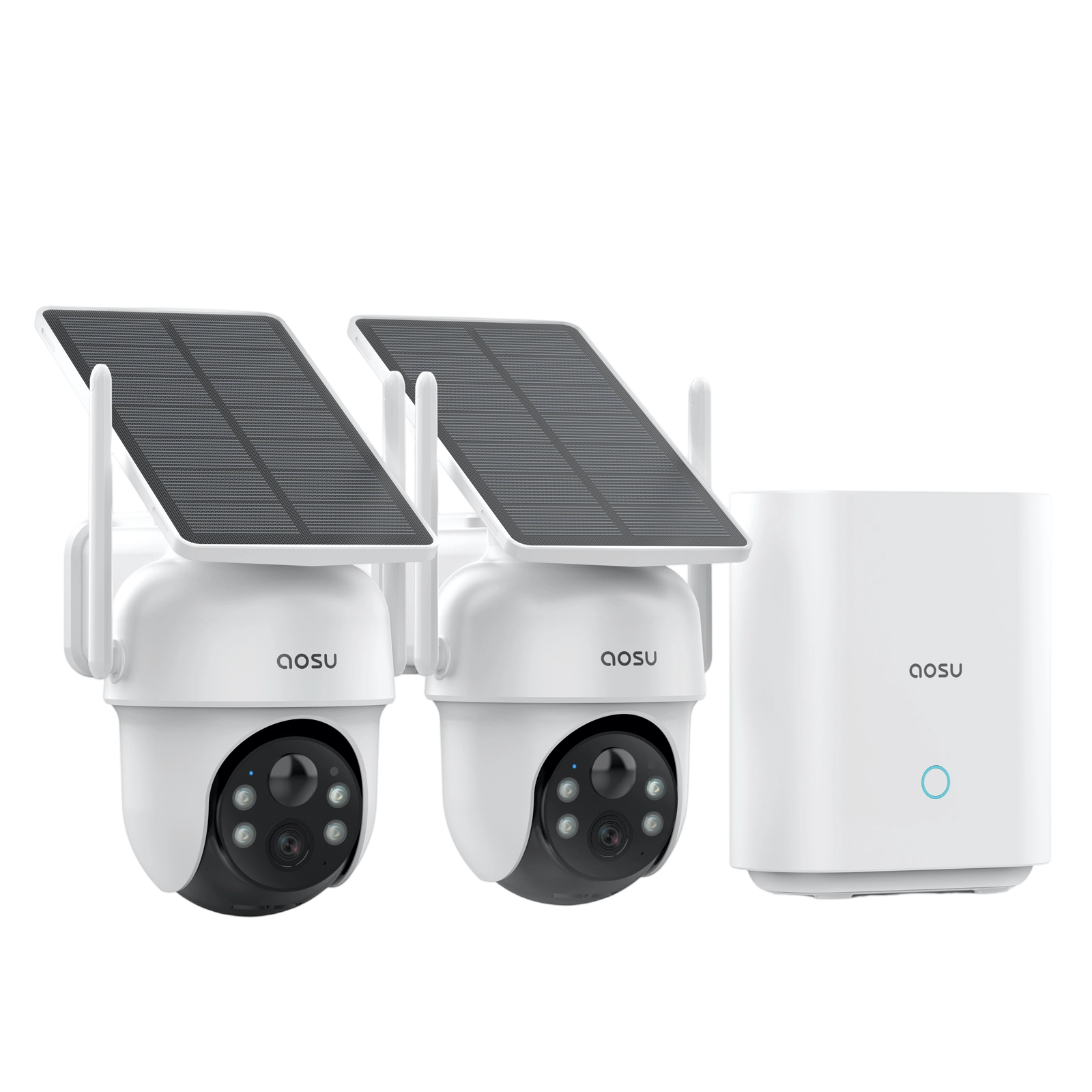
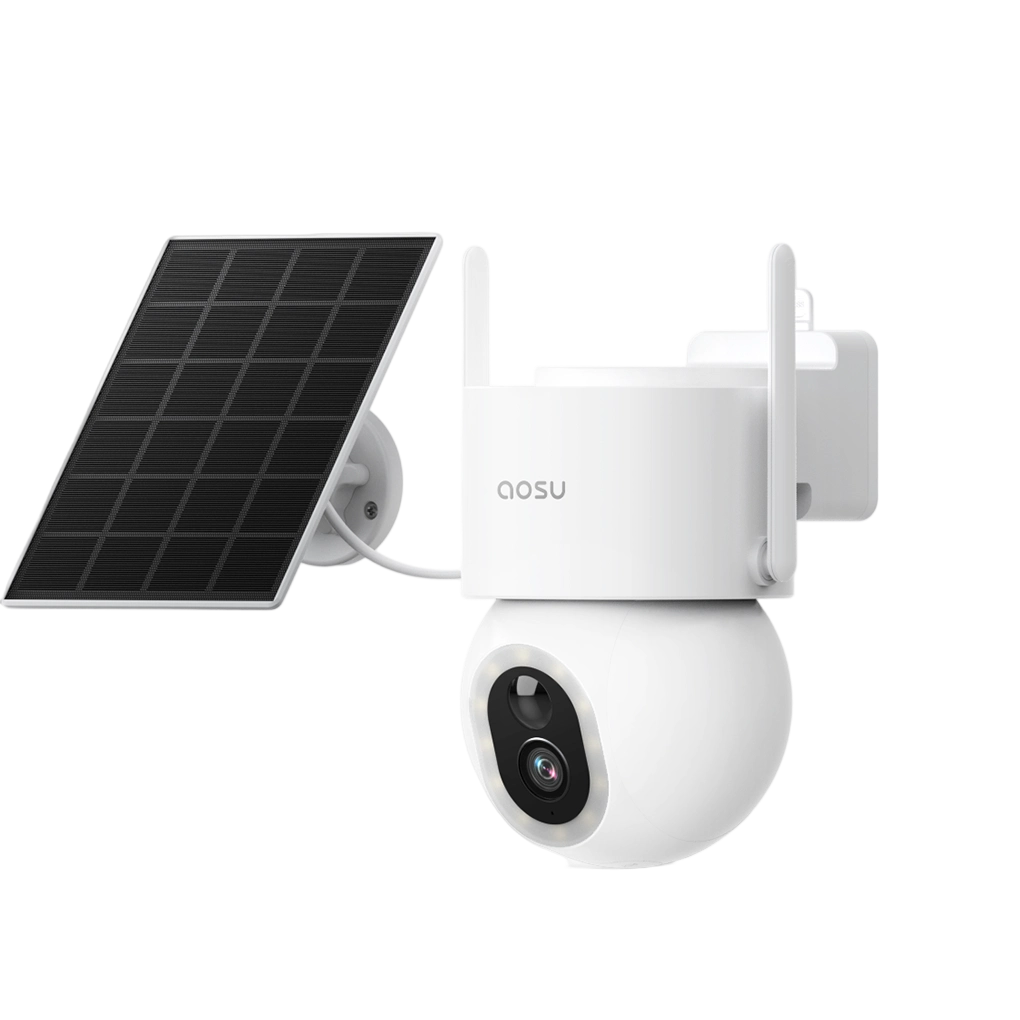
If using solar, consider cameras with detachable solar panels, which allow you to keep the camera in the shade while positioning the panel for direct sunlight.

Temperature + Charging: What to Watch For
Temperature matters most during charging and heavy use.
Avoid charging when:
- battery is near freezing
- battery feels extremely hot from sun exposure
Better approach:
- Charge at moderate temperatures (around room temp)
- Bring the battery or whole camera inside if needed
Good charging habits can matter as much as placement.
What Temperature Range Is Actually “Safe”
Most camera batteries perform best around:
60–75°F (15–24°C)
But perfect weather year-round isn't realistic. Better placement and charging practices can optimize performance during more extreme temperatures.
How Temperature Interacts With Other Factors
Temperature isn't a solitary consideration, it amplifies other issues.
For example:
- cold + frequent motion → much faster apparent drain
- heat + heavy recording → faster long-term degradation
If your battery is struggling, temperature should be considered along with other factors.
Quick Troubleshooting
- sudden drops in winter → likely cold-related
- gradual decline over months → likely heat-related
- fast drain in all conditions → likely settings, placement, or WiFi
Final Thoughts
Temperature doesn’t just affect battery life—it affects how the battery behaves over time.
- Cold limits performance in the moment
- Heat reduces lifespan in the long run
Understanding that difference helps you:
- avoid unnecessary damage
- charge more safely
- place cameras more strategically
And in many cases, small adjustments can make a bigger difference than changing settings.
If you’re dealing with consistently fast battery drain beyond temperature effects, see our guide on why security camera batteries drain fast for a step-by-step breakdown of other common causes and fixes.
FAQs
Does cold weather permanently damage camera batteries?
No. Cold temperatures temporarily reduce performance, but the battery usually recovers when it warms up.
Why does my battery drop suddenly in winter?
Cold reduces the battery’s ability to deliver power quickly, which can cause sudden drops in reported battery percentage.
Why does my battery drain faster in winter than summer?
In cold weather, the battery can’t deliver power as efficiently, especially during recording or motion events. This can make it appear to drain faster, even though the total charge hasn’t actually been lost.
Is it bad to charge a cold battery?
Yes. Charging a battery near or below freezing can cause permanent damage. Let it warm up to room temperature first.
Does heat permanently damage security camera batteries?
Yes. Long-term exposure to high temperatures accelerates battery aging and reduces its lifespan.


Leave a comment
This site is protected by hCaptcha and the hCaptcha Privacy Policy and Terms of Service apply.