




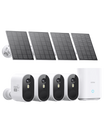






Vinyl siding isn’t structural, it’s a protective outer layer that can crack, warp, or loosen if you use the wrong mounting method.
This guide walks through the safest ways to install a security camera on vinyl siding — including when to drill, when not to, and how to avoid long-term damage.
Before You Start: Key Things to Know About Vinyl Siding
Vinyl siding:
- is thin and flexible
- expands and contracts with temperature
- is not designed to hold weight on its own
That means you should never drill into the siding alone to support a camera mount.
Instead, you’ll either:
- mount into the structure behind it
- or use a no-drill mounting solution
Best Ways to Install a Security Camera on Vinyl Siding
There are two main approaches depending on your situation.
Option 1 — Use a No-Drill Vinyl Siding Mount
This is the safest and easiest option.
Vinyl siding mounts are designed to hook into the seam between siding panels to support lightweight devices like security cameras and avoid drilling entirely.

Advantages
- no damage to siding
- quick installation
- removable and adjustable
Limitations
- may not support heavier cameras
- slightly less stable than permanent mounts
Usually the best option for:
- renters
- temporary setups
- users who want flexibility
Vinyl siding mounts come in many shapes and sizes to fit your specific siding, so they need to be purchased separately from your security camera. Detailed instructions for installing such mounts can be found with your chosen mount.
Option 2 — Drill Through the Siding into the Structure Behind
Vinyl siding covers sturdy structural parts of homes, which can be used for mounting.
For a heavier duty, more permanent installation, you can drill through the siding and into the solid surface behind it, such as studs, framing, and wood sheathing. Here’s how:
1. Gather the tools
Here are the basics tools needed for mounting a camera through vinyl into the structure behind.
- Long screws (extra length needed to reach through vinyl into material behind)
- Drill bit 3x diameter of screws (for drilling through vinyl)
- Power drill
- Driver bit
- Safety glasses
- Level
- Marker
- Exterior-grade sealant

Additional:
- A masonry drill bit for concrete or brick
- Screw anchors for concrete or brick
- A mounting block may be advisable for large, heavy security cameras
2. Choose location
Pick a spot that:
- has good camera coverage
- has sturdy structure behind the vinyl that can be drilled into
- avoids seams or edges where siding is weaker
Note: Additional tools such as a stud finder or siding remover may be needed if you do not know what is behind your vinyl siding.
3. Mark holes
Hold the mount in place and mark the screw locations with a marker.
4. Drill carefully
- use a drill bit 3x wider than your screws for the vinyl siding
- drill slowly through the vinyl siding
- avoid applying too much pressure (vinyl can crack)
Note: If the structure behind the vinyl is brick or concrete, additional steps of pre-drilling with a masonry bit and adding anchors are needed.
5. Seal the holes
Use exterior-grade sealant in the screw holes you just drilled into the vinyl.
Vinyl siding is made to move, expand, and contract while protecting your home from water damage. Properly sealing holes prevents water intrusion and long-term damage behind the siding.
6. Insert screws
Place the mount and screw the screws through the sealant and into the structure behind. Tighten until mount is secure, avoid overtightening.
Note: For additional weatherproofing, apply sealant around mounting bracket edges.

Common Mistakes to Avoid:
Drilling into siding only
Vinyl siding is not made to support weight on its own.
This leads to loose mounts, cracking, and long-term failure. It also exposes your home to additional water damage risk.
Skipping sealant
Even small holes can allow water behind the siding, which can cause mold, wood rot, and insulation damage.
Overtightening screws
Vinyl is made for slight movement.
If you overtighten or don’t leave additional space for flexible sealant in the vinyl entry points, siding can warp and panels can buckle over time.
Mounting in unsupported areas
Make sure you are drilling into something solid like studs or sheathing, not just insulation or empty space behind siding.
When to Avoid Drilling Altogether
You should strongly consider no-drill options if:
- you’re renting
- the siding is older or brittle
- you don’t know what’s behind the siding
- you want to avoid potential water damage
In addition to no-drill mounting options, you should check if there are parts of your home without vinyl siding you could drill into instead, such as pillars or roof decking.
To Wrap Up
Installing a security camera on vinyl siding is simple if you follow one rule:
Never rely on the siding itself for support.
Use a no-drill mount for convenience, or drill through to the structure behind the siding for a permanent solution.
Taking the time to install it correctly will help you avoid cracks, water damage, unstable mounting, and ensure your camera stays secure long-term.
FAQs
Will installing a security camera on vinyl siding ruin the siding?
Drilling into vinyl siding only and mounting the camera is likely to damage your siding and potentially cause more extensive damage to your home. Using a no-drill mount or correctly drilling into stable structure behind the siding can provide an alternative method that avoids damaging your home.
Is vinyl siding a good option for security camera installation?
Vinyl siding is not ideal for mounting anything as it is not made to hold weight on its own. Check if there are any acceptable mounting spots around your home that do not have vinyl siding or consider no-drill methods. If no other options are available, screwing the mount into stable structure behind vinyl siding can be a good solution when done correctly.
Do I need to hire a professional to install a camera on vinyl siding?
It is possible to install a camera mount on top of vinyl siding on your own, either with a vinyl siding mount or by drilling into the structure behind. However, these methods come with potential for damage and need to be handled with care. Hiring a professional may be worth the cost depending on your circumstances and level of expertise.

Leave a comment
This site is protected by hCaptcha and the hCaptcha Privacy Policy and Terms of Service apply.