






















When a car keeps taking the space near your home, it can feel personal. This guide explains how to separate legal curb parking from reportable parking problems, document what is happening, and respond without escalating the situation.

Residential street with a parked car near a driveway in front of a house
When the same car keeps parking in front of your house, it can feel personal fast. Maybe it blocks your view, makes it harder to back out, takes the curb space you normally use, or turns into a repeated neighbor problem.
The tricky part is that the space in front of a home is often public street parking, not a private spot. That does not mean you have no options. It means the best approach is to separate what is legal but annoying from what is actually reportable, then handle the problem calmly and with a record.
This guide walks through practical ways to deal with someone parking in front of your house, including when to talk to the driver, when to document the issue, when to contact parking enforcement, and how a security camera can help without escalating the situation.
The Short Answer
If someone parks legally on a public street in front of your house, you usually cannot force them to move just because the space is near your home. You may still be able to reduce the problem by talking to the driver, keeping a record, asking your city about permit or time-limit options, or improving your own driveway and curb visibility.
If the car blocks your driveway, parks in a no-parking zone, sits too close to a hydrant or crosswalk, appears abandoned, or violates local parking rules, treat it differently. Take clear notes, avoid confrontation, and report it through your city parking enforcement, 311 service, HOA, property manager, or non-emergency police line, depending on where you live.
The safest rule is simple: do not guess, threaten, block the car in, or create your own no-parking system. Check the local rule, document the issue, and use the right reporting channel.

Use a calm escalation plan: check the rule, document the pattern, report real violations, and use cameras for records rather than confrontation.
First, Know What You Can and Cannot Control
Before you act, figure out what kind of parking problem you actually have. A car parked legally on a public street is different from a car blocking your driveway or sitting in a restricted zone.
Local rules vary, so this is general guidance, not legal advice. If the problem is serious or ongoing, check your city parking rules or ask the appropriate local office.
You may have a reportable issue if the car:
|
Be careful if the car is simply:
|
Use a Calm Escalation Plan
The goal is not to win a parking argument. The goal is to solve the actual problem while protecting yourself from unnecessary conflict.
1.Confirm whether the parking is actually illegal: Look for posted signs, driveway blockage, hydrants, curb markings, permit-zone rules, street-cleaning schedules, or HOA restrictions before you report.
2.Start with a polite note or conversation if it is safe: If the car belongs to a neighbor or regular visitor, a calm note can work better than a complaint. Keep it short, specific, and focused.
3.Keep a simple record: If the issue repeats, note down the date, time, vehicle details, location, and what the car was blocking or violating.
4.Report through the right channel: For illegal parking, use parking enforcement, 311, an HOA, a property manager, or a non-emergency police channel, depending on where you live.
5.Ask about long-term parking options: If the parking is legal but constantly disruptive, ask about residential permits, time limits, curb markings, driveway visibility improvements, or HOA options.
What to Document Before You Report
Good documentation makes your report easier to understand and reduces the chance of turning the issue into a personal argument.
1.Date and time: Record when the car appeared and how long it stayed, especially if a posted time limit is involved.
2.Exact location: Note the address, side of street, nearby driveway, crosswalk, hydrant, or sign.
3.What rule may be involved: Write down the reason you think it is reportable, such as blocking driveway, parked in no-parking zone, or over posted time limit.
4.Vehicle details: Record the make, model, color, and license plate if you can do so safely and legally.
5.Photos or video: Take clear photos or save short camera clips that show the vehicle and the parking problem. Avoid filming private areas you do not need to capture.

A simple record helps keep the issue factual if you need to contact parking enforcement, an HOA, or a property manager.
When to Contact Parking Enforcement
Contact parking enforcement when there is a specific rule or access problem. The most common examples are blocked driveways, no-parking zones, hydrants, disabled-access areas, abandoned vehicles, or posted time-limit violations.
Your city may use 311, an online form, a parking enforcement number, or a non-emergency police line. Some places require the property owner or resident to request enforcement for a blocked driveway. Others allow any resident to report certain violations.
When you report, keep the message factual: A vehicle is blocking my driveway at this address. A vehicle is parked in a posted no-parking zone near this location. A vehicle has not moved from this location for several days and may be abandoned.
Try not to frame it as a neighbor dispute unless the reporting channel asks for that context.
What to Do If the Parking Is Legal but Still a Problem
This is the frustrating middle ground. The car may be allowed to park there, but it still creates a daily problem for your household.
Talk to the person if you know them
|
Improve visibility and access
|
Ask about local parking programs
|
Use mediation for recurring tension
|
How a Security Camera Can Help
A security camera will not give you ownership of the curb, and it should not be used to intimidate someone. Its main value is documentation.
For parking problems, a camera can help show when a vehicle arrived, whether it blocked a driveway, whether it damaged property, or whether a pattern is repeating. That record can be useful when you contact parking enforcement, an HOA, a property manager, or your insurance company.
Aim the camera at your driveway, walkway, garage, or the part of the curb needed to show the issue. Avoid unnecessary views into neighbors' windows, yards, or private spaces. Use motion zones when available, save only the clips you need, and check local privacy and recording rules, especially if audio recording is enabled.
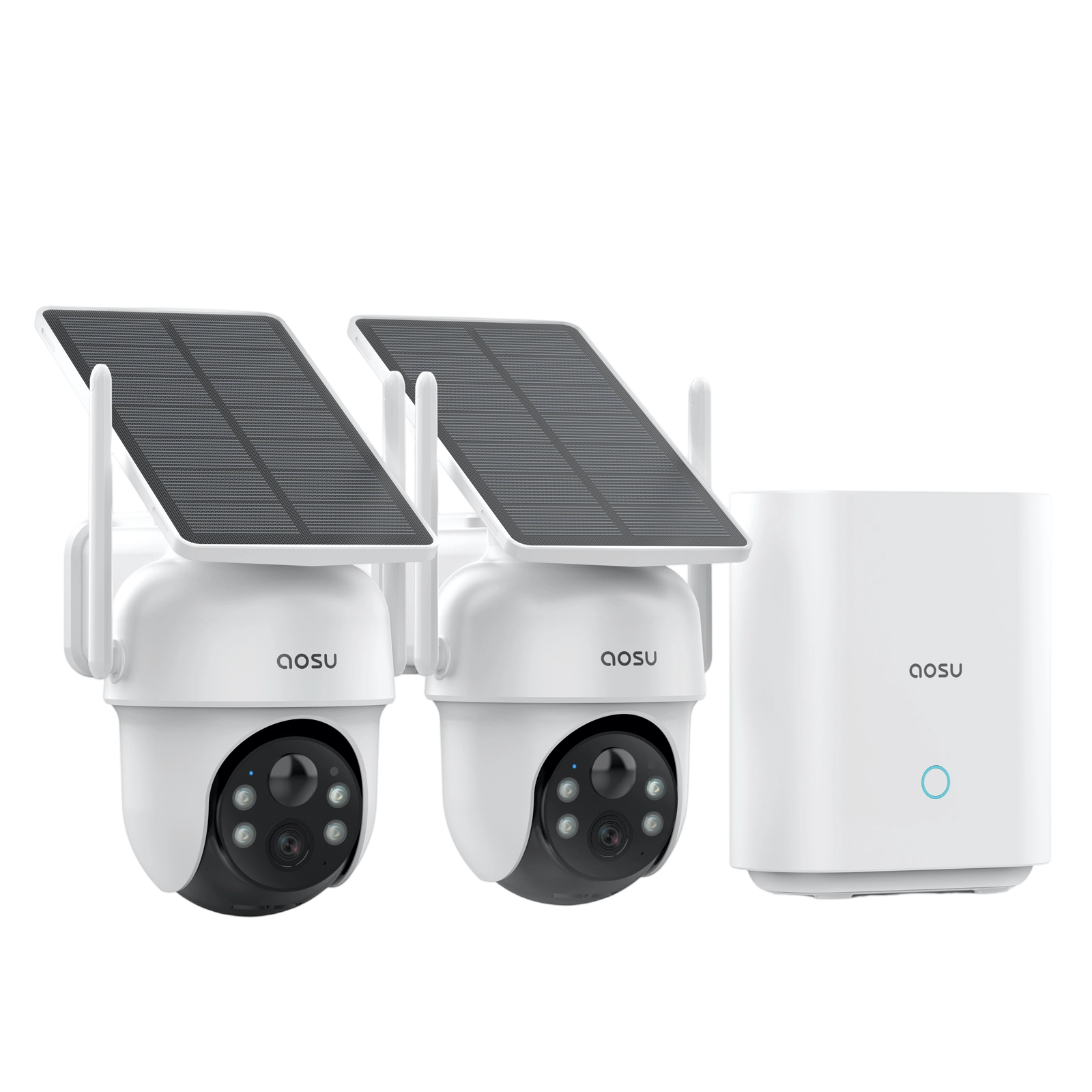
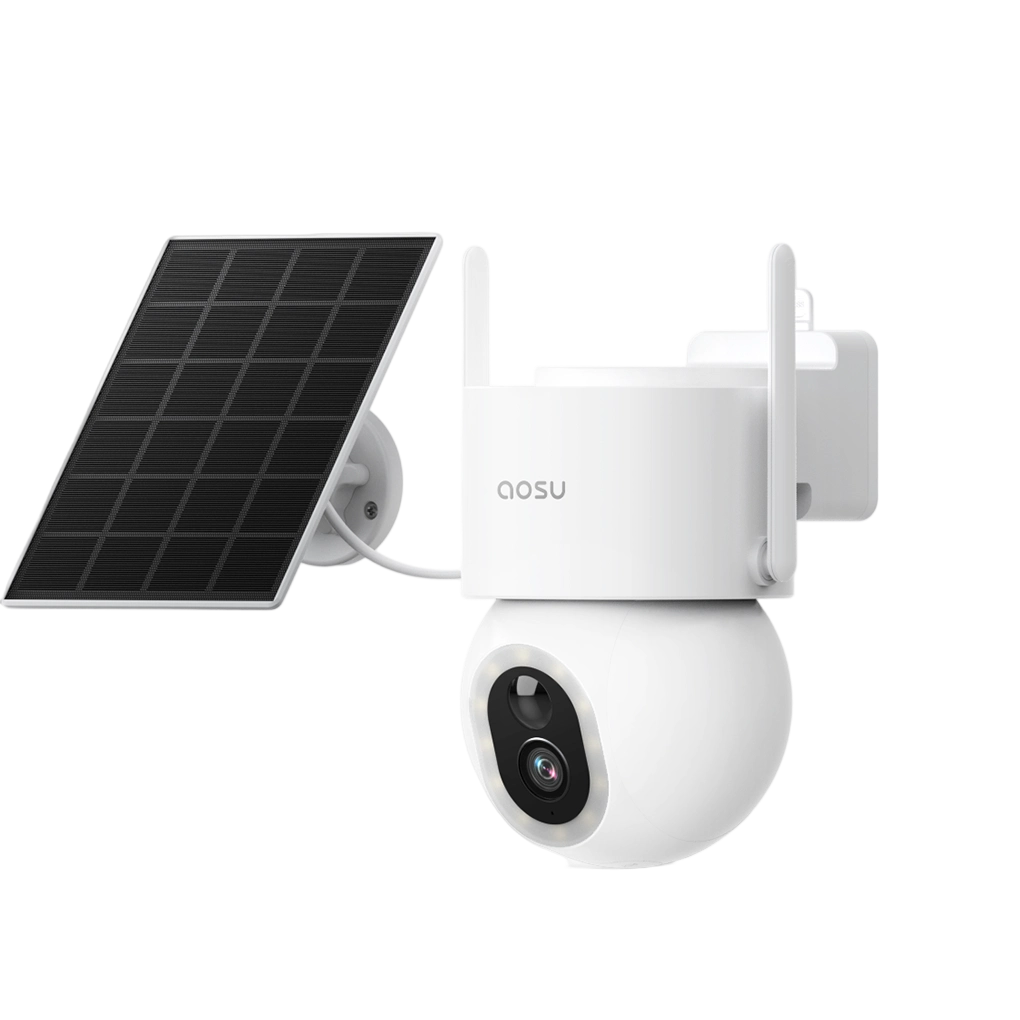
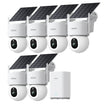
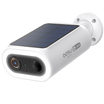
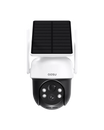
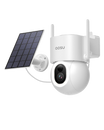
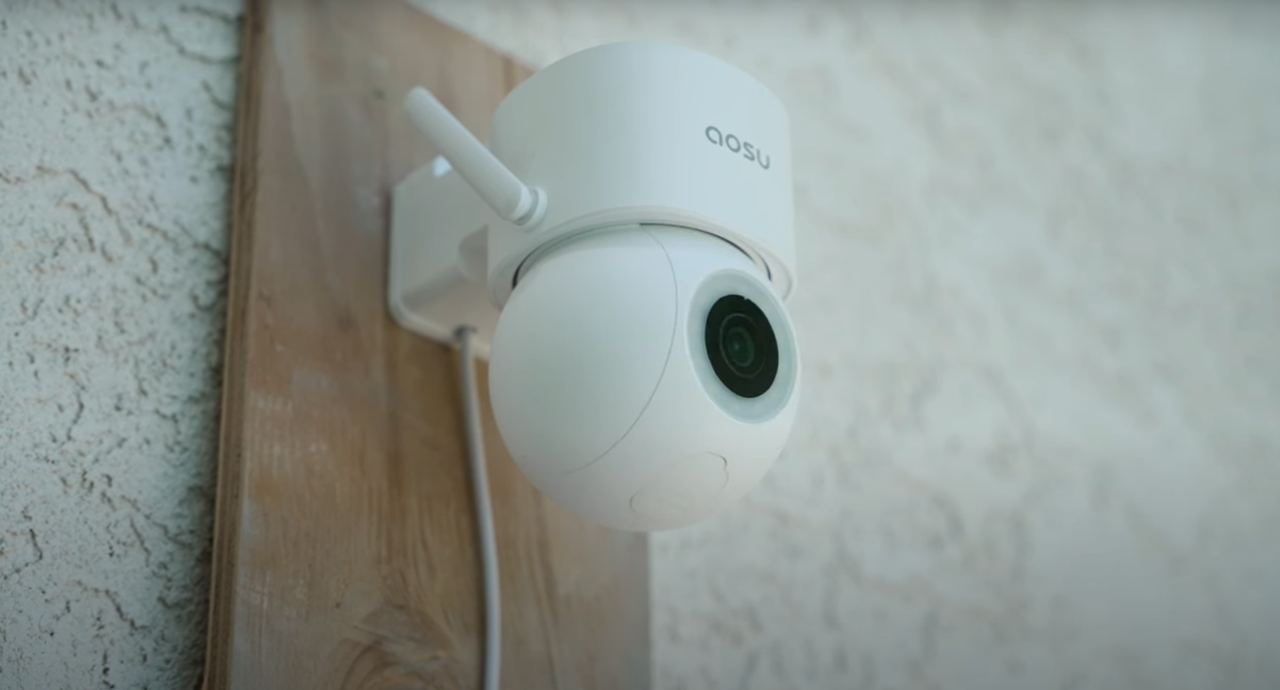
aosu note: An outdoor camera or video doorbell can be useful for documenting driveway and front-curb activity, especially if it gives you clear timestamps, motion clips, and a view of the area near your driveway. Keep the camera placement practical and respectful rather than confrontational.

Camera placement should focus on documenting the driveway entrance and curb issue while avoiding unnecessary private areas.
Common Mistakes to Avoid
1.Assuming the curb space belongs to you: In many places, public street parking is shared. Unless there is a permit, sign, driveway rule, or private-property restriction, the space in front of your house may not be yours to reserve.
2.Putting out cones, chairs, fake signs, or barriers: Do not create your own no-parking zone unless local rules or a permit specifically allow it.
3.Leaving an angry note: A hostile note can escalate a fixable issue. If you leave a note, keep it calm, short, and focused.
4.Thr eating towing without knowing the rule: Towing rules vary, and unauthorized towing threats can inflame the situation. Use the official reporting process instead.
5.Posting license plates or footage online: Public shaming can make a neighbor dispute worse. Keep documentation for the proper reporting channel.
6.Using a camera to monitor more than you need: Aim for documentation, not surveillance of a neighbor's private life.
When the Problem Is Bigger Than Parking
Sometimes parking is only part of a larger issue: harassment, threats, property damage, stalking, or repeated unsafe behavior. If that is happening, treat it as a safety concern, not just a curb-space problem.
Keep records, avoid direct confrontation, and contact the appropriate local authority or legal professional if you feel unsafe. If there is an immediate threat, use emergency services.
To Wrap Up
The best way to stop someone parking in front of your house depends on whether the parking is illegal, unsafe, or simply frustrating. If it is legal public parking, start with calm communication and long-term local options. If it blocks access or violates local rules, document the issue and report it through the proper channel.
Security cameras can help when they are used for clear, respectful documentation. The goal is not to police the whole street. It is to protect your access, your property, and your peace of mind without escalating a problem that can often be handled with the right record and the right process.
FAQ
Can someone legally park in front of my house?
In many places, yes, if the street is public and the car follows local parking rules. The space in front of a home is often not private property. Check local signs, driveway rules, permit rules, and city parking regulations.
What can I do if someone blocks my driveway?
Document the vehicle, note the location and time, and report it through your local parking enforcement, 311, HOA, property manager, or non-emergency police channel. Rules vary, so use the reporting process for your area.
Can I put cones or a no-parking sign in front of my house?
Usually, you should not place cones, barriers, or homemade no-parking signs on a public street unless your city, HOA, or permit rules allow it. Ask your local authority about legal curb markings, temporary no-parking permits, or residential parking programs instead.
Can I use a security camera to record cars parked outside my house?
A camera can often be used to document activity around your driveway or home, but privacy and audio-recording laws vary. Aim the camera at your own property and the area needed to show the parking issue, and avoid unnecessary views into private spaces.
How do I politely ask someone not to park in front of my house?
Keep the request specific and practical. For example: Hi, would you mind leaving more space near our driveway? It has been difficult to pull out safely. Avoid blame, threats, or legal claims unless you know the local rule.



Leave a comment
This site is protected by hCaptcha and the hCaptcha Privacy Policy and Terms of Service apply.