



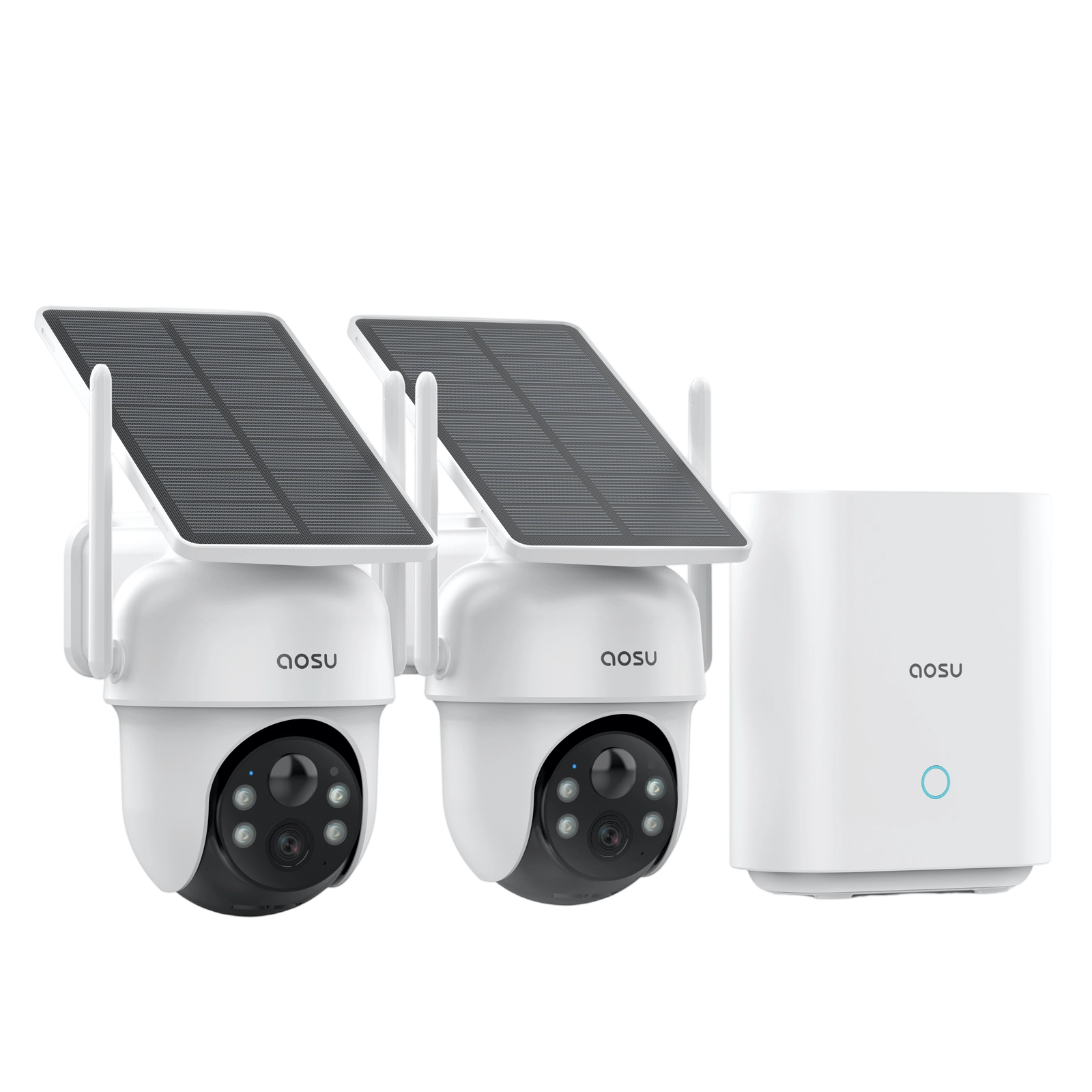
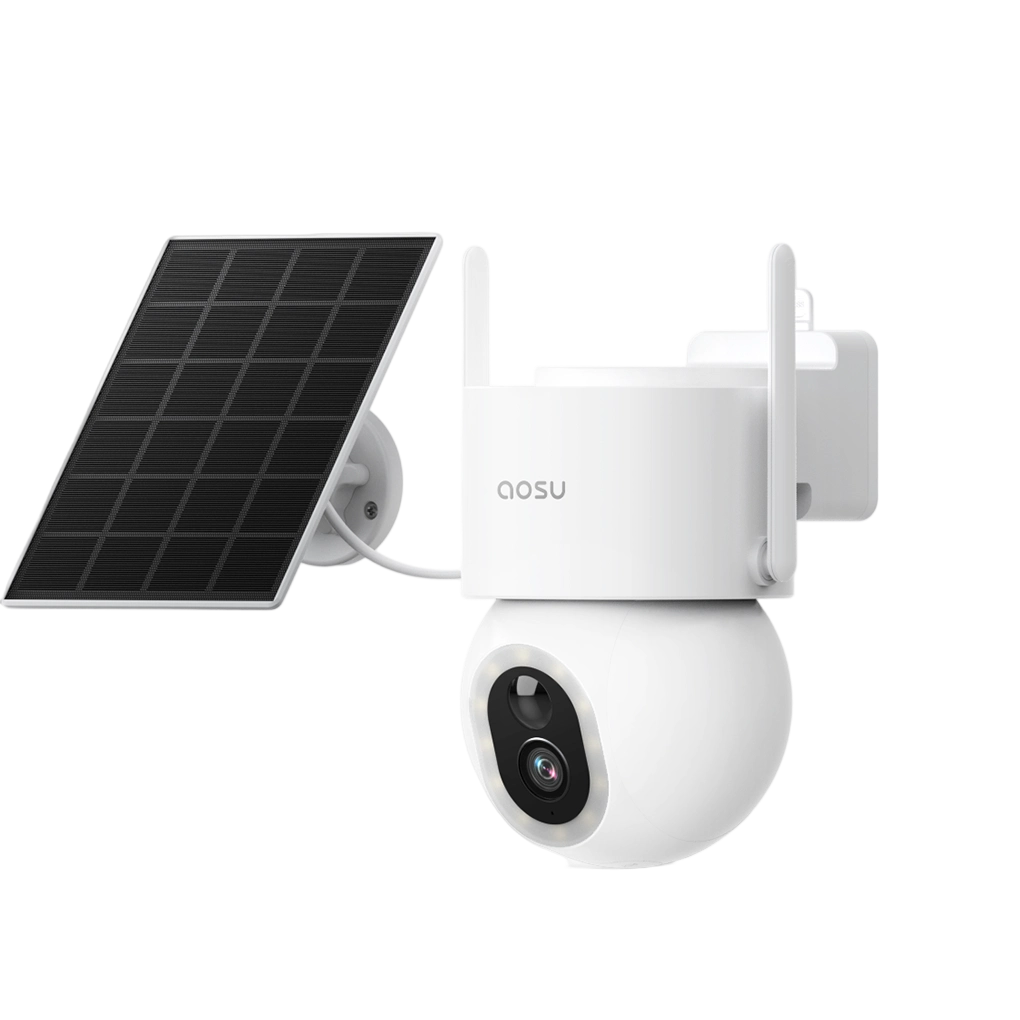
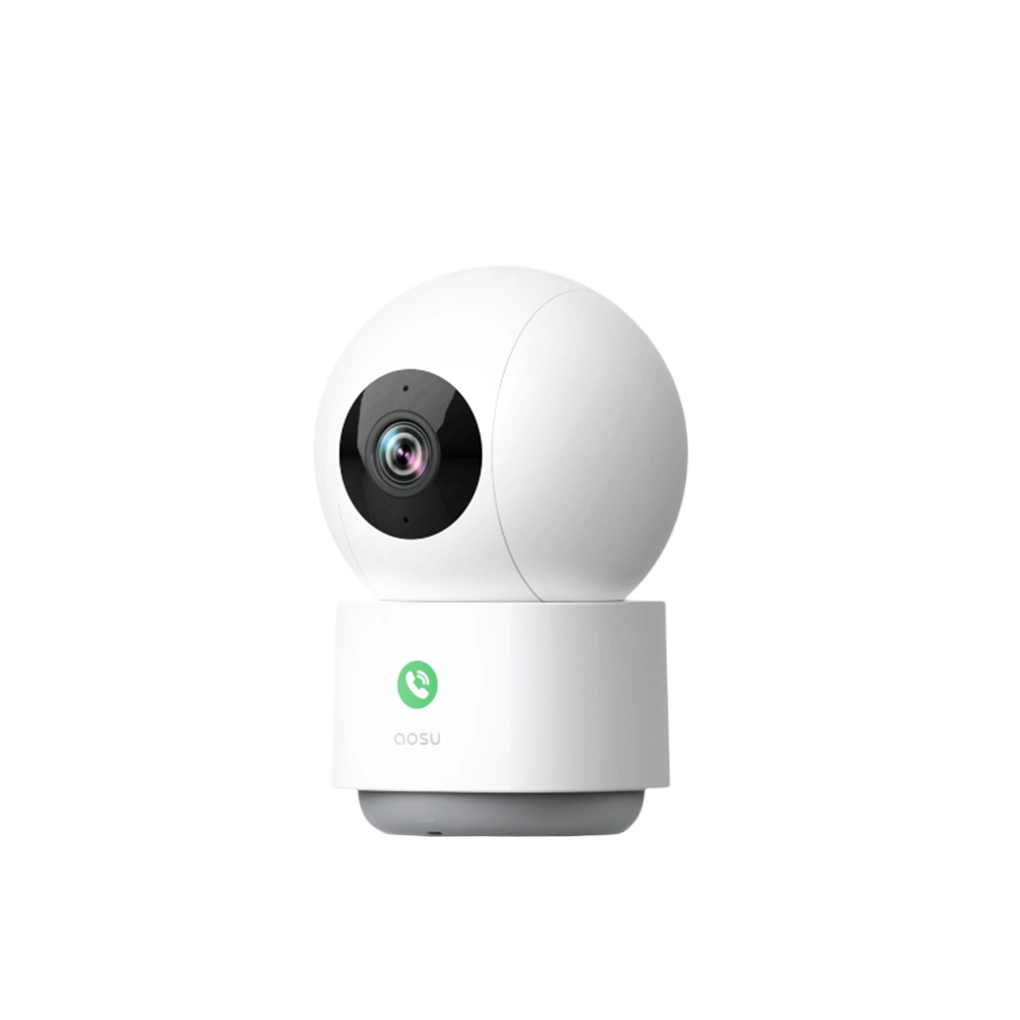
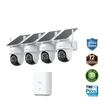
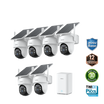

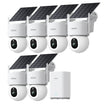
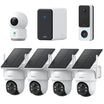

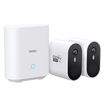
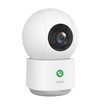
A normal security camera usually makes you choose between two strengths. A wide-angle camera sees more of the scene, but it may not capture close-up details clearly. A PTZ camera can pan, tilt, and zoom, but it can only point in one direction at a time.
A dual-lens security camera solves that tradeoff by putting two views in one device. In a setup like the aosu T2 Pro style of camera, one lens keeps a fixed wide-angle view while the other PTZ lens moves in for a closer look.
That combination can be especially useful for driveways, front yards, side gates, and larger outdoor areas where you need both context and detail.
The Short Answer
A dual-lens security camera is worth considering when one camera needs to watch a wide area and still capture closer details when something moves.
The fixed wide-angle lens gives you the full scene: the driveway, walkway, porch, gate, or yard. The PTZ lens gives you the active close-up: a person approaching, a car pulling in, a package drop-off, or motion near the edge of the frame.
The biggest benefit is not just a wider view. It is that you are less likely to lose context while the moving lens follows the action.
Learn about aosu's dual-lens camera, the T2 Pro
How a Dual-Lens Security Camera Works
Most single-lens cameras are built around one main job. A fixed wide-angle camera is good at watching an entire area. A PTZ camera is good at moving, tracking, and zooming in.
A dual-lens model combines those jobs. One lens stays wide and steady, while the PTZ lens can move separately to inspect details. Depending on the camera, the app may show both views at once, switch between them, or use the PTZ lens for tracking while the wide lens continues to provide the overview.
That design is most useful when you care about both the story and the detail. For example, the wide lens can show that a car pulled into the driveway, while the PTZ lens can zoom toward the person walking from the car to the front door.
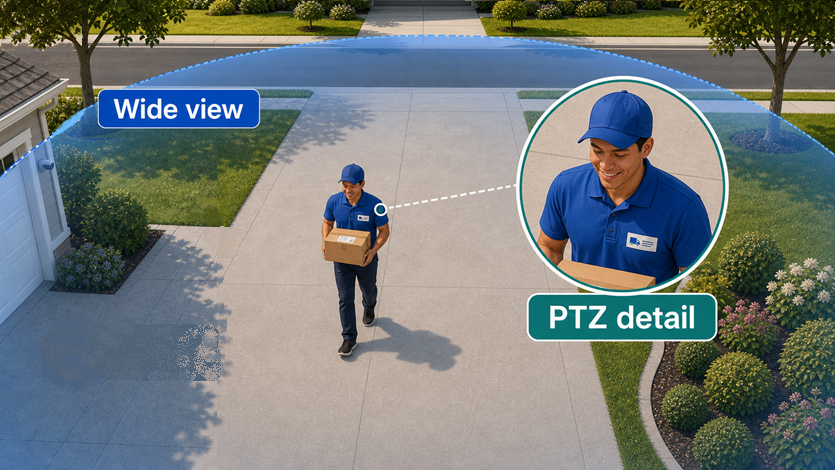
The wide lens keeps the full scene visible while the PTZ lens focuses on a closer area of interest.
The Main Benefits of a Wide-Angle + PTZ Camera
| You keep the whole scene in view | You get better detail when something happens | You reduce the usual PTZ blind-spot problem | You can check activity beyond the main wide view | You may need fewer cameras in some locations |
|---|---|---|---|---|
|
|
|
|
|
What the Wide-Angle Lens Is Best For
Think of the wide-angle lens as the camera's memory of the full scene. It is there to show where motion started, where someone walked, whether a vehicle entered the frame, and what else was happening nearby.
This matters because security footage is often about context. A close-up clip may show a person, but the wide view helps answer practical questions: Did they come from the street? Did they approach the door? Did they leave a package? Did they walk toward the side gate?
A good wide-angle view is especially helpful for areas with multiple possible paths, such as a driveway that connects to a front walkway or a yard with more than one entrance.
What the PTZ Lens Is Best For
The PTZ lens is the detail lens. It can pan, tilt, and zoom so you can inspect part of the scene more closely or follow movement as it happens.
That can be useful when a person walks across a wide yard, a vehicle stops near the curb, or motion happens near the edge of the fixed view. Instead of relying only on a distant overview, the PTZ lens gives you a second chance at a more useful angle.
The important thing is to treat PTZ as a detail tool, not a magic replacement for good placement. The camera still needs to be mounted where both lenses can see the area you actually care about.
Read our Security Camera Guide
The Extra Benefit: PTZ Can Look Around the Corner
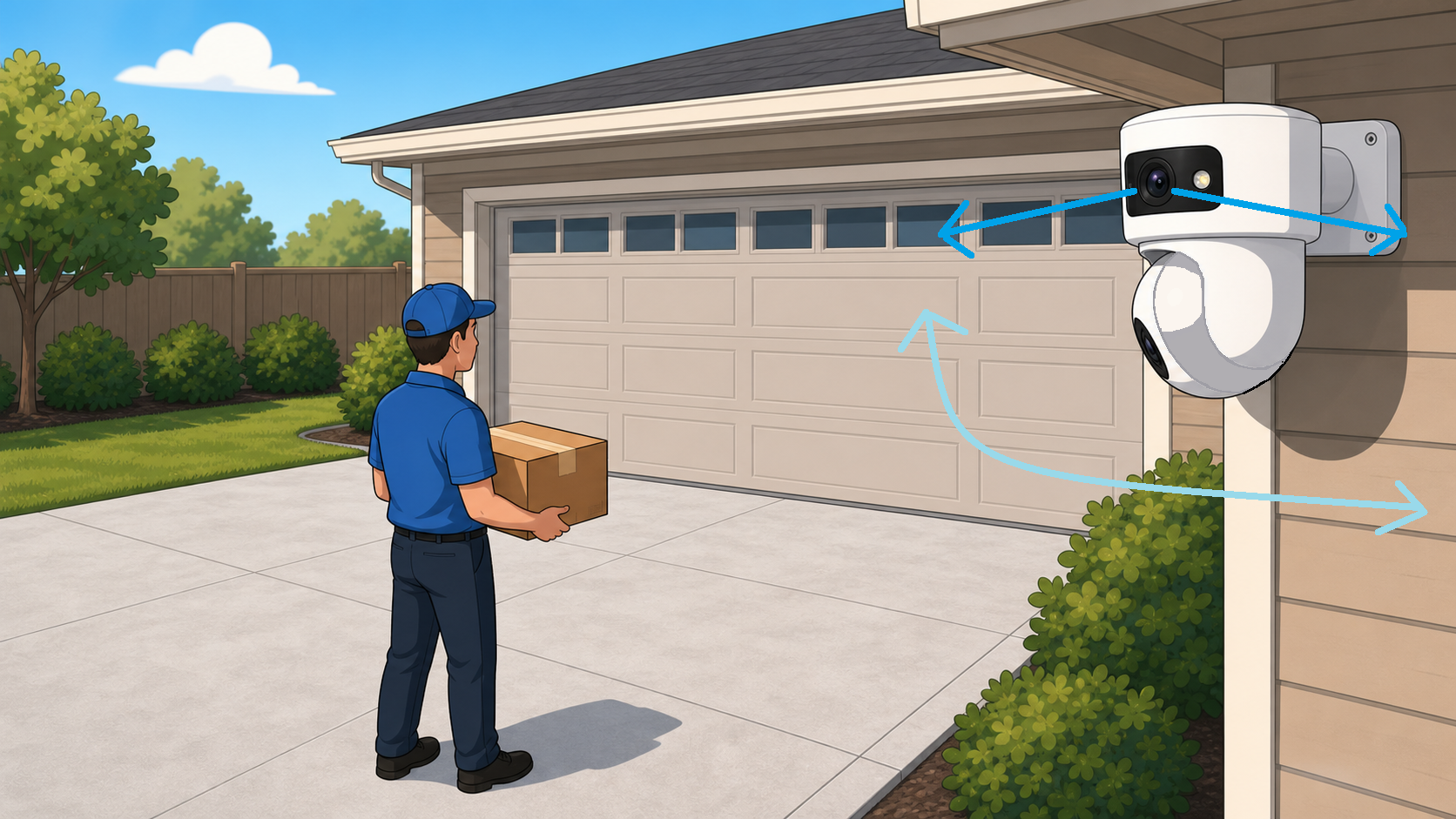
A fixed wide-angle lens is great for the main scene, but every fixed view has an edge. If motion starts near a side path, gate, or garage corner, the wide lens may show the beginning of the activity without showing what happens next.
That is where the PTZ lens can add something a normal wide camera cannot. On a well-placed dual-lens camera with enough pan range, the PTZ lens can turn toward movement outside the main wide view, helping you check around a corner when needed.
This is especially useful at garage corners, side yards, and driveway-to-side-gate layouts. The wide lens keeps the main area covered, while the PTZ lens can swing toward a side approach for a closer look.
It still depends on the camera's actual PTZ range, tracking behavior, and mounting position. If a side path is truly hidden, a dedicated side-yard camera may still be the better choice.
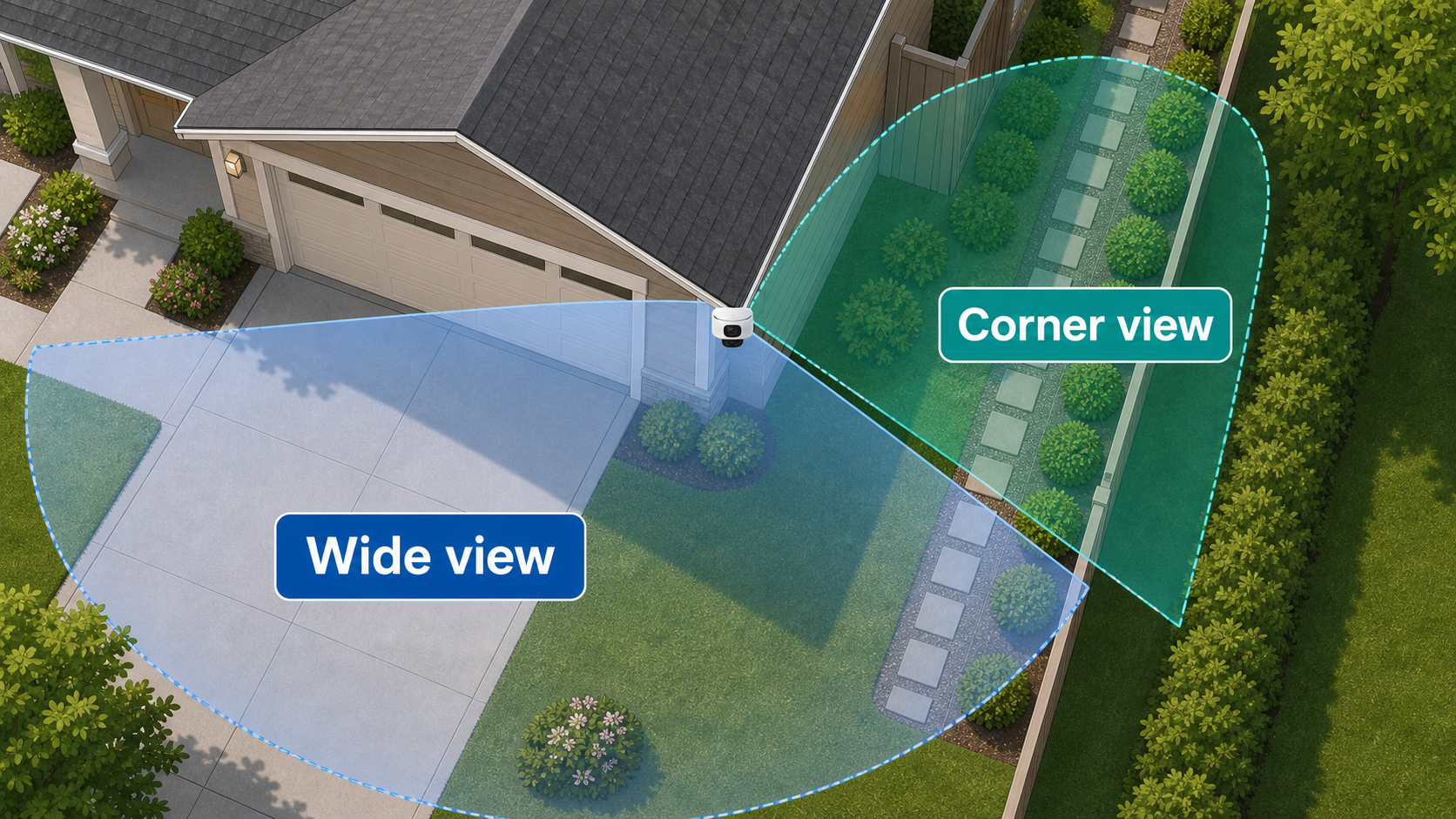
A corner-mounted dual-lens camera can keep the main area in view while the PTZ lens turns toward activity around the side.
Best Places to Use a Dual-Lens Security Camera
| Driveways | Front yards | Side gates | Detached garages or sheds |
|---|---|---|---|
|
|
|
|
When a Dual-Lens Camera May Be More Than You Need
A dual-lens camera is useful, but it is not necessary for every location. If you are watching a narrow doorway, a small porch, or a simple indoor hallway, a single fixed camera may be cleaner and more cost-effective.
It may also be the wrong fit if the location is privacy-sensitive. A PTZ lens should not be used in a way that regularly points into a neighbor's private space, windows, or areas you do not need to monitor.
If you need constant close-up detail in two opposite directions at the same time, two separate fixed cameras may still be better than one moving lens.
See how aosu's T2 Pro compares to the T2 Ultra
Features to Check Before Buying
- How both lenses record
Check whether both lenses can record useful footage, whether clips are saved separately, and how playback appears in the app.
- PTZ tracking behavior
Look for clear controls, smooth movement, and tracking that follows people or motion without constantly jumping around.
- Resolution for each lens
Do not assume both lenses have identical image quality. The wide view and PTZ view may have different strengths.
- Night vision and lighting
Outdoor cameras need usable nighttime footage. Check whether the camera uses infrared, spotlights, color night vision, or a combination.
- Storage options
Understand whether the camera stores footage on a card, home hub, NVR, cloud plan, or hybrid setup. Dual views can create more useful footage, but storage still matters.
- Mounting height and power
A dual-lens camera needs a clear view for both the wide lens and the moving lens. Before installing, make sure the mount height, angle, Wi-Fi signal, and power source make sense.
Common Mistakes to Avoid
- Using PTZ to fix poor placement
The moving lens helps, but it cannot fully rescue a camera mounted behind a tree, under a blocked eave, or too far from the area you care about.
- Pointing the wide lens at too much street
A little street context can help, but your main view should still focus on your own property, entries, driveway, or yard.
- Ignoring privacy boundaries
Avoid aiming the camera into neighbor windows, private yards, or spaces unrelated to your own home security.
- Assuming one camera can cover everything
Dual-lens coverage is powerful, but large properties, separate entrances, and hidden side paths may still need more than one camera.
To Wrap Up
A dual-lens security camera is useful because it combines two kinds of awareness. The wide-angle lens keeps the whole scene visible. The PTZ lens gives you closer detail when something moves or needs attention.
For driveways, front yards, side gates, and larger outdoor spaces, that mix can be more practical than choosing only a fixed wide view or only a moving PTZ camera. The key is to install it where both lenses can do their jobs without creating privacy issues or leaving the most important area uncovered.
FAQs
What is a dual-lens security camera?
A dual-lens security camera uses two camera views in one device. In a wide-angle plus PTZ setup, one lens keeps a fixed wide view while the other lens can pan, tilt, and zoom for closer detail.
Is a dual-lens security camera better than a single-lens camera?
It can be better for wide areas where you need both context and close-up detail. For small or narrow spaces, a single fixed camera may still be enough.
Does a PTZ camera still need a wide-angle lens?
Not always, but a wide-angle lens helps solve a common PTZ weakness. While the PTZ lens is pointed at one area, the wide lens can keep watching the full scene.
Where should you install a dual-lens security camera?
Good locations include driveways, front yards, side gates, detached garages, and other areas where movement can come from more than one direction.