





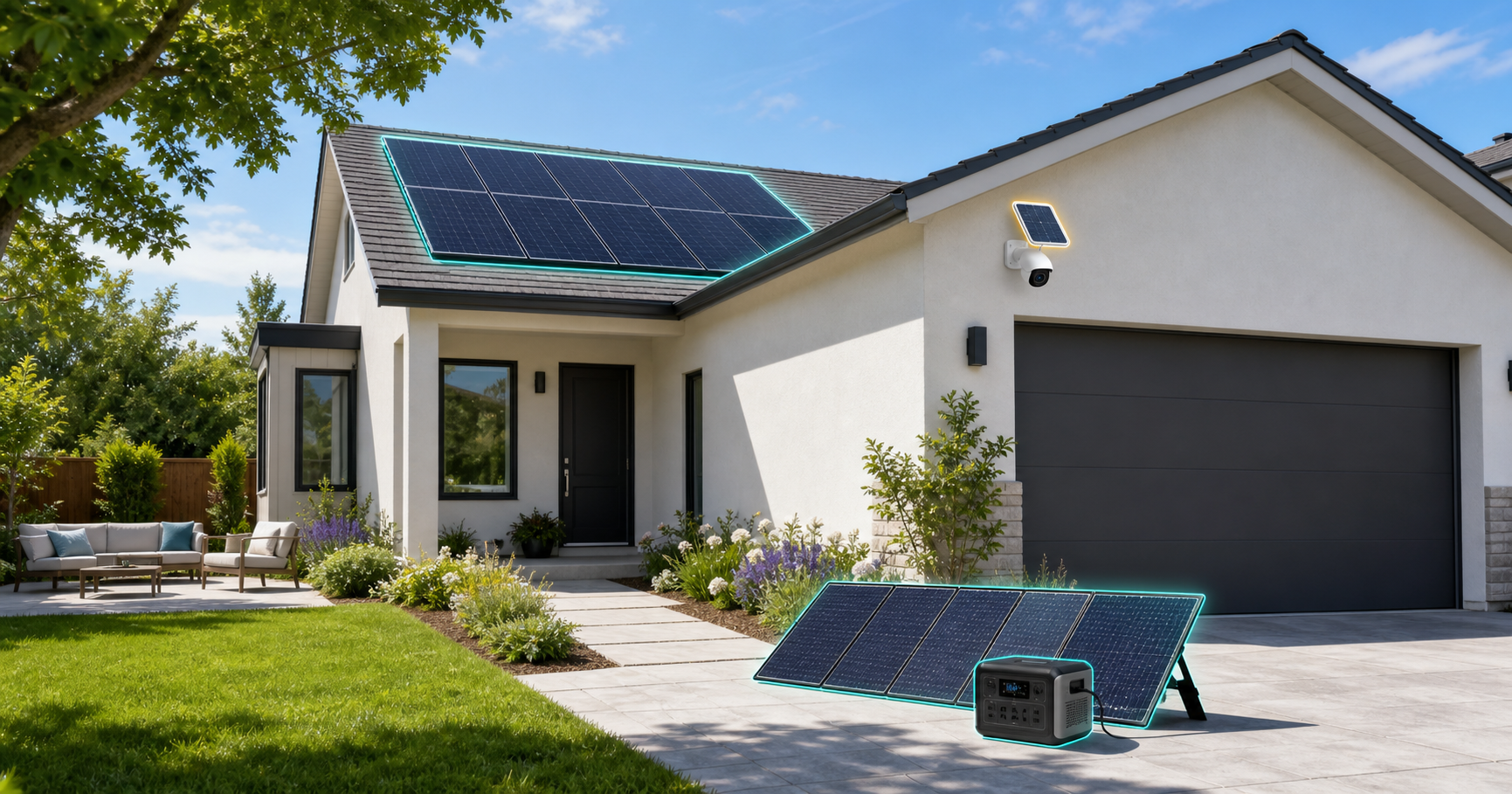
If you're just starting to think about solar for your home, you may be mixing together a few different ideas.
You might be thinking about rooftop panels that lower the electric bill, which is a bit different than a portable solar panel and battery for outages. Or you might not realize solar can be a cheap and convenient way to power outdoor lights or a security camera without wiring.
Those can all be good uses of solar, but they solve different problems. Lets get them sorted out.
Start With What You Want Solar to Do
Solar is easiest to evaluate when you choose the goal first. A full rooftop system, a solar generator, and a solar-powered camera should not be judged on the same investment or return math.
Use this as the first filter before comparing brands, wattage, batteries, or installation quotes.
| Lower your electric bill | Add backup power | Easy power for outdoor devices | Try solar without a big project |
|---|---|---|---|
|
|
|
|
The Three Main Types of Solar for a Home
The word solar can make the decision feel bigger than it is. In practice, most homeowners are choosing between three categories.
- Whole-home or rooftop solar
Rooftop solar panels connect to your home's electrical system and can offset some or most of your normal electricity use. This is the category people usually mean when they ask whether solar panels can save money.
- Portable panels and battery stations
A solar generator setup uses one or more portable panels to charge a battery station. It can power specific devices during outages, outdoor work, camping, or detached-space use, but it usually does not replace a full home electrical system.
- Solar-powered home products
These are individual products with their own solar charging, such as outdoor lights, pathway lights, solar security cameras, fountains, gate accessories, and sensors. They are less about reducing the power bill and more about convenience, placement freedom, and avoiding wiring.
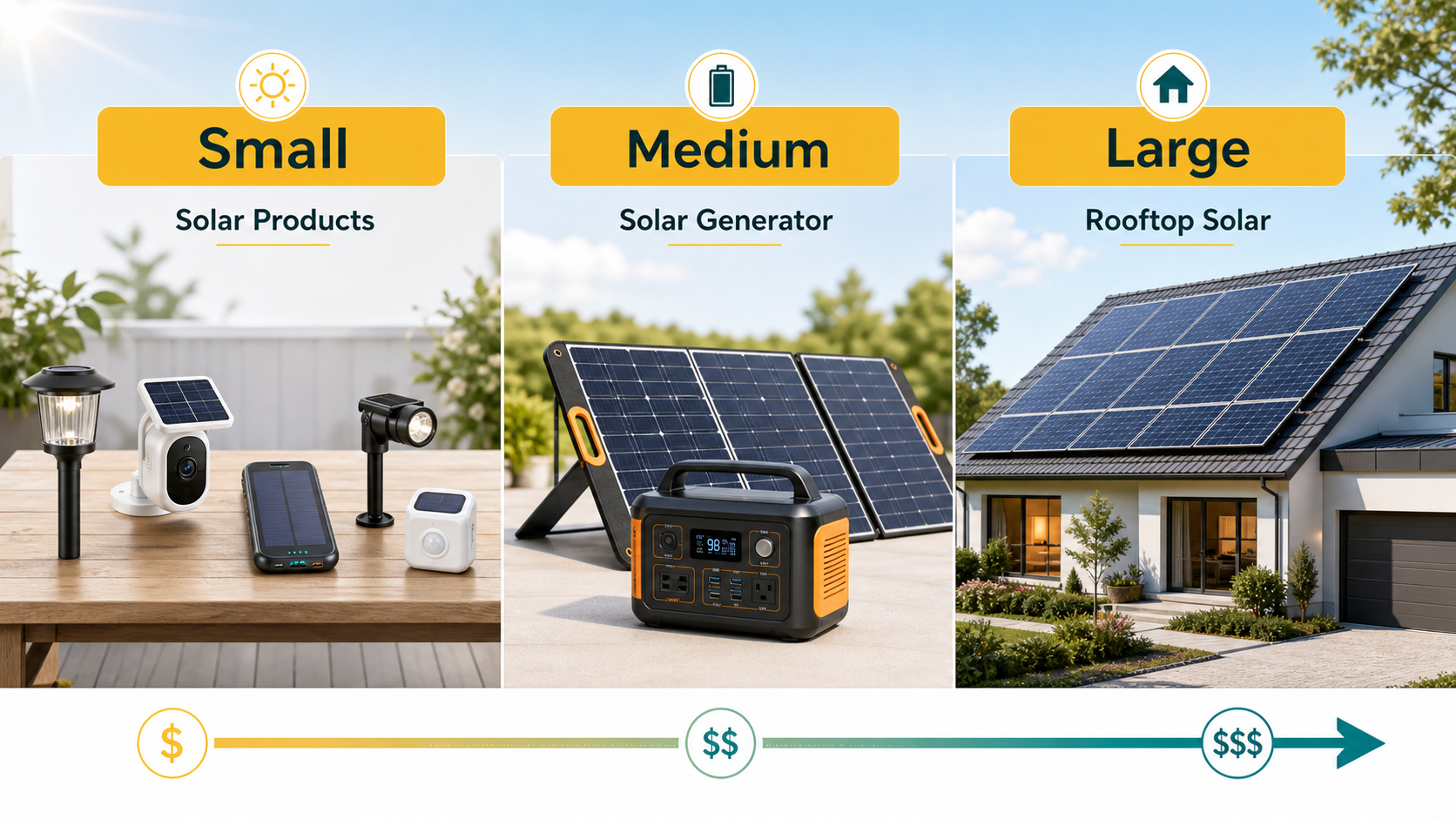
The right solar option depends on the scale of the problem you want to solve.
When Rooftop Solar Is Worth It
Rooftop solar has the biggest savings potential, but it also has the biggest upfront decision. It makes the most sense when your home has steady sun, your roof is in good shape, your electricity bills are significant, and your utility rules make exported power valuable enough.
A simple way to think about it is: net system cost divided by estimated annual bill savings equals rough payback period. If a system costs $18,000 after incentives and saves $1,800 a year, the rough payback is 10 years. If it saves $900 a year, the rough payback is 20 years.
That math changes quickly with local electricity rates, roof shading, financing costs, battery add-ons, utility buyback rules, state incentives, and whether you need roof work first.
| Usually a better fit when | Usually a harder fit when |
|---|---|
|
|
When a Solar Generator or Large Panel Setup Makes Sense
A solar generator is usually a backup-power tool, not a bill-reduction plan. It can be very useful if you want to keep phones, laptops, small appliances, medical devices, networking gear, lights, or a refrigerator running during shorter outages.
The important number is not just panel wattage. It is the battery capacity, the power draw of the devices you want to run, and how many hours of usable sun you can expect while recharging.
For example, a small battery station may be great for phones and lights but frustrating for high-draw appliances. A larger battery can handle more, but the cost and recharge time go up.
| Good uses | Weak uses |
|---|---|
|
|
When Solar-Powered Home Products Are Worth It
Small solar products are often the easiest win because they do not need to justify a major home project or show up strongly in cost saving. They are worth it when they make outdoor devices easier than a wired or battery-only version.
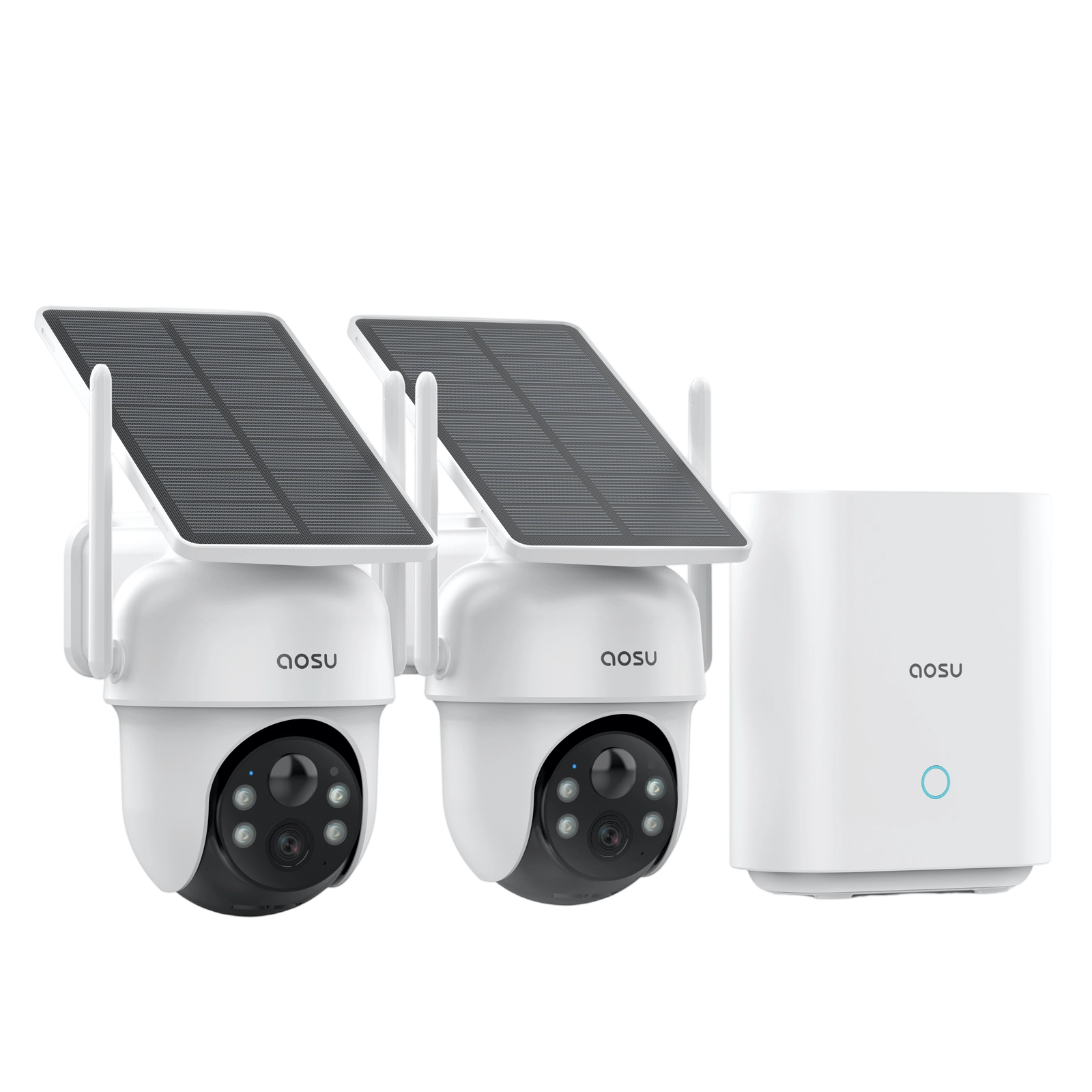
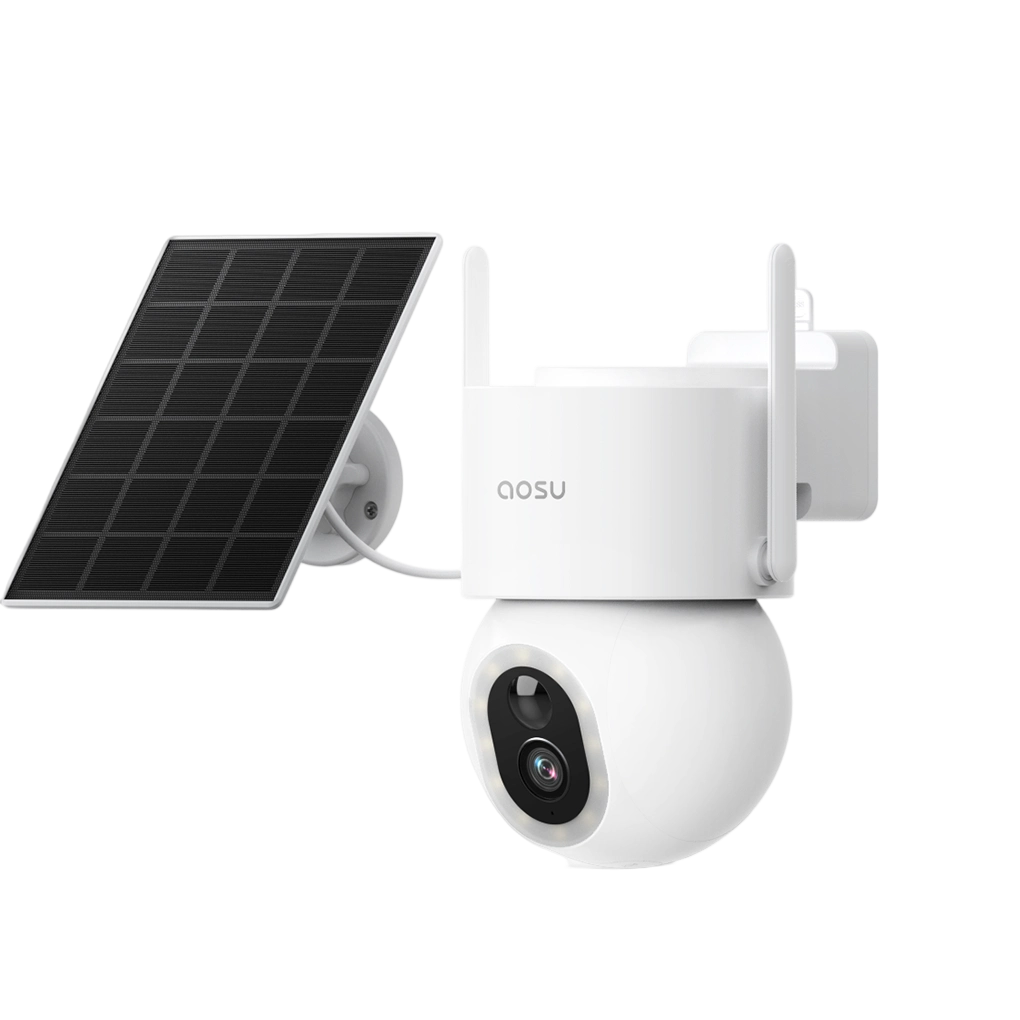
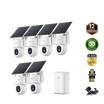
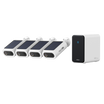
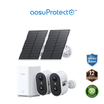
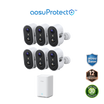
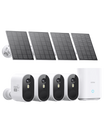
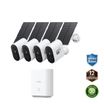
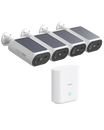
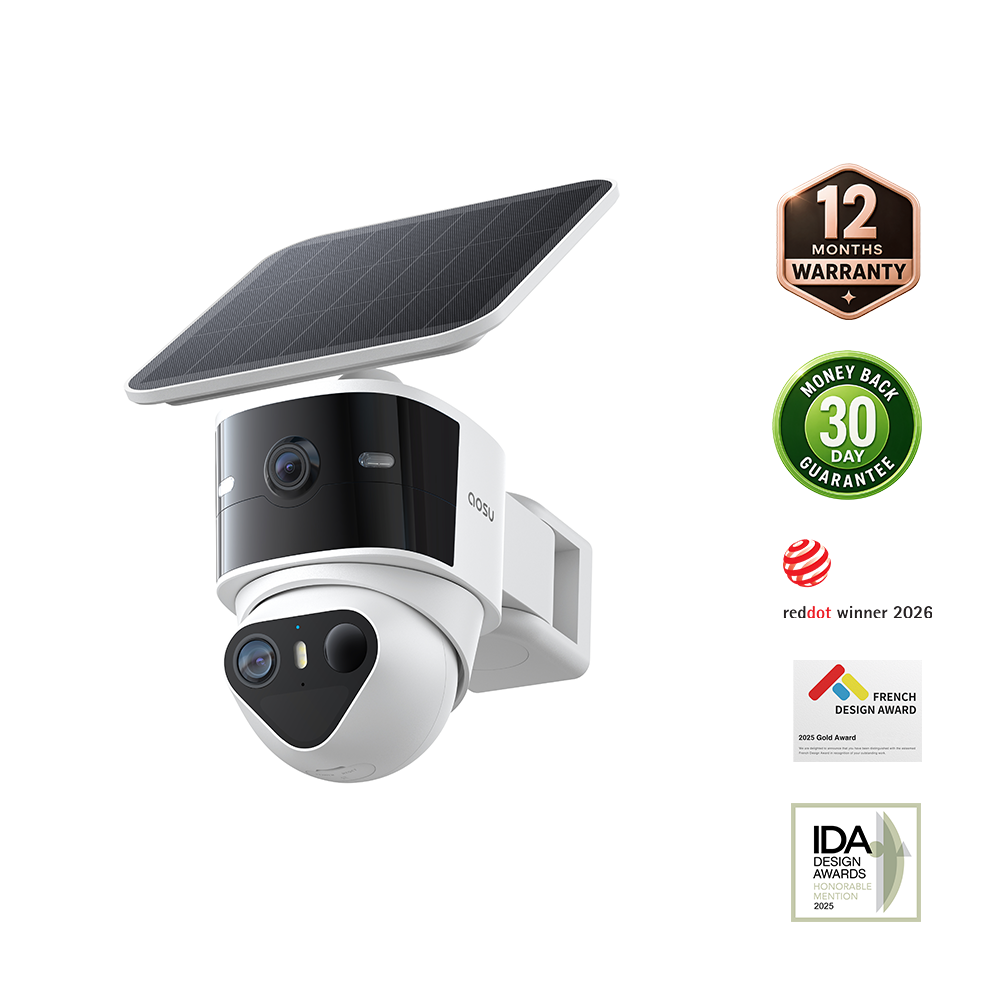
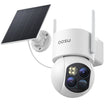
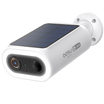
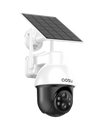
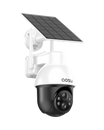
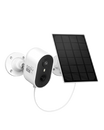
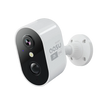
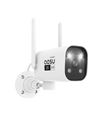
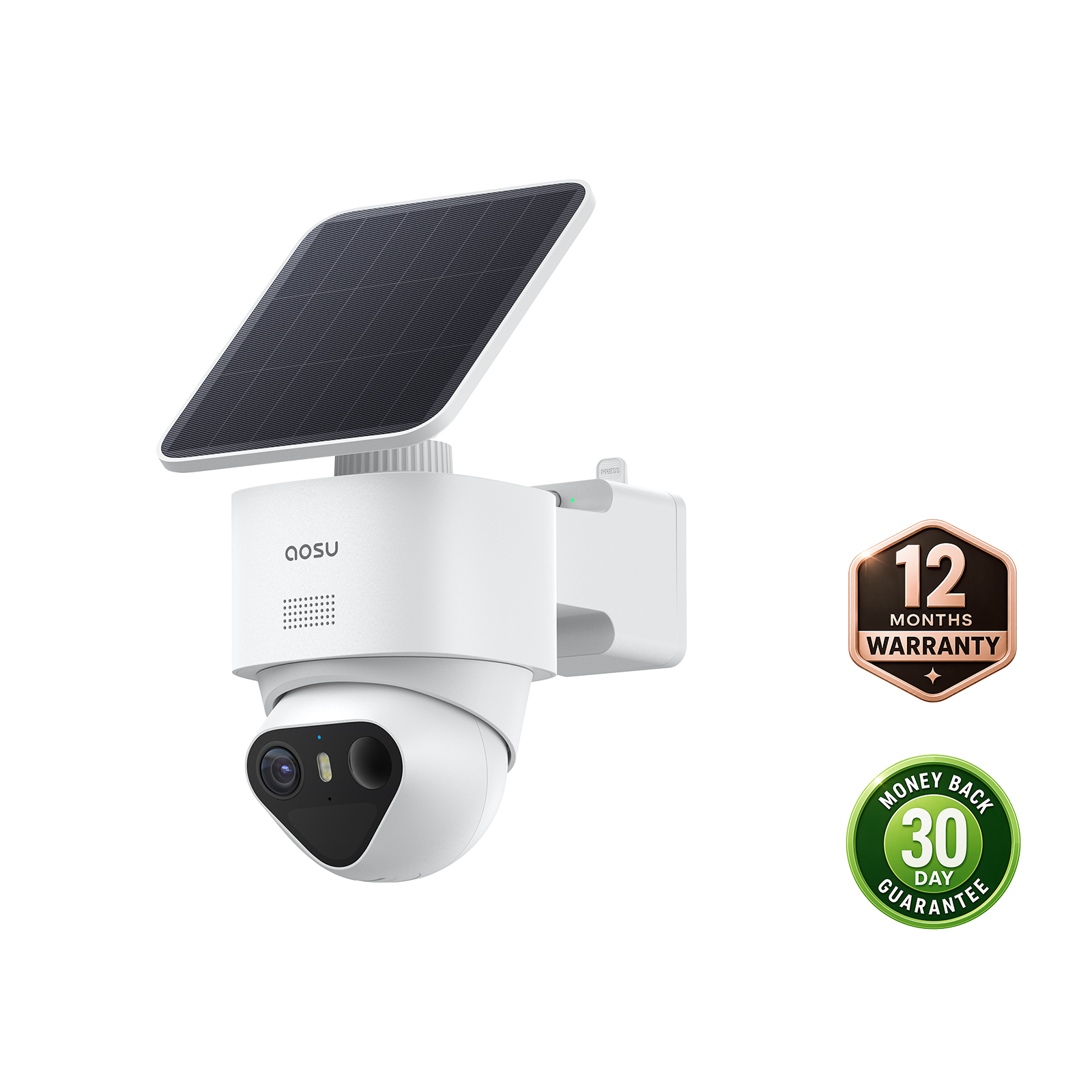
Solar lights can make sense along walkways and yards where running electrical wire would be a hassle. Solar security cameras can make sense for driveways, side yards, detached garages, gates, and other areas where you want monitoring without wiring or lots of manual charging.
The savings are usually not about the electric bill. They are about avoided wiring, easier placement, fewer ladder trips, and a device that can stay useful in a spot that would otherwise be ignored.
Are solar security cameras worth it?
How temperature affects battery
Check Sunlight Before You Buy Anything
Solar needs usable sunlight, not just daylight. A bright-looking area can still perform poorly if the panel is shaded during the best sun hours.
Before buying a rooftop system, generator panel, or solar-powered device, check the exact location where the solar panel will sit.
- Watch the shade pattern
Check morning, midday, and afternoon shade. Trees, chimneys, neighboring homes, porch roofs, and seasonal sun angles can all change performance.
- Match the solar option to the space
A sunny roof can support a larger system. A partly shaded porch may still work for a small solar light. A shaded wall may be a poor fit for a solar camera unless the panel can be mounted separately in sun.
- Think about winter
Shorter days, lower sun angles, snow, rain, and cloudy stretches all reduce solar charging. A setup that's passable in summer may disappoint in winter.
- Use better tools for bigger purchases
For rooftop solar, use location-based calculators, installer production estimates, and multiple quotes. The NREL PVWatts calculator is designed to estimate grid-connected PV energy production based on location and system inputs.
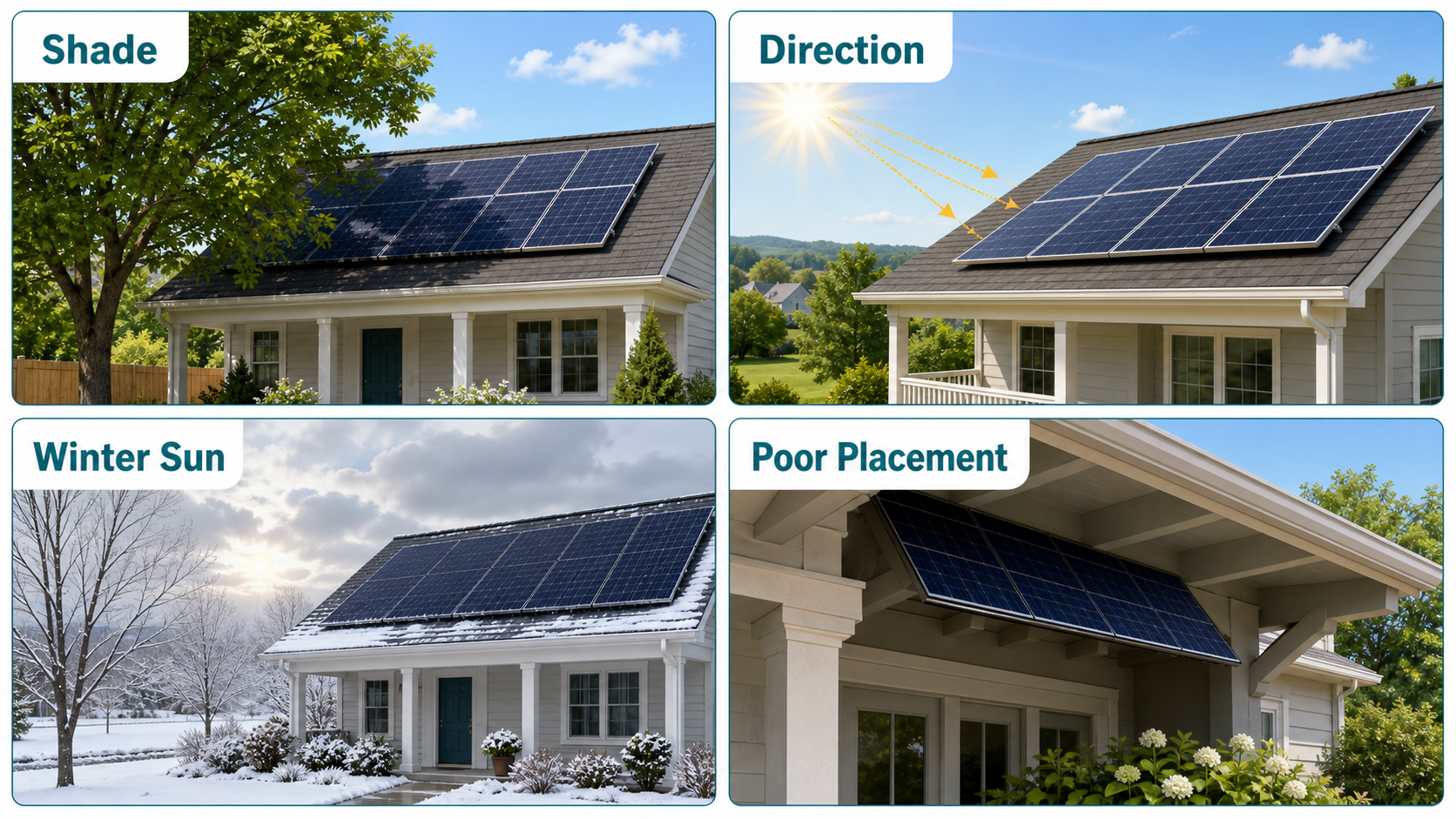
Solar performance depends on the exact place where the panel gets sunlight.
Cost Analysis Matrix: Which Solar Option Fits the Budget?
The right solar choice depends on whether you are buying an investment, a backup-power tool, or a convenience product.
| Rooftop solar | Rooftop solar plus battery | Solar generator | Solar-powered products |
|---|---|---|---|
|
|
|
|
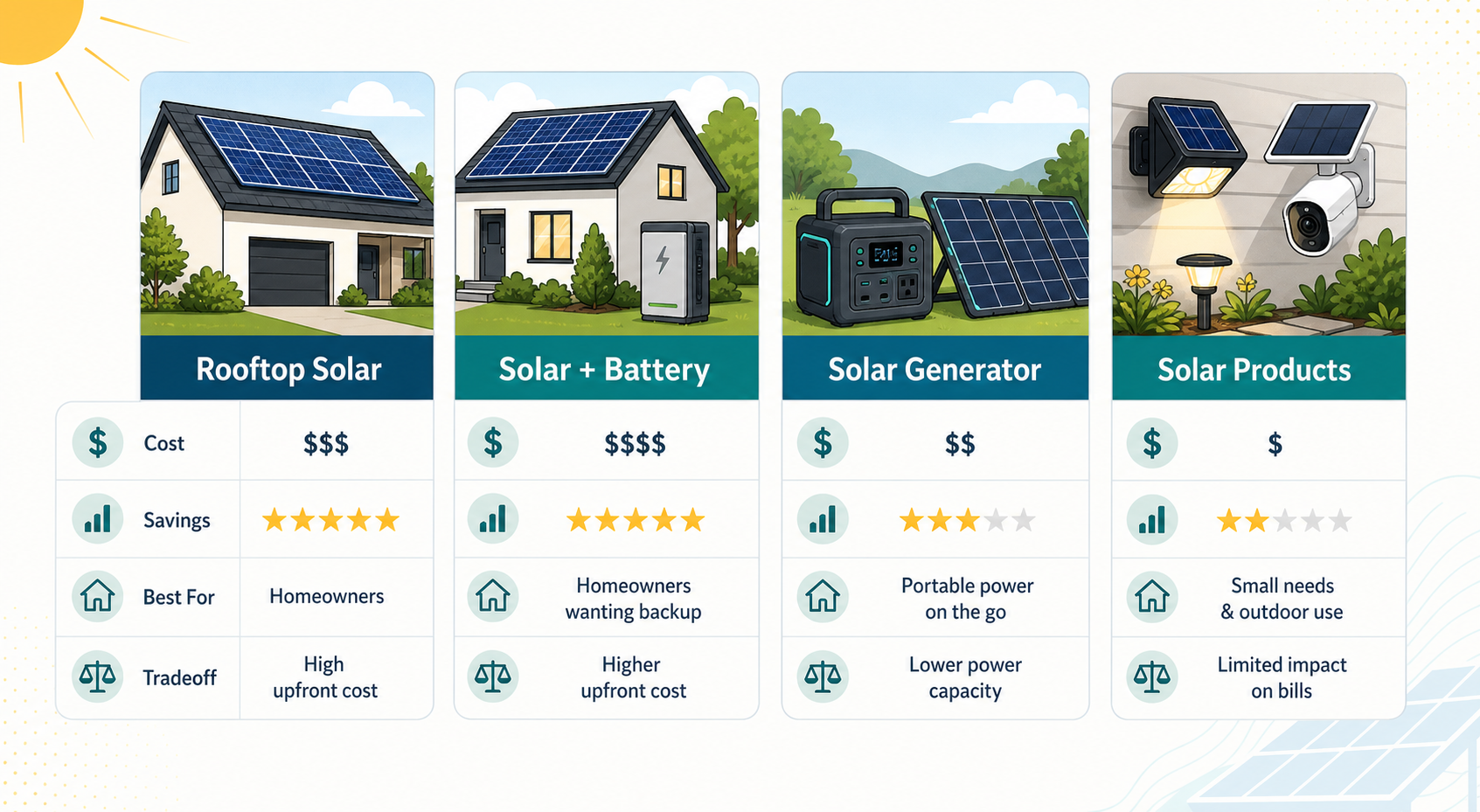
Use cost, savings potential, and the main job to compare solar options fairly.
Do Not Build the Whole Decision Around Incentives
Incentives can change the math, but they should not be the only reason a solar purchase makes sense. Rules vary by country, state, utility, installation date, product type, and whether you own or rent the home.
For U.S. readers, check the IRS, DSIRE, your state energy office, and your utility before assuming any tax credit, rebate, net metering policy, or buyback rate applies. Federal credit language has changed over time, and older articles may still mention incentives that no longer apply to new installations.
A better buying process is to run the numbers twice: once with only the savings you can clearly verify, and once with incentives you have confirmed are available to you.
A Simple Way to Choose
If your main goal is lowering a large electric bill, start with rooftop solar quotes and a payback calculation.
If your main goal is keeping essentials powered in an outage, start with the devices you need to run and size a battery or solar generator around that load.
If your main goal is powering something outdoors without wiring, start with a solar-powered product or a small panel matched to that one location.
If your main goal is curiosity, start small. A well-chosen solar light, camera, charger, or portable panel will teach you more about your real sunlight conditions than a dozen generic solar claims.
Mistakes That Make Solar Feel Disappointing
Bad solar purchases happen all the time, but in most cases they're avoidable with a bit of planning.
- Buying wattage without checking the load
Panel wattage is only part of the story. You also need to know how much energy your devices use and how long they need to run.
- Ignoring shade
Shade is the enemy of reliable solar charging. Always judge the panel's actual location, not the general brightness of the yard or roof.
- Expecting small solar products to lower the power bill
Solar lights and cameras are usually convenience buys. They can be very worthwhile, but their value is time saved rather than major electricity savings.
- Assuming every incentive applies
Tax credits, rebates, utility programs, and net metering rules change. Verify the current rules before using incentives in your payback math.
- Letting one quote define the market
For rooftop solar, compare multiple quotes with equipment, financing, production estimates, warranties, and utility assumptions side by side.
Bottom Line
Solar power can be worth it at home, but only when you choose the right scale. Rooftop solar is a long-term bill-reduction decision. Solar generators are backup-power tools. Solar-powered products are convenience and time-saving tools.
Start with the problem you want to solve, then match the solar option to your sunlight, budget, and maintenance expectations. That approach is much more useful than asking whether solar is good or bad in general.
FAQs
Can I use solar power at my house?
Yes, many homes can use some form of solar power. The best option depends on your roof, sunlight, budget, utility rules, and goal. You may choose rooftop solar for bill savings, a solar generator for backup power, or small solar-powered devices for outdoor convenience.
Is solar power worth it for homeowners?
Solar can be worth it when the savings, convenience, or backup-power value outweigh the cost. Rooftop solar is most likely to pay off when you have strong sunlight, high electricity rates, a suitable roof, and enough time in the home to benefit from the savings.
Can solar panels save me money?
Rooftop solar panels can save money when they offset enough electricity at a favorable cost. The simple payback estimate is net system cost divided by annual bill savings. Always include local utility rules, financing costs, roof work, and confirmed incentives before deciding.
Are solar generators worth it?
Solar generators can be worth it for backup power, camping, sheds, garages, or charging essentials during outages. They are usually not the best choice if your main goal is lowering your monthly electric bill.
Are small solar-powered home products worth it?
Small solar products are worth it when they solve a specific outdoor problem in a sunny location. Solar lights and solar security cameras, for example, can be useful when wiring would be inconvenient and the panel can get reliable sun.