



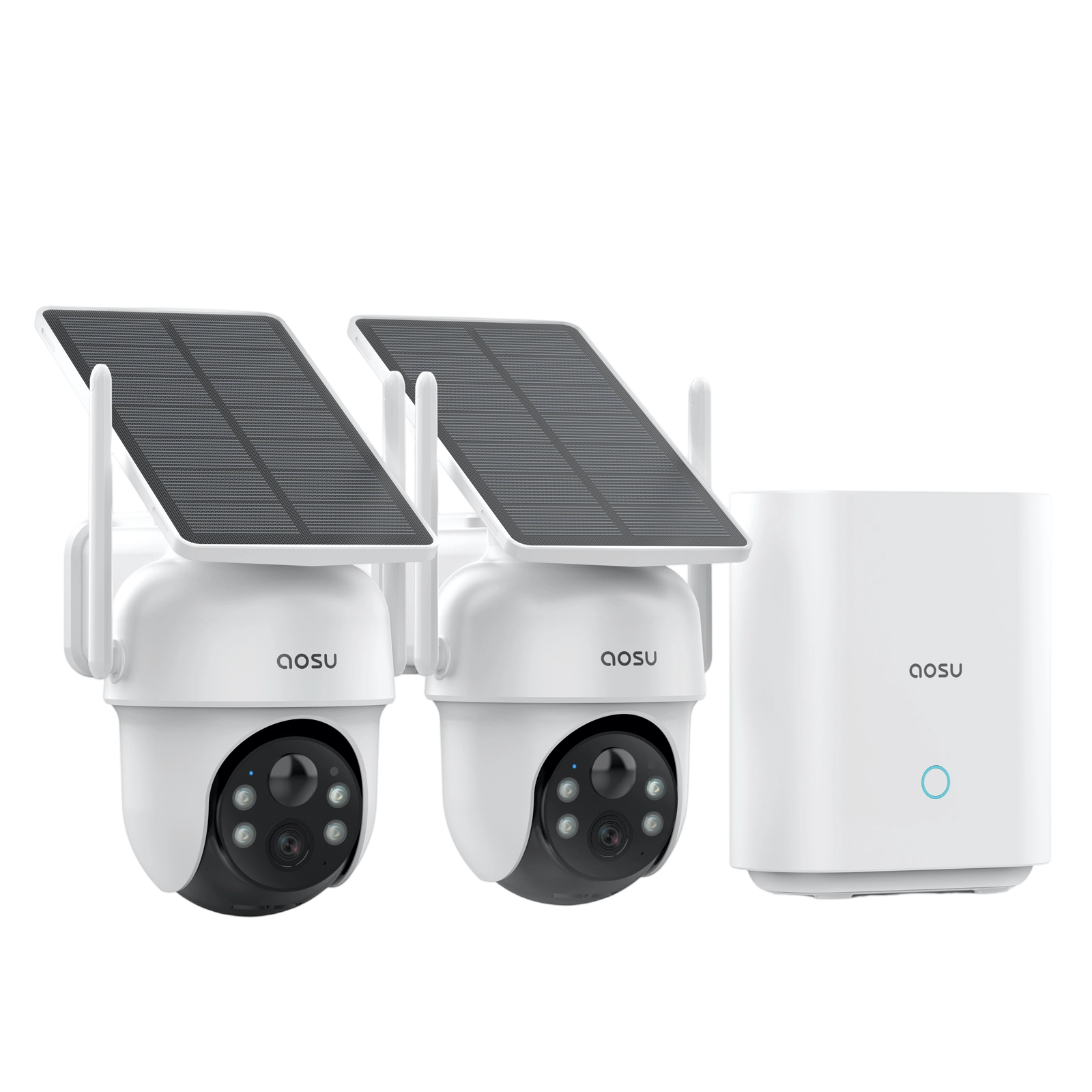
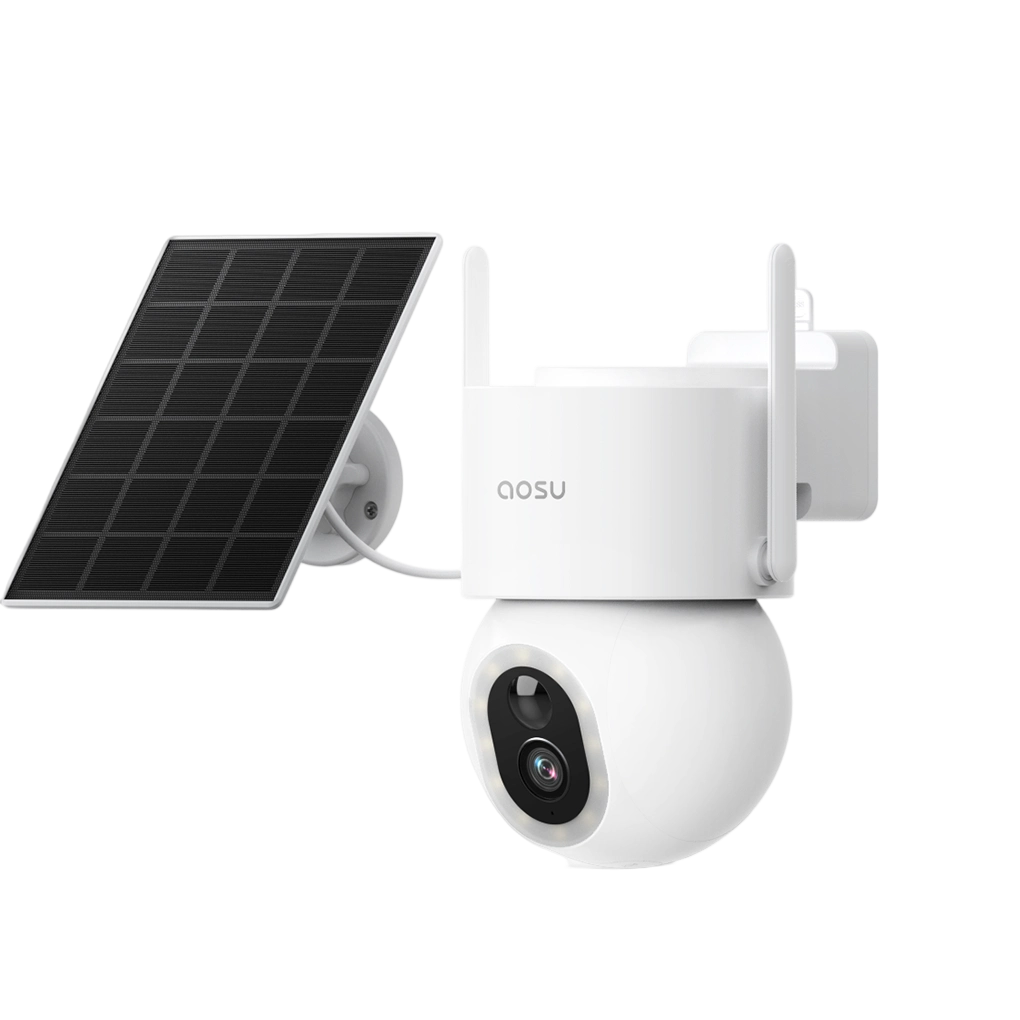
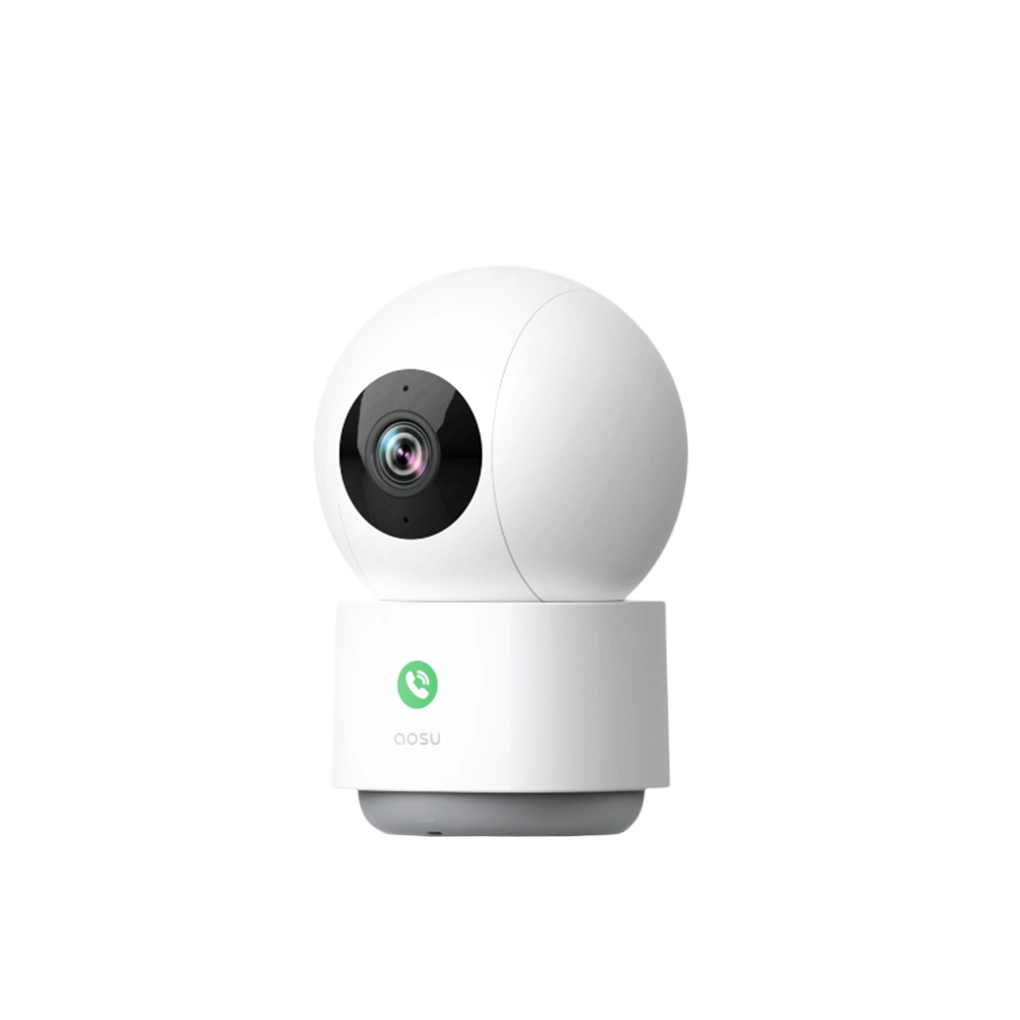

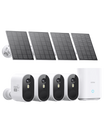
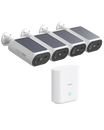
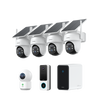
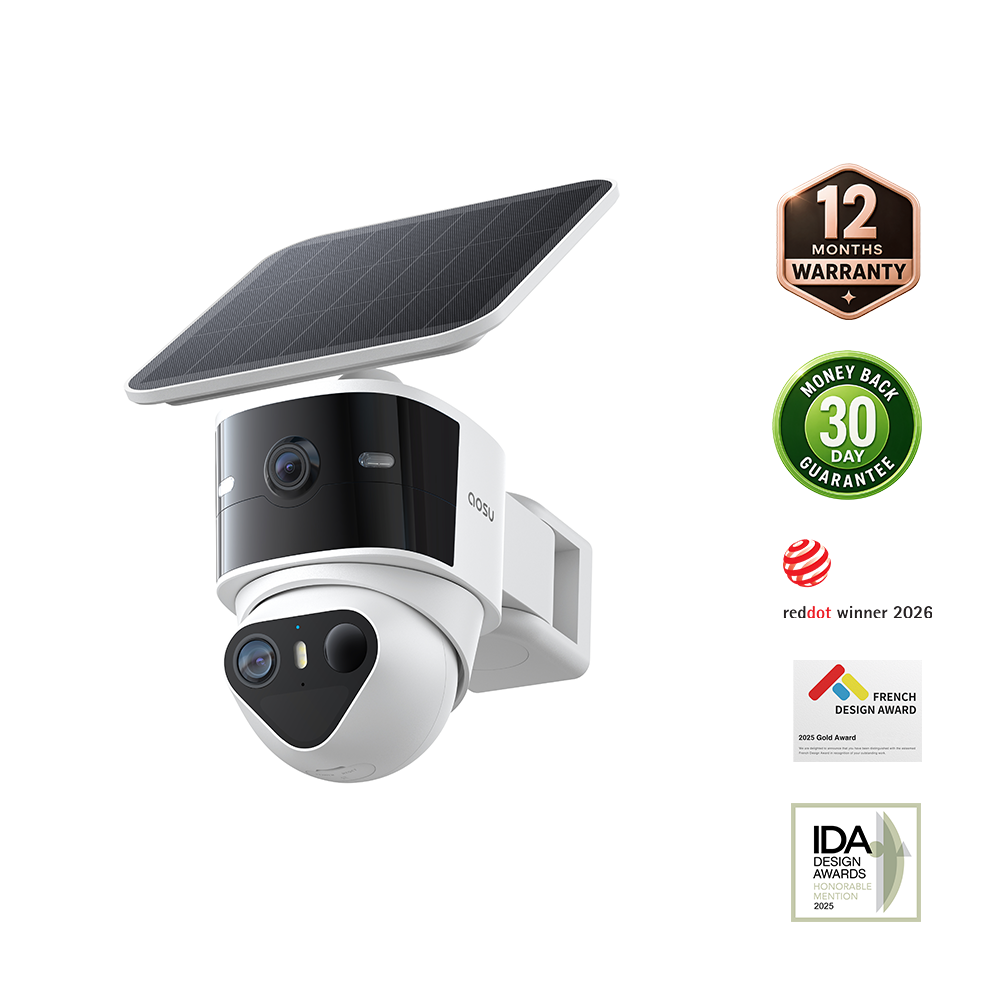
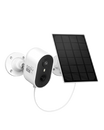
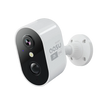
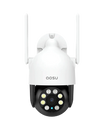
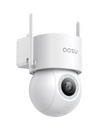

A pan-tilt-zoom camera sounds like it should replace several ordinary cameras. It can sweep across a driveway, follow a person through a yard, and zoom toward activity that would look small in a fixed wide shot.
Sometimes that is exactly right. One PTZ camera can reduce the number of cameras you need for one open, predictable area. But a PTZ camera cannot watch several unrelated directions at the same moment, so it is not a universal replacement for front, back, side, and entry cameras.
The useful question is not just, 'How far can it turn?' It is, 'What do I need to see at the same time?'
Short Answer: One PTZ can do the work of multiple cameras in the right layout
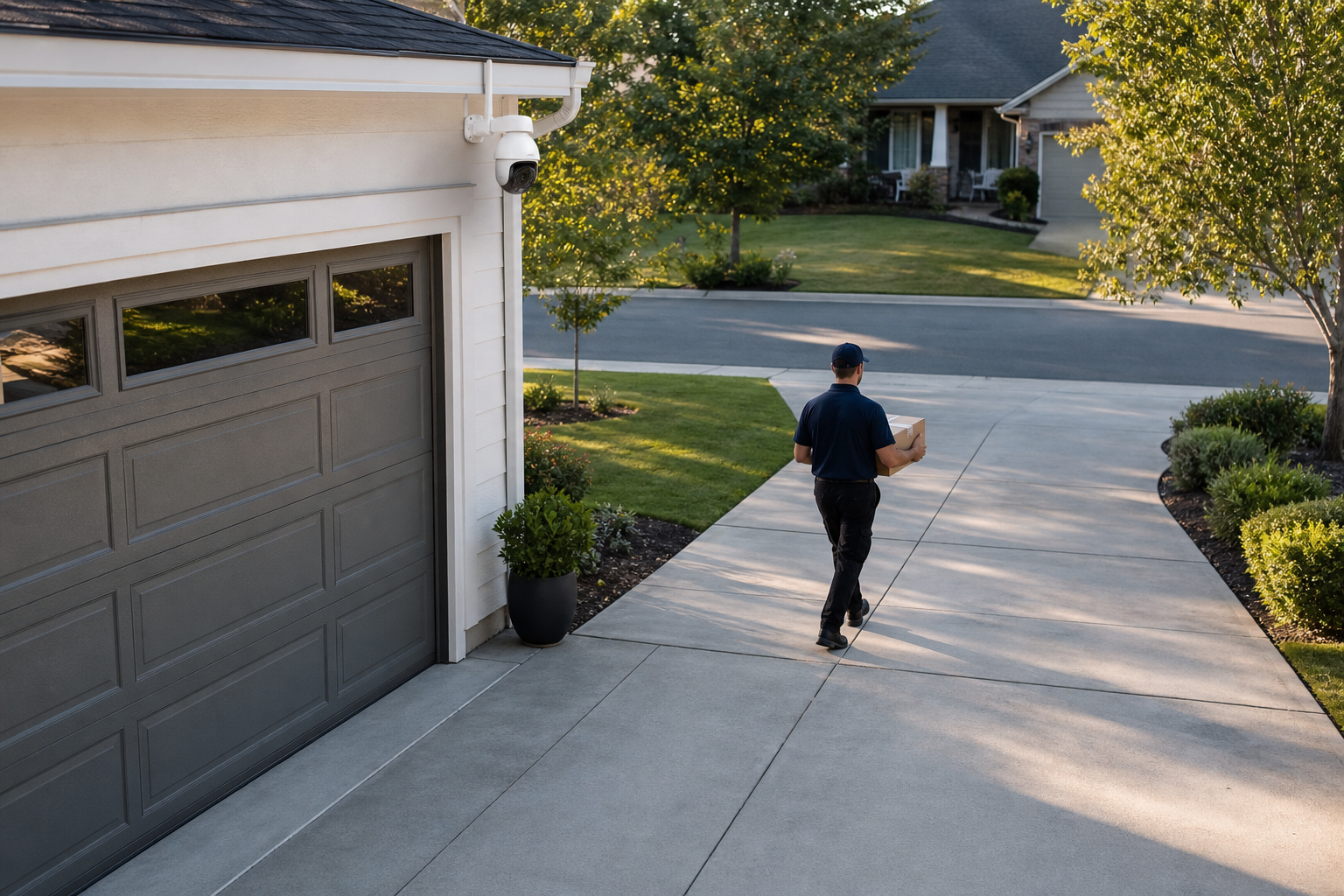
One PTZ security camera can often cover a single open zone better than one fixed camera. Think of a long driveway, a garage approach, a broad front yard, a parking area, or the path to a detached shed.
It is less likely to replace multiple cameras when those cameras need to watch separate entrances, opposite sides of the home, or different areas that can have activity at the same time. A camera that is zoomed in on a delivery at the front door is not simultaneously watching a side gate behind it.
The rule of thumb: use one PTZ to follow activity through one main area. Use multiple views when you need continuous awareness of multiple areas.
Main Point: PTZ Sees More, but Not All at Once
PTZ stands for pan, tilt, and zoom. The camera can move left and right, tilt up and down, and usually zoom or digitally crop closer into part of the scene. That makes it flexible after installation.
The tradeoff is simple: wherever the PTZ lens is currently pointing is the view it is recording in detail. If it turns toward a person at the curb, it may no longer have its best view of the porch, side path, or garage door.
Auto-tracking helps when someone moves through the same open zone, but it does not create an extra set of eyes. It follows the subject it detects; it does not provide several simultaneous camera angles.
When One PTZ Camera Can Be Enough
A single PTZ camera is most useful when the area is open and movement tends to follow one predictable path. You are asking it to cover more of one scene, not to become a whole-home system by itself.
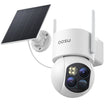
| An open driveway or garage approach | One broad front-yard zone | A detached garage, shed, or side parking area |
|---|---|---|
|
|
|
When One PTZ Camera Cannot Replace Multiple Cameras
A PTZ is not the best answer when the reason you wanted several cameras was to preserve several views at once. It can reduce redundancy in an open area, but it cannot solve a home layout with separate priorities.
- You need the front and back of the home covered at the same time
A PTZ camera can turn between them, but that creates gaps. Separate cameras are more dependable when both sides are important entry or activity areas.
- Your driveway, front door, and side gate are not one clean scene
If walls, rooflines, landscaping, or corners split the property into distinct zones, a moving lens may miss one area while it watches another.
- You need a fixed record while the camera follows action
Tracking can be useful, but it changes the view. If you need the overview to remain stable while another camera gets the close-up, a second fixed lens or second camera is the better fit.
- There may be simultaneous activity
A visitor at the porch and someone opening a side gate are two different events. One PTZ camera may choose one subject or be pointed in the wrong place for the other.
- Privacy boundaries need a deliberate fixed angle
A camera that can swing through a wide range needs careful placement and privacy settings. Multiple fixed cameras can sometimes make it easier to aim only at the areas you are meant to monitor.
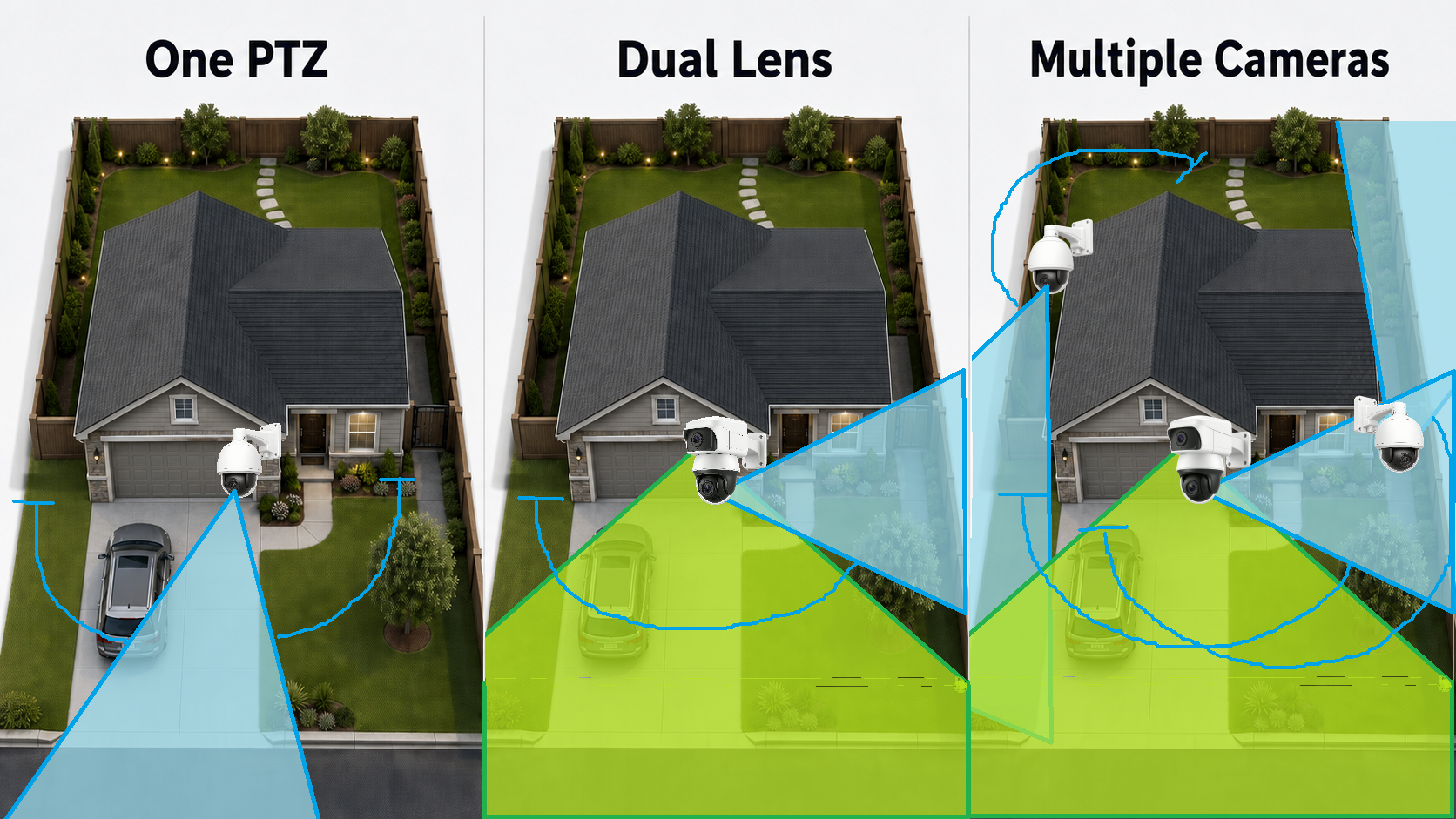
Which Setup Fits: One PTZ, Dual Lens, or Multiple Cameras?
These three options solve different problems. Choosing based on the number of advertised degrees of rotation is less useful than choosing based on whether you need a movable view, two views, or several permanent views.
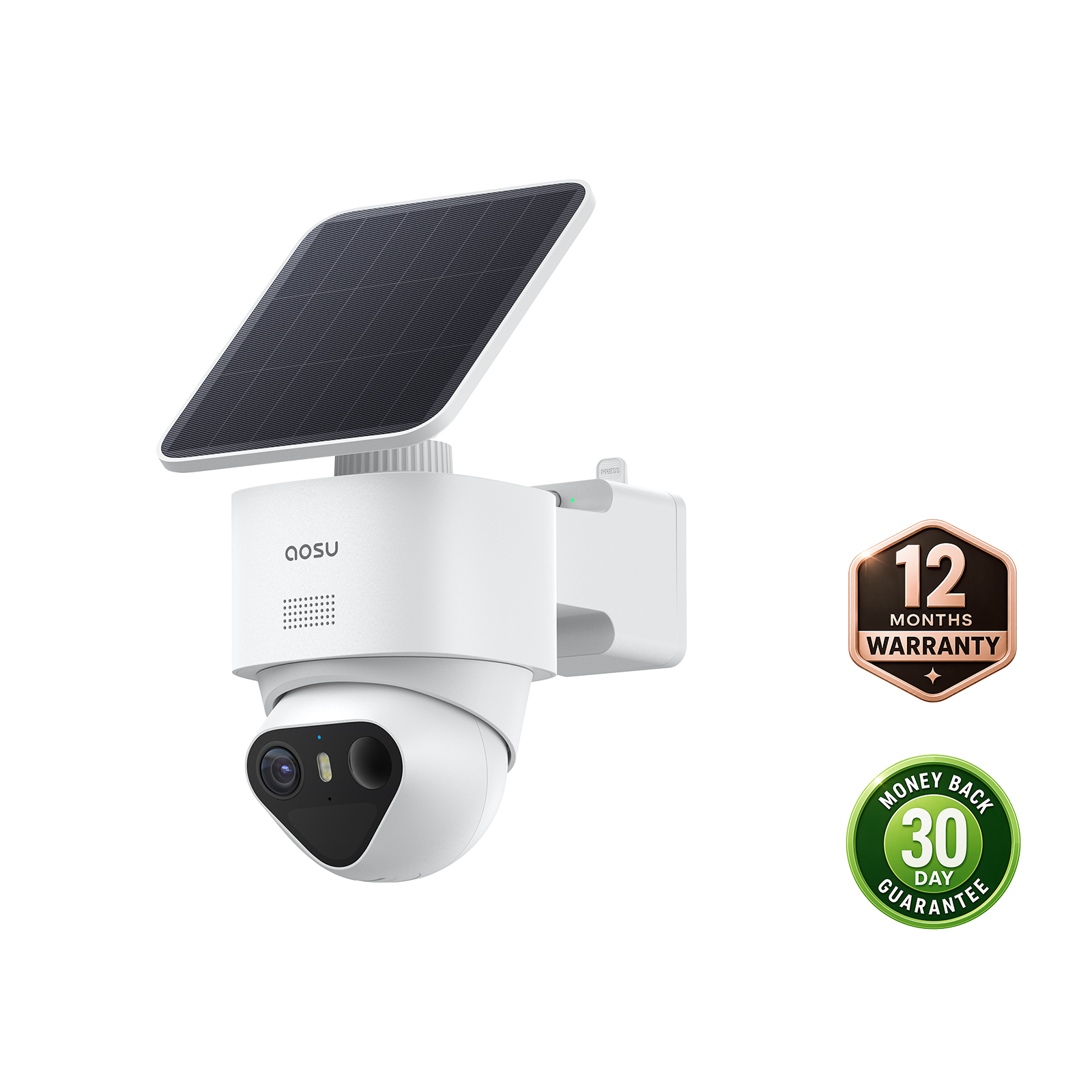
Some PTZ cameras partly reduce the usual response gap with wider motion detection. For example, the aosu Floodlight Cam Pro uses three PIR sensors across a broad detection area to prompt the PTZ toward detected motion. That can make a wide driveway or yard more responsive than a PTZ that only notices activity directly in front of it.
But it is still a response, not a second camera already facing that direction. The camera has to detect activity, decide where it is, and turn. A fixed camera aimed at that area may capture the first second or two of movement, or a second event elsewhere, that a turning PTZ does not.
| Choose one PTZ camera when: | Choose a dual-lens camera when: | Choose multiple cameras when: |
|---|---|---|
|
|
|
Read the dual-lens security camera guide
Test Your Layout Before You Buy or Mount Anything
Before deciding that one PTZ can replace two or three cameras, test the idea from the proposed mounting point. This saves money and prevents a camera from becoming a very capable solution to the wrong problem.
- List the exact areas that matter
Write down the front door, driveway, garage, side gate, backyard path, vehicles, or detached building you actually want to cover. Separate areas usually need separate views.
- Stand at the proposed mounting point
Look at the property from the height and corner where the camera would sit. Notice rooflines, trees, vehicles, fences, and walls that block the view or create blind spots.
- Trace the likely paths people use
Imagine a delivery, visitor, car, or person walking from the street to the door, driveway to garage, or side gate to backyard. A PTZ works best when that path stays inside one connected zone.
- Ask what you would miss while the PTZ is turned away
This is the deciding question. If the answer is another important entrance or activity area, add a fixed view or choose a dual-lens setup instead.
- Check connection, power, and safe mounting
Confirm Wi-Fi signal, available power or solar exposure, mounting surface, and a safe ladder plan. Camera coverage only helps if the camera can stay connected and properly positioned.
Common Mistakes to Avoid
- Buying based on 360-degree rotation alone
A camera may rotate widely, but its real coverage still depends on its mounting point, obstructions, usable zoom, detection settings, and whether you need to see more than one place at once.
- Using tracking to fix poor placement
Tracking is strongest when the camera already has a clear view of the activity path. It cannot reliably follow someone through walls, around deep corners, or behind parked vehicles.
- Forgetting the steady overview
A close-up is useful, but it can lose the bigger story. Keep a fixed camera or wide lens when you need to know where someone came from, where they went, and what else happened nearby.
- Letting the PTZ roam across private areas
Aim the camera at your own property and use privacy zones or limits where available. A wider moving range makes thoughtful setup more important, not less.
To Wrap Up
One PTZ security camera can replace multiple cameras only when those cameras would have been watching the same open, connected area. It is a strong tool for driveways, garage approaches, broad yards, and other places where a subject moves through one main zone.
When you need uninterrupted coverage of different entrances, corners, or sides of the home, use multiple cameras. And when you want a steady overview plus active PTZ detail from one mount, a dual-lens setup can be the more practical middle ground.
Start with the areas you need to see simultaneously. That answer will tell you whether a PTZ camera reduces your camera count or simply adds flexibility to one part of a larger system.
FAQs
Can a PTZ camera cover a whole house?
Usually not by itself. A PTZ camera can cover more of one open area than a fixed camera, but it cannot continuously watch the front, back, side entrances, and interior or detached areas at the same time.
Can one PTZ camera replace two fixed cameras?
Sometimes. It can be a reasonable replacement when both fixed cameras would have watched the same connected driveway, yard, or parking area. It is not a full replacement when the two cameras need to keep different areas in view at the same time.
Is a PTZ camera better than a wide-angle camera?
Neither is automatically better. A PTZ camera is better for flexible movement and close-up detail. A wide-angle camera is better for keeping the full scene visible. A dual-lens camera can combine both jobs.
Can a PTZ camera track a person?
Many PTZ cameras offer motion or person tracking, but results depend on placement, lighting, detection settings, obstructions, and how the person moves through the scene. Tracking is helpful, but it does not replace a fixed view of another area.
Where should I put one PTZ security camera?
A high corner with a clear view of one open activity area is usually the best starting point, such as a driveway, garage approach, front yard, or detached building route. Check for obstructions, Wi-Fi, power or solar exposure, and privacy boundaries before mounting.