









Looking for a local home security company can get confusing quickly. Some people emphasize cameras, others talk about monitoring, and it seems like a clear price is never mentioned.
You do not need to learn the entire security industry before making a call. Begin with the parts of your home you want help protecting, collect a few local options, and ask each company to explain its proposal in plain language.
This guide starts with that simple process. Once the basics are clear, it walks you through costs, contracts, support, and the option of installing some equipment yourself.
The Short Answer
A good starting point is to compare three companies. Tell each one what areas you want covered, ask for a written proposal, and give yourself time to review the price and agreement without a salesperson waiting for an answer.
At first, you only need to answer five basic questions:
- What do I want protected?
- What will the company install?
- What happens after an alert?
- What will I pay?
- What am I agreeing to?
Start With What You Need, Not a Company Name
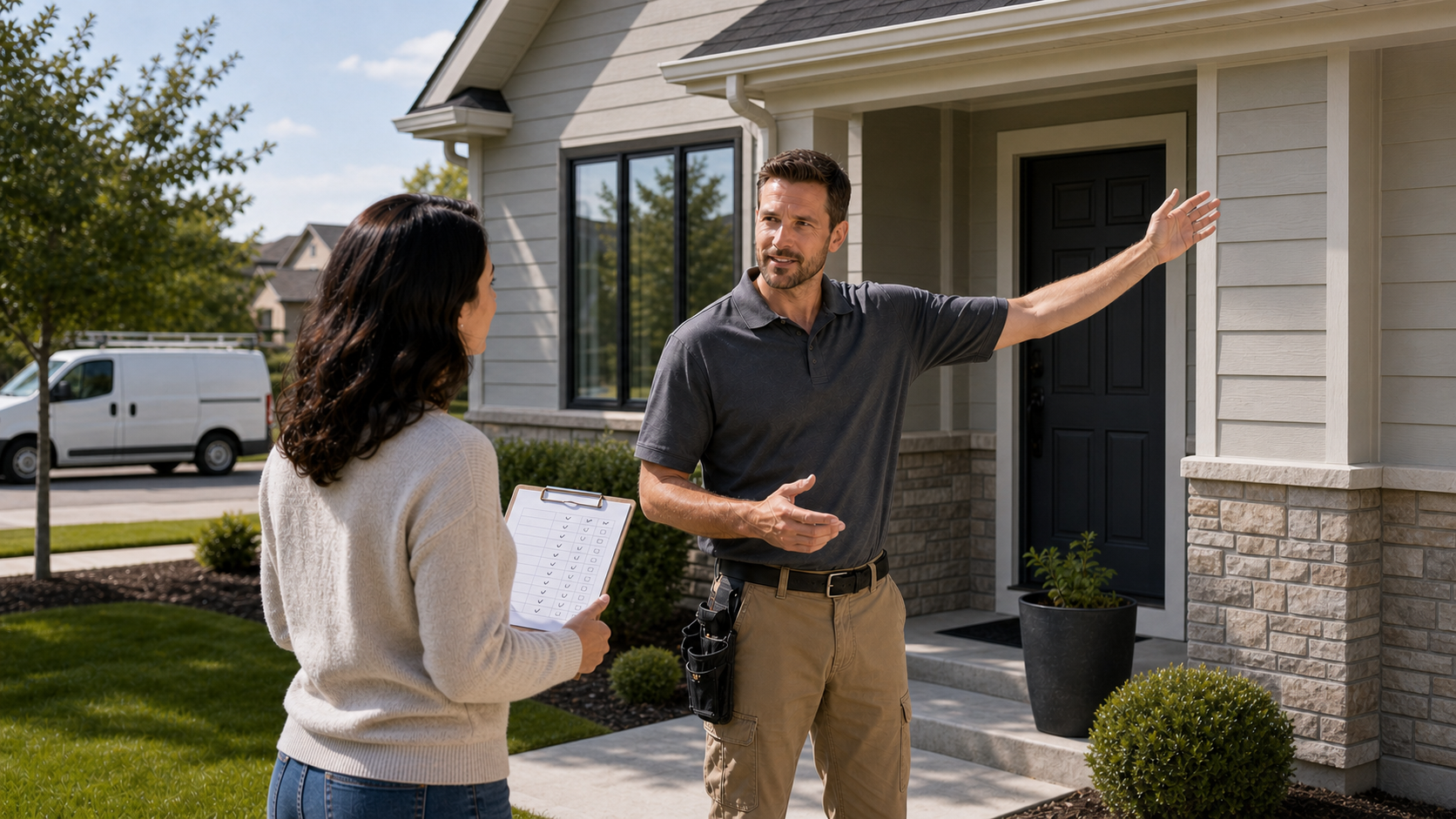
Before looking at packages, take a short walk around your home. Write down the places that make you uneasy or that you simply want to check more easily. Common examples are the front door, garage, driveway, side gate, backyard, first-floor windows, and a detached shed.
Next, decide what kind of help you want in each area. A camera lets you see and record what happened. An alarm sensor can warn that a door or window opened. Professional monitoring means an outside monitoring center receives certain alarm signals and follows the provider's response process.
You do not need to choose every device yet. This first list only gives the companies something concrete to discuss, so their proposals are built around your home instead of a generic package.
- List the areas
Mark the doors, windows, rooms, approaches, vehicles, packages, and outdoor zones you care about.
- Choose the response
Decide whether you mainly want phone alerts and recordings, professional monitoring, an audible alarm, or a combination.
- Note installation constraints
Include rental restrictions, masonry, long cable routes, weak Wi-Fi areas, deep shade, detached structures, and locations requiring ladder work.
- Set a real budget
Write down an upfront amount and a monthly amount. Keeping them separate makes promotional pricing easier to understand.
Plan your home security camera coverage
How to Find Local Home Security Companies
Once you know what you want help with, build a shortlist of three to five companies. Local map results are a reasonable place to begin, but do not feel that you must call the first three listings.
Search each business by name. Look for a consistent company name, real contact information, and reviews describing actual installations, billing, repairs, and support. A page with many generic recommendations but no clear service identity may be collecting leads rather than doing the work itself.
You can also ask neighbors, an insurance agent, property managers, electricians, or other local tradespeople who they have worked with. A referral is only a starting point, but it may help you find providers with experience in homes like yours.
- Check recent review patterns
Read positive, neutral, and negative reviews. Look for repeated comments about scheduling, workmanship, billing, false alarms, support, and cancellation.
- Confirm the service area
Ask whether installation and follow-up service are handled locally or dispatched from another region.
- Separate provider from lead site
Know whether you are contacting the company that will do the work or a website that sells your inquiry to several businesses.
- Look beyond the cheapest advertisement
A promotional equipment price may depend on monitoring, financing, activation, or a multi-year contract.
Verify the Company Before the Appointment
Before inviting someone into your home, confirm the company's full legal name and ask which license or registration applies to its work. Then check that information through an official government lookup instead of relying only on a license number in an advertisement.
For example, California's Bureau of Security and Investigative Services has a license search where you can select "Alarm Company." In Texas, the Department of Public Safety's Private Security program regulates alarm companies, installers, and monitors and provides a license search through its website.
If you do not know which agency handles this where you live, search for "[your state] alarm company license lookup" and look for an official .gov result. Search both the legal business name and the license number. Check that the business name, address, license type, current status, and expiration date match the proposal. If no clear state lookup exists, use the USA.gov directory to find your state consumer protection office and ask whether a state license, electrical or low-voltage credential, or local permit applies.
Then ask a very simple question: "Who will actually do the installation?" The salesperson, installer, monitoring provider, and future repair company may be different businesses.
There is nothing automatically wrong with subcontracted work, but the company should be able to explain who screens and supervises the installer, who carries insurance, and who will fix a problem.
| Business identity | People doing the work | Monitoring and response | Service after installation |
|---|---|---|---|
|
|
|
|
Verify a California alarm company license
Use the Texas DPS Private Security license search
Find your state consumer protection office
Ask Every Company to Quote the Same Scope
Now the comparison becomes more detailed. Give each company the same starting list and ask for a written proposal showing the equipment, locations, installation, monitoring, storage, warranty, and expected charges.
The proposals do not need to be identical. One installer may notice a real blind spot or suggest a simpler solution. Ask why the recommendation differs and make sure the explanation appears in the plan.
Most importantly, compare the whole arrangement rather than the advertised starter price. A low equipment price can still come with installation, activation, financing, monitoring, cloud storage, service, or cancellation costs.
| Equipment and coverage | Upfront costs | Ongoing costs | Contract and exit costs |
|---|---|---|---|
|
|
|
|
Use This Home Security Company Comparison Worksheet
Obviously this is a bit too much info to keep in your head, so here's a worksheet to gather it in one place. Use one copy for each company and fill it out from the written proposal or contract.
If a salesperson gives an answer that does not appear in the paperwork, write "not stated in writing." That does not automatically make the company unsuitable, but it tells you exactly what needs clarification.
The worksheet won't necessarily produce the end-all magic score. It helps you see differences in price, ownership, service, and contract terms so that you can make a clearly informed decision.
Use one worksheet for each company, then compare up to three finalists on the optional scorecard.
Download the editable Word document
Watch for Sales and Contract Red Flags
After comparing the systems, slow down again before signing. A legitimate provider should give you time to understand the offer. Be cautious when a representative pressures you to decide immediately, refuses to leave a complete proposal, will not identify the equipment, or treats ordinary contract questions as unreasonable.
The Federal Trade Commission warns consumers about home security sales tactics such as unexpected representatives who claim an existing provider is changing ownership or needs an urgent upgrade. Verify unexpected visitors independently using contact information you already trust.
Some sales made in your home or away from a seller's permanent place of business may qualify for a three-business-day cancellation period under the FTC Cooling-Off Rule. Exceptions apply, and state protections can differ, so read the cancellation notice and check the rules that apply to your transaction.
Red flags:
- Urgency without a real deadline
The representative says the price, neighborhood program, or equipment disappears unless you sign immediately.
- Free equipment with unclear obligations
The offer highlights free devices but does not make the monitoring term, financing, ownership, or cancellation cost equally clear.
- Vague company relationships
It is unclear who sold the system, who installs it, who monitors it, who bills you, and who handles repairs.
- Promises not included in writing
The proposal omits verbal claims about response, compatibility, storage, warranties, cancellation, or future pricing.
- No model numbers or placement plan
You cannot verify what equipment is being installed or whether the quoted package covers the areas discussed.
Read the FTC guide to avoiding home security sales scams
When Buying and Installing Your Own Equipment Makes Sense
Home security doesn't always mean hiring a company. If your main goals are outdoor cameras, a video doorbell, phone alerts, two-way audio, and recorded clips, DIY equipment may cover those needs without a professional installation appointment or long monitoring agreement.
DIY means you choose the locations, mount the devices, connect them, tune the alerts, manage storage, and respond to notifications yourself. For many homeowners that is manageable; others would rather have one company responsible for setup and service.
You can also split the difference. A local company might handle professionally monitored entry, smoke, or carbon monoxide sensors while you install your own cameras. This keeps professional help where you value it without requiring every device to come from the same package.
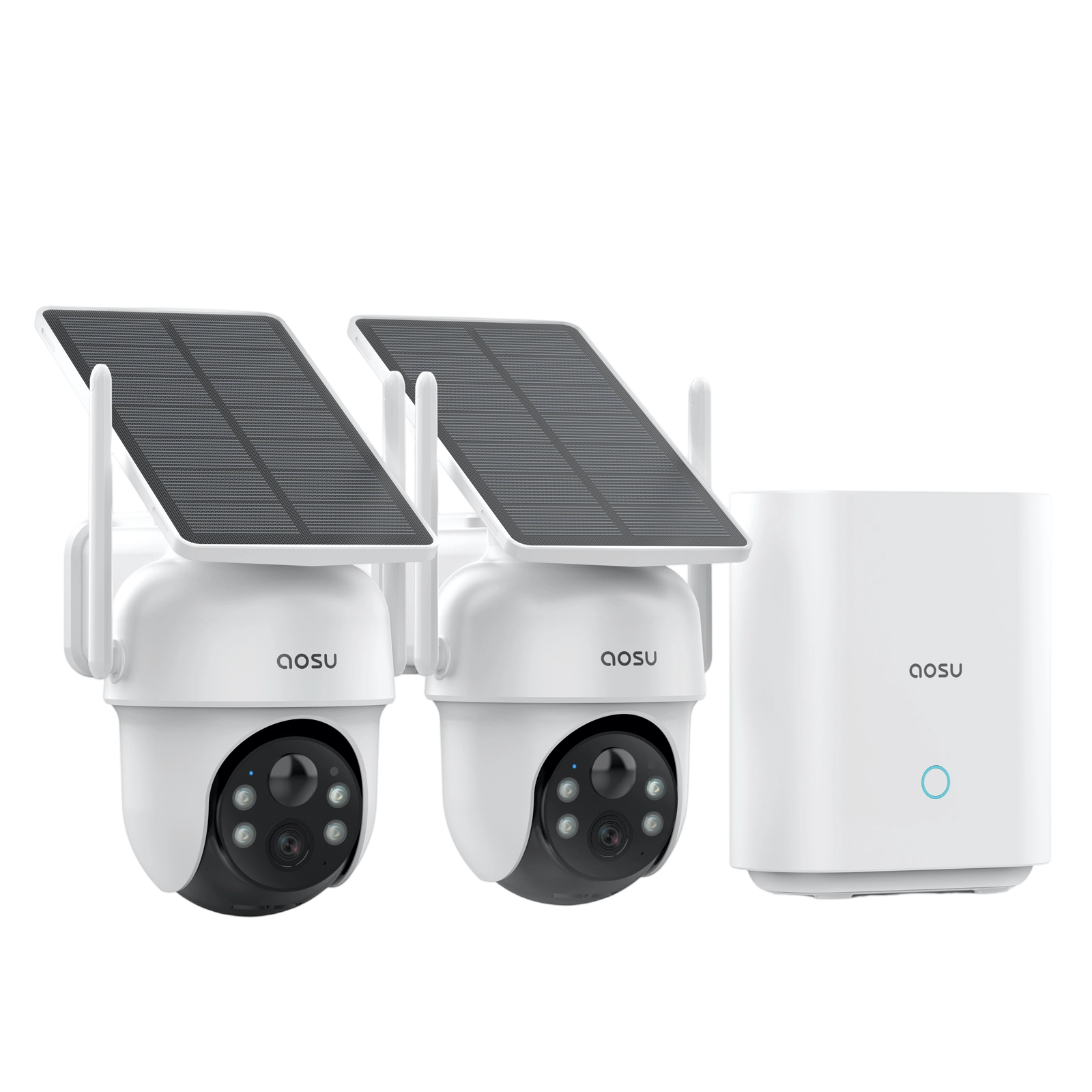
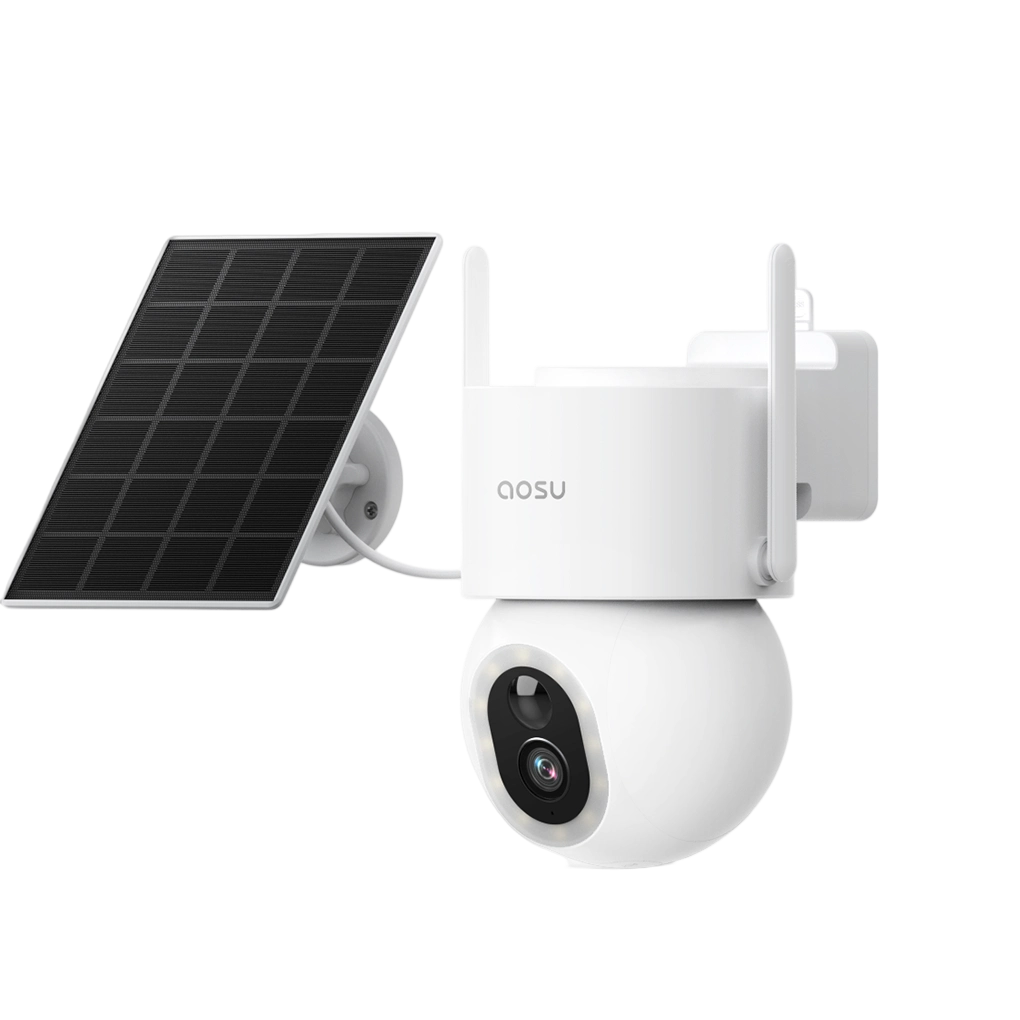
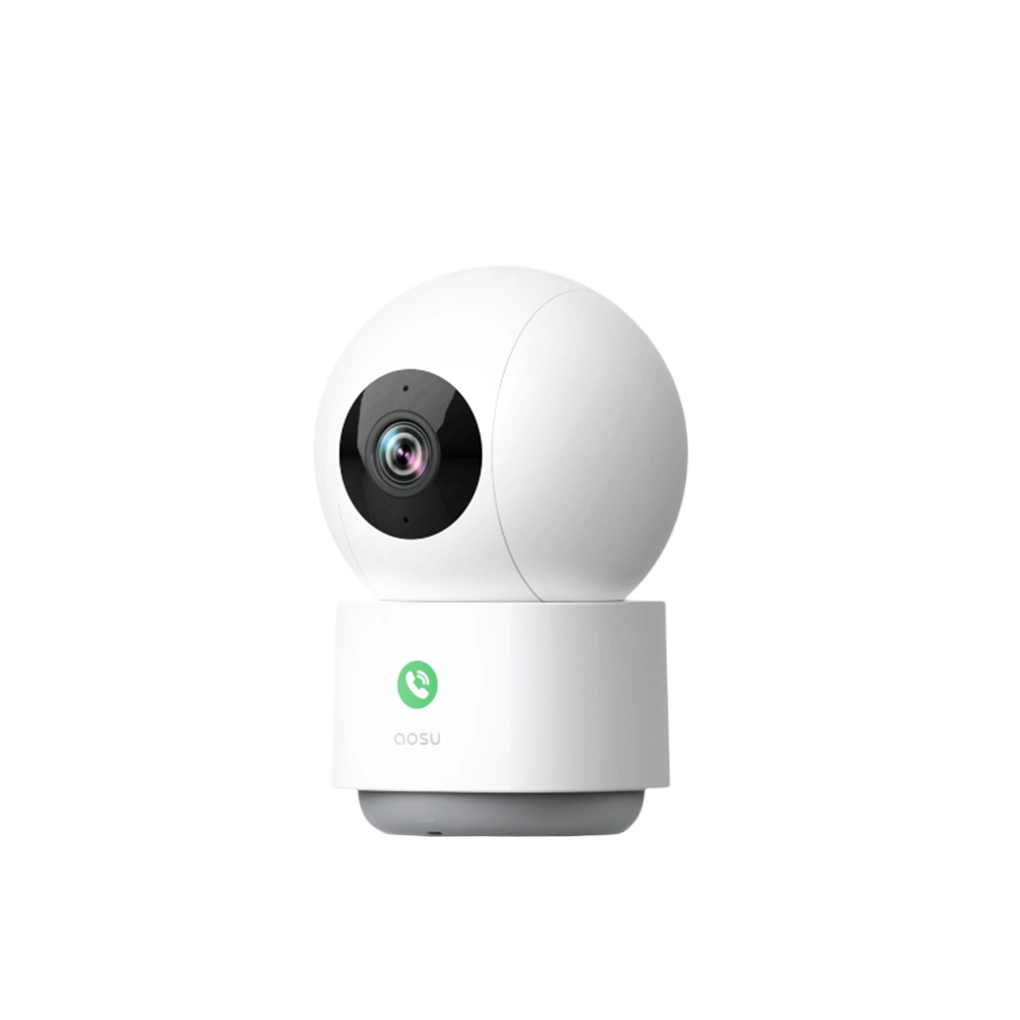
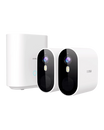
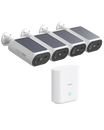
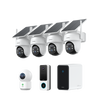
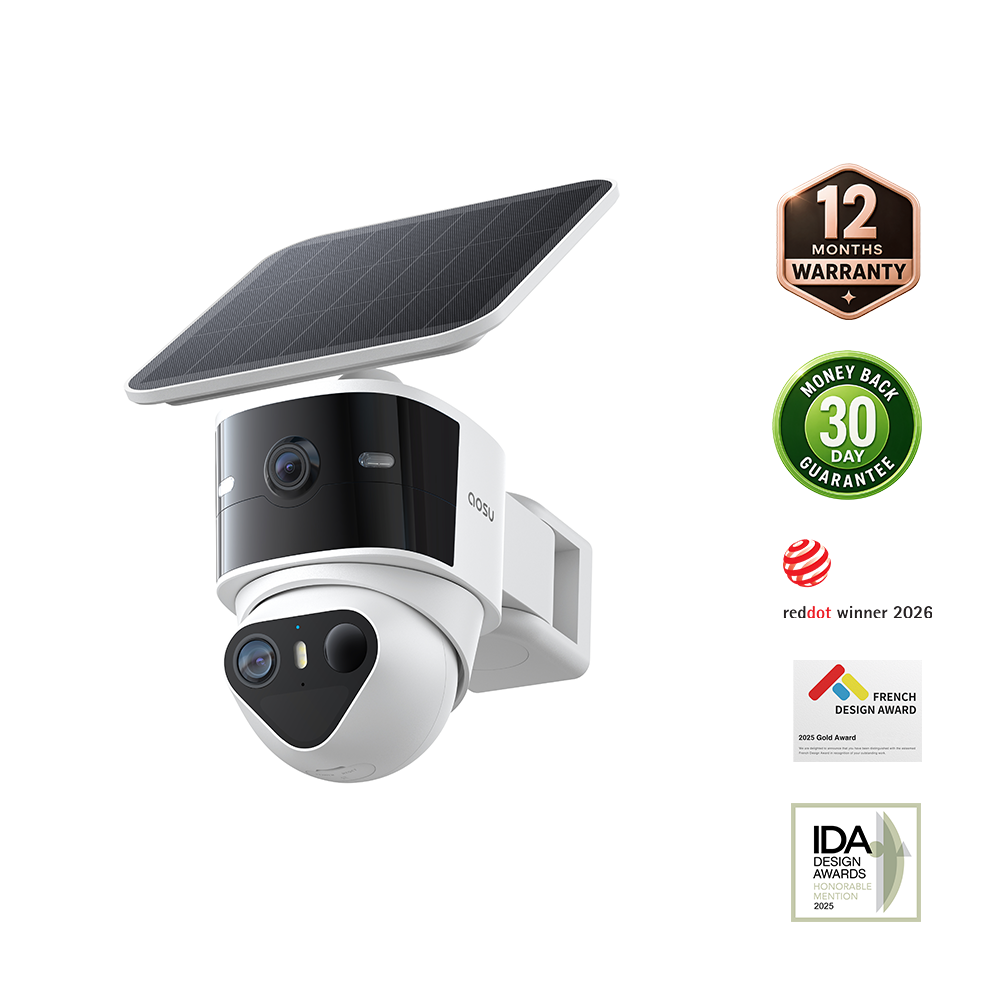
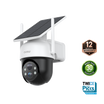
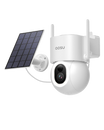
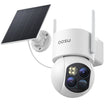
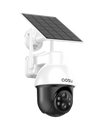
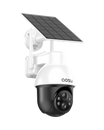
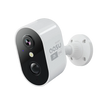
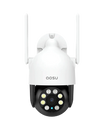
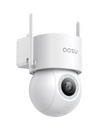
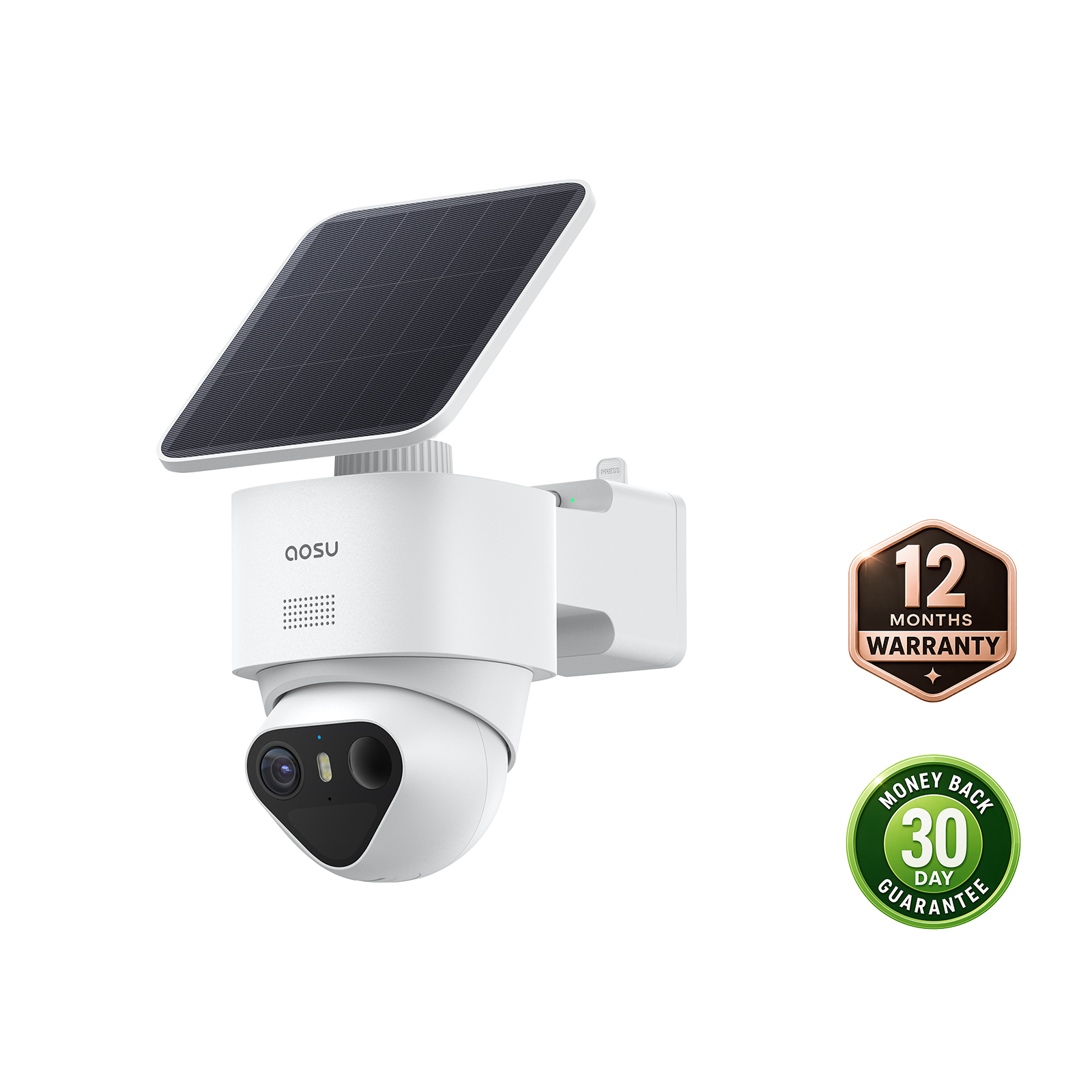
aosu focuses on app-connected home security cameras and camera systems that homeowners can install themselves. That makes it one possible DIY camera layer, not a replacement for every service a local security company may provide.
Learn about security cameras without a required monthly subscription
See how to install a security camera on different surfaces
Browse aosu home security camera systems
Do This Final Review Before You Sign
Set the proposal aside, then review it without the salesperson talking you through it. You should be able to explain the system, total cost, contract, and service process in your own words.
If you cannot tell who owns the equipment, what happens when service ends, or how much cancellation costs, the agreement is not ready to sign.
- Match the proposal to the home
Confirm every important area is covered and every quoted device has a clear purpose and location.
- Check the three-year total
Add equipment, installation, activation, monthly fees, financing, expected service, and any required storage or feature plans.
- Read the exit language
Confirm cancellation, renewal, moving, transfer, ownership, removal, and remaining equipment balances.
- Verify verbal promises
Make sure response, warranty, storage, compatibility, pricing, and support claims appear in the written agreement.
- Keep complete copies
Save the signed contract, proposal, equipment list, cancellation notice, warranty, installer contact, and account information.
To Wrap Up
The best local home security company is not simply the nearest result or the provider with the cheapest starter price. It is the company that can explain the work clearly, document the full cost, use qualified installers, offer fair terms, and support the system after the sale.
List your needs first, compare at least three written proposals, and treat missing information as something to resolve rather than something to assume. If a professional package is more than you need, a DIY or hybrid setup may provide the right balance of service, control, and cost.
FAQs
How many home security companies should I compare?
Compare at least three providers when possible. Give each company the same coverage goals so you can compare equipment, installation, monitoring, ownership, support, contract terms, and total cost on similar terms.
What should I ask a home security company before signing?
Ask who installs and monitors the system, whether you own the equipment, what works without paid service, the complete upfront and recurring costs, the contract term, cancellation and renewal terms, warranty coverage, service-call charges, and what happens if you move.
Are local home security companies better than national companies?
Not automatically. A local company may offer more personal service and regional knowledge, while a national provider may offer broader support and standardized equipment. Compare the actual installer, monitoring, contract, response process, support, and total cost rather than choosing by company size alone.
Do I need professional installation for home security cameras?
Not always. Many app-connected cameras are designed for homeowner installation. Professional help may be worthwhile for hardwired systems, difficult mounting locations, integrated alarms, complex networking, or anyone who prefers the installer to take responsibility for setup and service.
Can I combine professional monitoring with DIY security cameras?
Yes. A hybrid setup can use professional monitoring for alarms, entry sensors, smoke, or carbon monoxide detection while using separate DIY cameras for video and app alerts. Confirm whether the systems need to work together or can be managed independently.