



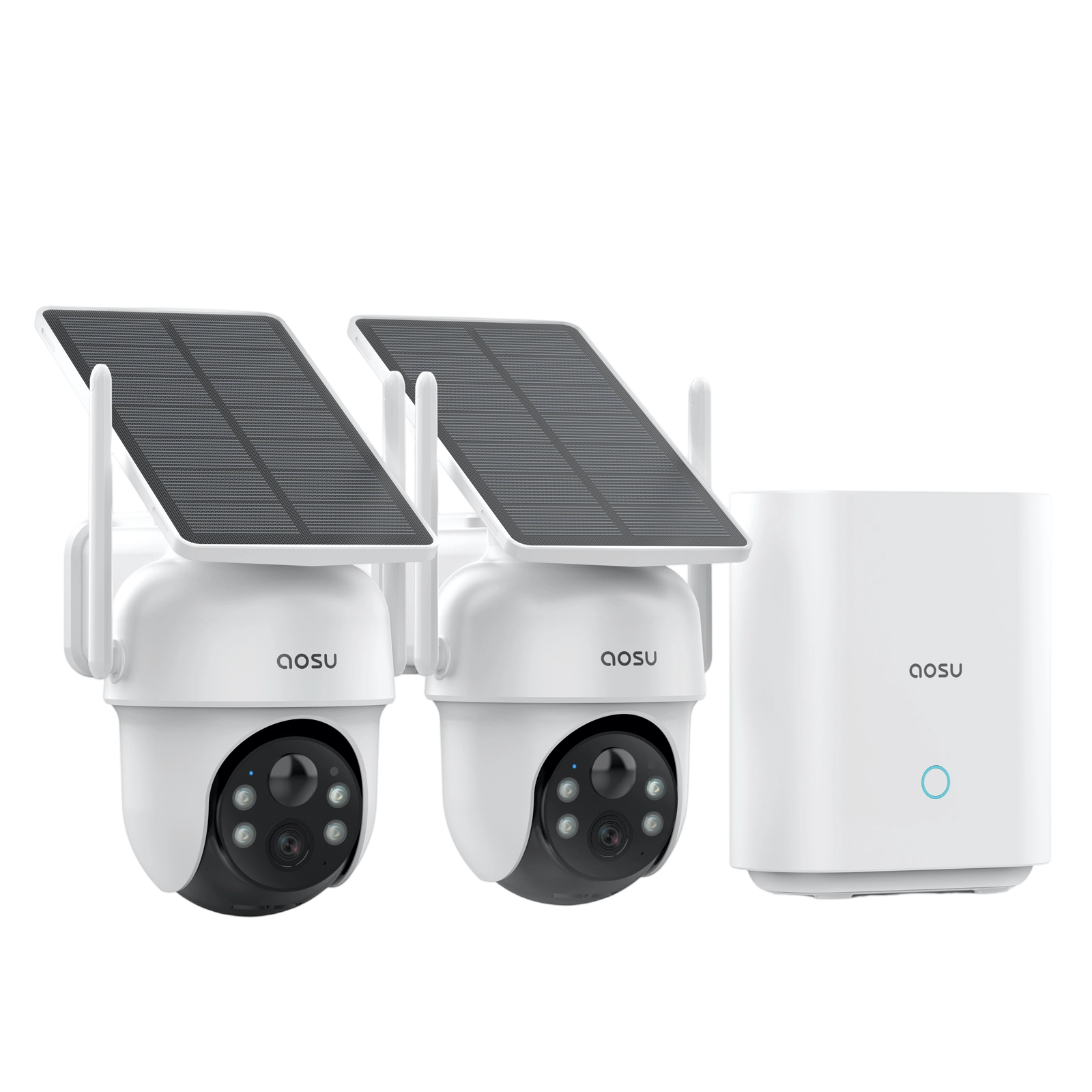
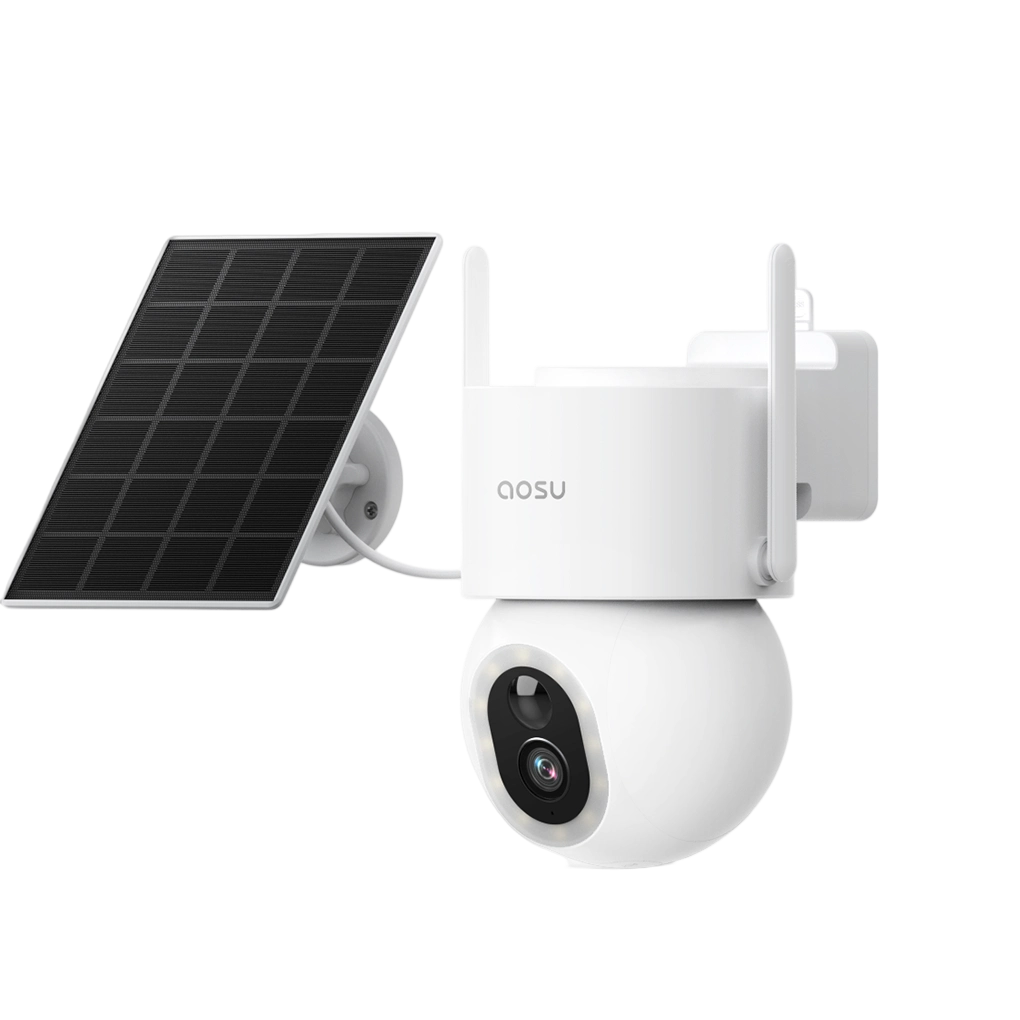
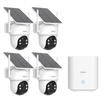
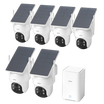
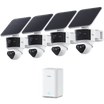
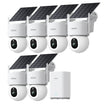
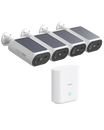
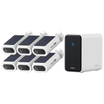
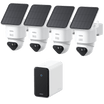
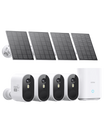

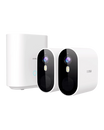
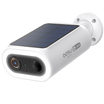
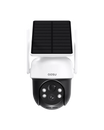
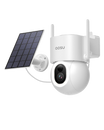
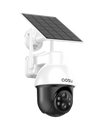
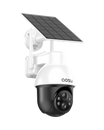
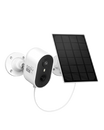
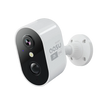
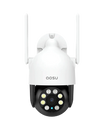
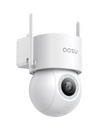
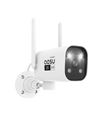

Solar security cameras sound like the easiest possible setup: install the camera, let the sun keep it charged, and forget about maintenance. In the right location, that can pretty much be reality.
But solar is not automatically better for every home. A solar security camera is worth it when the panel gets enough usable sunlight, the camera is placed where manual charging would be annoying, and the camera is not constantly triggered by unnecessary motion.

The Short Answer: Solar Is Worth It in the Right Spot
Solar security cameras are usually worth it for outdoor areas that get several hours of direct sun. They are especially useful for high or otherwise inconvenient to access locations.
They may not be the best choice for shaded porches, north-facing walls, covered entryways, or locations where trees, rooflines, or neighboring buildings block the panel most of the day.
The most important thing to understand is that a solar camera still depends on a battery. The solar panel helps keep that battery topped up, but the camera still needs enough stored power to record at night, during cloudy stretches, and during heavy motion activity.

When Solar Security Cameras Are Worth It
1. The location gets direct sunlight
A solar camera needs the panel to receive usable sun, not just daylight. A bright, open wall or fence line is a much better fit than a shaded porch.
2. The camera is hard to reach
If the camera is mounted above a garage, on a tall post, or near a detached structure, solar can save you from repeated ladder trips.
3. You want lower-maintenance outdoor monitoring
Solar can reduce how often you manually recharge, which is helpful if you want the camera to feel more set-and-forget.
4. The view is not constantly busy
Solar helps most when the camera records meaningful events, not every passing car, branch movement, or sidewalk visitor.
A good solar setup is not just about the camera. It is about matching the camera, panel angle, and activity level to the location.
If you are shopping for solar options, aosu has a dedicated collection of solar-powered security cameras here: https://www.aosulife.com/collections/solar-powered-security-cameras
When a Solar Security Camera May Not Be Worth It
| Solar may disappoint if: | A better option may be: |
|---|---|
|
|
Solar does not mean unlimited energy. If you want 24/7 recording, a wired camera is likely necessary. Similarly, even in locations with enough sun, solar cameras may not have enough power for constantly waking up.
If you currently have a battery camera and think you need solar, it's worth checking motion sensitivity, activity zones, recording length, and alert settings. Settings can reduce unnecessary battery drain and possibly avoid the need for replacing with solar.
Pros and Cons of Solar Security Cameras
| Pros | Cons |
|---|---|
|
|

What to Check Before Buying a Solar Security Camera
1. Check sun exposure at the actual mounting spot
Look at the location in the morning, afternoon, and evening. A spot that seems bright at noon may be shaded for most of the day.
2. Think about panel direction
A solar panel needs to face the most sunlight possible. If the camera has a built-in panel, the camera angle and panel angle may be tied together.
3. Consider how busy the view is
A camera watching a quiet side gate will need less power than one watching a busy street. More events mean more battery use.
4. Check whether the panel is built in or separate
A separate panel can be easier to place in the sun while keeping the camera aimed at the right view.
5. Plan for occasional maintenance
Solar cameras are lower-maintenance, not zero-maintenance. You may still need to clean the panel, adjust settings, or recharge manually during difficult weather.
Is Solar Better Than a Regular Battery Camera?
Solar is not a separate category from battery in the way many people imagine.
Most solar security cameras are still battery cameras. The difference is that the solar panel helps recharge the battery during the day.
A battery-only camera is usually simpler and more flexible to place. A solar camera can be more convenient long term, but only if the panel can get enough sun.
If you are still deciding between the two, start with the location. If the best camera angle is shaded but easy to reach, battery-only may be fine. If the best camera angle gets sun and is annoying to access, solar becomes much more attractive.
Best Places to Use Solar Security Cameras
| Good fits | Weak fits |
|---|---|
|
|
To Wrap Up
Solar security cameras are worth it when they solve a real problem: reducing manual charging in a sunny outdoor location. They are especially useful for high, remote, or hard-to-reach places where running power is not practical.
They are not automatically the best choice for every home. If the location is shaded, overly busy, or hard to position for sunlight, a battery-only or wired camera may be more reliable. The best choice comes down to sunlight, camera angle, motion activity, and how much maintenance you want to handle.
FAQs
Are solar security cameras actually worth it?
Yes, solar security cameras can be worth it if the installation spot gets enough direct sunlight and you want to reduce manual charging. They are less useful in shaded areas or locations with constant motion activity.
Do solar security cameras work at night?
Yes. Solar security cameras typically charge a built-in battery during the day and use that stored power at night. The solar panel does not need sunlight at night because the camera runs from stored battery power.
Do solar security cameras need direct sunlight?
Direct sunlight is best. Some panels may still charge in bright indirect light, but shaded placement, cloudy weather, and short winter days can reduce charging performance.
What is the downside of solar security cameras?
The main downside is sunlight dependency. If the panel does not get enough sun, the camera may still need manual charging. Solar cameras can also be less flexible to place if the camera angle and panel angle conflict.
Are solar cameras better than battery cameras?
Solar cameras are often better for sunny outdoor spots that are hard to reach. Battery-only cameras are usually simpler and more flexible for shaded locations or places where recharging is easy.


Leave a comment
This site is protected by hCaptcha and the hCaptcha Privacy Policy and Terms of Service apply.