



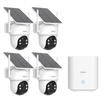
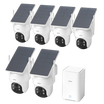
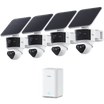
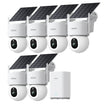
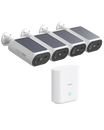
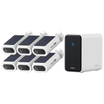
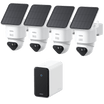
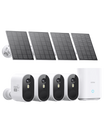

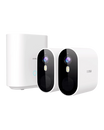
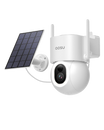
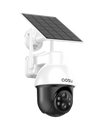
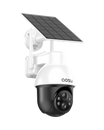
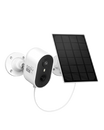
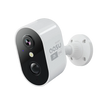
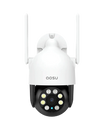
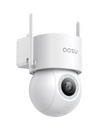
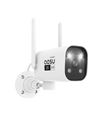


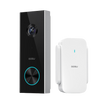
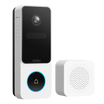
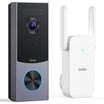
For most modern battery-powered security cameras, the battery can last between 1 and 6 months on a single charge.
However, actual battery life depends on several factors such as motion trigger frequency, event recording length, and weather conditions.

What Affects Security Camera Battery Life?
Motion Activity
The more motion events your camera records, the more battery power it consumes.
For example:
| Motion Activity | Typical Battery Life |
|---|---|
| Low traffic area | 6–12 months |
| Moderate activity | 3–6 months |
| Busy area (street or sidewalk) | 1–3 months |

Cameras installed near busy roads, sidewalks, or trees may trigger more recordings, which drains the battery faster.
Video Recording Amount
More recording requires more power. This means that both long clips and frequent recordings drain power faster.
However, many cameras allow you to adjust clip length, recording frequency, and motion sensitivity. Lowering all these settings can help battery last longer.
Camera Resolution
Higher resolution video uses more power for processing and encoding data. High resolution, such as 4k, provides the clearest footage but also consumes more battery. Lower resolution, such as 720p, provides less detail but uses less power.
Weather Conditions
Extreme weather can significantly impact battery performance. Lithium batteries lose efficiency in low temperatures, and age more quickly in high temperatures.
Typical effects:
| Temperature | Impact |
|---|---|
| 100°F | Significantly faster battery aging |
| 85°F | Slightly faster battery aging |
| 60-75°F | Ideal operating temperature |
| 32°F | Temporary capacity reduction (10–30%) |
| -22°F | Significant temporary capacity reduction (up to 50%) |

However, some cameras are specifically designed to handle extreme weather conditions. Also, both wired and solar cameras are impacted by temperature differently.
How to Make Security Camera Batteries Last Longer
A few simple adjustments can dramatically extend battery life.
Reduce Motion Sensitivity
Lowering motion sensitivity can prevent unnecessary recordings from tree branches, shadows, passing cars, lights, etc.
Adjust Recording Length
Shorter clips use less power. For example, 10-15 second clips will deplete the battery’s charge much slower than 60 second clips.
Direct your Camera’s Focus
Modern security cameras often have advanced options such as outlining areas to create zones indicating where motion should trigger recordings. Cameras with AI features may also be able to exclude animals and even known people from triggering motion recordings.
Position Cameras Carefully
Placing cameras where they face less environmental motion can significantly improve battery life. Avoid pointing cameras directly at busy roads and sidewalks, instead angling them to focus only on your private property.

When Should You Recharge a Security Camera?
Most battery powered security cameras have apps that can notify you when the battery is running low.
In general:
- Recharge around 20–30% battery
- Avoid letting batteries fully drain repeatedly
- Charge using the recommended cable or adapter
Proper charging habits can help extend the overall lifespan of the battery itself.
Are Solar Panels a Good Option?
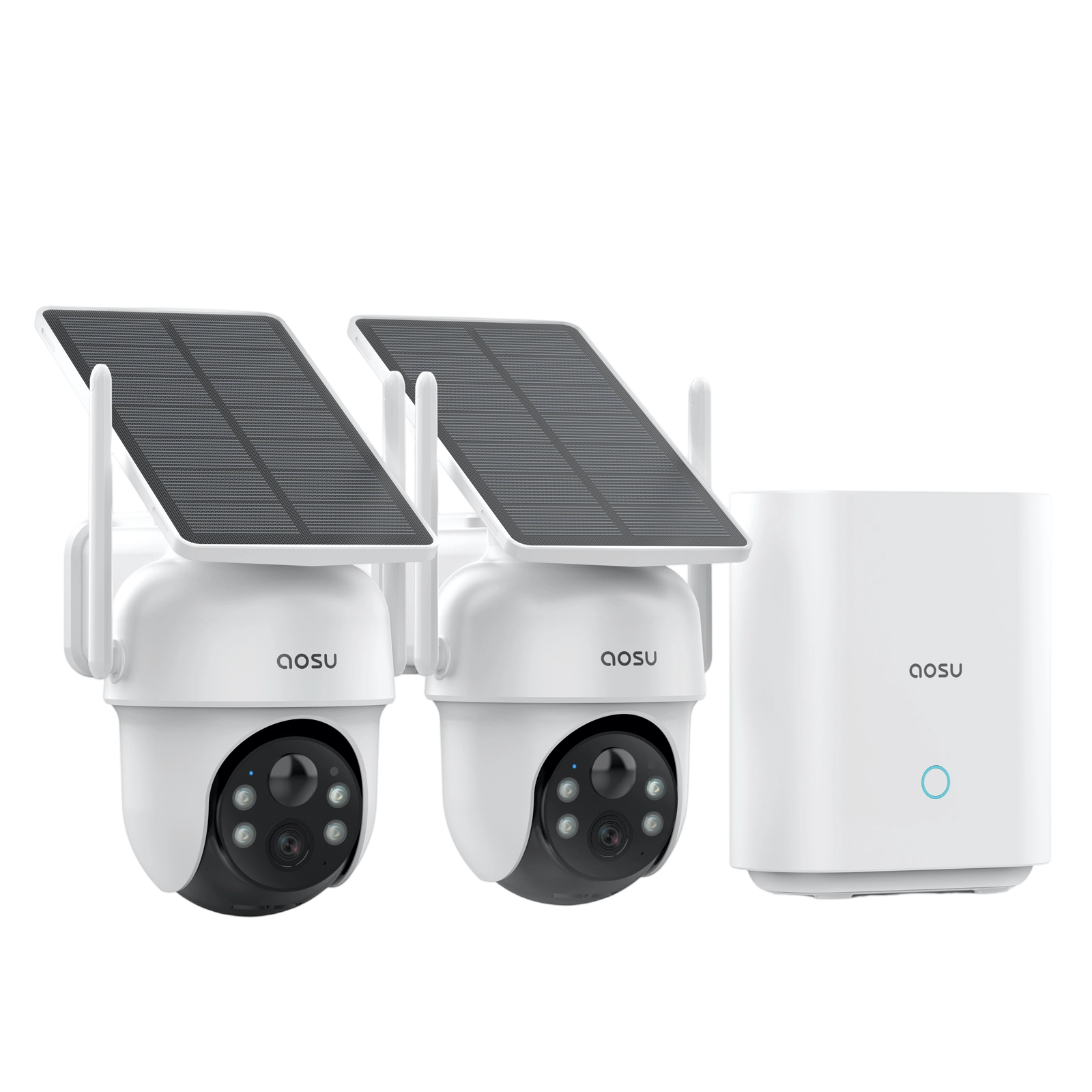
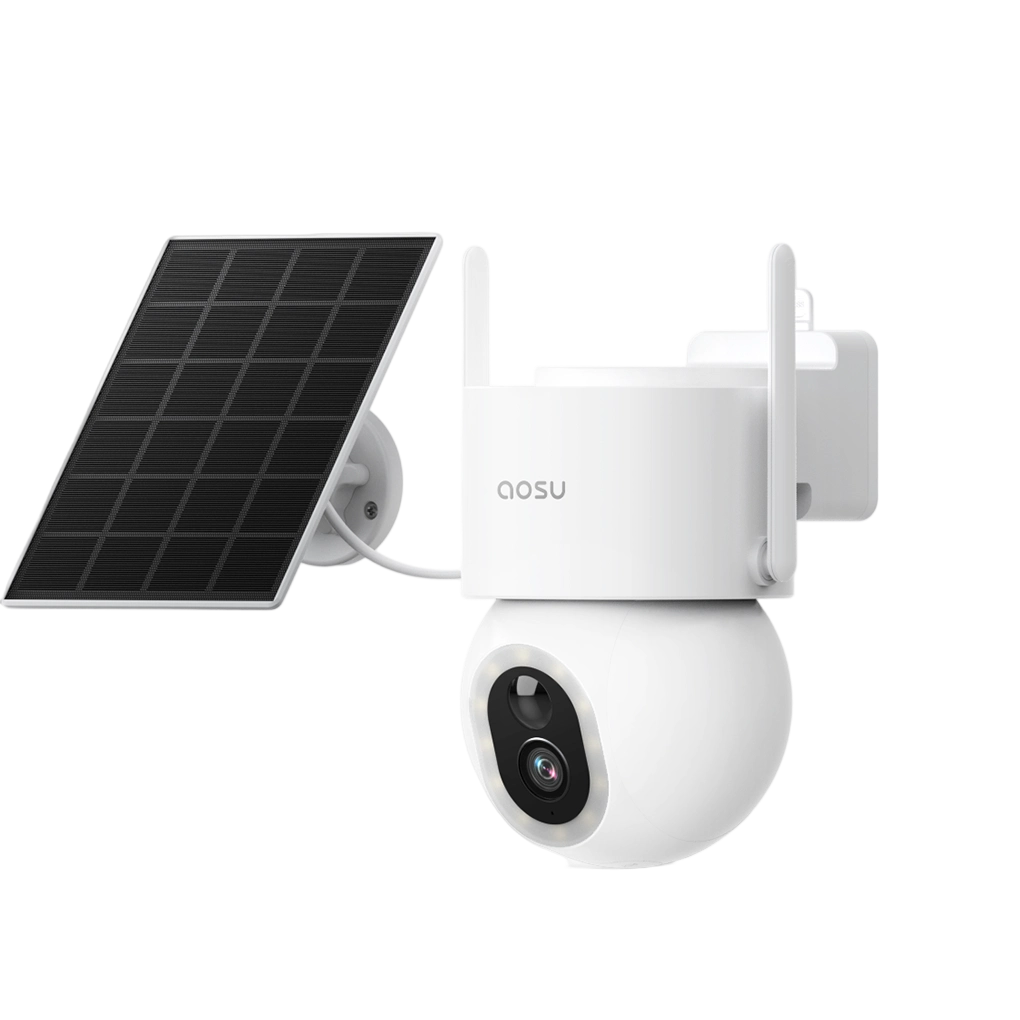
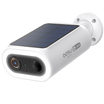
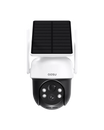
Solar cameras are becoming an increasingly popular choice as they can reduce or even entirely avoid the need to manually charge the battery
Benefits may include:
- fewer manual recharges
- more consistent battery levels
- improved performance in sunny locations
However, solar charging depends on sun exposure and placement.
If you’re interested in solar, check out aosu’s most popular solar camera, the D1 Classic
To Wrap Up
Battery-powered security cameras last can last anywhere from a week to several months on a single charge, some models may last even longer in specific conditions.
Battery life depends heavily on factors like motion activity, recording settings, and weather conditions.
The main techniques to extend battery life are decreasing sensitivity, reducing recording length, and pointing your camera away from high-motion areas.
FAQs
How long do security camera batteries last?
Security camera batteries typically last 1 to 12 months on a single charge, depending on usage and settings. Cameras in low-activity areas can last up to a year, while cameras in high-traffic areas may need recharging every 1–3 months.
What affects security camera battery life the most?
The biggest factors that impact battery life include motion activity, video recording length, resolution settings, and temperature. More motion events and longer recordings increase power usage, while extreme heat or cold can reduce battery performance.
How can I make my security camera battery last longer?
You can extend battery life by lowering motion sensitivity, using activity zones to reduce unnecessary alerts, shortening video clip length, and avoiding pointing the camera at busy areas like streets or sidewalks.
Do wireless security cameras use battery when not recording?
Yes, wireless security cameras still use a small amount of power when idle to stay connected and detect motion. However, most battery drain happens during recording, live viewing, and notifications.
Does cold weather affect security camera battery life?
Yes, cold weather can temporarily reduce battery capacity. At freezing temperatures (32°F / 0°C), battery life may drop by 10–30%, and in extreme cold, performance can decrease by up to 50% until temperatures rise again.
How often do you need to recharge outdoor security cameras?
Most outdoor battery-powered cameras need to be recharged every 2 to 6 months under typical conditions. However, cameras with heavy motion activity or higher settings may require more frequent charging.


Leave a comment
This site is protected by hCaptcha and the hCaptcha Privacy Policy and Terms of Service apply.