




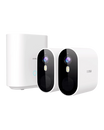
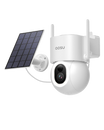
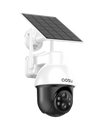
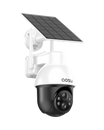
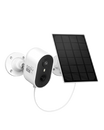
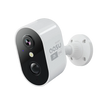
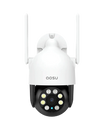
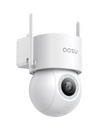
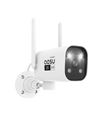




Some surfaces make installation simple, while others require extra care, different hardware, or even a completely different mounting method.
This guide gives a practical overview of how to install a security camera on almost any common surface, including brick, concrete, wood, vinyl siding, and situations where you want to avoid drilling altogether. If you already know your surface, you can jump to the relevant section below and then visit the full guide for detailed steps.

What to Consider Before You Install
Before looking at surface-specific methods, think about the basics that apply to almost every install.
Look for:
- a clear view of the area you want to monitor
- a mounting height of around 7-10 feet for most outdoor cameras
- a location with reliable Wi-Fi or wiring access
Avoid:
- mounting near bright lights
- aiming directly into the sun
- spots blocked by trim, pillars, gutters, or decorations
No matter what surface you choose, good placement matters more than anything else.
A perfectly secure install in the wrong location will still give you poor results.
How to Mount the Camera on Any Surface
Different surfaces need different hardware and techniques.
Wood
Wood is usually the easiest surface to mount a security camera on.
In most cases, you can screw the camera mount directly into the wood using only a drill and the hardware that comes with your camera. Optional steps like pilot holes and exterior sealant can improve long-term stability.
Wood is often a great option when it is:
- solid
- thick enough to hold screws securely
- not rotted, split, or weakened

Read the full guide: How to Install a Security Camera on Wood
Brick
Brick is a strong and durable mounting surface, but it requires careful drilling and anchors.
For brick installation, you generally need:
- a drill, ideally a hammer drill
- a masonry drill bit
- screw anchors
- screws for the mount
The most important rule is to drill into the brick itself, not the mortar. Mortar is easier to drill, but it is weaker and more likely to loosen over time.

Read the full guide: How to Install a Security Camera on Brick
Concrete
Concrete is also very strong, but it usually takes a little more effort than wood or brick.
A concrete installation often requires:
- a hammer drill
- a masonry bit
- either anchors or concrete screws
- cleaning dust from the holes before fastening the mount
Concrete is a strong choice when you want a highly durable mount, but it is not the quickest or easiest surface to work with.

Read the full guide: How to Install a Security Camera on Concrete
Vinyl Siding
Vinyl siding is one of the trickier surfaces because the siding itself is not designed to support weight.
That means you generally should not screw a camera mount directly into the vinyl alone. Instead, the two main options are:
- use a no-drill vinyl siding mount
- drill through the siding into solid structure behind it
If you choose to drill through the siding, you also need to think about sealing the holes properly to reduce the risk of water intrusion. If you are not sure what is behind the siding, it is better to confirm that before drilling.
Vinyl siding can work, but often the surface behind the siding is half the consideration.

Read the full guide: How to Install a Security Camera on Vinyl Siding
No-Drill Installation
Sometimes you want or need to avoid drilling altogether.
No-drill installation methods can be useful when:
- you are renting
- you want to avoid damaging the surface
- the surface is difficult or risky to drill into
- you want a temporary or adjustable setup
Common no-drill options may include:
- adhesive mounts
- clamp mounts
- gutter mounts
- vinyl siding hooks or mounts
- freestanding or alternative placement options
The tradeoff is that no-drill methods are often less secure and less permanent than screw-mounted installations. They can still be a great option in the right situation.

Read the full guide: How to Install a Security Camera Without Drilling
Which Surface Is Best for Mounting a Security Camera?
If you are choosing between surfaces, here is the simple version:
Easiest to install
- wood
Most secure long term
- brick
- concrete
Most surface-sensitive
- vinyl siding
Best for easy adjustment
- no-drill methods
That does not mean one surface is always better than another. In real situations, the best surface is usually the one that gives you the camera placement you want.
Common Mistakes to Avoid on Any Surface
Choosing the surface before choosing the placement
The best mounting surface is not always the best camera location. Coverage should come first.
Using the wrong hardware
Masonry surfaces need masonry tools. Vinyl siding needs special care. Solid wood usually does not need the same hardware as brick or concrete.
Ignoring weatherproofing
Outdoor holes, especially in wood or siding, should be sealed when appropriate to reduce the risk of moisture damage.
Mounting into weak material
Rotten wood, cracked concrete edges, unstable siding, or crumbling mortar can all lead to an unreliable installation.
Picking a no-drill method just because it seems easier
No-drill setups can be useful, but they are not always the best long-term option.
When You Should Use a Dedicated Surface Guide
This article is useful as a starting point, but the dedicated guides are better when you already know the material you are working with.
Use the full guide if you need:
- exact tools
- step-by-step instructions
- more detail about anchors, sealant, or drilling technique
Here are the full articles again:
- How to Install a Security Camera on Wood
- How to Install a Security Camera on Brick
- How to Install a Security Camera on Concrete
- How to Install a Security Camera on Vinyl Siding
- How to Install a Security Camera Without Drilling
To Wrap Up
There is no single best method for installing a security camera on every surface. Wood is usually the easiest, brick and concrete are among the most secure, vinyl siding requires more caution, and no-drill methods are best when avoiding damage matters more than permanence.
If you are not sure where to start, first identify the surface, then match your method to it. Once you know that, the dedicated guides can help you handle the actual installation more confidently.
FAQs
What is the easiest surface to install a security camera on?
Wood is usually the easiest surface to work with because screws can often be driven directly into it without anchors or masonry tools.
What is the most secure surface for a camera mount?
Brick and concrete are often among the most secure long-term mounting surfaces when installed correctly.
Can I install a camera on vinyl siding?
Yes, but you should not screw into the siding alone for support. A no-drill siding mount or drilling into the structure behind the siding is usually the better approach.
Can I install a security camera without drilling?
Yes. No-drill methods like gutter mounts, clamp mounts, adhesive options, and siding mounts can work in the right situations, though they are often less secure than permanent screw-mounted installs.


Leave a comment
This site is protected by hCaptcha and the hCaptcha Privacy Policy and Terms of Service apply.