The use of cameras in classrooms is becoming increasingly common as schools seek to enhance safety, improve transparency, and support effective teaching. While this trend offers clear benefits, it also raises important questions about privacy and legality—particularly one central concern: is it illegal to have cameras in classrooms?
The answer isn’t as straightforward as a simple yes or no. Regulations vary significantly from state to state, and schools must navigate a complex balance between protecting students and staff while complying with privacy laws. In this article, we’ll explore the legal landscape around classroom surveillance, examine the pros and cons of using
school cameras, and provide practical guidance on how to implement them responsibly and effectively. Also check out our
hot sellers from the last
30 days:
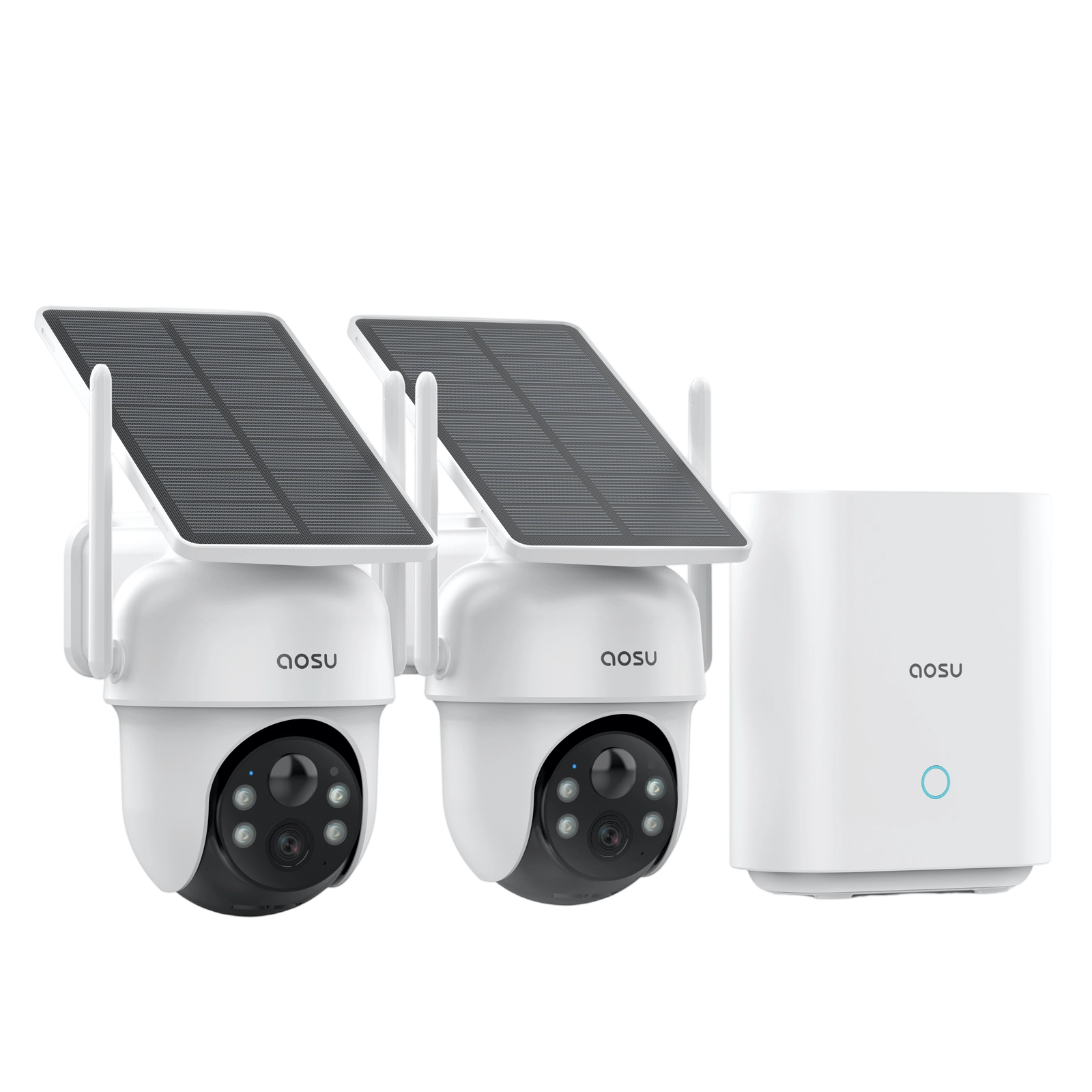
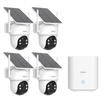
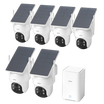
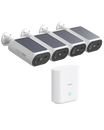
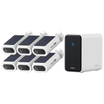
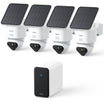
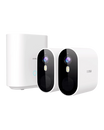
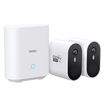
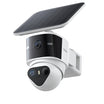
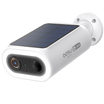
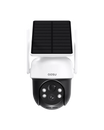
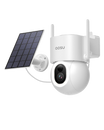
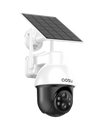
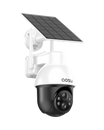
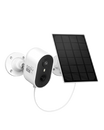
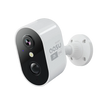
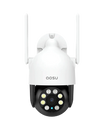
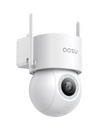
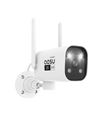
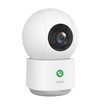
Motion Detection Cameras
What U.S. State Laws Say About Cameras in Classrooms
 Is it illegal to have cameras in classrooms? In the U.S., that depends on where your school is. Different states have different laws—some allow cameras with restrictions, while others require full consent or prohibit recording entirely.
Here are a few examples to show how state laws vary:
|
State
|
What the Law Says
|
|
Texas
|
Allows video and audio in special education classrooms if requested by a parent or school official. General classrooms are more restricted.
|
|
California
|
Generally bans classroom cameras without written consent from both teachers and administrators.
|
|
Illinois
|
Follows an all-party consent law. Everyone being recorded—students, parents, and staff—must agree.
|
|
Florida
|
Video-only cameras are allowed. Audio recording requires consent from all parties.
|
|
New York
|
Cameras are allowed in hallways and public areas. In classrooms, schools must post visible signs and notify everyone.
|
|
North Carolina
|
No statewide ban, but schools must follow local policies and privacy laws. Consent is often required.
|
This small sample shows how much laws can vary. Always check your local regulations and consider federal rules like
FERPA, which help protect student privacy and may apply to video footage recorded in classrooms.
How to Legally and Ethically Use School Cameras
Installing school cameras can be a smart way to improve safety and accountability—but only if it's done carefully. Here are five key steps to ensure your use of cameras in schools is both legal and respectful:
1. Know your state’s laws
Every U.S. state has different rules about whether and how schools can use surveillance cameras—especially in classrooms.
For example, Texas allows cameras in special education classrooms with a parent or staff request, while California generally prohibits recording in classrooms without written consent from both staff and administrators. Some states also have “all-party consent” laws, meaning everyone who might be recorded (students, teachers, parents) must agree.
Not sure where your state stands? Check with a school attorney or your local Department of Education.
2. Get clear, written consent
Before recording inside a classroom, always get written permission.
This includes:
• Consent from teachers and staff, especially for spaces where they regularly work or speak
• Parental notification and/or permission, particularly if students appear on video or audio
If you’re recording audio (not just video), consent laws are even stricter in many states.
Providing consent forms at the beginning of the school year—explaining exactly how school cameras are used—can prevent misunderstandings later on.
3. Be transparent with signage and policies
Place visible signs where cameras are used. This applies to both public areas (like entrances, hallways) and classrooms. Transparency shows that your goal is safety, not secret monitoring. Also, create and share a simple policy that explains:
• Why cameras are in use
• What is being recorded (video, audio, or both)
• Who has access to the footage
• How long recordings are stored
This helps build trust with both staff and families.
4. Avoid private or sensitive areas
No matter your goals, some places are strictly off-limits when it comes to surveillance. Never place cameras in:
• Restrooms
• Locker rooms
• Teacher lounges or break areas
• Nurse’s offices
Recording in these areas not only violates privacy expectations—it may break the law. Stick to cameras in schools only where privacy isn’t reasonably expected.
5. Train staff and handle concerns with empathy
Even if the technology is working, your policy won’t succeed unless people understand and accept it. Provide short, clear training for teachers, administrators, and IT staff on:
• Where cameras are installed
• How footage is used
• What legal boundaries apply
Also, take time to listen to concerns:
• Teachers might worry that they’re being judged or monitored unfairly. Emphasize that cameras are for safety, not performance evaluation.
• Parents may fear their child’s privacy is at risk. Explain that recordings are secure, access is limited, and footage is only reviewed when needed for safety or conflict resolution.
When school cameras are used legally, openly, and with empathy, they can help create safer, more accountable school environments—without sacrificing trust.
How Schools Use Cameras to Improve Safety and Teaching
When installed thoughtfully, school cameras do much more than just record video—they actively support a safer, smarter, and more connected learning environment. Here’s how schools are using them in practical ways:
• Monitor student behavior and prevent incidents: Cameras in classrooms and hallways help staff spot and respond to issues like bullying, fighting, or unsafe behavior. Their presence alone can deter many problems before they start, creating a more respectful environment for learning.
• Record lessons for training and improvement: Teachers and administrators can review footage to reflect on teaching strategies, student engagement, or classroom management. This is especially useful for new educators or peer mentoring. It’s like watching game film—only for education.
• Enable remote parental viewing in special education: In certain states and school programs, especially in special education settings, video monitoring allows parents to better understand and support their child’s learning. This can be vital for non-verbal students or those with behavioral needs.
• Assist emergency response with footage reviews: In the event of a lockdown, evacuation, or safety threat, camera footage gives schools and first responders a clear timeline of events. Reviewing video helps improve emergency drills and response protocols.
• Complement tools like a document camera for teachers: While classroom surveillance focuses on safety and accountability, tools like a document camera for teachers enhance the learning experience directly. Used together, they give teachers better visibility and flexibility—recording lessons while presenting materials in real time.
By combining technology with clear goals and respectful practices, cameras in schools can serve both education and safety without compromising trust.
Recommended Indoor Cameras for Classroom Use
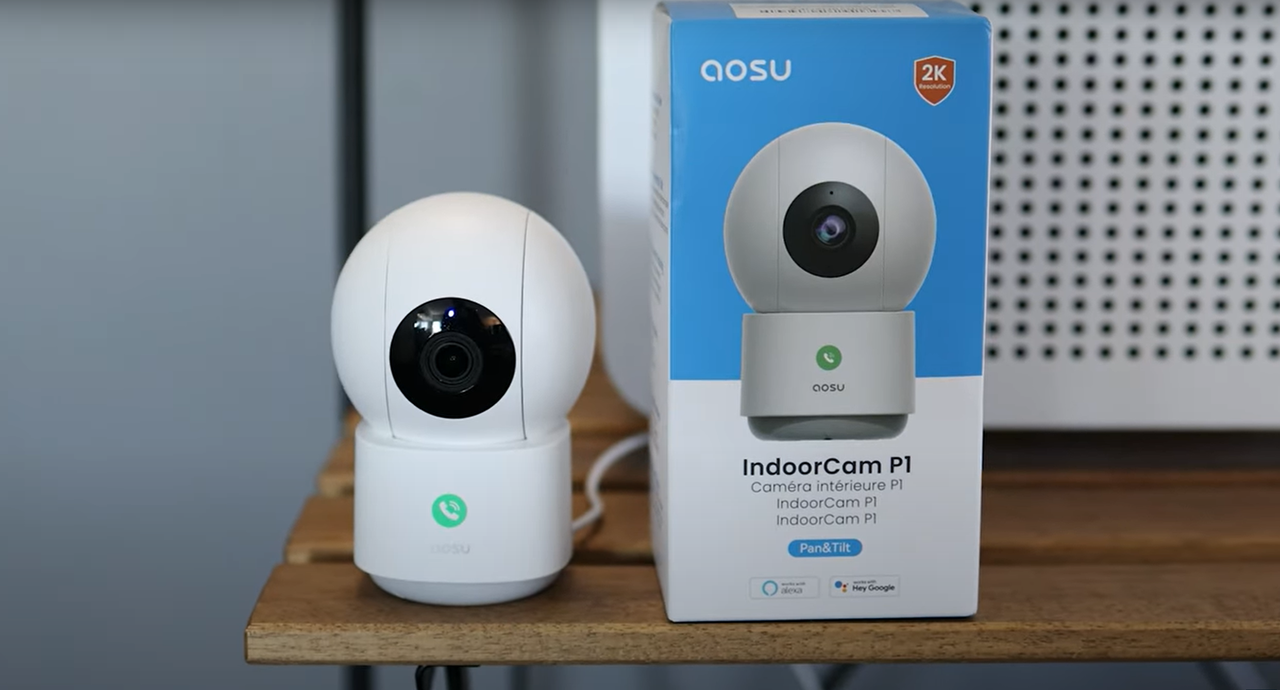
Choosing the right indoor camera can make a big difference in how effective your classroom monitoring setup is. You need something that’s reliable, easy to use, and respectful of privacy—all while delivering clear video and secure storage. Here are two top picks from aosu, a trusted brand in smart home and school surveillance. Both models offer features ideal for use in classrooms or educational spaces:
|
Product
|
Best For
|
Key Features
|
Link
|
|
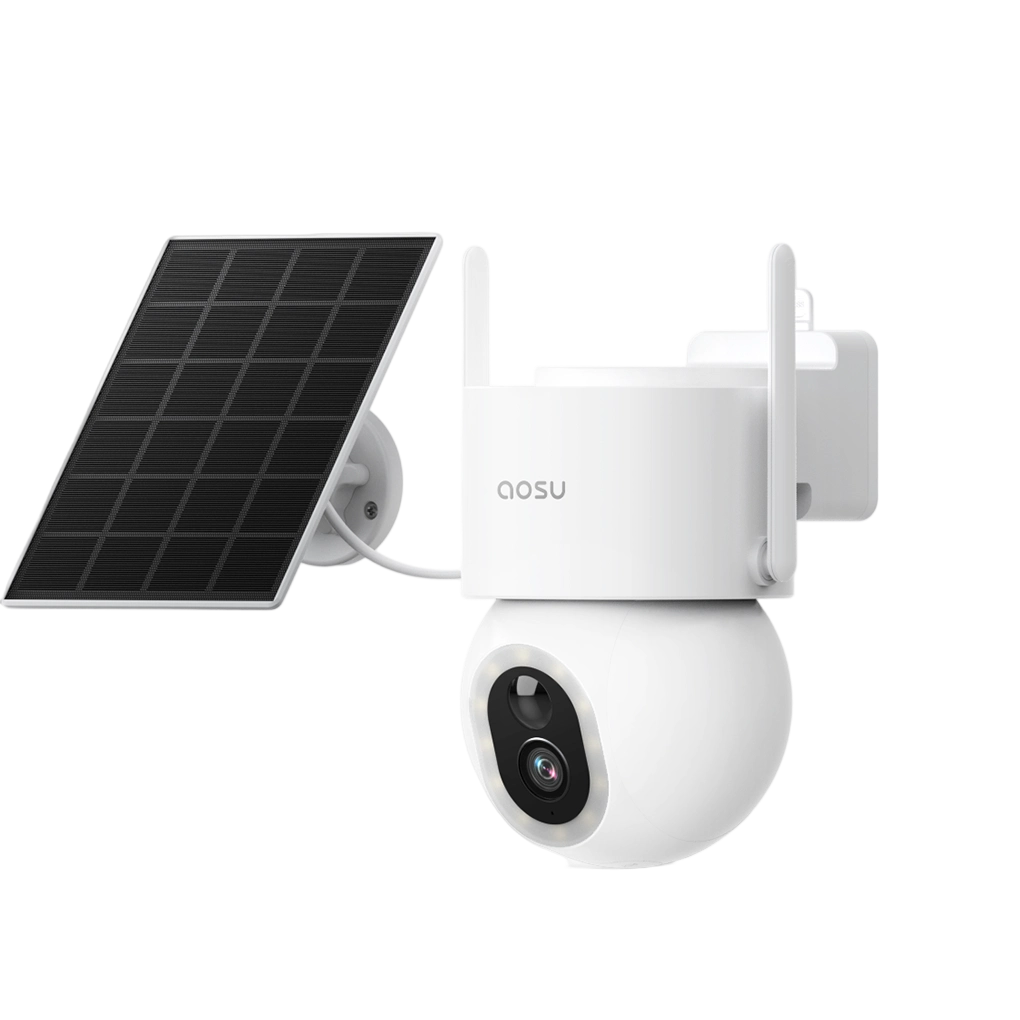
IndoorCam P1 Pro
|
Large classrooms or multi-student spaces
|
- 2K resolution for sharp image quality - AI-powered human detection and motion tracking - 360° pan and tilt for full-room coverage
|
|
|
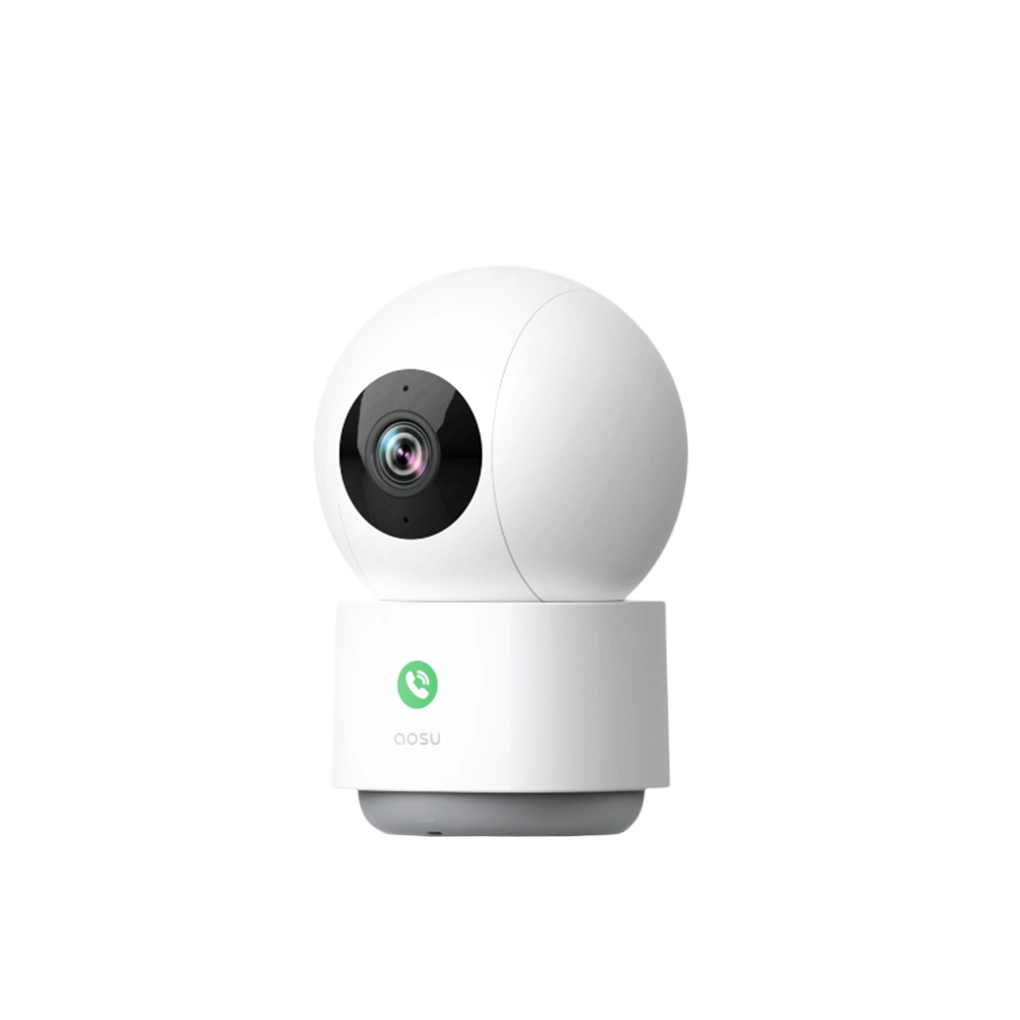
IndoorCam P1
|
Small classrooms or special education rooms
|
- 1080p HD video - Two-way audio for easy teacher-parent communication - Compact design and easy setup
|
|
Both models are designed to be plug-and-play, with flexible installation options and secure cloud or local storage. They're especially useful for schools looking to introduce
school cameras without adding complexity or technical overhead. Learn more about aosu and explore their full range of smart security solutions at
aosulife.com.
Pros and Cons of Classroom Surveillance
Using school cameras has become more common in recent years, but it’s still a topic that raises strong opinions. Some believe cameras help protect students and improve learning, while others worry about privacy and trust. Let’s take a look at the main advantages and downsides of using cameras in schools:

|
✅ Pros
|
⚠️ Cons
|
|
Better safety – Cameras can help stop bullying, vandalism, or fights before they happen.
|
Privacy issues – Students and teachers might feel uncomfortable being watched.
|
|
More transparency – Parents and school leaders can better understand what happens in class.
|
Rules vary by state – Some states require written consent or limit what can be recorded in classrooms.
|
|
Teacher support – Recordings can be used for training or improving teaching.
|
Feeling of pressure – Some teachers may feel like they’re being constantly judged.
|
|
Special education support – Helps schools meet special needs and protect vulnerable students.
|
Setup and cost – Good equipment, storage, and maintenance can be expensive.
|
Keep in mind: Laws aren’t the same everywhere. For example, Texas allows cameras in special education classrooms, but Illinois requires everyone to agree before recording. If your school wants to install cameras, it’s critical to check local laws first.
Conclusion
The use of cameras in classrooms is a complex issue—legally, ethically, and practically. While some may ask, “Is it illegal to have cameras in classrooms?”, the real question is how to use them responsibly. Laws vary by state, and schools must take care to respect privacy, gain proper consent, and communicate clearly with all stakeholders.
When implemented thoughtfully, classroom cameras can enhance safety, support better teaching, and improve transparency between schools and families. The goal should never be surveillance for control, but rather protection, accountability, and improved learning environments.
By staying compliant with the law, being transparent about policies, and focusing on educational value, schools can turn camera technology into a smart, supportive tool—not just for monitoring, but for meaningful improvement.
FAQ
Is It Illegal to Have Cameras in Classrooms?
Cameras in classrooms are not universally illegal, but laws vary by state and country. Generally, schools can use video for safety, discipline, or monitoring, but consent and privacy rules must be followed. Hidden cameras or recording without permission can lead to legal consequences. Always check local regulations and school policies before installing any system.
What Are the Legal Requirements for Classroom Surveillance?
Classroom surveillance must comply with privacy laws, including obtaining consent from parents, guardians, or staff when required. Schools should clearly communicate recording policies and avoid capturing private activities. Legal requirements often include proper signage, secure storage, and limited access to footage. Following these rules protects students, staff, and the institution from violations.
How Is Student Privacy Protected With Classroom Cameras?
Student privacy is maintained by limiting camera coverage to public classroom areas, restricting access to recordings, and ensuring consent is obtained when necessary. Policies should specify retention periods and purposes for surveillance. Combining transparency and compliance creates a safe learning environment while protecting personal privacy and avoiding legal risks.
What Are the Best Practices for Classroom Monitoring?
Best practices for classroom monitoring include using visible cameras for safety, obtaining consent from teachers and guardians, storing footage securely, and regularly reviewing policies. Cameras should focus on public areas only, and monitoring should support education and safety. Tools from providers like aosu can simplify management while ensuring compliance and effectiveness.
What Are the Legal Risks of Using Classroom Cameras?
Legal risks include violating privacy laws, recording without consent, or misusing footage. Schools may face lawsuits or fines if cameras capture private areas or fail to follow consent protocols. Clear policies, staff training, and proper system setup mitigate risks, making monitoring safe and legally compliant.
What Are the Benefits of Installing Cameras in Classrooms?
Installing cameras in classrooms improves student safety, deters bullying, and helps monitor teaching quality. Footage can aid in resolving disputes and supporting evidence-based decisions. Used responsibly, cameras enhance accountability, foster a secure learning environment, and provide peace of mind to parents, staff, and administrators.
Can Cameras Help Prevent Bullying in Classrooms?
Cameras can deter bullying by increasing accountability and allowing staff to quickly address incidents. Monitoring common areas and classrooms helps create a safer environment and supports students’ emotional well-being. Clear policies and ethical use ensure that surveillance protects students without infringing on privacy rights.
What Federal Laws Govern Classroom Cameras?
Federal laws such as FERPA in the U.S. govern classroom cameras, protecting student educational records and privacy. Schools must comply with these regulations when capturing and storing footage. Policies should limit access, retain recordings only as needed, and use video solely for safety and educational purposes, ensuring legal compliance.










Leave a comment
This site is protected by hCaptcha and the hCaptcha Privacy Policy and Terms of Service apply.