




























If your dog is missing, begin a calm local search and notify the organizations that may receive found animals. Divide tasks among helpers so searching, reporting and checking sightings can happen together.
Start Now: An Immediate Action Checklist
- Check the home, yard and nearby hiding places. Ask neighbors to check garages and sheds safely.
- Record the last confirmed location, time and direction of travel.
- Contact local animal control, shelters and nearby veterinary practices. Submit a lost-dog report and ask how to check incoming animals.
- Contact the microchip registry, mark the dog missing and verify your phone numbers.
- Share a recent photograph and ask people to report sightings without chasing.
Follow the Best Friends lost-pet action guidance. Continue checking shelters and reports; do not rely on a single call.

If You See Your Dog, Do Not Chase
Do not run after, shout at or surround a frightened dog. Keep your distance and avoid driving it toward traffic. Ask helpers to report the exact location, time and direction rather than attempting a capture.
Follow the LA County guidance for a loose dog, and contact local animal control or an experienced recovery team if the dog cannot be approached safely.
Spread the Word
Notify neighbors and relevant local groups while other helpers continue reports and sighting checks. Ask people to check their own yards, garages and sheds safely and to report sightings without chasing or cornering the dog.
Use a recent photograph, a clear description, the last confirmed location and time, and reachable contact numbers. Share consistent information in local community and lost-pet groups. Use one contact person to coordinate updates and separate confirmed sightings from unverified reports.
Record each sighting’s location, time and direction of travel. Update posts when information changes and when your dog is found.
Create Flyers and Posters
Design for Visibility: Use bright colors and large, readable fonts. Keep the layout simple and uncluttered so the key details are easy to read.
The ASPCA lost-pet guide recommends a clear photograph, identifying details and two phone numbers. Use this copyable template, replacing every bracketed field with accurate information before sharing:
LOST DOG — PLEASE REPORT SIGHTINGS
[Large, recent photograph]
Last confirmed sighting: [area, date and time]
Description: [size, color, markings and collar]
DO NOT CHASE OR CORNER
Please report the location, time and direction of travel.
Call/text: [primary number]
Backup contact: [second number]
Use the same contact details across posters and online posts. Obtain permission before placing signs, keep a record of sightings and remove notices when the search is resolved. Do not publish your full microchip number.

Get Local Advice Before Setting Up a Recovery Point
Do not rely on a dragged clothing trail to bring your dog home. Ask an experienced local lost-dog recovery group or animal control team whether a monitored recovery point is appropriate for your dog and the location.
Provide the latest confirmed sightings and explain any traffic, wildlife or property-access concerns. Do not let an unverified scent strategy delay shelter reports, registry updates or sighting follow-up.
Use Existing Camera Footage as a Search Clue
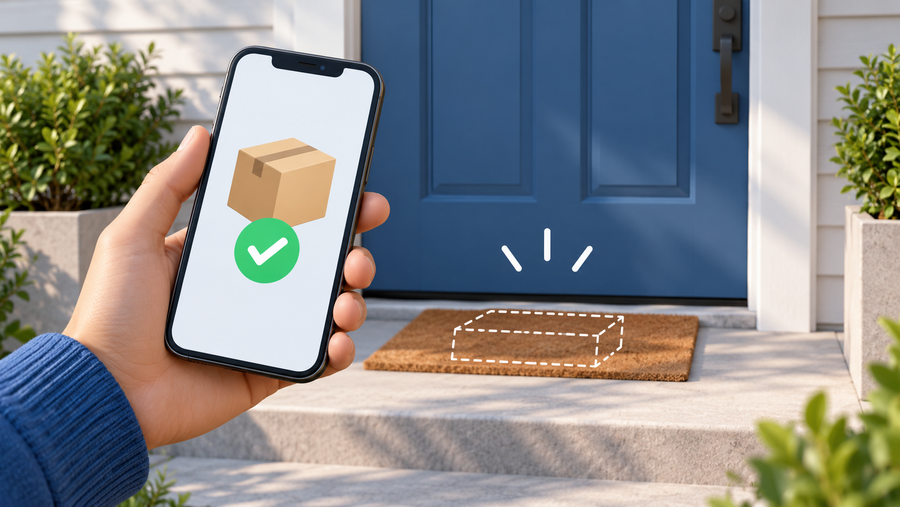
Review saved clips around the last known time your dog was home. Look for an exit point, direction of travel or return visit. Note the camera’s displayed time and check whether its clock is accurate.
Ask nearby residents or businesses whether they can review relevant footage. Preserve useful clips before they are overwritten.
Live view does not establish continuous recording. Event clips may miss activity, and pet-detection support varies by model and settings. Test the functions available on your camera rather than assuming every animal will trigger an alert.
A fixed home camera provides information only within its view. It cannot locate a dog elsewhere or guarantee a safe recovery.

Wrap-Up and Next Steps
Keep the search organized: update sightings, revisit shelter records and maintain reachable contact numbers. After reunion, check how the escape happened and repair the gate, fence, door or handling arrangement involved.
An ID tag and registered microchip help a finder identify your dog and contact you; they do not prevent escape or provide GPS tracking. See the AVMA explanation of pet microchips.
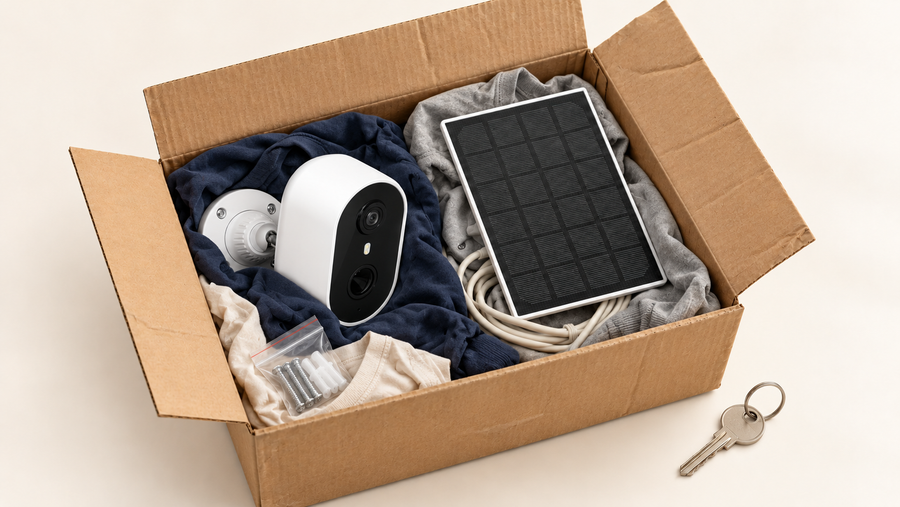
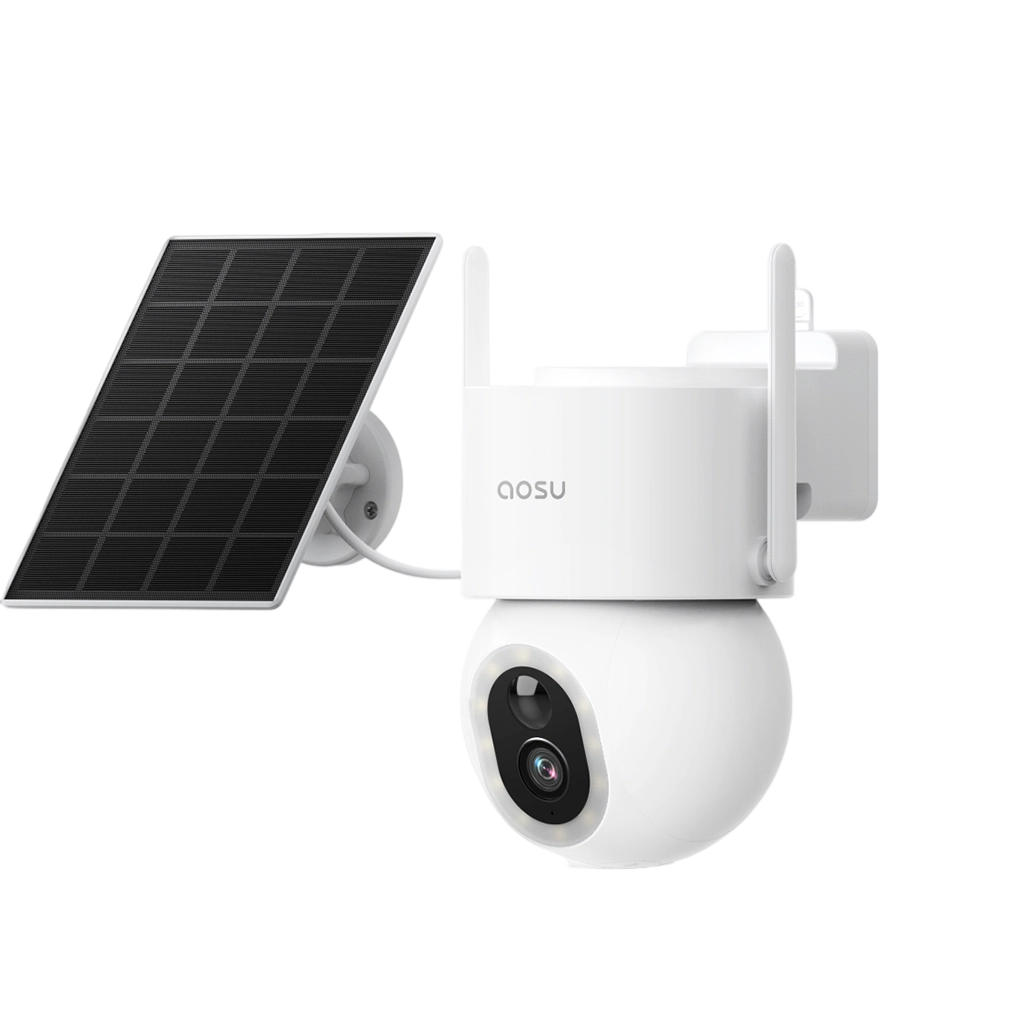
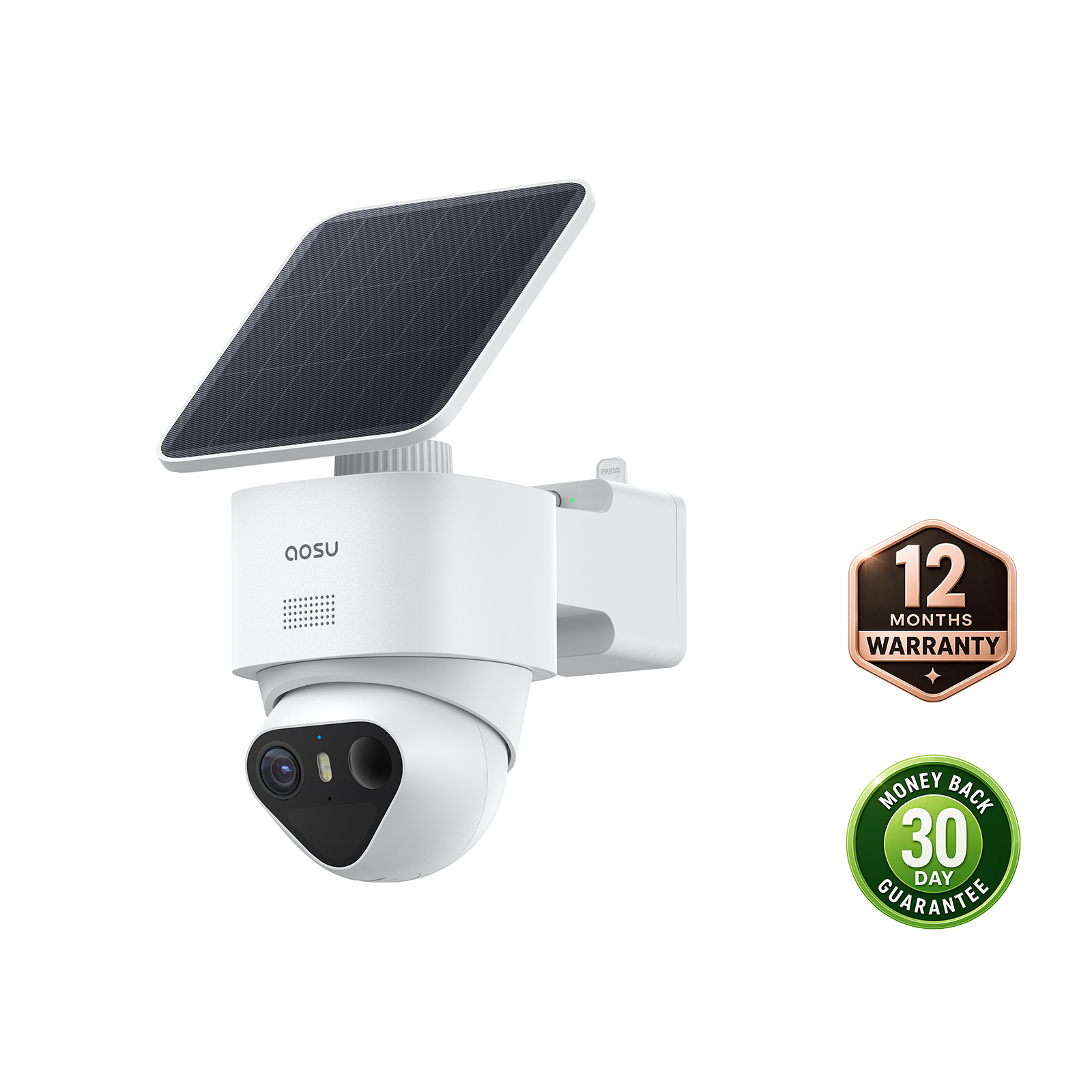
For future home check-ins, compare aosu indoor-camera features separately from the immediate search. A camera purchase should not delay recovery actions.
FAQs About Finding a Lost Dog
Should I create a scent trail?
This article has not verified a universal scent-trail method. Ask an experienced local recovery team before using one, and continue reporting and following confirmed sightings.
What are practical ways to search nearby?
Check the home, yard and nearby hiding places calmly. Ask neighbors to check their own property safely, record confirmed sightings and keep local shelters, animal control and veterinary practices informed. Do not chase or surround a frightened dog.
What should a lost-dog flyer include?
Use the template above with a large recent photograph, last confirmed sighting, description, two contact numbers and a clear instruction not to chase or corner the dog. Fill every bracketed field with real information and obtain permission before placing signs.
How can social media support the search?
Share a consistent photograph, description, last confirmed location and contact details in relevant local groups. Ask for exact sighting details rather than attempted captures. Have one contact person coordinate updates and mark posts when the search is resolved.
Can home cameras help?
Saved footage may reveal an exit, direction or return visit within the camera’s view. Recording gaps and detection limits still apply; it cannot track the dog beyond that area.
Is a microchip a GPS tracker?
No. A microchip provides identification when scanned and linked to current registry details. GPS collars are separate devices with their own battery, connectivity and service requirements.
How should I work with shelters?
File a report, provide a photograph and check records repeatedly. Ask about local identification and reclaim procedures; do not assume staff will recognize your dog or automatically contact you.
How can neighbors help?
Ask for exact sighting details and relevant saved footage. Use one contact person to coordinate updates, and tell helpers not to chase or attempt an unsafe capture.