







Living alone can offer privacy and independence. A practical safety routine starts with a few checks you can complete when you move in, followed by arrangements that fit your home, budget and preferences.
These precautions can help you manage access and prepare for problems, but they cannot guarantee safety. If someone threatens, stalks or harms you, responsibility lies with that person—not with whether you followed a checklist.
Your First-Day Safety Checklist
| Check | Action |
|---|---|
| Doors and windows | Check that locks and latches work. Report faults and ask who holds keys or access codes. |
| Smoke alarms | Check the alarms and report missing or faulty equipment. Renters can ask the landlord or agent to address installation needs. |
| Building access | Learn how visitor entry, deliveries and maintenance visits are handled. |
| Accounts | Review access to any existing cameras, smart locks and connected-home accounts. |
| Contacts | Save the landlord’s emergency contact, local services and a trusted person’s number. |
| Exits | Identify usable exits and a meeting place for a fire emergency. |
Start with existing equipment and repair requests before buying new devices. Keep a written list of unresolved problems and follow up.
How to Stay Safe as a Woman Living Alone
Improve Home Protection
Start with working doors, windows and lighting. If you rent, check permission before replacing locks, drilling or changing building access.
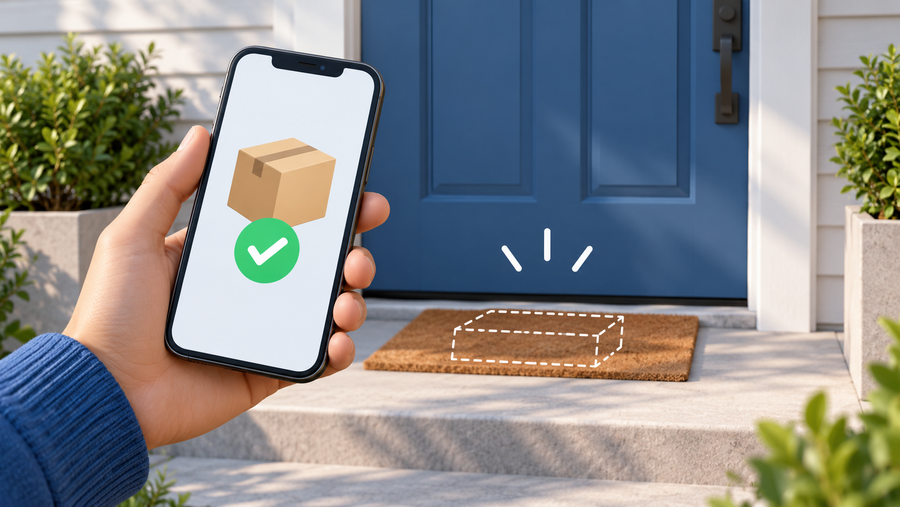
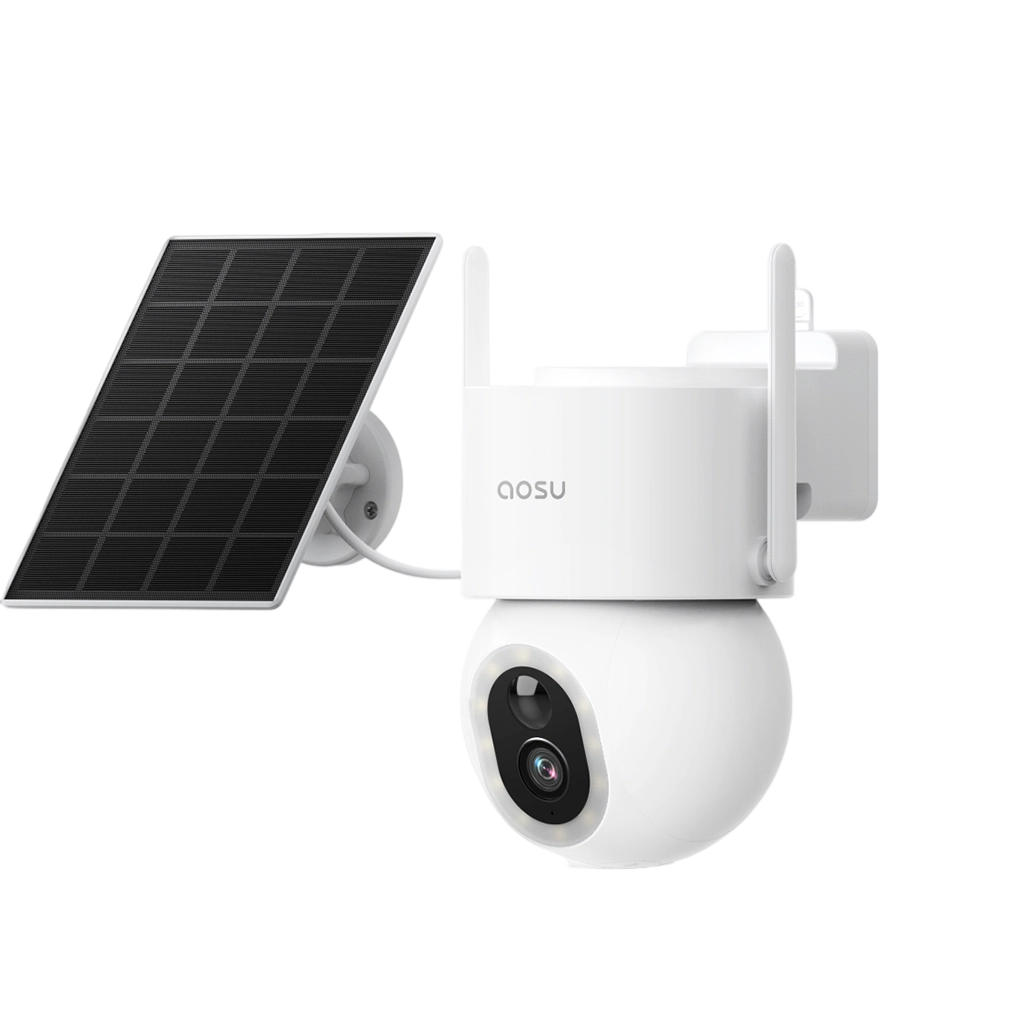
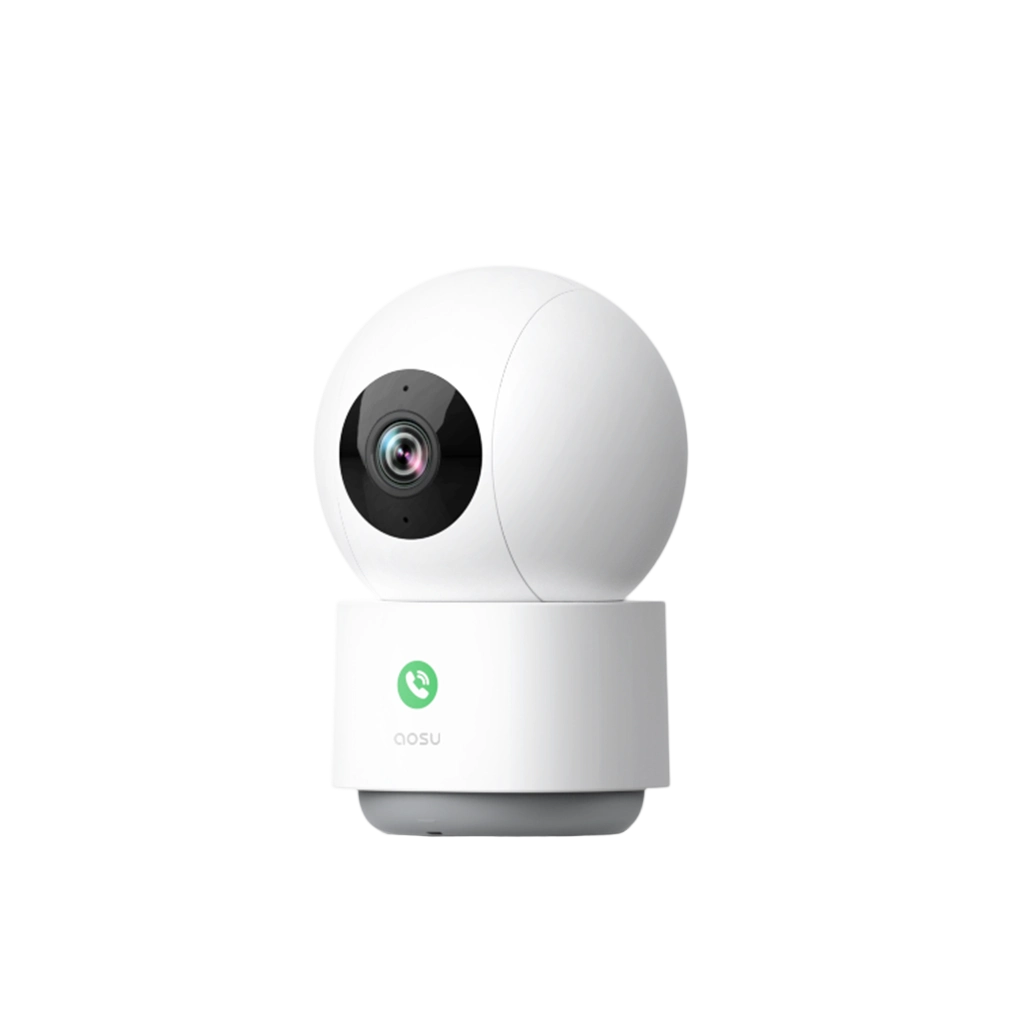
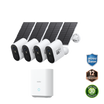
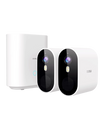
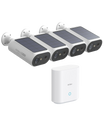
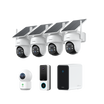
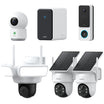
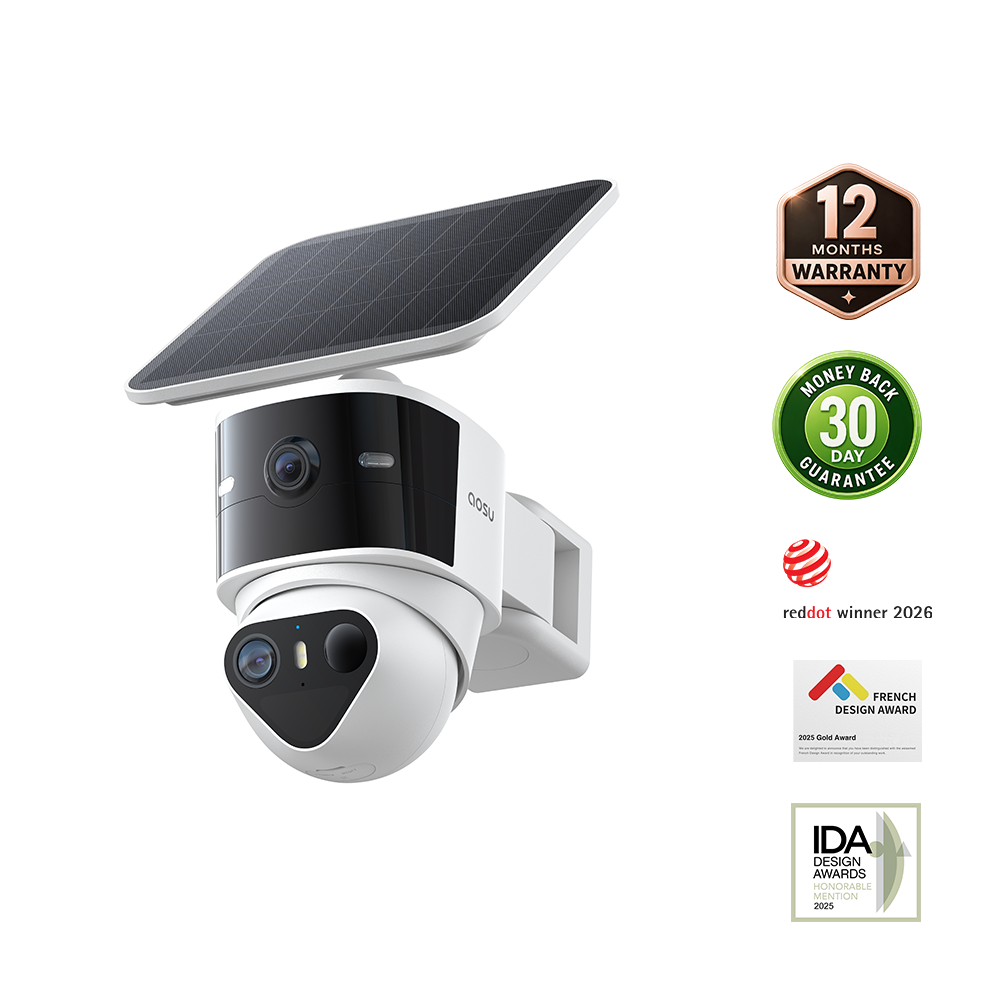
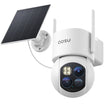
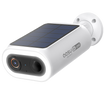
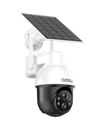
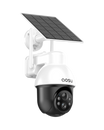
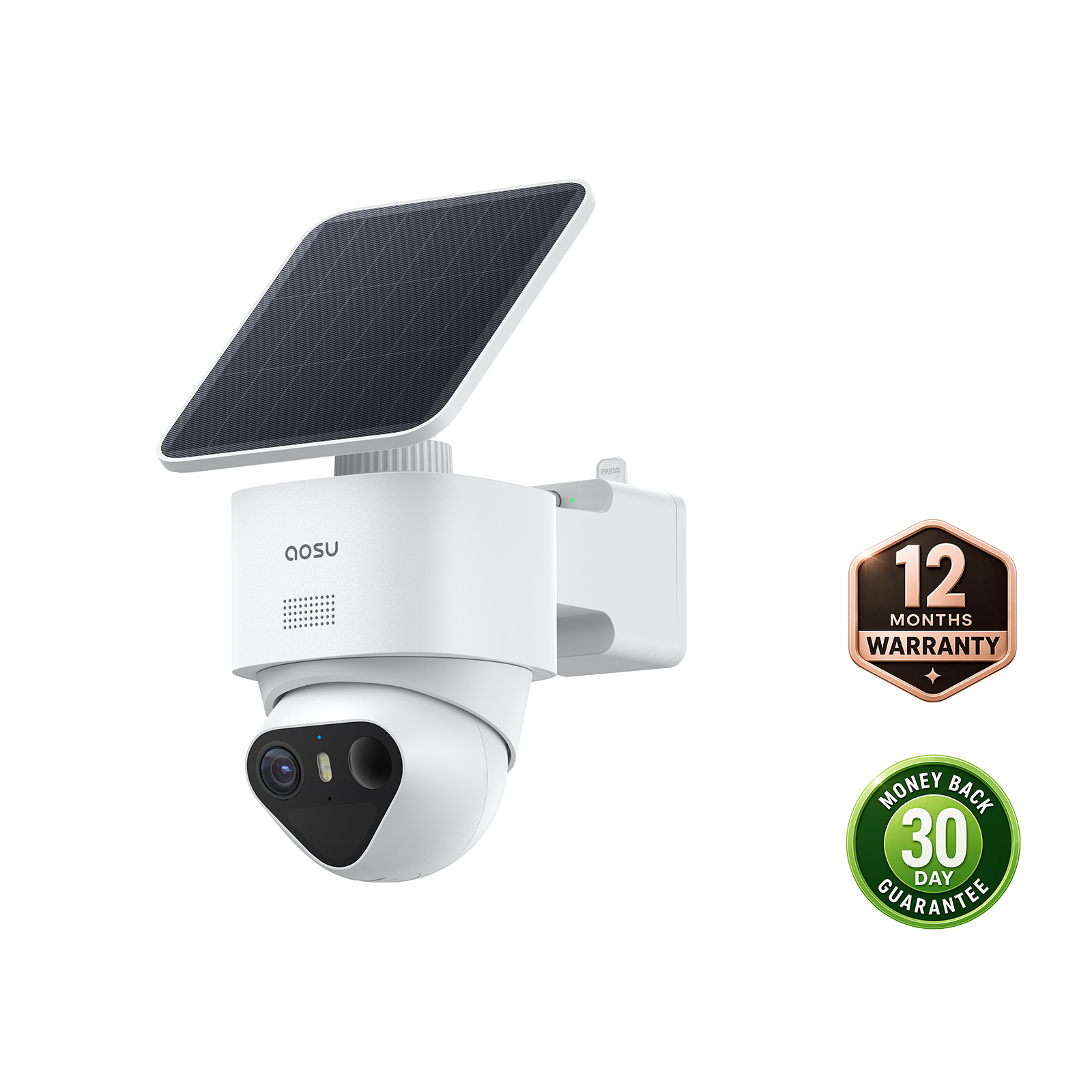
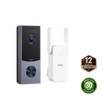
A video doorbell may help you check visitors while keeping the door closed. Compare the aosu Video Doorbell Pro against your installation and recording needs. If combined lighting and camera coverage suits your entrance, review the Floodlight Cam Pro.
Review shared access
Before inviting another viewer, check what that role can watch, download or change. Use individual sharing accounts where supported rather than distributing your main password.
Review invited users and remove access that is no longer needed through the supported controls. Confirm the result; a password change alone should not be assumed to revoke every separate sharing permission.
Use a unique password, install updates and enable additional account protection where available. Shared viewing is optional and should not expose more of your home than you intend.


Build Familiarity Without Constant Vigilance
Learn the building’s entrances, normal maintenance arrangements and places where you can ask for help. Report specific concerns such as a damaged entrance lock or repeated unwanted contact.
Someone being unfamiliar is not, by itself, evidence of a threat. Describe actions and circumstances when reporting a concern.
Make Travel Arrangements That Suit You
You may choose a check-in arrangement with someone you trust. Agree what they should do if you miss it; continuous location sharing is not required.
If you feel threatened, move toward an accessible place where you can seek help. In an emergency, contact local emergency services.
Consider a Personal-Safety Course if You Want One
Look for an established provider that explains its instructors, teaching approach, accessibility and practice arrangements. A useful course can include boundaries, communication, getting away and seeking help.
A short article cannot teach reliable physical techniques, and no course guarantees an outcome. Taking a class is your choice.
Adopt a Pet for Companionship, Not as a Security System
Consider a dog only if you want a companion and can meet their lifelong needs, including housing permission, exercise, training, veterinary care and costs.
Barking is not a dependable emergency alert, and a pet should not be expected to confront an intruder. Review the SPCA’s adoption-readiness guidance before deciding.
Build a Support Network While Keeping Your Privacy
When comparing homes, inspect entry controls, lighting, repair arrangements and routes you expect to use. Crime statistics and online comments provide limited context; they do not certify that an address is safe or unsafe.
Choose which neighbors or contacts you want to know. You do not need to disclose that you live alone, share a key or grant camera access to build a useful connection.
For dates or other new meetings, you can choose a public venue, arrange your own transport and set boundaries about contact or visits. A trusted-person check-in is an option, not an obligation.
Pressure, threats or repeated unwanted contact deserve attention even when they come from someone you know. You do not need to prove that you followed every precaution before asking for support.

Practices to Ensure Your Safety While Staying at Home Alone
Keep Entry Points Working
Use the locks provided and report damaged doors, frames or latches. Additional hardware must suit the door and must not obstruct required escape. Renters should check permissions before making changes.
Verify Unexpected Visitors
Check who is outside while keeping the door closed. If someone claims to represent a utility or service company, verify through contact details you obtain independently—not only a number or identification they provide.

Review What You Share
Check social-media audiences, location permissions and connected accounts. Choose who can see home details or routines. Sharing information does not make you responsible for another person’s misuse of it.
Prepare Contacts and Exit Arrangements
Keep essential contacts and a charged phone accessible. Learn the fire escape arrangements and agree how a trusted contact should respond if you request help. Do not make an emergency plan depend entirely on a camera app.
Arrange Backup Access
Do not leave an unsecured spare key under a mat, planter or another hiding place. Consider a trusted key holder.
If considering a key safe, check the product’s security, installation requirements and property permissions. Manage who knows the code. A more concealed location alone does not establish that a key arrangement is secure.
If You Are Being Followed, Threatened or Monitored
Repeated unwanted contact, threats or monitoring may need a specific safety plan rather than another general home-security purchase.
If safe, keep a record of incidents, messages and relevant dates. SPARC’s risk and safety resources include planning and documentation tools.
If you suspect someone can access your devices or accounts, consider using a safer device to seek help. Before making changes that could reveal your plans or remove their access, review the situation with a specialist advocate. See the Safety Net technology safety plan.
These are U.S.-based resources. In immediate danger in the United States, call 911; elsewhere, use the local emergency number. USAGov explains emergency reporting.
You are not responsible for another person’s stalking, threats or violence.
Conclusion: Living Alone Safely and Confidently
Choose a few practical tasks to complete first: report an entry fault, review account access, arrange backup keys and save important contacts. Add equipment only where it meets a clear need and fits your housing rules and budget.
Your safety plan should support your independence and privacy. It cannot control another person’s behavior, and experiencing harm does not mean you failed to prepare.
FAQs About Women Living Alone Safely
What Are the Best Safety Devices for Women Living Alone?
Start with working locks, appropriate alarms and a way to contact help. Add a camera or personal alarm if it addresses a specific need. Check installation permission, power, connectivity and ongoing costs; no device guarantees protection.
How Can Smart Home Security Systems Protect Women Living Alone?
Supported devices may provide viewing, access controls or notifications, but capabilities vary. Check what happens during outages and who receives alerts. Do not assume that a camera system contacts emergency services.
What Are the Most Effective Self-Defense Tips for Women Living Alone?
Prioritize getting away and seeking help when possible. If you want practical training, choose an established provider offering supervised practice and a range of options. Brief written attack instructions cannot establish what will work in a particular situation.
How Can You Stay Safe in a New Neighborhood?
Learn access arrangements, repair contacts and places where you can seek help. Build connections at a level you are comfortable with. You do not need to reveal your living arrangements or grant device access.
How Should Women Living Alone Prepare for Emergencies?
Keep contacts, lighting and essential supplies accessible, and learn the relevant exit arrangements. Plan for power or internet failure. Follow the instructions appropriate to the emergency rather than relying on one response for every situation.
What Are the Best Apartment Security Upgrades for Women Living Alone?
Report faults first and check lease permissions. Compare any additional lock, doorbell or sensor against the actual gap it addresses. Keep required exits usable and confirm removal or repair obligations before installation.
How Can Women Stay Safe at Night When Living Alone?
Use a routine that suits your home: check entry points, keep a phone accessible and use appropriate lighting. A trusted-person check-in is optional. You do not need to continually change your routine to deserve safety.
How Can Single Women Stay Safe Online and Protect Their Privacy?
Use unique passwords and additional authentication where available. Review recovery details, device sessions, location sharing and invited users. If abuse or monitoring is suspected, seek a tailored technology safety plan before changes that could increase risk.