




























If someone enters your property unexpectedly, prioritize safety before deciding whether the entry meets the legal definition of trespass.
This guide explains how to assess immediate danger, record what happened and find the appropriate reporting or legal channel. Legal examples and emergency numbers below refer to the United States; requirements vary by jurisdiction.
What Is Trespassing?
Trespass is not determined only by whether someone crossed a line without asking you personally. Relevant questions can include who lawfully possesses the property, whether permission or another access right exists, what notice was given and whether the person remained after permission ended.
Check any easement, shared-access arrangement or other claimed authority before treating a disputed entry as established wrongdoing.
As one state-specific example, Florida Statutes section 810.09 addresses unauthorized entry or remaining on certain property and includes notice-related conditions. Local law must determine the requirements for your situation.
Clear Property Boundaries
Check the boundary before installing a fence, moving a marker or accusing someone of crossing it. An existing fence or a marker you place yourself does not settle a disputed legal boundary.
Gather relevant deeds, recorded plans, surveys and access agreements. If the location remains unclear, consult a licensed land surveyor or local property lawyer.
Assessment maps should not be treated as establishing a disputed boundary. Utility bills may help show an address connection, but they do not establish the property line or, by themselves, prove ownership.
No Trespassing Signs
Posting "No Trespassing" signs is a straightforward way to inform others that they are not allowed on your property. These signs serve as a warning and a legal notice. Here are some tips:
Placement: Place signs at all entry points and at regular intervals along the perimeter of your property.
Visibility: Ensure the signs are visible and legible. Use reflective signs for nighttime visibility.
Legality: Check local laws regarding the wording and placement of signs to ensure they are legally enforceable.
Documentation
Having solid documentation is crucial if you need to take legal action against a trespasser. Documentation can include:
Photos and Videos: Capture clear images or video footage of the trespasser on your property. Security cameras can be invaluable for this purpose.
Witness Testimonies: If others witnessed the trespassing, their statements could support your case.
Incident Logs: Keep a detailed log of each trespassing incident, including dates, times, and descriptions of the events.

What to Do If Someone Trespasses on My Property
1. Keep Your Distance
Stay in a safe location. Do not approach, follow, surround or physically remove the person. Move household members away from the situation where practical.
2. Check for Immediate Danger
If someone is forcing entry, threatening or attacking a person, displaying a weapon or creating another emergency, seek safety and call 911 in the United States. Do not delay the call to collect footage or property documents.
For a past incident or another non-emergency concern, use the local police department’s published reporting channel. See USAGov’s reporting guidance.
3. Avoid an Argument About Access
You do not need to confront someone before asking for help. If communication is appropriate and can be made from a protected position, keep it brief. Do not move closer, threaten consequences or debate the boundary.
If the person claims permission or a right of access, record that claim for later checking rather than trying to resolve it at the scene.
4. Record What You Observed
Note the time, location, actions and any damage. Separate observations from assumptions. Use existing footage where available; do not enter an unsafe area to obtain a better image.
| Field | What to record |
|---|---|
| Date and time | When you observed the event; note any camera-clock error |
| Location | Where the person entered or remained |
| Observed actions | What you saw or heard, without guessing intent |
| Access information | Any permission, delivery purpose or access right claimed |
| Safety concerns | Threats, attempted forced entry, injuries or damage |
| Evidence | Original clip filename, photographs and willing witnesses |
| Follow-up | Agency contacted, report reference and advice received |
Keep the original recording where possible and save a separate export before routine overwriting. Ask the receiving agency how to submit it securely. Metropolitan Police evidence guidance supports preserving original footage; local submission procedures may differ.
5. Report Through the Appropriate Channel
Explain whether the activity is continuing, why it concerns you and whether anyone is in danger. Tell the receiving agency about relevant footage, previous incidents and any disputed access claim.
Ask what information or notice procedure applies locally. Reporting does not guarantee an arrest, immediate attendance or a particular outcome.
6. Get Advice for Repeated Entry or a Boundary Dispute
A local lawyer can assess possession, access rights, notice requirements and available civil remedies. A surveyor may be needed where the boundary itself is unclear.
Do not assume that every repeated entry qualifies for a protective order or that a homeowner can decide whether criminal charges will be brought.
How to Protect Your Home from Trespassers
Check Boundaries Before Adding Barriers
Confirm the boundary and any access rights before adding fences or gates. Check local installation requirements and keep required access and escape routes usable. A taller fence is not automatically the right solution.
Use Locally Appropriate Notices
Ask the relevant local authority or adviser what wording, placement and notice procedure apply. A sign may communicate a restriction, but it does not settle ownership or cancel a lawful right of access.

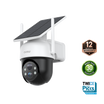
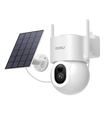
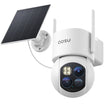
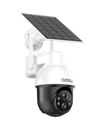
Use Cameras for Documentation
Frame the entry point relevant to the problem and test saved clips in daylight and darkness. Wide views, camera movement and high resolution do not guarantee complete coverage or identification.
Check recording mode, storage, exports and notification settings. An off-device copy protects only footage successfully transferred before the connection or equipment fails.
Review operating and charging temperatures separately from the IP rating. Follow the selected model’s installation instructions.
Do not use a camera speaker as a reason to challenge someone during a dangerous incident. Prioritize distance and appropriate reporting.

Choosing a Camera for a Repeated Entry Problem
Identify the recording gap before buying: an entrance, side gate or driveway approach may each need a different view.
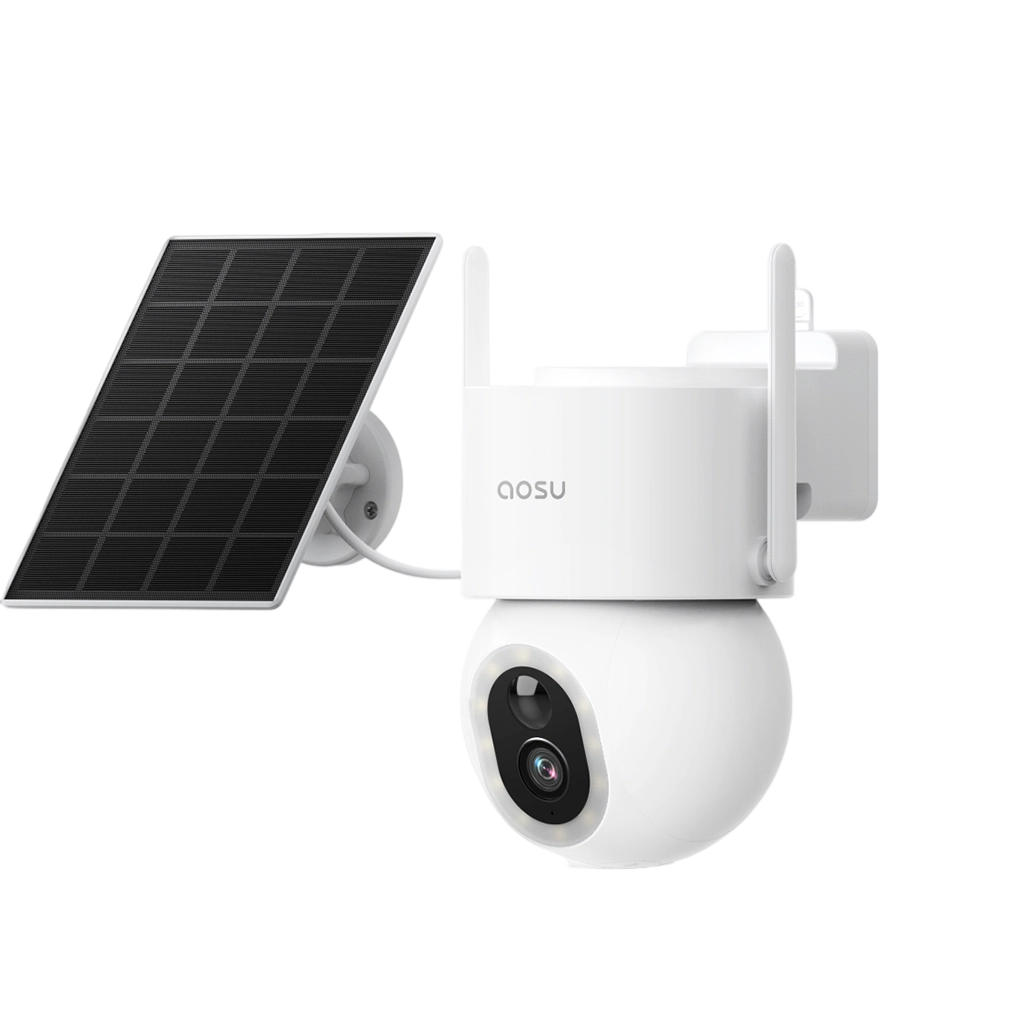
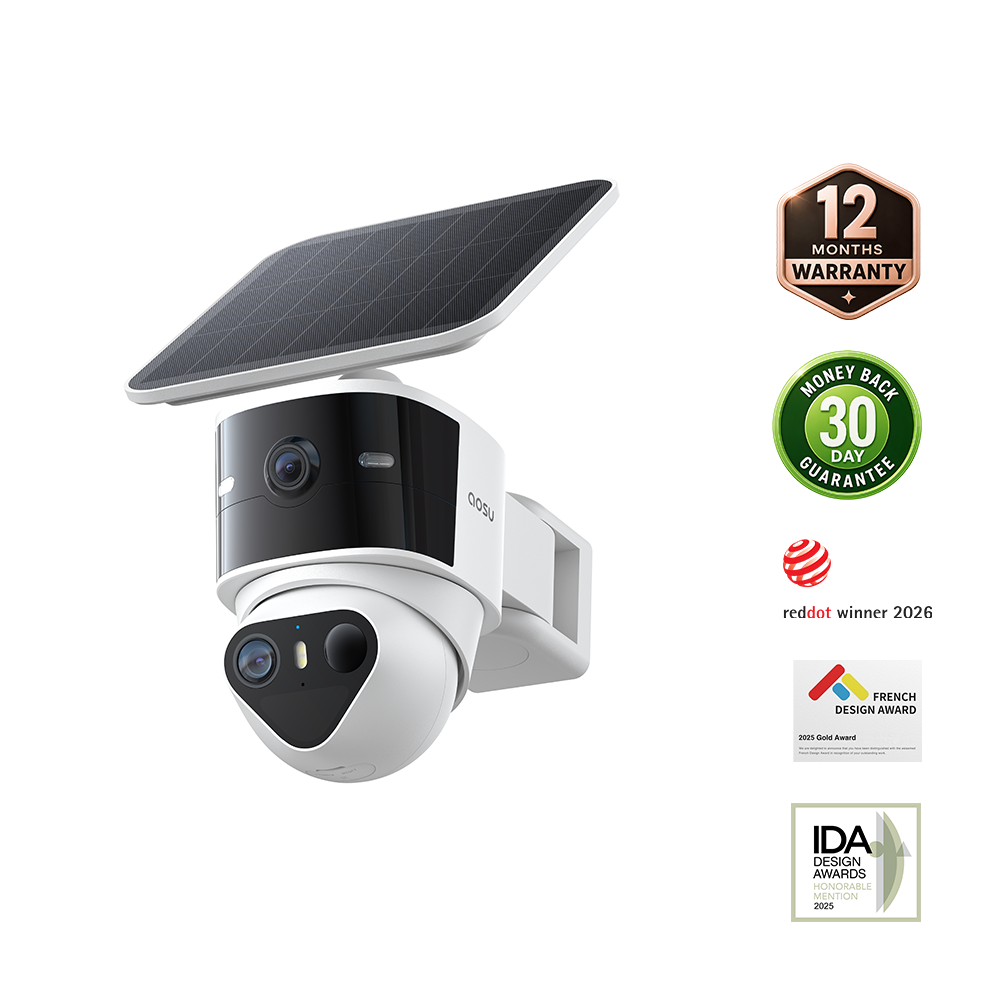
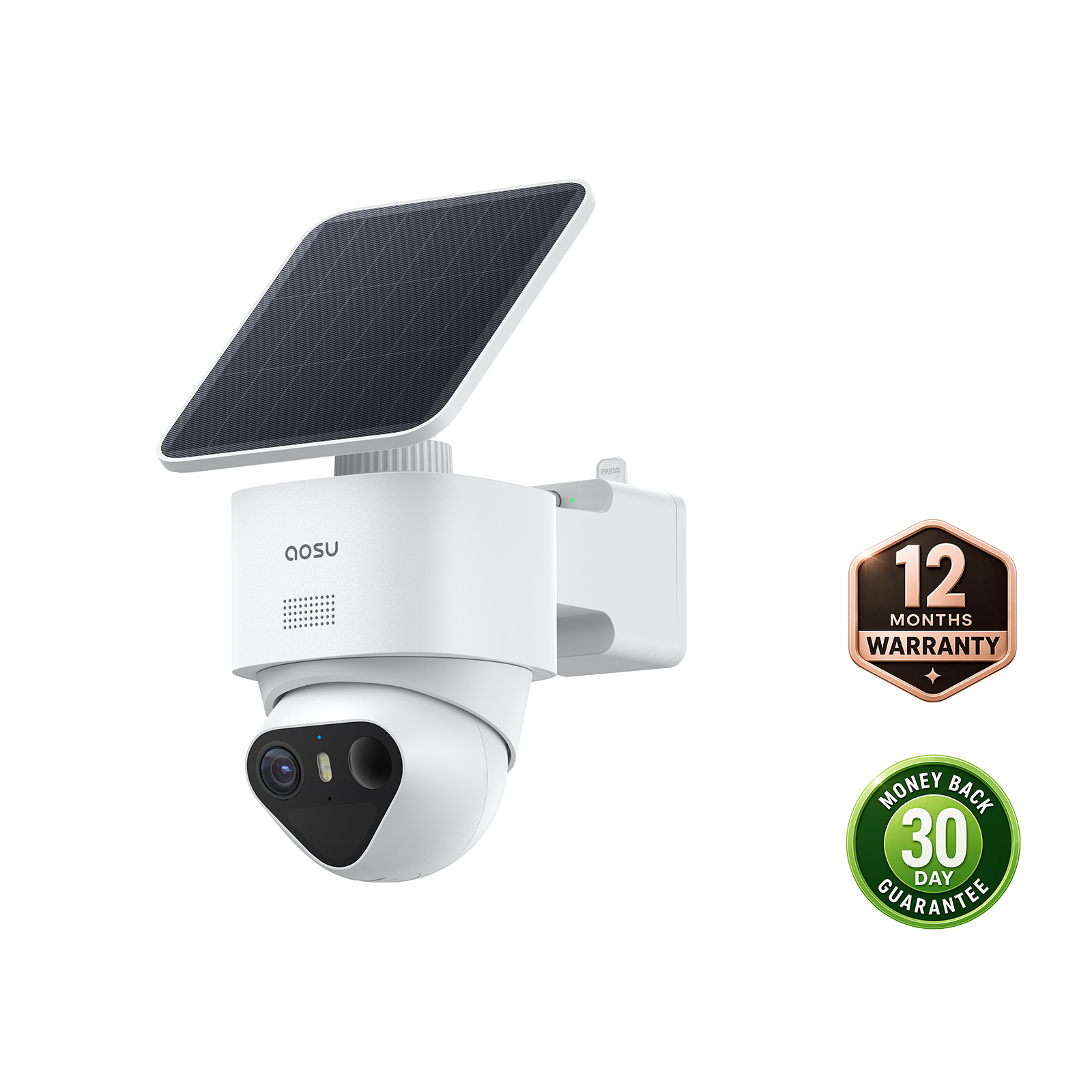
If lighting and video are needed at the same position, compare the aosu Floodlight Cam Pro against your mounting, power and recording requirements.
Confirm the exact model’s environmental limits, storage and export options. Test the installed view and alerts. A camera can support documentation, but it cannot establish property rights, physically prevent entry or guarantee identification.
Wrapping Up
Start with safety, then document the facts and use the appropriate local channel. Check boundaries, permission and access rights before treating a disputed entry as an established violation.
Keep useful records and seek local advice for repeated incidents or unresolved access disputes. Cameras and barriers can support a plan, but they do not replace that assessment.
FAQs About Handling a Trespasser
What are my legal rights if someone trespasses on my property?
Your options depend on local law, lawful possession, access rights and any notice already given. Keep your distance and contact the appropriate authority rather than trying to remove the person yourself.
What are the penalties for trespassing on private property?
Penalties depend on the jurisdiction and facts, including the type of property and conduct involved. Some disputes may require a civil boundary or access-rights process. Do not assume that every unwanted entry produces the same offense or penalty.
Can I legally defend myself against a trespasser?
Do not treat entry onto land—or fear alone—as legal permission to use force. Self-defense requirements depend on local law and the circumstances. Seek safety and emergency help where needed; obtain qualified local advice for legal questions about force.
How can I prevent trespassing on my property?
Confirm boundaries and access rights, then consider appropriate gates, notices, lighting and camera views. These measures can manage access or support records; they do not guarantee prevention.
How can I secure my property borders from trespassers?
Check relevant records and obtain a survey where necessary before placing barriers or moving markers. A fence, camera image or sign does not decide a contested boundary.
When should I report trespassing to the police?
Use emergency services for immediate danger or an emergency in progress. For past incidents or other non-emergency concerns, follow the local police department’s published procedure. Explain the facts and any uncertainty about access rights.
What are the best cameras to catch trespassers?
Choose for the specific view, available power and usable saved footage. Test movement and lighting at the relevant distance. No resolution, detection label or camera brand guarantees that a person will be identified.
How do I prove property ownership to the police when reporting trespassers?
Ask the receiving agency which documents it needs. Deeds, leases or other records may help establish ownership or lawful possession. Utility bills may show an address connection but do not establish a boundary or prove ownership by themselves. A disputed line may require a survey and legal review.