






Parents do not need to stop using an audio or video monitor simply because a child reaches a particular birthday. Review what the monitor helps you do, whether you can hear your child without it and whether any individual care needs affect the decision.
When Should You Review Baby Monitor Use?
Reassess monitoring when sleeping arrangements, room layout, communication needs or privacy preferences change. Continuing to use a monitor is not, by itself, evidence that a child lacks independence.
If monitoring is part of a clinician-directed care plan, discuss changes with that clinician. A general household camera is not a replacement for prescribed medical equipment.
See the AAP’s practical considerations for baby monitors.
Five Questions Before Reducing Monitoring
| Question | What to check |
|---|---|
| Can the caregiver hear a request for help? | Test the actual sleeping arrangement, including closed doors, distance and ordinary background noise. |
| Does the child have individual care needs? | Review relevant medical advice rather than using age or sleep duration alone. |
| How does the child ask for help? | Consider their own communication abilities. Do not assume every child can call out or walk to a caregiver. |
| What happens if the device fails? | Agree how care continues if power, reception, internet or a phone becomes unavailable. |
| Is the current setup still appropriate? | Review cable reach, mounting, shared access and growing privacy needs. |
These questions support a household decision; they are not a medical readiness test. Independent movement or fewer night wakings does not automatically answer them.

Is the Current Setup Still Helping?
Consider whether the monitor provides useful information or mainly prompts repeated checking. Some parents find that small sounds disturb their sleep; others find a monitor useful because of their home layout or care arrangements.
This does not establish that using a monitor delays independence or self-soothing. The device and the caregiver’s response are different questions.
If checking or worry is affecting daily life, discuss those concerns with an appropriate healthcare professional. The answer may involve changing settings or support arrangements, rather than buying another camera or stopping monitoring abruptly.

How to Change the Arrangement
Check care needs first
Keep any clinician-directed monitoring plan in place until you have discussed changes. For ordinary household use, check how a caregiver will hear and respond without the current device.
Change one thing at a time
If the monitor is no longer needed for the arrangement you have checked, you can trial a simpler setup while an adult remains responsible and available. Do not follow a fixed schedule of switching it off for several hours regardless of circumstances.
Keep bedtime arrangements appropriate
Maintain a familiar routine. For infants, follow AAP safe-sleep guidance; do not add blankets, stuffed toys or other soft objects as a monitoring transition strategy.
Include the child where appropriate
Explain changes in a way that suits the child’s understanding. Discuss how they can ask for help, without requiring them to navigate an unsafe route or operate a device beyond their ability.
Review the result
Reconsider the arrangement if needs, hearing distance or sleeping locations change. There is no requirement to persist with a trial that is not working for your household.
Check Monitor Placement and Cables
Follow the manufacturer’s installation instructions and the CPSC’s baby-monitor cord warning.
Keep cords at least 3 feet—approximately 0.9 metres—from every part of a crib, bassinet, play yard or other safe sleep area, and beyond the child’s reach. Never place a monitor inside a crib or on its edge.
Check wall-mounted equipment too. Reassess placement as the child can reach farther, stand or climb. A wireless data connection does not mean that the device has no power cable.
If You Still Want an Indoor Camera
Continuing with a general indoor camera is another monitoring choice—not the same as stopping monitoring. Decide whether it meets a specific household need before replacing equipment you already own.
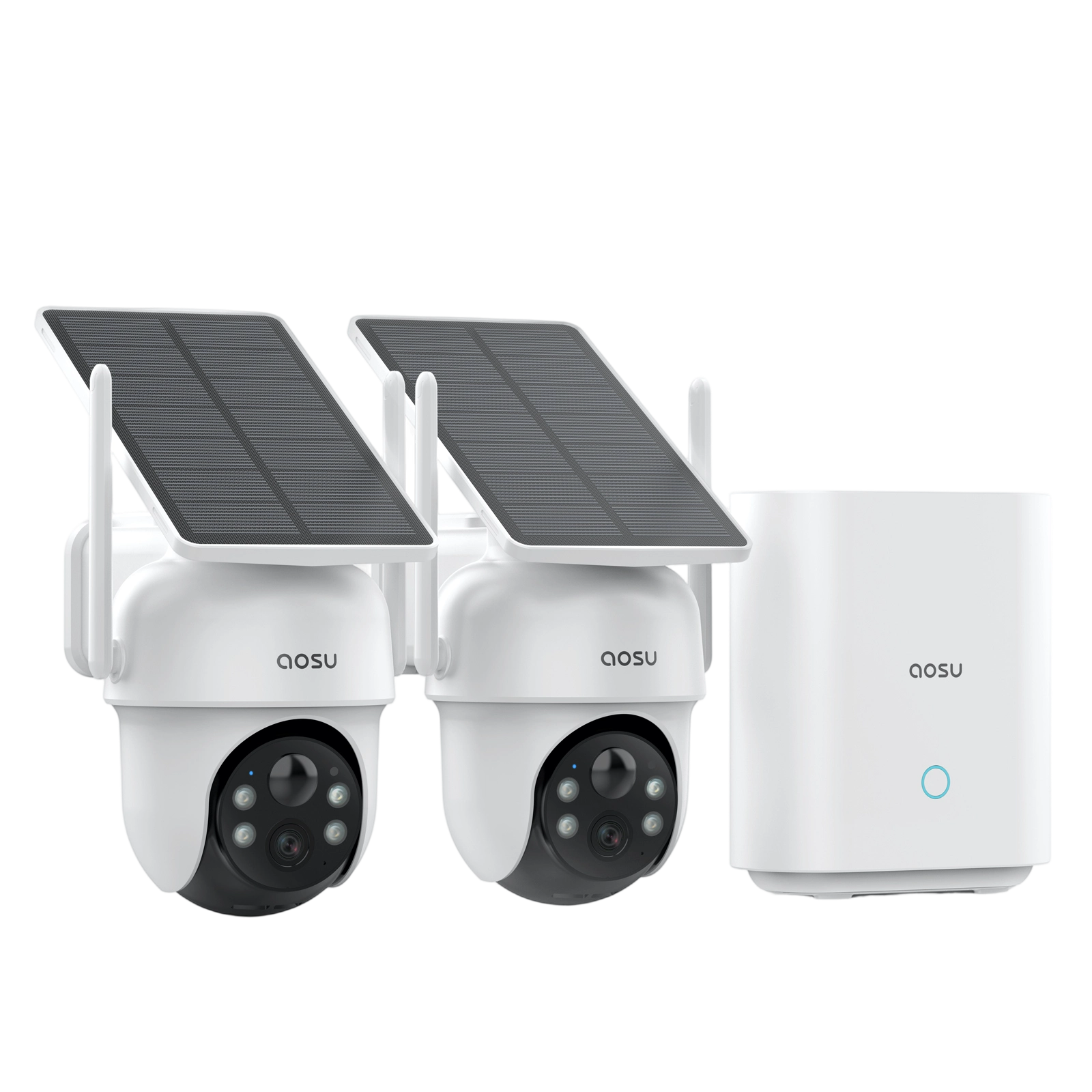
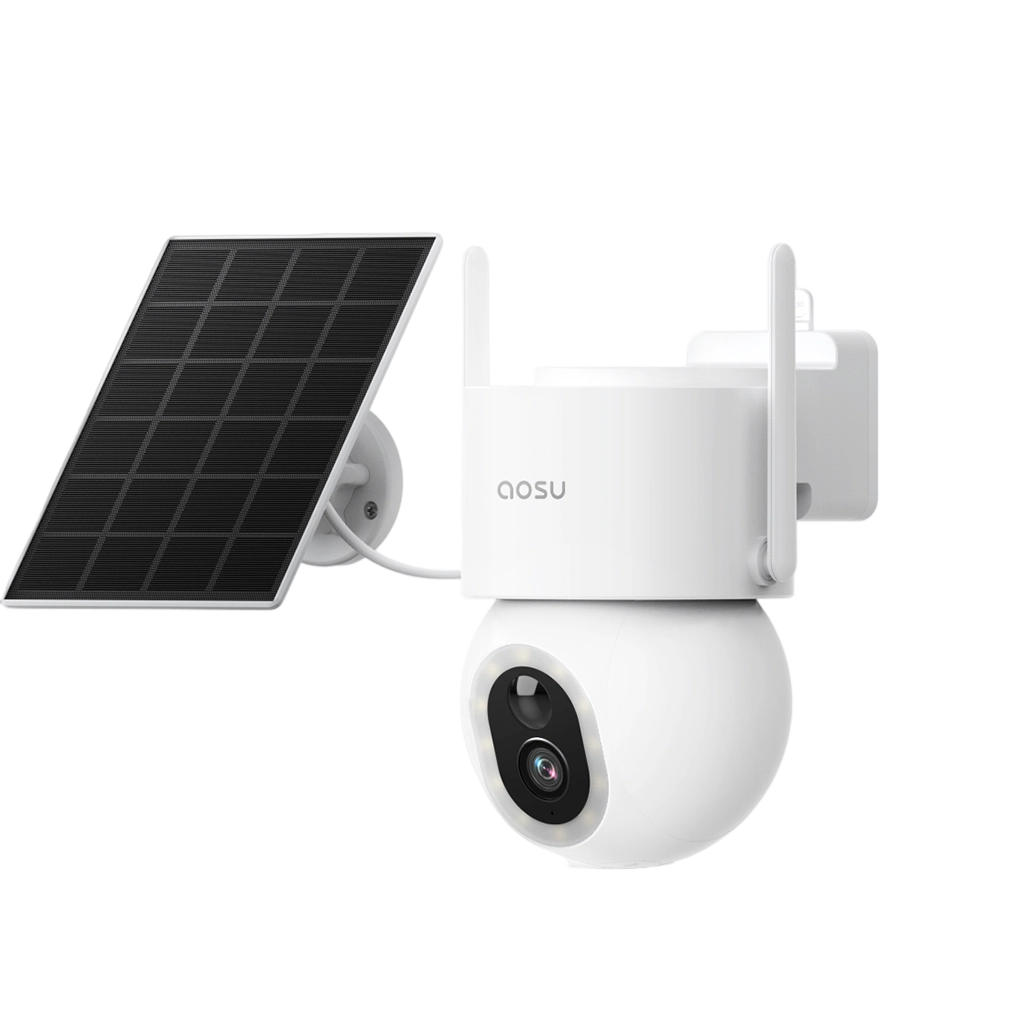
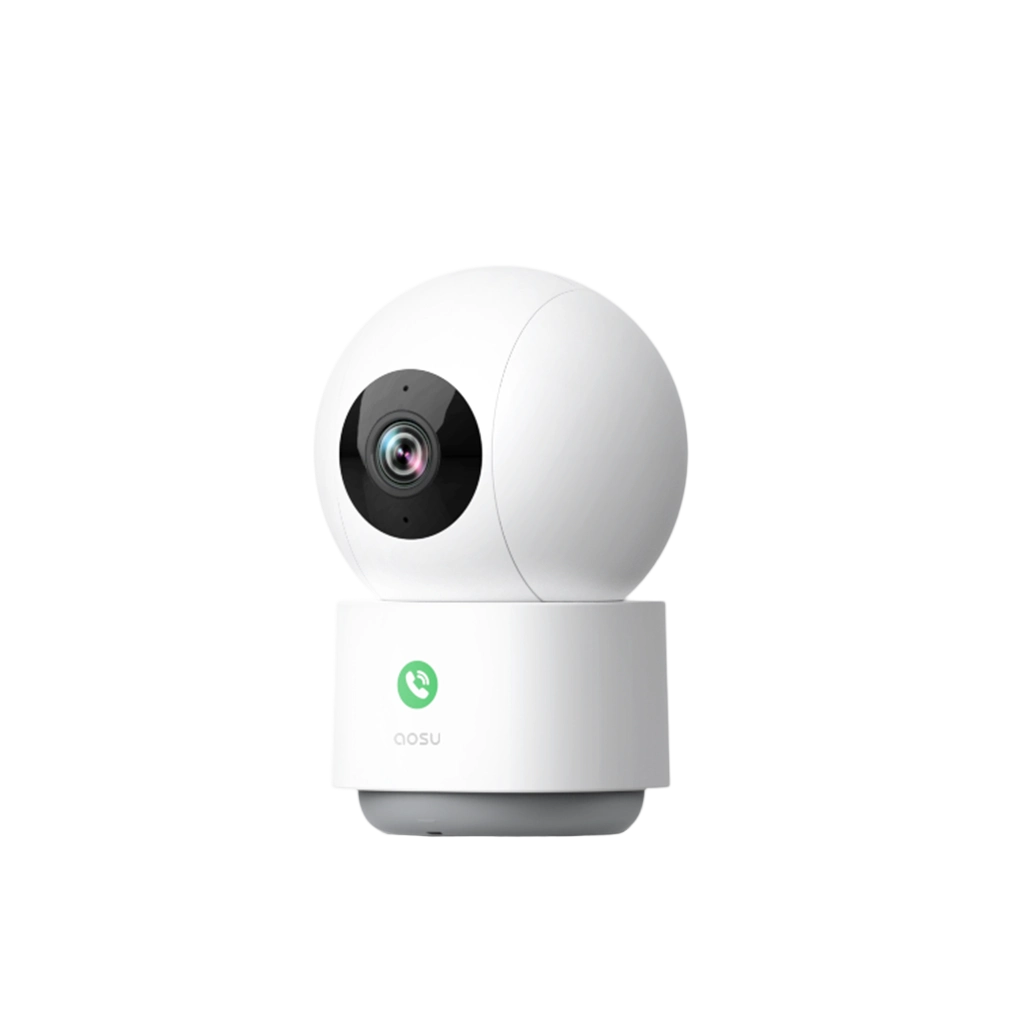
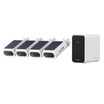
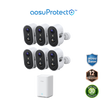
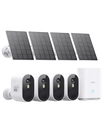
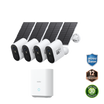
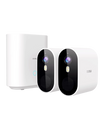
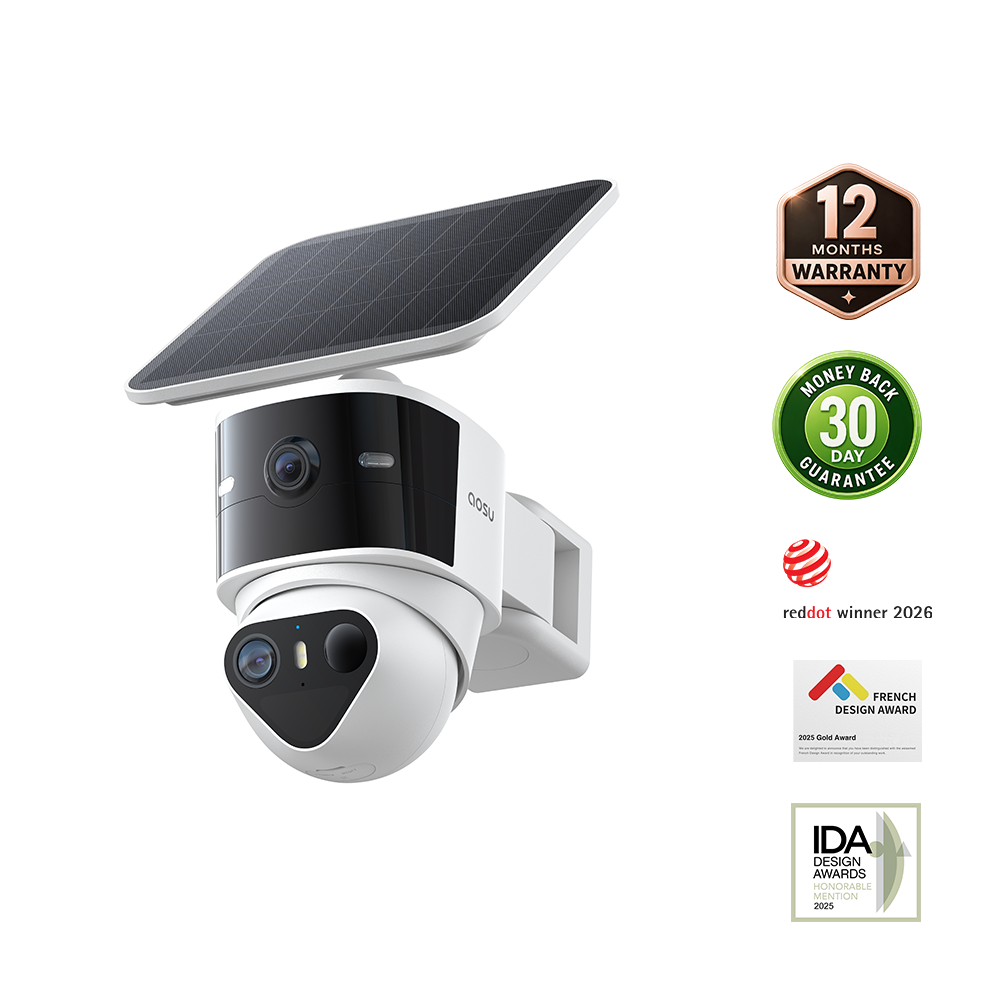
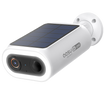
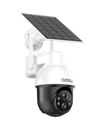
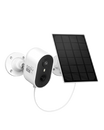
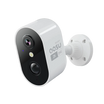
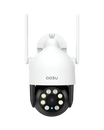
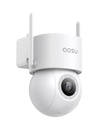
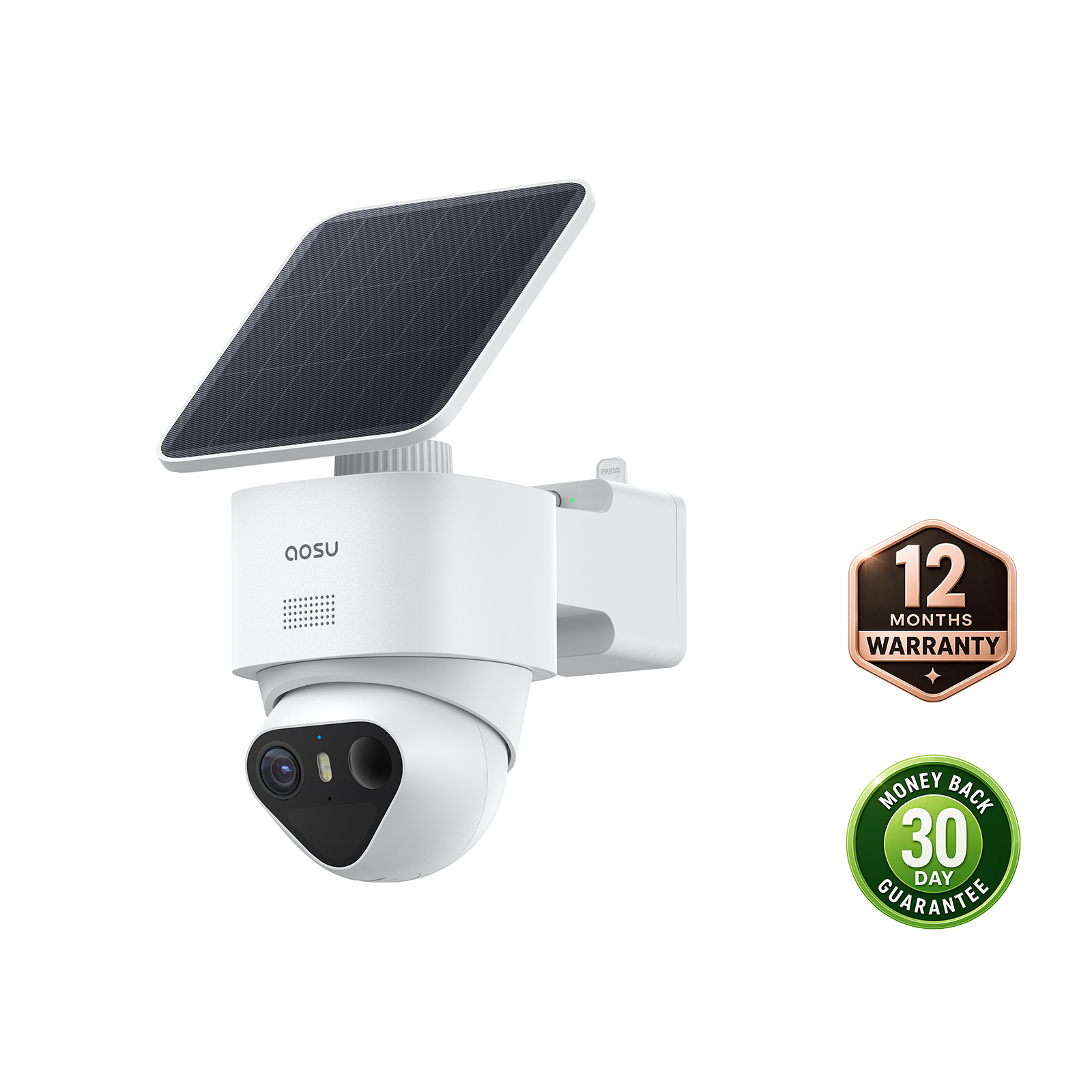
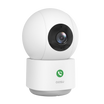
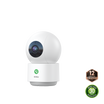
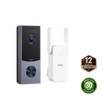
The aosu IndoorCam P1 has manufacturer-listed features including 2K video, night vision, pan-and-tilt viewing and calling functions. Check the exact model’s instructions and how it works in your intended arrangement.
Before relying on it, test audio availability, phone settings, connection loss and who can view or save footage. Motion tracking does not establish that every important event will be captured, and camera rotation does not provide simultaneous visibility of every direction.
Do not rely on a child operating a call button as the only way to request help. A general camera is not a prescribed medical monitor or a guarantee of emergency detection.
Keep placement and cables safe, and review shared access using the FTC’s camera-security guidance.
For medical-device context, see the FDA’s infant vital-sign monitoring safety communication.


Conclusion: Making a Confident Transition
Review what monitoring helps your household do and how care will work if you change it. Keep the arrangement appropriate to your child’s needs, your home layout and any clinical advice.
Continuing, simplifying or stopping ordinary monitoring is a practical decision—not a test of parenting or a child’s independence. Revisit it when circumstances change.
FAQs About When to Stop Using a Baby Monitor
When Should Parents Stop Using a Baby Monitor for Their Child?
Review whether the device still serves a practical purpose, whether a caregiver can hear and respond, and whether individual care needs apply. Sleeping through the night alone does not determine readiness.
How Do Baby Sleep Milestones Affect Baby Monitor Use?
Sleep patterns can prompt a review of routines, but they do not establish that monitoring is unnecessary. Consider the home layout, communication needs and relevant clinical advice separately.
What Is the Recommended Age to Stop Using a Baby Monitor?
There is no stopping age established by this guide. Decide according to the child’s needs, the sleeping arrangement and how a caregiver will hear and respond. Ask the treating clinician about any monitoring used for medical reasons.
How Can Parents Transition Away from Baby Monitors Safely?
Check the care arrangement first, then trial a change while an adult remains responsible and available. Do not change prescribed monitoring without consulting the treating clinician.
What Are Essential Baby Monitor Safety Tips for Parents?
Keep the monitor and cords out of reach. CPSC specifies at least 3 feet from every part of the crib or other safe sleep area and warns against placing a monitor inside or on the edge of a crib. Follow the installation instructions and reassess as reach changes.
How Do Smart Baby Monitors Influence Age Limits for Use?
More features do not create a medically validated age range or guarantee safe use. Check what the device actually does and whether those functions meet your household’s needs.
How Can Parents Foster Child Independence Without Baby Monitors?
Use developmentally appropriate routines and communication. Do not assume that removing a monitor, or replacing it with a general camera, will itself produce independence or self-soothing.
What Do Pediatricians Recommend About Baby Monitor Use Duration?
Ask your child’s clinician when health or developmental needs affect the decision. Avoid attributing a fixed stopping age to pediatricians without a specific, applicable source.