











A short period home alone requires more than a set of rules. Start by considering whether the arrangement is appropriate for your child and whether help can reach them. This guide covers six rules to discuss, a contact sheet and practical preparation; none of these steps guarantees safety or replaces suitable care.
Before the Rules: Is Your Child Ready?
These rules are for families who have first decided that a short period home alone is appropriate. Age alone is not enough: consider your child’s judgment, comfort, ability to follow instructions and response to an unexpected problem.
Check the rules and guidance that apply where you live. Confirm that you can be reached and that a trusted adult nearby has agreed to help. If those arrangements are not workable, use another care arrangement.
Review the American Academy of Pediatrics’ readiness guidance, rehearse likely situations and start with a brief trial.
Six Rules to Agree Before You Leave

1. Lock All the Entries and Do Not Answer the Door to Strangers
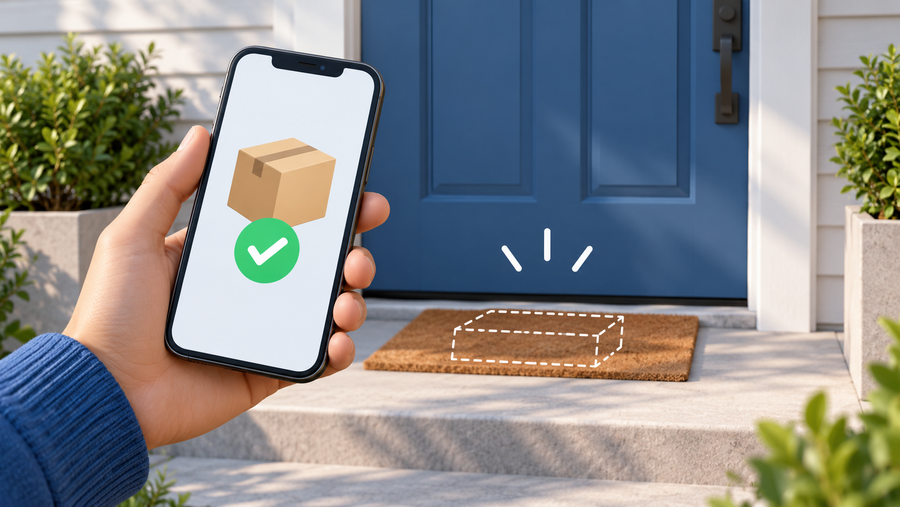
Agree which doors and windows should be locked, and make sure your child can still use the emergency exits. Do not open the door to unexpected visitors or deliveries. A peephole or camera does not replace the agreed door rule; if a visitor causes concern, contact the parent or nearby backup adult.
Your garage door is also an important entry that should not be overlooked; see tips to secure your garage door.
2. Know Emergency Contacts and Parents' Numbers
Keep a contact sheet beside an accessible phone and practise using it. Agree who to call first, who to contact if that person does not answer, and what the adult will do if a scheduled check-in is missed.
The nearby backup adult must know about the arrangement and agree to help. Your child should know how to reach them without opening the door to an unexpected visitor.
| Home-Alone Contact Sheet | Fill in before leaving |
|---|---|
| Home address, including unit | __________ |
| Parent/guardian and phone | __________ |
| Second contact and phone | __________ |
| Agreed nearby adult and phone | __________ |
| Local emergency number | __________ |
| Check-in times/expected return | __________ |
| Missed check-in response | __________ |
| Fire meeting place | __________ |
3. Follow the Agreed Food and Appliance Rules
Leave ready-to-eat food and agree which appliances are off limits. Do not assume a microwave is safe for every child to use alone: hot containers, steam and unevenly heated food can cause burns.
Permit appliance use only when it is appropriate for your child and has been practised with an adult. Follow the appliance instructions and the AAP’s microwave safety guidance.
4. Stay Inside the House
Stay in the agreed area unless you have specific permission for a planned outing. Do not leave to investigate a noise, meet a delivery or run an unplanned errand.
An emergency escape is different. If there is smoke, a fire alarm or another immediate danger requiring evacuation, follow the practised escape plan. Do not stay inside while waiting for a parent’s permission.
5. No Friends Over Without Permission
Agree the visitor rules before leaving. Do not invite friends or let unexpected visitors inside without the parent’s specific permission. Make any required adult-supervision arrangements in advance rather than changing the plan during the time alone.
6. Regular Check-Ins
Agree phone or video check-in times and the expected return time before leaving. Practise the contact sequence if the first person does not answer. The responsible adult should know what action to take if contact is missed; a check-in is only useful when someone can respond.

How Can Parents Enhance Safety for Kids Staying at Home Alone?
Alongside the six rules, prepare the home and practise the arrangements below. Reconsider the plan whenever the child or available adult support cannot manage it.
1. Install Home Security Cameras
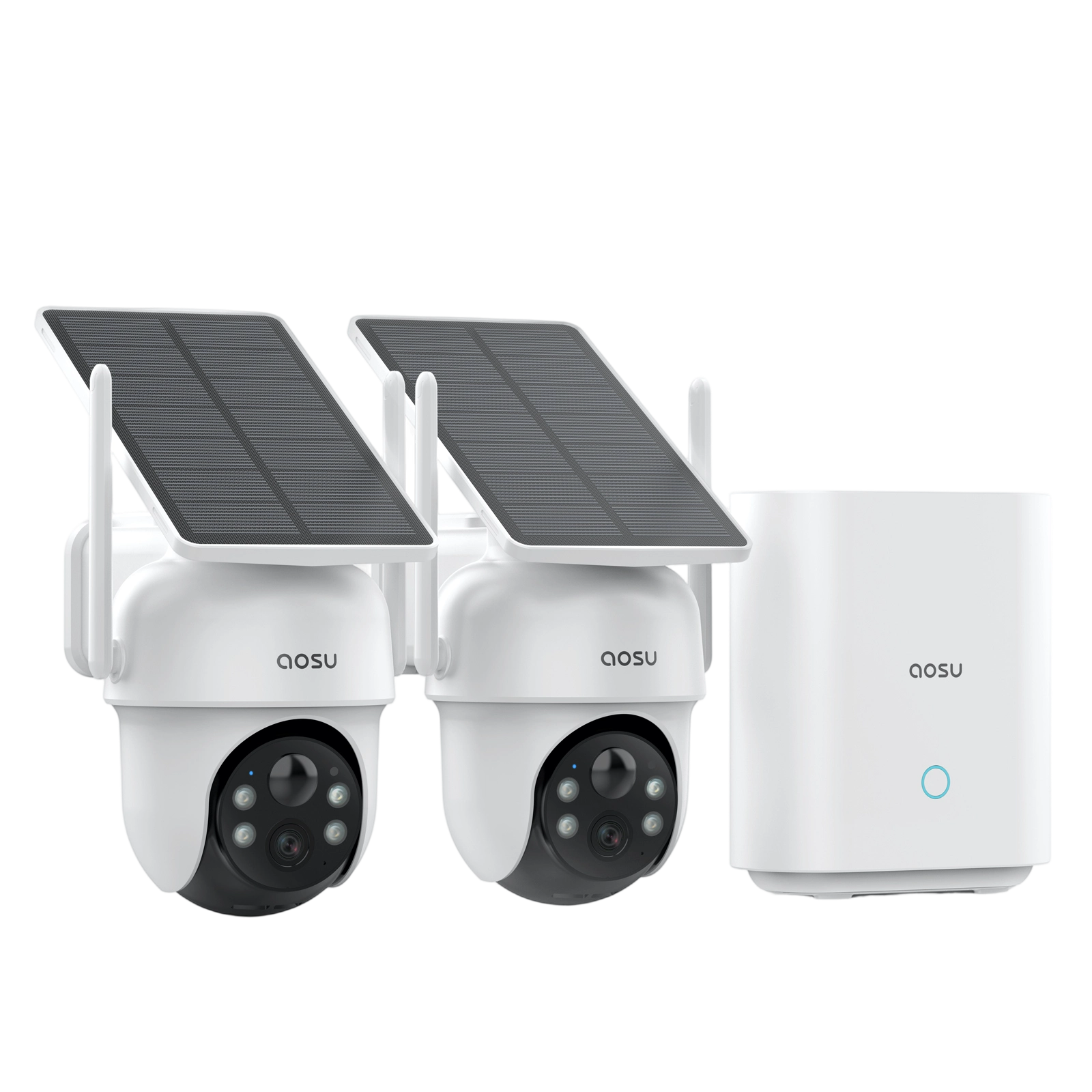
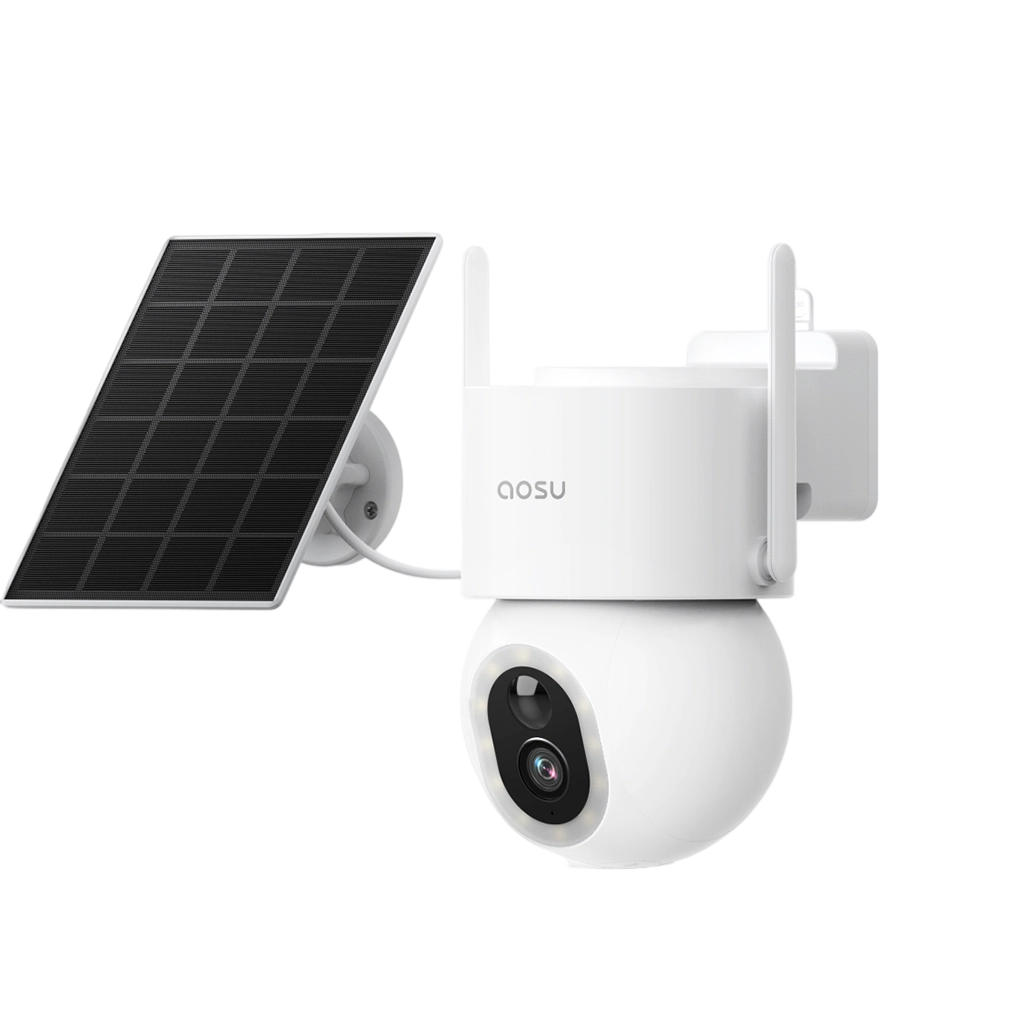
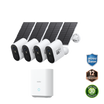
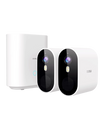
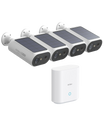
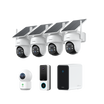
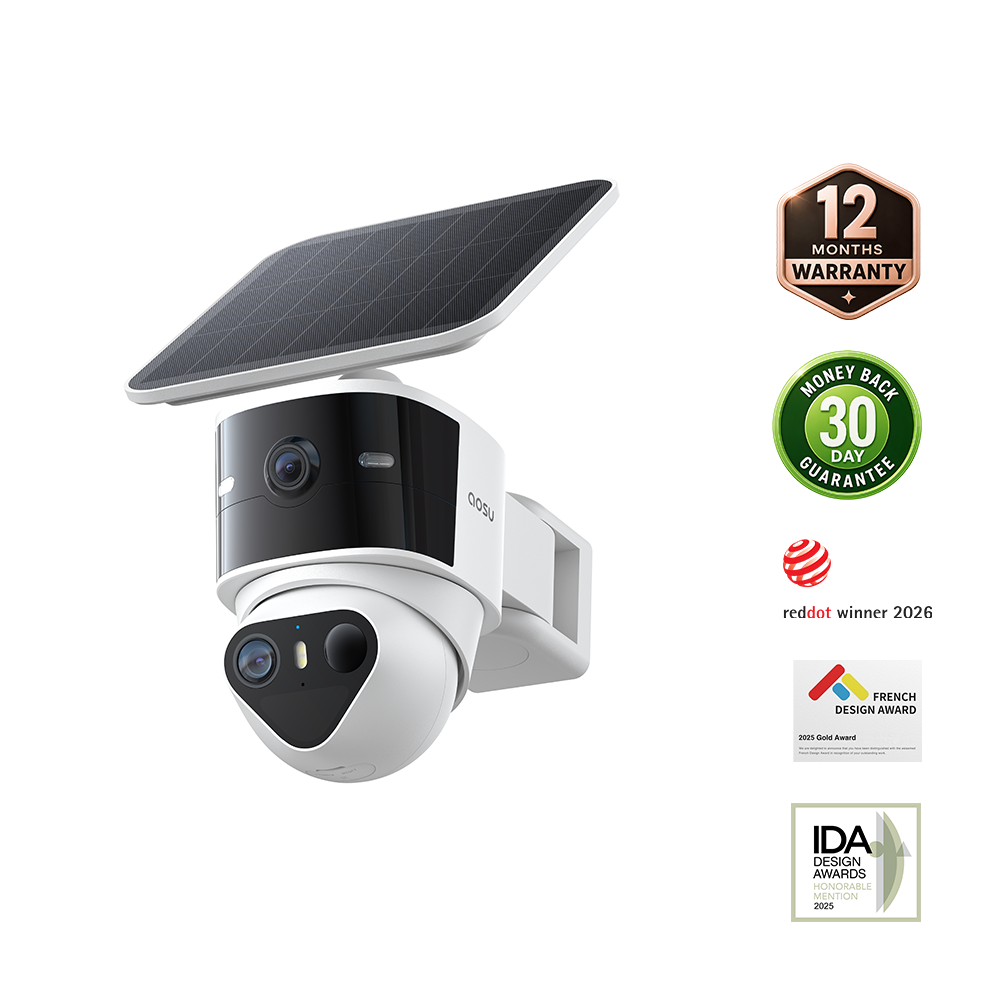
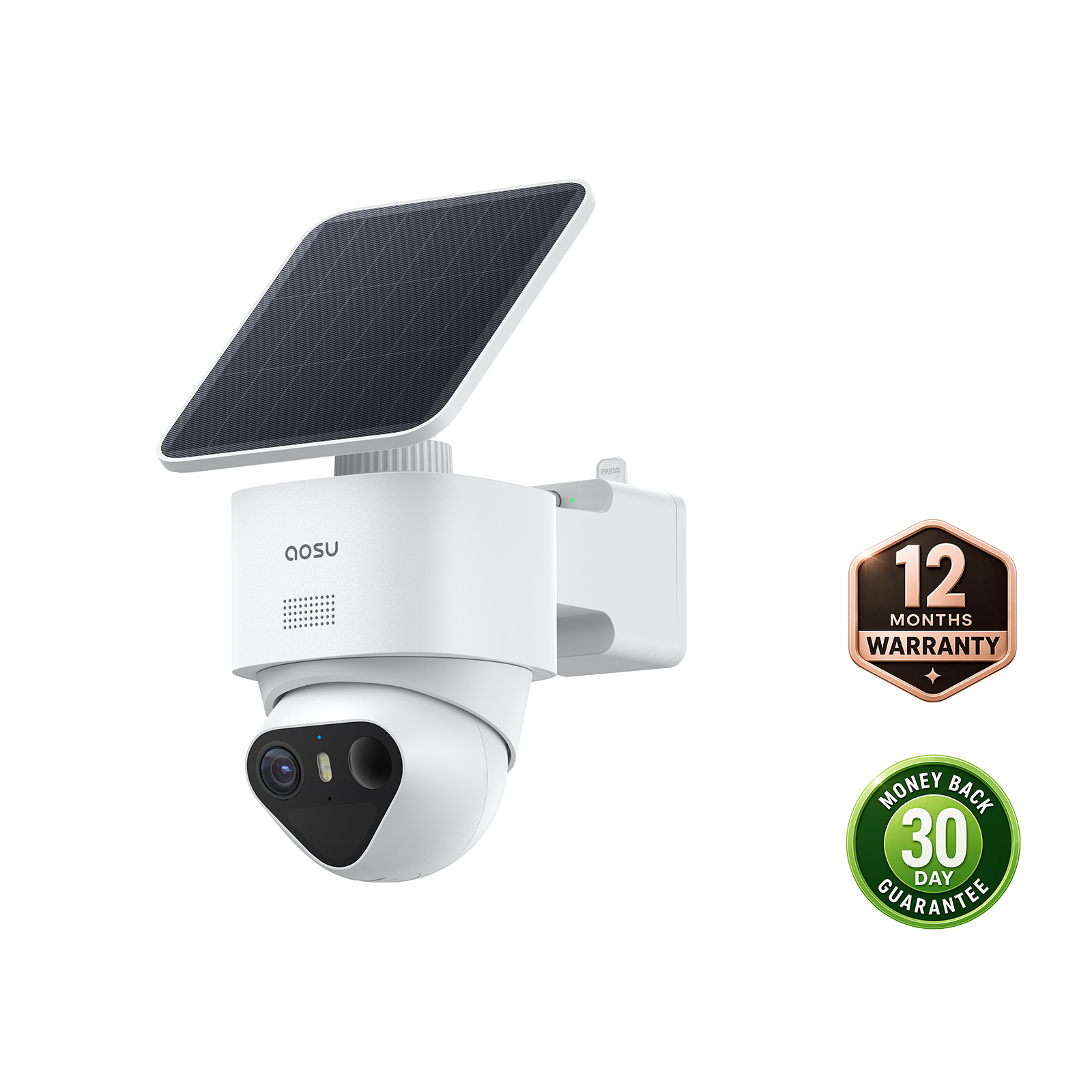
A camera can support agreed check-ins, but it does not make a child ready to stay alone or provide an adult who can physically help. Keep the phone and nearby-adult plan available even when the camera is working.
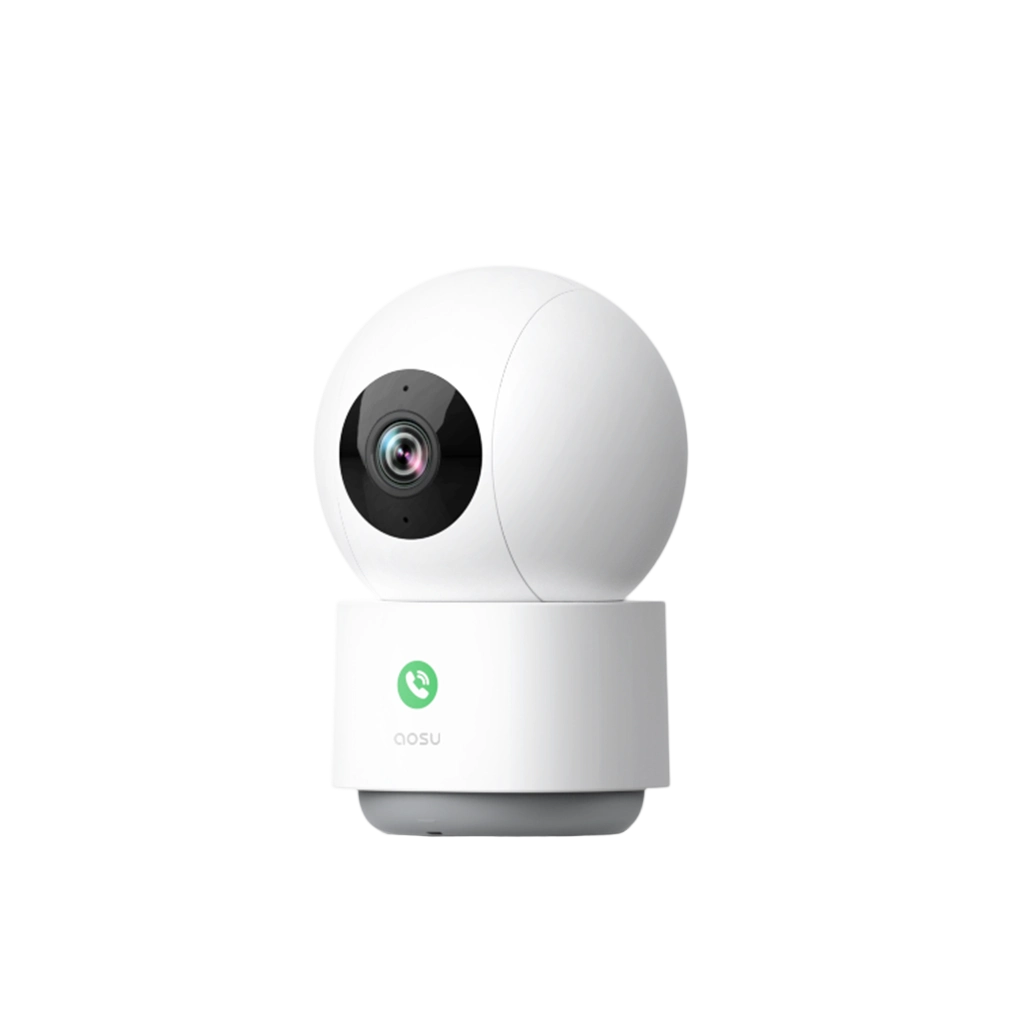
If you want an additional way to communicate, explore the IndoorCam P1 Pro’s calling and viewing features. Test the functions you intend to use, explain the camera to your child and place indoor devices only in appropriate shared spaces.
2. Provide First Aid Training
Arrange age-appropriate first aid instruction and practise when to ask an adult or emergency service for help. Keep suitable supplies accessible and make clear that a child is not expected to manage a serious injury alone.
3. Educate About Internet Safety
Educate children about the importance of internet safety. They should know not to share personal information online, avoid interacting with strangers, and recognize potential online threats. Setting parental controls on devices can help monitor and limit their online activity. Encourage open communication and teach them how to report suspicious or uncomfortable interactions.
4. Conduct Emergency Drills
Practise what to do for a fire alarm, severe weather, injury or loss of phone contact. Use the appropriate plan for each situation rather than one “safe zone” for every emergency.
For fire, practise escape routes and an outdoor meeting place. Teach your child to get out, stay out and contact emergency services from safety. The plan should not require them to fight a fire or retrieve belongings.
Use the Red Cross fire-safety guidance for children when preparing the escape plan.
5. Designate Safe Zones
Agree where ordinary activities will take place and keep a phone accessible. Separately identify the appropriate place for severe weather and the outdoor fire meeting point. A room used for routine activities is not automatically safe during every emergency.
6. Establish Check-Ins with Neighbors
Confirm the nearby adult’s availability each time and keep their details on the contact sheet. Do not assume that a neighbor is available without checking.

Wrapping Up: Helping Kids Stay Safe Home Alone
Start with readiness, local requirements and a workable adult response plan. Agree the six rules, practise emergencies and use short trials before extending time alone.
Check-ins and cameras can support the arrangement, but they cannot guarantee safety. Reconsider the plan if your child is uncomfortable, cannot follow it or cannot reach help.
FAQs About Keeping Kids Safe Home Alone
What are the most important safety rules for kids at home alone?
Agree door and visitor rules, food and appliance limits, permitted areas and check-in times. Keep an accessible phone and contact sheet, rehearse emergencies and confirm a nearby adult can help. Rules do not make an unsuitable care arrangement appropriate.
How can kids handle emergencies safely at home alone?
Rehearse specific situations before leaving your child alone. For fire, follow the escape plan and call emergency services from safety; do not wait for a parent to answer first. For other problems, follow the agreed instructions and contact the parent or nearby backup adult. In the United States, the emergency number is 911; use the correct number elsewhere.
How should kids protect themselves from stranger danger at home?
Do not open the door to unexpected visitors or deliveries, and do not tell callers or online contacts that you are alone. Practise the agreed response and whom to contact if someone causes concern. Seeing a visitor on camera does not replace the door rule.
What are the best technology tools to keep kids safe at home alone?
Choose tools your child can use reliably, starting with an accessible phone and contact list. Cameras may support check-ins, but alerts and remote viewing do not replace a nearby adult or emergency plan.
How should parents set and enforce safety rules for kids at home alone?
Explain the rules, rehearse likely situations and invite questions. Start with brief trials and review what happened together. If the child cannot reliably follow the plan or feels uncomfortable, use another care arrangement.
Which home security measures help kids stay safe alone?
Working locks and suitable security devices can support the household plan. Make sure your child can still use emergency exits and knows whom to contact. No device guarantees protection.
What daily routines should kids follow to stay safe at home alone?
Agree meals, ordinary activities, screen time and check-ins in advance. Keep the contact sheet and phone accessible, and practise what to do if plans change or contact is missed.
How can parents supervise children remotely when home alone?
Agree phone or video check-ins and a response if contact is missed. If using a camera, test it and discuss its placement with your child. Remote viewing cannot provide hands-on help; keep the nearby adult arrangement in place.