


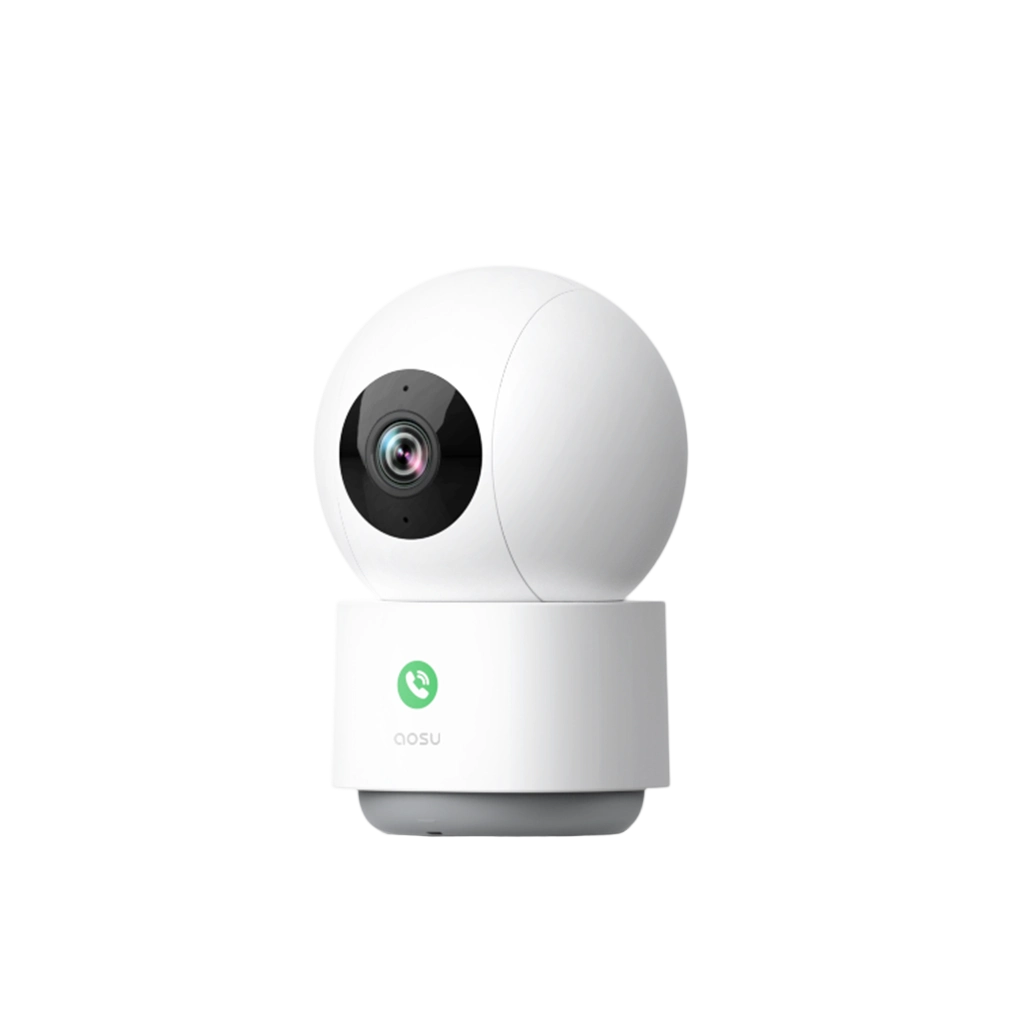

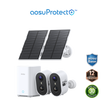

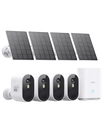
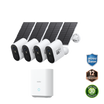
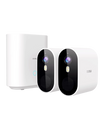
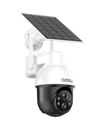
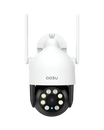
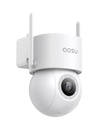




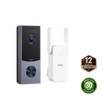

Home safety involves identifying hazards, maintaining equipment and following up on repairs. This guide covers seven common hazard categories and a room-by-room starting checklist. Security cameras can help with viewing entrances and outdoor activity, but they do not replace dedicated life-safety alarms, appropriate supervision or professional assessment.
Start With a Walk-Through
| Area | Check first | Next step |
|---|---|---|
| Bedrooms and halls | Alarm coverage, clear escape routes and trip hazards | Follow alarm instructions and practise the escape plan |
| Kitchen | Unattended heat, combustible clutter and overloaded outlets | Correct unsafe use; arrange professional repair where needed |
| Bathrooms and utility areas | Leaks, damp surfaces and slipping hazards | Fix the moisture source and dry affected areas promptly |
| Fuel-burning equipment areas | Maintenance and unobstructed exhaust routes | Use qualified service personnel |
| Garage and outdoors | Engines or generators near openings | Follow outdoor-use and separation requirements |
| Entrances | Locks, lighting and camera sightlines | Check access security separately from life-safety alarms |
This checklist uses U.S. safety sources. Local codes, manufacturer instructions and professional assessment take precedence for a specific installation.
1. Fire Hazards
Fire hazards are among the most dangerous threats in a home. Faulty electrical wiring can cause short circuits, leading to fires. Overloaded power strips are another risk; when too many devices draw power from a single strip, it can overheat and ignite. Unattended candles or cooking appliances are also major culprits, as a moment of inattention can lead to devastating fires. Lastly, heaters placed too close to curtains, furniture, or other flammable materials can cause them to catch fire.

How to Detect and Prevent Fire Hazards
-
Install and maintain smoke alarms: Follow local requirements and the alarm manufacturer’s instructions. U.S. Fire Administration guidance calls for alarms on every level, inside bedrooms and outside sleeping areas. Do not place an alarm immediately beside cooking equipment.
Test alarms monthly. Battery replacement depends on the alarm type; sealed long-life batteries are not maintained like replaceable batteries. See the USFA smoke-alarm guidance and placement illustrations.
Regular Inspection of Electrical Cords and Outlets: Check for signs of wear, fraying, or overheating. Replace damaged cords and avoid using appliances with exposed wires.
Avoid electrical overloads: A surge protector limits voltage surges; it does not increase the capacity of an outlet or circuit. Follow the strip’s rating and appliance instructions, and do not connect power strips together. Have a qualified electrician assess recurring breaker trips or insufficient outlets. See ESFI’s overload-prevention guidance.
Plan escape first: Keep exits clear and practise getting outside. Fire-extinguisher use requires suitable training and conditions; it should never delay evacuation. Do not expect children to fight a fire.
Be Cautious with Heaters: Maintain a safe distance between heaters and flammable materials. Turn off heaters when not in use or when leaving the room.
2. Carbon Monoxide Poisoning
Carbon monoxide (CO) is a colorless, odorless gas that can be deadly in high concentrations. Common sources of CO include gas appliances such as stoves, water heaters, and furnaces, portable generators, and blocked chimneys or vents.
When gas appliances malfunction or are improperly ventilated, they can emit dangerous levels of carbon monoxide. Portable generators used indoors or too close to windows can also introduce CO into your home. Blocked chimneys or vents prevent CO from escaping, leading to a buildup of the gas inside.

How to Detect and Prevent Carbon Monoxide Poisoning
Use CO alarms: Install alarms on every level and outside sleeping areas, following the manufacturer’s instructions and local requirements. Test and replace them as directed. A CO alarm is different from a combustible-gas detector.
Annual Servicing of Gas Appliances: Have a qualified technician inspect and service gas appliances annually to ensure they are functioning safely and efficiently.
Ensure Proper Ventilation: Make sure gas appliances are properly ventilated. Keep vents and chimneys clear of obstructions to allow CO to escape.
Keep portable generators outdoors: Never operate one inside a home, garage or other enclosed space, even with doors open. Keep it at least 20 feet from doors, windows and other building openings, with exhaust directed away. Follow the CDC generator-safety guidance and the generator instructions.
Act on an alarm or suspected poisoning: Move outside to fresh air immediately and call emergency services from safety. Do not search for the source or re-enter until responders permit it. Follow the CPSC CO emergency instructions.
3. Water Leaks and Mold
Water leaks and mold growth can cause significant damage to your home and pose health risks. Leaky pipes or faucets often go unnoticed until they cause visible damage. Roof leaks can lead to water infiltration, damaging ceilings and walls. Poor bathroom ventilation creates a humid environment conducive to mold growth.

How to Detect and Prevent Water Leaks
Regularly Check for Leaks: Inspect under sinks, around appliances, and in basements for signs of leaks. Address small leaks promptly to prevent larger issues.
Inspect Ceilings and Walls for Water Stains: Water stains can indicate roof leaks or plumbing issues. Investigate and repair the source of the leak as soon as possible.
Use Dehumidifiers: In damp areas such as basements, use dehumidifiers to reduce humidity levels and help control mold growth.
Ensure Proper Bathroom Ventilation: Use exhaust fans during and after showers to remove moisture from the air. Consider installing a humidity sensor to automate fan operation.
Fix Roof Leaks Promptly: Arrange suitable roof inspections and repair damaged materials promptly. Use qualified help rather than unsafe access.
4. Falls
Falls are a leading cause of injury in the home, particularly for young children and elderly loved ones. Slippery floors, especially in bathrooms and kitchens, can cause falls. Cluttered walkways obstruct paths, increasing the risk of tripping. Poor lighting makes it difficult to see potential hazards, while loose rugs or carpets can cause people to slip.

How to Prevent Falls
Keep Floors Dry and Clean: Wipe up spills immediately and use non-slip mats in areas prone to moisture, such as bathrooms and kitchens.
Remove Clutter from Walkways: Keep hallways and stairs clear of objects. Store items in designated areas to reduce tripping hazards.
Ensure Proper Lighting: Install adequate lighting in all areas of the home, particularly in staircases and hallways. Use night lights in bathrooms and bedrooms.
Secure Rugs and Carpets: Use non-slip pads or tape to secure rugs and prevent them from moving. Avoid using loose rugs in high-traffic areas.
Install Handrails and Grab Bars: In areas such as staircases and bathrooms, install suitable handrails and grab bars according to instructions to provide support.
5. Other Poisoning
In addition to carbon monoxide, other chemicals and gases can pose poisoning hazards, particularly for young children. Household cleaners can be toxic if ingested, medications need secure storage, and lead-containing paint can create hazardous dust.

How to Prevent Poisoning Hazard
Store Chemicals and Medications Safely: Keep household cleaners and medications out of reach of children and pets. Use child-resistant locks on cabinets.
Keep Chemicals in Original Containers: Always store chemicals in their original containers with labels intact. Do not transfer them to other containers.
Assess Lead Risks in Older Homes: Seek qualified assessment before disturbing potentially lead-containing paint or materials. Do not attempt unqualified removal that may spread hazardous dust.
Educate Family Members: Teach family members, especially children, about the dangers of household chemicals and medications.
Keep Poison Control Numbers Handy: Have the phone number for your local poison control center readily available in case of emergencies.
6. Electrical Hazards
Electrical hazards can cause shocks, burns, and fires. Damaged wiring or outlets can cause short circuits and fires; improper use of extension cords, such as running them under rugs, can lead to overheating. Have a qualified electrician assess whether the electrical system suits the household load.

How to Prevent Electric Hazards
Regular Electrical Inspections: Have a licensed electrician inspect your home's wiring and electrical system regularly. Address any issues promptly.
Proper Use of Extension Cords: Avoid running extension cords under rugs or furniture. Use them only temporarily and ensure they are rated for the appliances they are powering.
Assess Outdated Electrical Systems: Ask a qualified electrician whether repairs, additional outlets or an upgrade are needed for the actual electrical load.
Avoid DIY Electrical Work: Leave electrical repairs and installations to qualified professionals.
Educate Family Members: Teach family members about the dangers of electrical hazards and the importance of using electrical devices safely.
7. Home Security Threats
Home security threats can lead to break-ins, theft, and personal harm. Review doors, windows and everyday access habits separately from fire, gas and other life-safety measures. See the entry-point security guide.

How to Safeguard Your Home with Security System
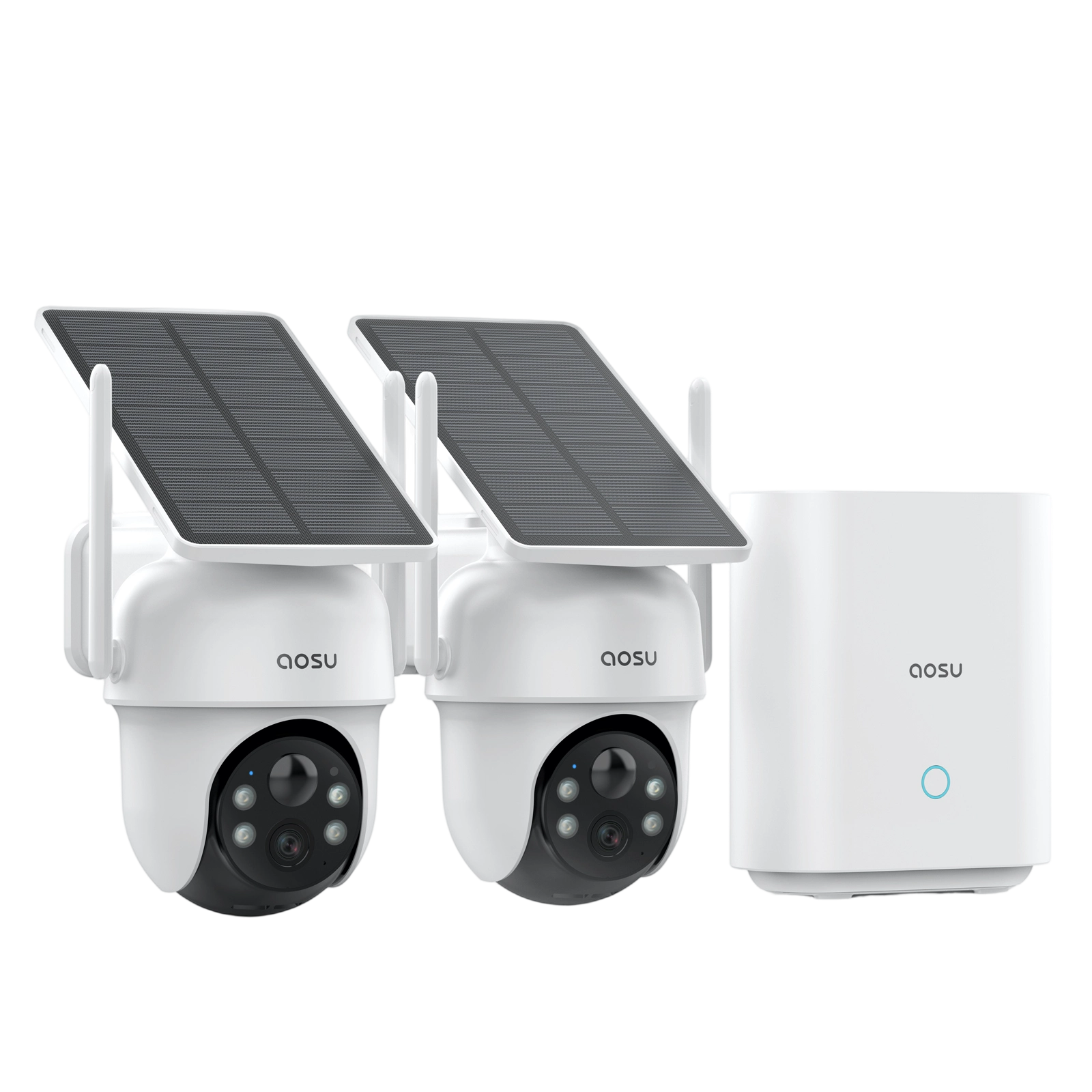
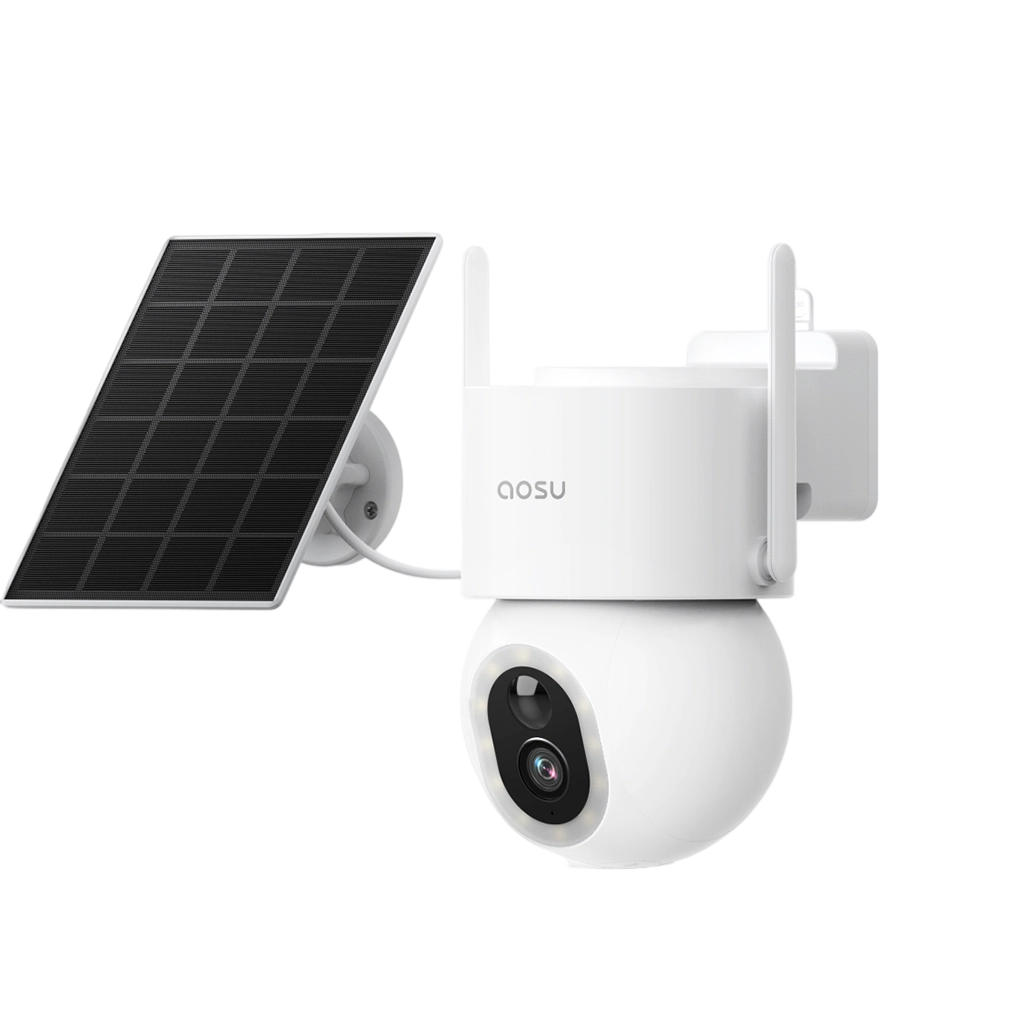
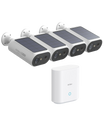
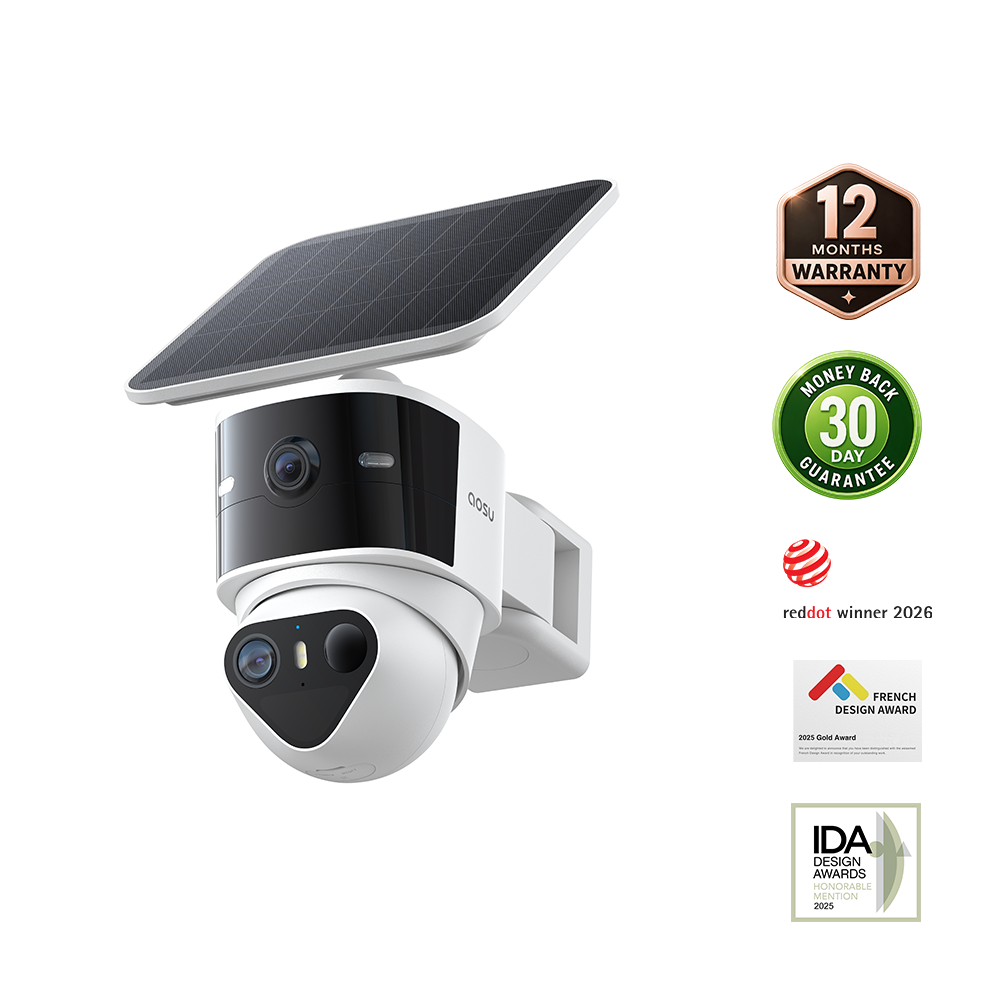
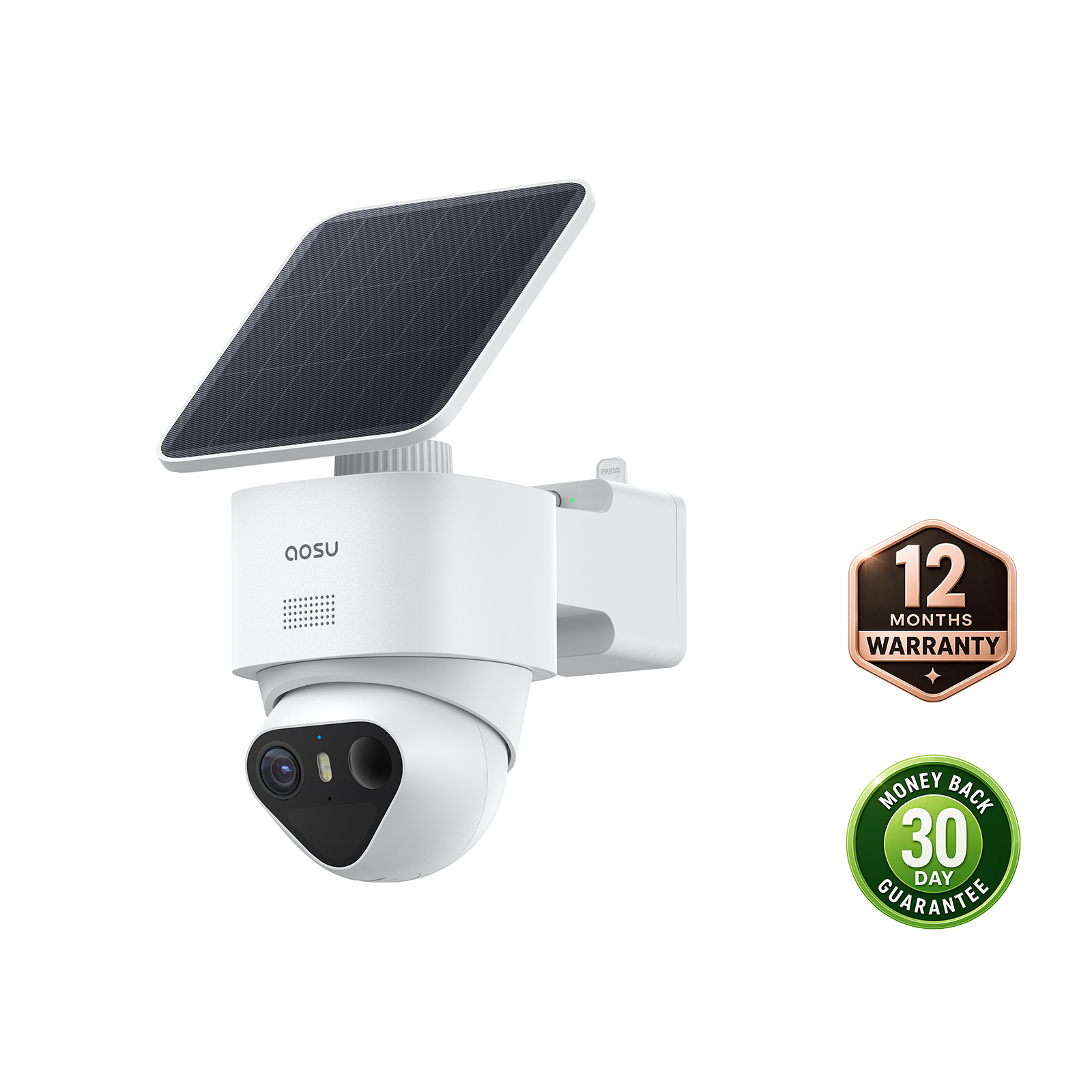
Install Security Cameras: Consider outdoor security cameras for defined viewing needs. Check the exact model's detection, recording and remote-access requirements; cameras cannot guarantee deterrence.
Use Suitable Locks: Maintain secure exterior-door and window locks while preserving emergency escape routes.
Maintain a Well-Lit Property: Check lighting around entry points. A floodlight outdoor camera combines camera and lighting functions; confirm placement and installation requirements.
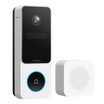
Consider a Video Doorbell: A video doorbell can support viewing and communication with visitors where the model and connection support it.
Coordinate With Neighbors: Agree appropriate ways to report concerning activity without confrontation or unsupported accusations.
For entrances and outdoor activity, explore the Floodlight Cam Pro’s camera and lighting features. These functions are separate from smoke, CO, gas and water-leak detection.
Review Hazards and Follow Up on Repairs
Use the walk-through to identify issues, arrange suitable repairs and maintain alarms according to their instructions. Keep escape and emergency plans practical for everyone in the household. No checklist or connected device establishes that a home is hazard-free; use qualified assessment when the problem exceeds a routine check.
FAQs About Detecting and Preventing Home Safety Hazards
How Can You Prevent Home Fires for a Safer Living Space?
Use correctly installed smoke alarms, safe cooking and heating practices, and properly maintained electrical equipment. Practise an escape plan. Security-camera notifications are not a substitute for smoke alarms.
How Do You Detect Electrical Hazards in Your Home?
Look for damaged cords, discolored outlets, burning smells or repeated breaker trips. Stop using affected equipment where it is safe to do so and contact a qualified electrician. A security camera does not diagnose wiring faults or circuit overloads.
What Are the Best Ways to Prevent Slips and Falls at Home?
Securing rugs, improving lighting, adding suitable grab bars, keeping walkways clear, proper footwear and floor maintenance can help reduce fall risks, particularly for children and older adults.
How Can You Detect Gas Leaks for Safer Home Living?
If you suspect a gas leak, leave the area. Do not operate electrical switches, create flames or use a phone in the suspected leak area. From a safe location, contact emergency services and the gas utility. Do not stay inside to investigate or rely on a camera. Follow the PHMSA gas-emergency guidance.
How Do You Childproof Your Home to Prevent Accidents?
Secure hazardous items and use age-appropriate gates, locks and other safeguards according to their instructions. Inspect them regularly and maintain appropriate supervision. A camera can provide an additional view, but it cannot physically protect or supervise a child.
How Can You Prevent Water Damage and Leaks at Home?
Check plumbing and appliances for leaks and repair the moisture source promptly. Use a purpose-built water-leak sensor if early notification is needed, after checking its placement, connectivity and alert requirements. This article has not verified an aosu leak-sensor model. See the EPA moisture-control guidance.
How Do You Detect and Reduce Indoor Air Hazards?
Identify the specific concern before choosing a monitor. A generic air-quality reading does not test for every pollutant or establish that mold is absent. Repair leaks, control moisture and seek suitable professional assessment where needed. CO requires an appropriate CO alarm.
How Can Smart Home Devices Help Detect and Prevent Hazards?
Match each hazard to a device designed for it. Smoke alarms, CO alarms, combustible-gas detectors, water-leak sensors and security cameras serve different purposes. Connectivity does not make them interchangeable, and remote notifications do not replace local alarms, maintenance or an emergency plan.