










Yes, movie theaters can use security cameras. To find out whether a particular auditorium is monitored, check that venue’s notices or ask its manager.
For a documented example, ODEON’s UK admission terms state that CCTV operates for crime prevention and public safety. This confirms the operator’s use of CCTV, while auditorium coverage needs to be checked with the individual cinema.
This guide explains what to ask about camera coverage, recording and privacy. Official references were checked on November 5, 2026.
What Privacy Rules Apply to Theater Cameras?
Check the rules for the country, state or province where the cinema operates. Relevant questions include where cameras point, whether audio is captured, what notice visitors receive, who can access footage and how long recordings are retained.
UK Example
The UK Information Commissioner’s Office explains that surveillance must respect people’s privacy. Areas such as toilets and changing rooms carry a heightened expectation of privacy, and surveillance there requires particularly strong justification.
Read the ICO’s CCTV privacy guidance for the UK context. For a cinema elsewhere, consult the relevant local authority or regulator and the venue’s privacy notice.
Ask separately about audio recording. A notice stating that CCTV is in use may leave that question unanswered.
Where Are Cameras Usually Installed in Theaters?
Surveillance is a common part of modern cinema operations. Cameras are often placed in public, high-traffic, or security-sensitive areas. Some venues may also monitor auditoriums, so the exact coverage is worth checking with the theatre. Here are places where cameras may be found:
- Ticket counters and self-service kiosks: Cameras placed above or near ticket booths and machines can help staff monitor for fraud, such as fake payments or reused tickets, and resolve disputes when customers say they did not receive their tickets.
- Main entrances and security checkpoints: Cameras at entry points can show who comes in and out, help detect unauthorized access, and help staff respond to incidents—especially during crowded events.
- Concession stands and snack bars: Because these areas involve payments and long lines, cameras can help deter theft, monitor transactions, and resolve complaints about incorrect orders or payments.
- Hallways and areas outside restrooms: These are high-traffic zones where arguments, accidents, or vandalism may occur. Cameras here can help staff review an incident while keeping surveillance outside private rooms.
- Entrances to screening rooms and major walkways: Cameras at theater doors show who enters or exits each screening room, can help prevent theater-hopping, and can assist with incident reviews or evacuations.
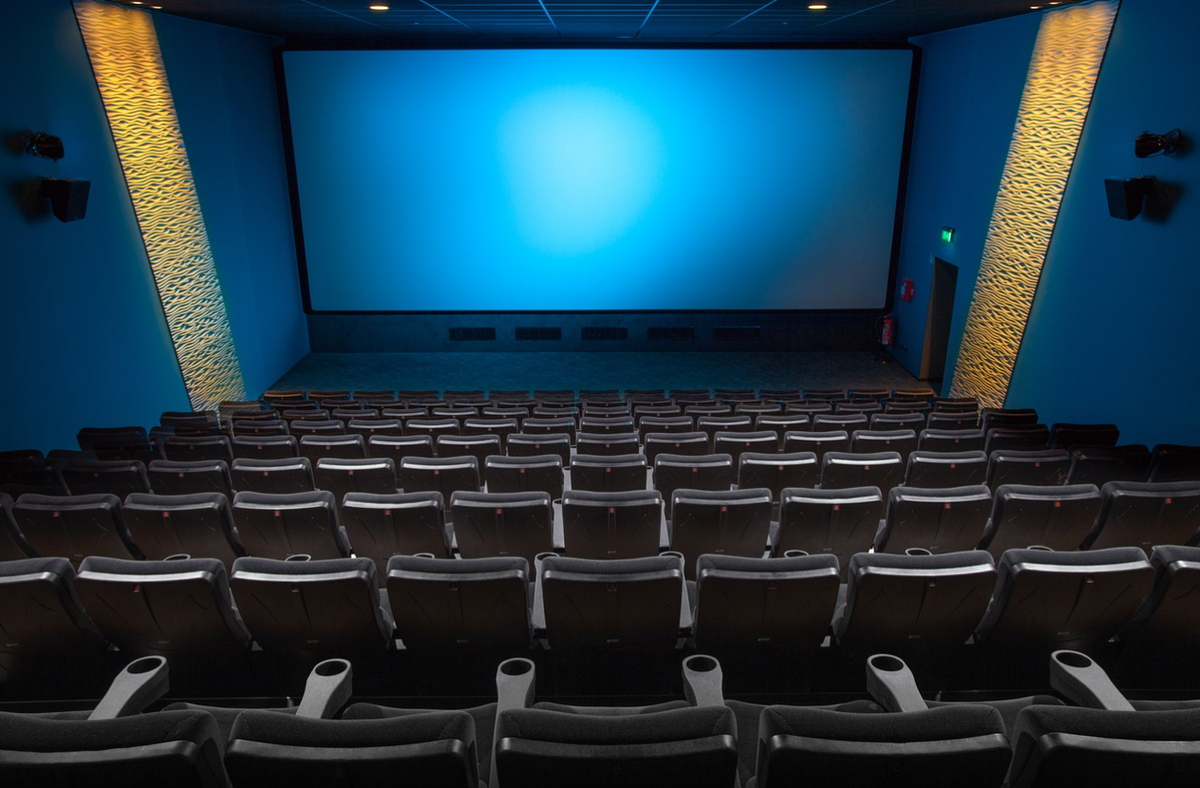
- High corners inside some screening rooms: A venue may use a low-light or infrared camera to monitor an auditorium without turning on bright lights. Auditorium coverage varies by venue.
Overall, theater cameras are used to protect people and property. Placement and coverage differ by venue, particularly inside screening rooms.
What Can You Confirm About a Theater’s Camera System?
Check the venue’s privacy notice or ask the manager about the system in use. Useful details include the areas covered, whether staff view images live, whether footage is saved and whether audio is captured.
Treat low-light performance, camera movement and automated analysis as separate questions. If a venue mentions “AI,” ask which functions it uses and where those functions are explained.
A camera’s shape or visible indicator cannot establish its recording settings, coverage or analysis features.
How to Tell If a Theater Has Cameras
Curious if your local movie theater uses surveillance cameras? Visible hardware and venue notices can give you clues, but the venue is the best source for its actual coverage. Here’s how to check without disturbing a screening:
1. Look around ceilings, corners, and entrances
Many surveillance cameras are installed in high, out-of-the-way spots—like ceiling corners, above entrance doors, or along hallway walls. Look for black dome cameras, small box-shaped devices, or units attached to metal brackets. Some cameras sit behind dark glass covers that blend in with the decor.
2. Check for visible signage or notification stickers
Look for signs near the main entrance, at the ticket counter, or near the concessions stand. Common messages include “Video Surveillance in Use” or “This Area Is Monitored by CCTV.” A sign tells you the venue uses surveillance, but it does not show every camera or confirm whether the auditorium is recorded.
3. Look for small infrared lights or blinking indicators at night
If you want to detect a night-vision camera in a theatre, a faint red glow near a lens can be a clue to an infrared illuminator. But many infrared lights show no visible glow, and a camera can also use available low light. No red dot does not mean no camera.
Some phone cameras can show an active infrared light source, but phone sensors and filters differ. A bright spot is not proof of a camera, and seeing nothing does not rule one out. Do not use a flashlight or a bright phone screen during a film; check before or after the screening and ask staff about anything unclear.
4. Ask the Manager Specific Questions
Ask before or after the screening:
- Does this cinema monitor the auditorium or seating area?
- Is the system used for live viewing, saved recordings or both?
- Does it capture audio?
- Where can I read the CCTV privacy notice?
- How long is footage retained?
- Who should I contact about a privacy concern or a request involving footage of me?
If you need footage relating to an incident, provide the date, approximate time, cinema location and relevant area promptly.
For an example of a published process, see ODEON’s CCTV footage request instructions. Follow the process and retention information published by your own cinema.
To Wrap Up
While some moviegoers may feel uneasy about surveillance, cameras can help theaters deter theft, review incidents, and manage crowded areas. Operators still need to follow local rules, avoid private spaces, and be transparent about where and why cameras are used.
If you want to know whether your theatre uses night-vision cameras, check its notices, look for visible hardware, and ask staff about auditorium coverage. A red glow alone cannot settle the question.
FAQs
Are Cameras Installed in Movie Theatres?
Many movie theatres use cameras at entrances, ticket counters, exits, and other shared areas for safety and security. Some also monitor auditoriums. Ask the venue about the areas covered at your location.
How Do Security Cameras Work in Cinemas?
Cinema security cameras capture video that staff can review for incidents. Depending on the system, a camera may use high-definition video, motion detection, or infrared illumination for low light. Placement and recording practices vary by venue.
Do Theatres Record Their Audiences and Why?
Some theatres monitor auditoriums, while others focus on entrances and shared areas. A venue’s privacy notice or manager can tell you whether its seating areas are recorded and how the footage is used.
What Are the Privacy Concerns with Cameras in Theatres?
Camera placement, notice, audio recording, and footage retention can affect patrons’ privacy. Cameras in shared areas raise different concerns from cameras in restrooms or changing areas. Check the venue’s policy if you want details about its practices.
What Types of Cameras Are Used in Theatres?
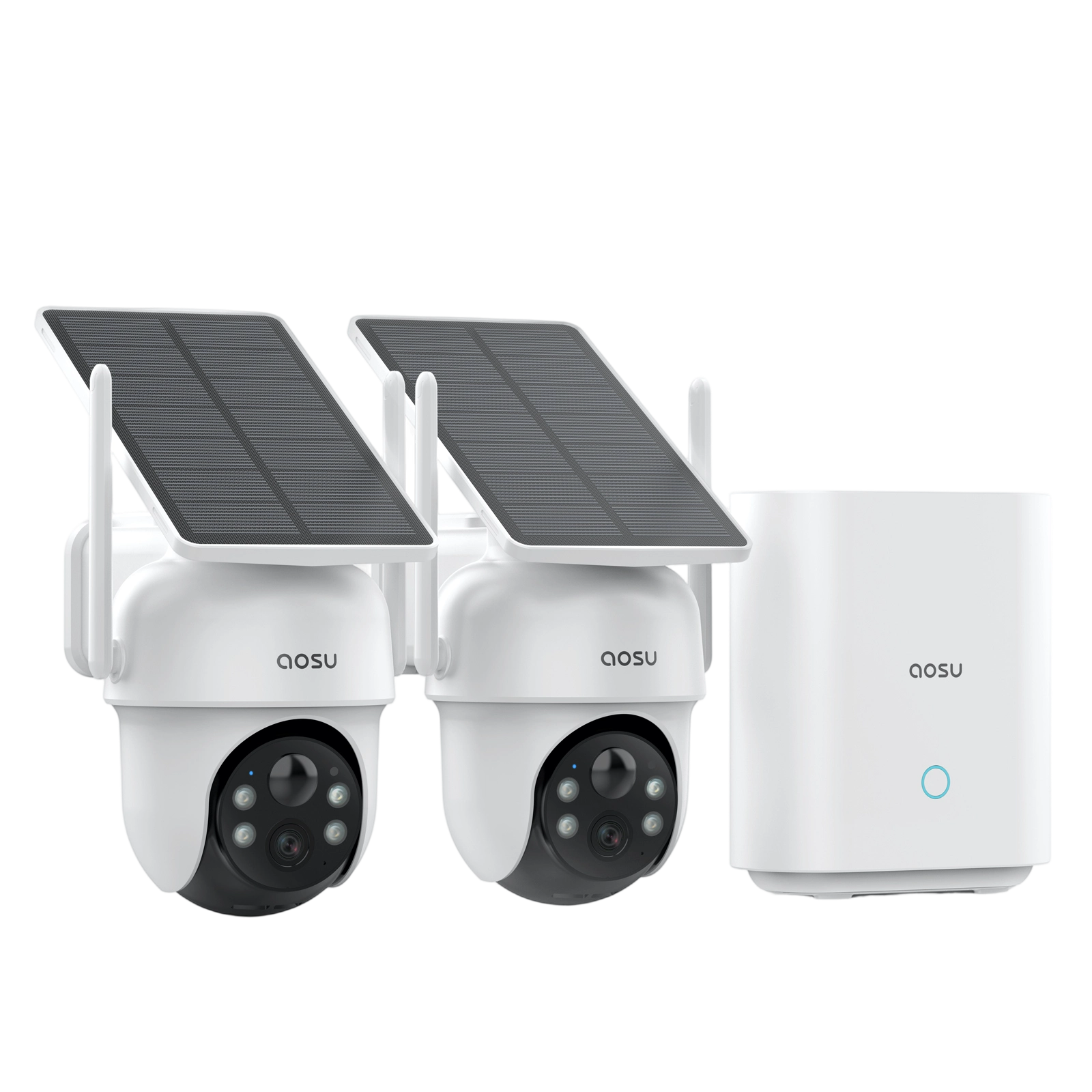
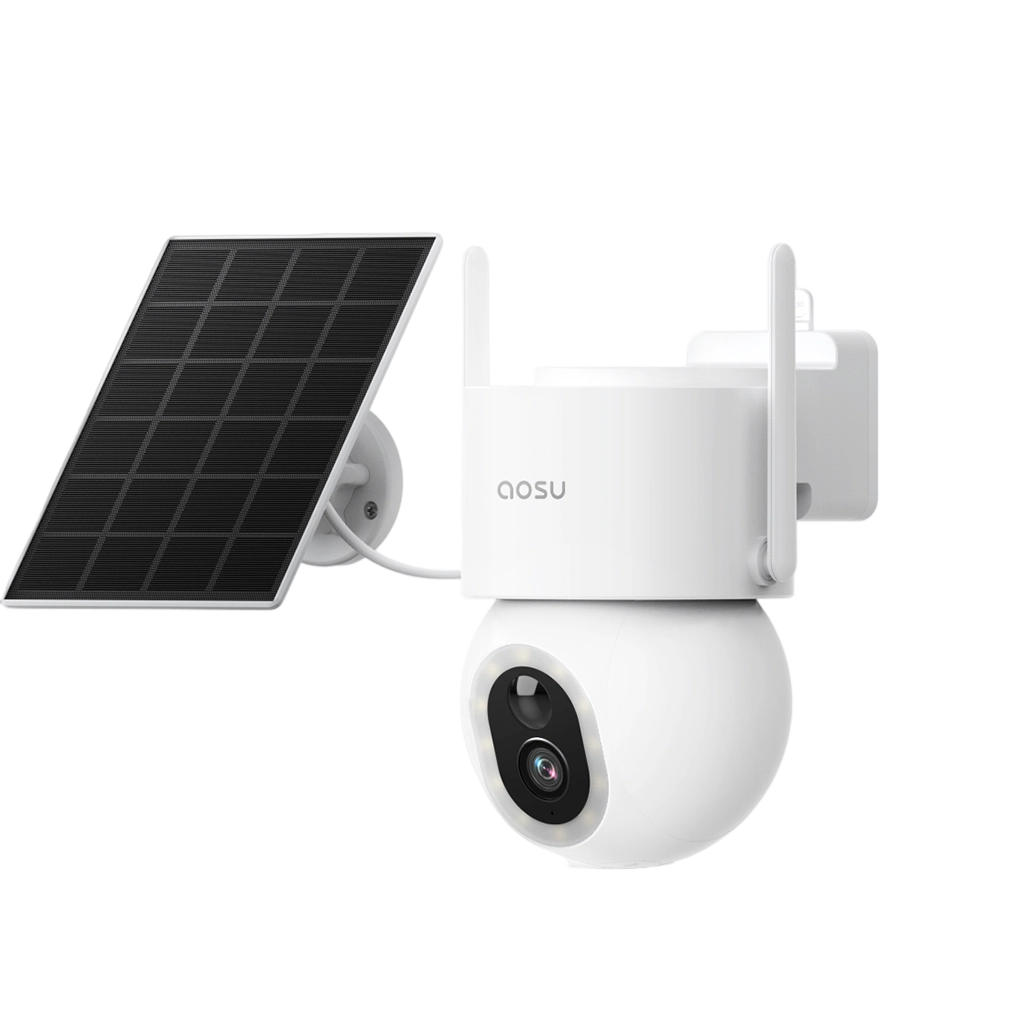
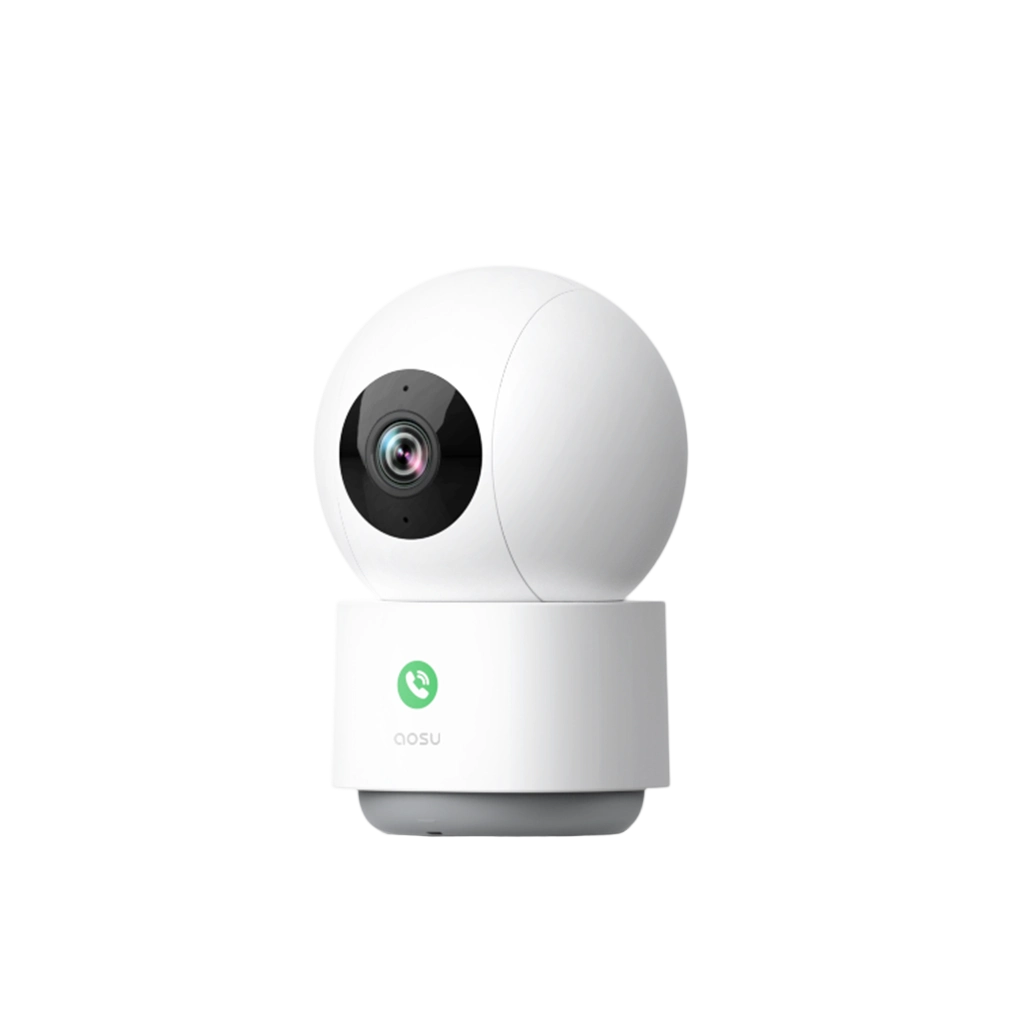
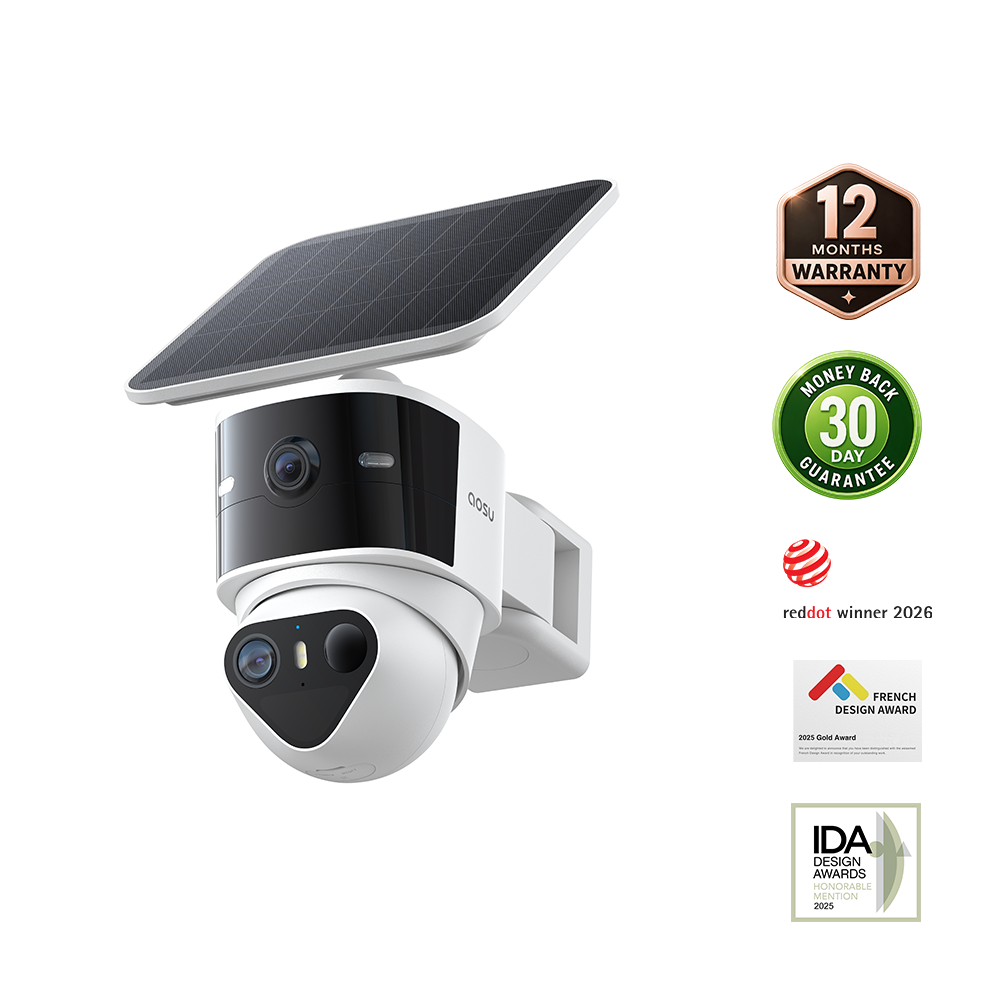
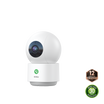
A theatre may use dome, wide-angle, PTZ, or low-light cameras. An infrared night-vision camera uses infrared illumination to capture footage in darkness; other low-light cameras can work without a visible red glow.
What Are the Laws About Using Cameras in Theatres?
Rules vary by location. They can govern notice, camera placement, audio recording, and how long footage is kept. Check the local rules and the venue’s own policy for a specific theatre.
How Do Cameras Improve Safety in Theatres?
Cameras can help staff review theft, vandalism, accidents, and other incidents. Coverage at entrances, corridors, and busy counters can also help staff understand what happened without relying only on memory.
Are Theatre Cameras Always Recording?
There is no single recording pattern. A system may record continuously, record when triggered, or be used for live monitoring. Ask the venue how its cameras operate if you need to know about a particular theatre.