








The use of cameras in classrooms is becoming increasingly common as schools seek to enhance safety, improve transparency, and support effective teaching. While this trend offers clear benefits, it also raises important questions about privacy and legality—particularly one central concern: is it illegal to have cameras in classrooms?
The answer isn't as straightforward as a simple yes or no. Regulations vary significantly from state to state, and schools must navigate a complex balance between protecting students and staff while complying with privacy laws. In this article, we'll explore the legal landscape around classroom surveillance, examine the pros and cons of using school cameras, and provide practical guidance on how to implement them responsibly and effectively.
What U.S. State Laws Say About Cameras in Classrooms

Identify the school’s state, setting and recording purpose before deciding which rules apply. Review video recording, audio capture and access to recordings separately.
For a specific example, Texas’s special-education surveillance rules govern defined settings and impose conditions on operation, access and retention.
Ask school counsel to identify the applicable provisions and district requirements before installation. Keep the cited sources and review date with the approved policy.
Sources checked November, 2026.
How to Plan Classroom Recording
1. Define the purpose. State why recording is proposed and which uses require authorization.
2. Confirm applicable requirements. Have counsel review the setting, camera locations, audio, notice and consent requirements.
3. Review student-record obligations. The U.S. Department of Education’s FERPA video guidance explains when footage becomes an education record and how access questions are assessed.
4. Set access and retention procedures. Identify authorized users, disclosure procedures, deletion schedules and circumstances requiring preservation.
5. Train responsible staff. Explain approved uses, handling procedures and how families or employees can raise concerns.
FERPA, Viewing Requests and Retention
The Department of Education’s video FAQ explains that footage may be an education record when it directly relates to a student and is maintained by the school or its agent, subject to exclusions.
Review requests involving multiple students carefully. Access rights and requests for copies require separate consideration. Set retention and preservation procedures using applicable requirements rather than assuming one period covers every recording.
Keep Recording Uses Within the Approved Purpose
Define safety surveillance and instructional recording as separate proposals requiring their own review.
Under Texas’s special-education surveillance rules, recordings have a student-safety purpose, restricted viewing and limits on monitoring and teacher evaluation.
A parent’s right to request review of qualifying footage does not establish permission for routine remote viewing. Schools should verify the access rule for the exact program before offering any stream or recording.
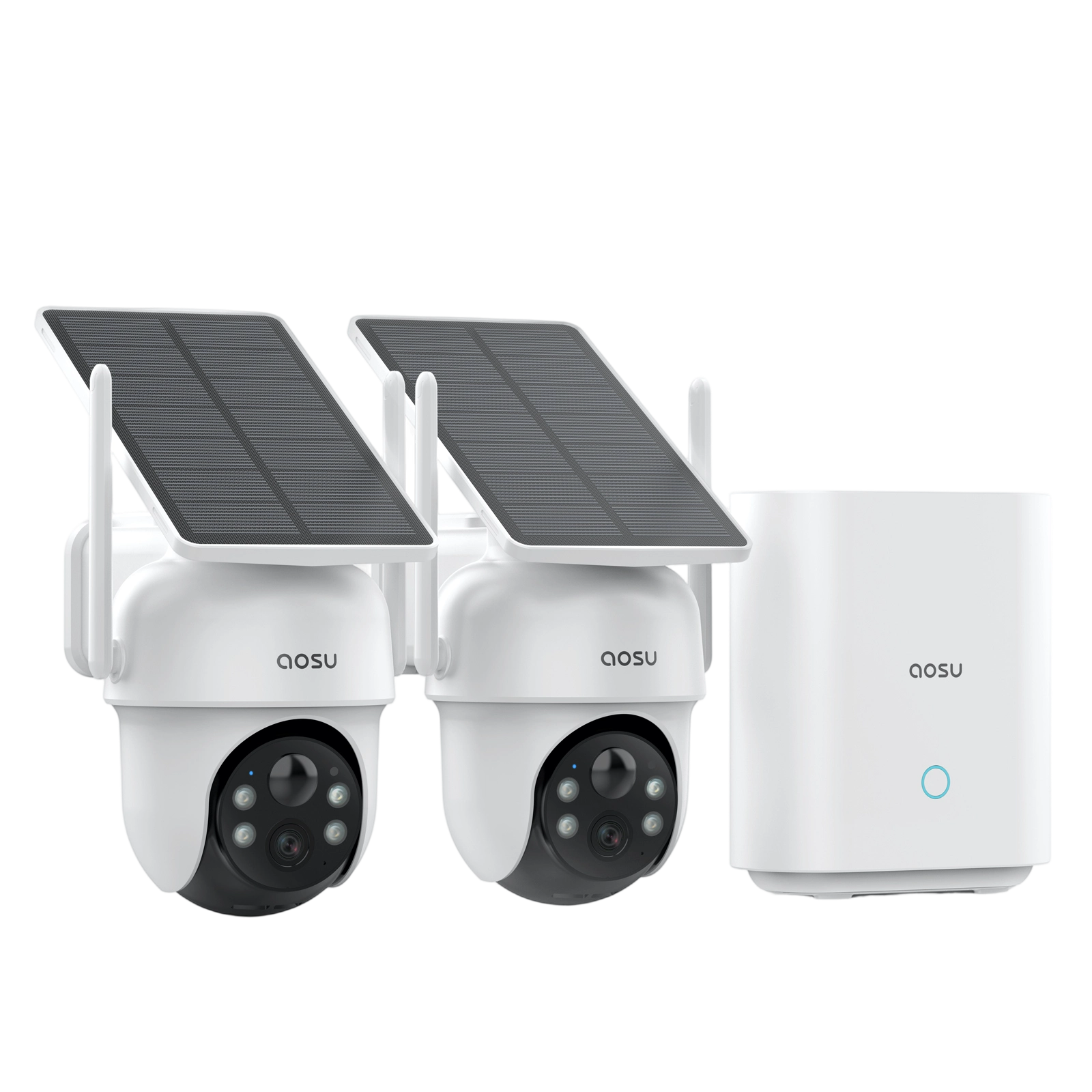
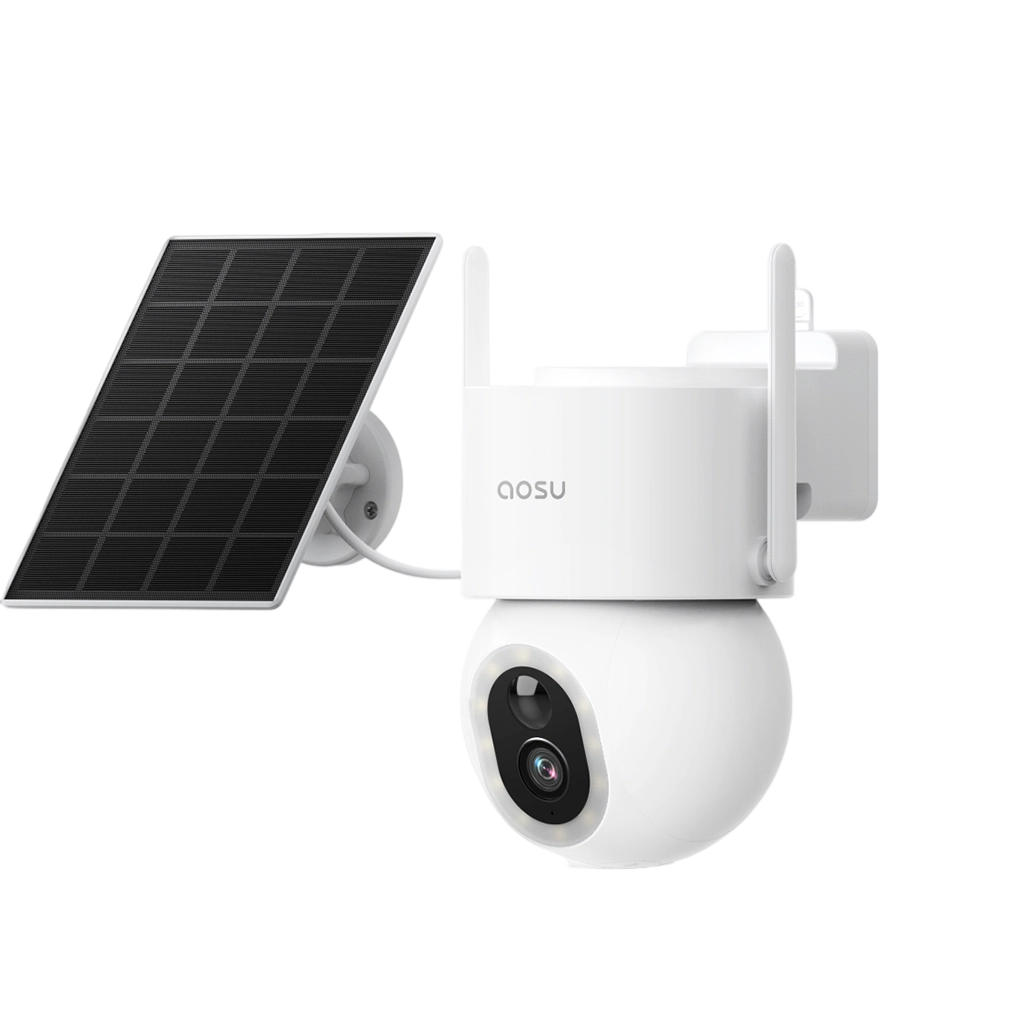
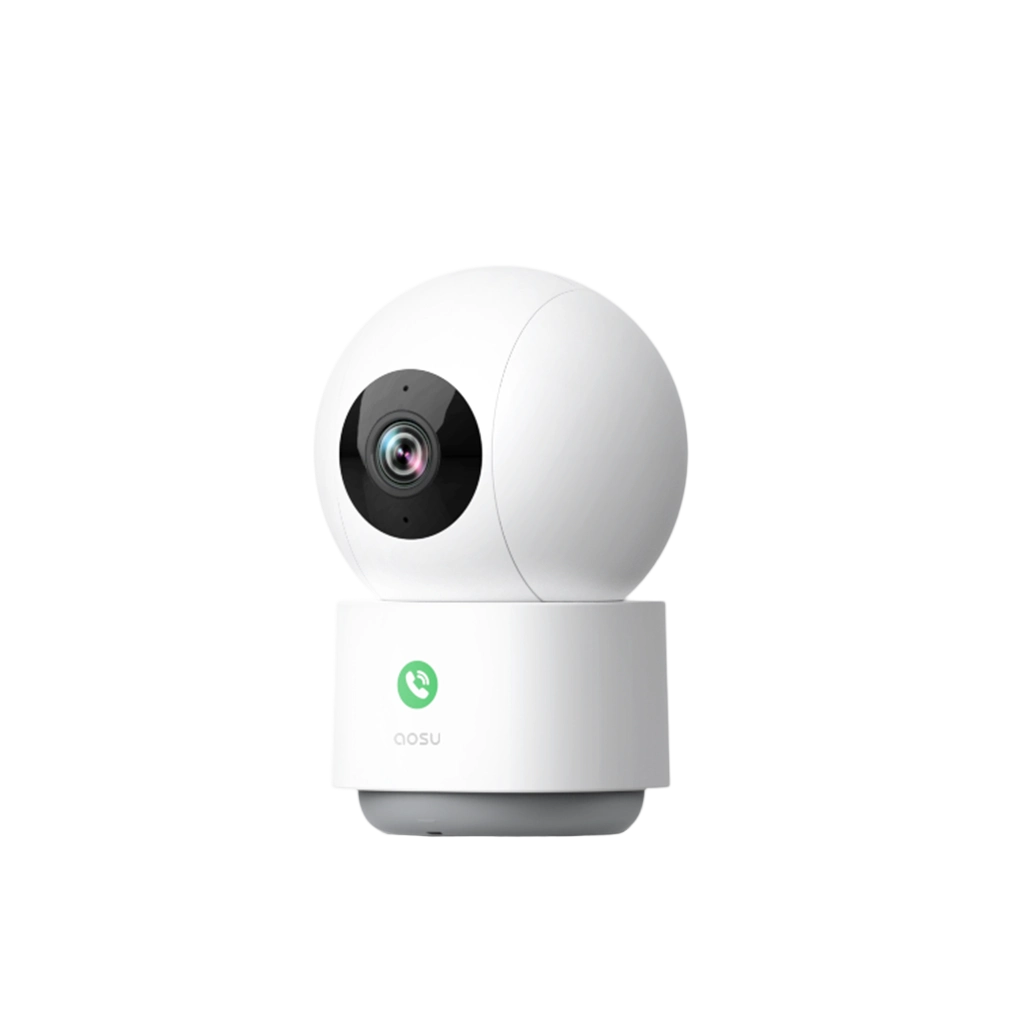
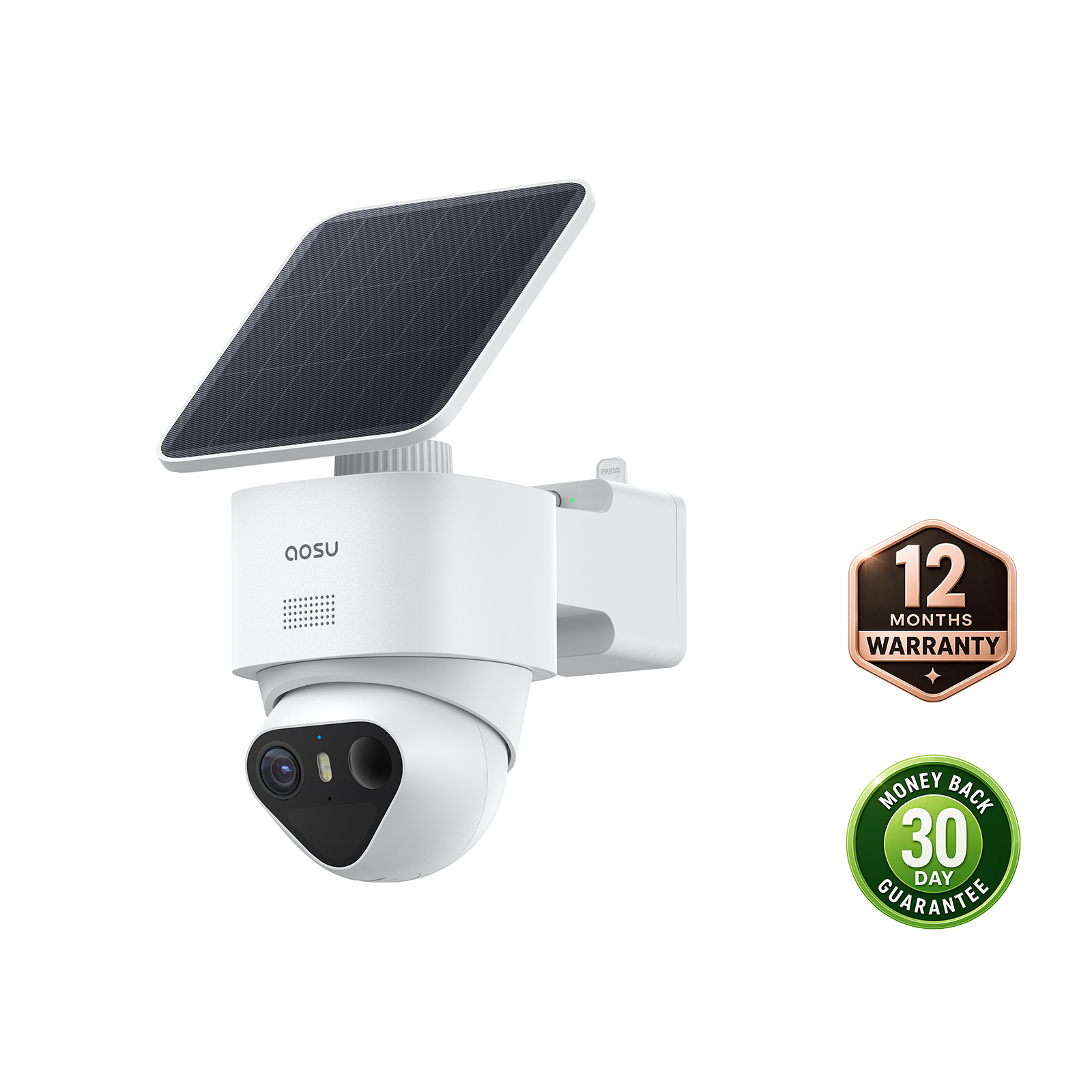
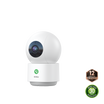
Explore aosu Indoor Cameras
Schools considering equipment should first document their approved recording purpose and operational requirements. Ask IT, procurement and counsel to assess account access, storage, export, preservation and vendor terms for the proposed use.

| Product | Current listed resolution | Product details |
|---|---|---|
| IndoorCam P1 Pro | 4MP | View IndoorCam P1 Pro |
| IndoorCam P1 | 2K | View IndoorCam P1 |
Review the exact model’s current documentation against the school’s requirements before purchase.
Both models are designed to be plug-and-play, with flexible installation options and secure cloud or local storage. They're especially useful for schools looking to introduce school cameras without adding complexity or technical overhead. Learn more about aosu and explore their full range of smart security solutions at aosulife.com.

Benefits and Limits of Classroom Recording
Footage may help review an event within the camera’s coverage when recording and access are authorized. Coverage, audio, image quality and retention determine what can be reviewed later.
Schools must also assess privacy, staff concerns, access controls, maintenance and preservation costs. These considerations belong in the approval process before equipment is selected.
Conclusion: Using Classroom Cameras Responsibly
Establish the applicable rules, permitted purpose and handling procedures first. Then assess whether the proposed equipment and operating process can meet those requirements.
FAQs About Cameras in Classrooms
Are Classroom Cameras Allowed?
Check the jurisdiction, school setting and intended use. Obtain school approval and review the applicable recording and privacy requirements.
Can Parents Watch a Classroom Remotely?
A request to review footage does not automatically authorize a live stream. Verify the program’s access rules before offering remote viewing.
Can Safety Footage Be Used to Evaluate Teachers?
Verify the permitted purpose. Some specific surveillance programs restrict evaluation or other secondary uses.
Does Buying a Camera Establish Compliance?
Compliance depends on the approved use, procedures, legal requirements and system capabilities together.