



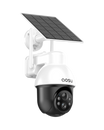



A neighbor’s camera can raise questions about window views, backyard privacy, recorded conversations and equipment placement. Start by identifying the specific concern and documenting what you can observe.
This guide addresses U.S. homeowners. The applicable state and local rules depend on the facts. Sources checked November 5, 2026.
What Should You Check First?
Record where the camera is installed, the direction it appears to face and the area that concerns you. Note any evidence of conversation recording or repeated threatening conduct. A visible camera angle alone may leave its actual coverage and settings uncertain.
Use those details when discussing an adjustment or seeking local guidance.

What Usually Matters With a Neighbor's Camera
The question is not simply whether your property appears somewhere in the frame. Outdoor cameras can unintentionally capture sidewalks, driveways, yards, parked cars, and parts of neighboring homes.
The more important question is whether the camera is capturing something a person would reasonably expect to keep private, or whether the recording is being used in a targeted, intrusive, or unsafe way.
| More likely to be ordinary security coverage | More concerning and worth checking |
|---|---|
|
|
Public View Is Different From a Private Space
A front yard, driveway, or porch may feel personal, but parts of those areas can still be visible to neighbors, delivery drivers, pedestrians, or people on the street. That is why a camera catching some outdoor activity is not automatically a privacy violation.
Private spaces are different. A camera aimed into a bedroom, bathroom, changing area, enclosed private patio, or a window where people reasonably expect privacy is much more serious.
If you are trying to decide how concerned to be, ask: could a passerby normally see the same thing, or is the camera capturing something that would otherwise be private?
Check Conversation Recording Separately
Establish why you believe conversations are being captured. A visible microphone or two-way-audio feature does not establish the device’s current settings.
18 U.S.C. §2511(2)(d) contains a federal consent exception with specific conditions. Owning the camera alone does not establish consent from a participant in a conversation.
Check the applicable state requirements as well. Give a local legal professional the location, circumstances and evidence if you need advice about a particular recording.
What to Do If You Think Your Neighbor Is Recording You
The goal is to create a factual record before you escalate. That keeps the issue clearer and reduces the chance that a neighbor disagreement becomes the main problem.
- Write down what you can observe: Note the camera location, the direction it appears to face, when you noticed it, and which part of your property concerns you.
- Take photos from your own property: If it is safe and legal, take a few photos showing the camera placement and angle. Do not trespass, block the camera, or touch your neighbor's equipment.
- Separate discomfort from a specific issue: It is valid to feel uncomfortable, but reports are easier to handle when you can explain the specific concern: window view, audio, harassment, trespass, HOA rule, or private area.
- Check local rules or property rules: Look at city guidance, HOA rules, apartment lease terms, condo rules, or local recording laws. The right next step depends on where you live.
- Start with a calm conversation if it is safe: Many issues are caused by careless camera angle rather than bad intent. A simple request to adjust the view or privacy zone may solve the problem.
How to Talk to Your Neighbor About the Camera
If the relationship is reasonably safe, a low-pressure conversation is often the fastest fix. Do not start by accusing them of spying. Start with the concrete part you want changed.
For example: “I noticed your camera may include our side window. Could you adjust its angle? If your model supports masking, could you check whether it hides that area in both live view and saved recordings?”
If you prefer a note, keep it short and neutral. Mention the specific view, ask for a practical adjustment, and avoid legal threats unless you have already confirmed the rule.
Where to Find Local Guidance
Start with your state’s official legal resources. The USAGov state attorney general directory links to state and territory offices.
Search for guidance relevant to the specific issue, such as recorded conversations, intrusive viewing, equipment placement or threatening conduct. Also review applicable community rules and lease terms. Record the statute or rule, its jurisdiction and the date you checked it.
Check Your Own Camera’s View and Privacy Settings
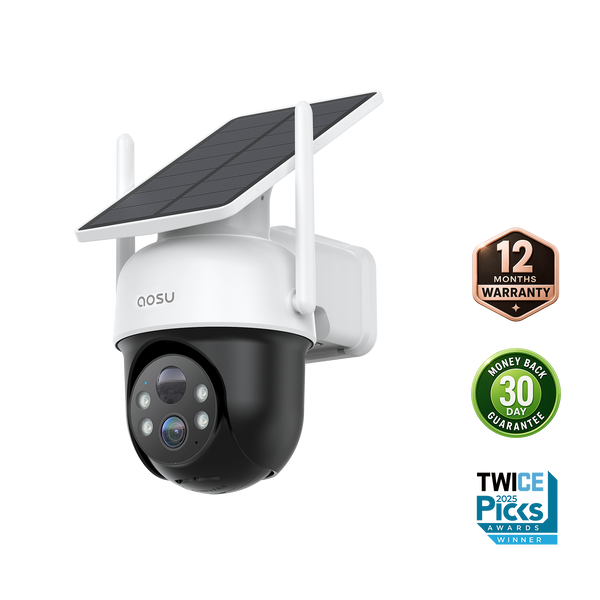
Aim your camera at the entrances and areas you need to monitor. Adjust the position to reduce unnecessary views into neighboring windows or private spaces.
Before relying on a privacy feature, check the exact model’s documentation. Confirm whether the setting controls alerts, detection, live video or saved recordings. Test live view, playback and exported clips separately.
If you ask a neighbor to apply masking, confirm which views it affects. The same checks apply to your own installation.

Aim the camera at the areas you need to monitor and reduce unnecessary views into neighboring windows or private spaces. Check the actual view after installation.
Common Mistakes to Avoid
- Touching the camera: Do not move, physically cover, damage, or interfere with a neighbor's camera. That can create a separate problem for you.
- Assuming every outdoor recording is illegal: Outdoor camera views often overlap. Focus on private spaces, audio, harassment, trespass, or rule violations.
- Posting accusations online: Public accusations can make the dispute worse. Keep your documentation for the right reporting channel.
- Ignoring audio: If conversations are being recorded, that may raise different concerns than video alone. Check local rules instead of guessing.
- Skipping the simple fix: Sometimes the practical solution is a small angle change, privacy zone, fence screen, curtain, or property-manager request.
To Wrap Up
A neighbor's camera is not automatically illegal just because it captures part of your property. Outdoor security coverage often overlaps, especially around driveways, sidewalks, streets, and front yards.
The stronger concern is when a camera records a private area, captures conversations, is installed without permission, or becomes part of harassment. Start with facts, check the local rules, ask for a reasonable adjustment when safe, and escalate through the right channel when the issue is specific.
FAQs About Neighbor Cameras and Property Privacy
Can my neighbor point a security camera at my house?
A neighbor may be allowed to use an outdoor camera that captures areas visible from their property or the street, but rules vary. A camera aimed into private spaces, used for harassment, or recording audio may not be allowed.
Can a neighbor record my backyard?
It depends on the layout and local rules. A small incidental view may be different from a camera aimed directly into a fenced or private area. Document the angle and check local, HOA, lease, or property rules.
Is it legal for a neighbor's camera to record audio?
Audio-recording laws vary by location and situation. If you believe private conversations are being recorded, check the consent rules where you live or ask a qualified local professional.
What should I do if a neighbor's camera points into my window?
Document the camera’s position from your property. If it feels safe, request an angle adjustment. If masking is proposed, ask whether it affects live view and recordings. Seek local guidance if the concern continues.
Can I block my neighbor's camera?
Do not touch, cover, damage, or interfere with someone else's camera. You may be able to use curtains, blinds, screens, fencing, landscaping, or privacy film on your own property, but avoid anything that touches the neighbor's property, creates unnecessary conflict, or violates local rules.