





Finding a possible camera in a bathroom raises a serious privacy concern. If you feel unsafe, leave the area before investigating further. Document what you observed and use an appropriate reporting channel.
This guide explains practical checks, their limits and a jurisdiction-specific legal example. Sources checked November, 2026.
Bathroom Cameras and Privacy Law
The applicable law depends on where the incident occurred, what the device captured and the circumstances. Property ownership or a claim of “security” does not settle those questions.
In England and Wales, the CPS guidance on voyeurism explains the relevance of a private act and a reasonable expectation of privacy, including in public toilets. Other jurisdictions require separate review.
If you suspect recording, preserve the facts and ask local authorities or a qualified local adviser about the applicable law.
How to Check a Suspicious Object
1. Make a Visual Check
From a safe position, look for an unexplained opening or object facing the toilet, shower or changing area. Photograph its location. Reflections, sensors and screw heads need further identification.
Leave alarms, electrical fixtures and wall fittings intact.
2. Understand Phone Infrared Checks
Some phone cameras display certain infrared sources. First follow Sony’s instructions for testing a phone camera’s infrared response.
A light needs identification. No visible infrared result leaves cameras without an active, detectable emitter untested.
3. Understand App and Detector Limits
A network tool such as Fing checks devices visible on the connected network. Devices outside that view may be missed.
Check what a detector actually measures before interpreting its alerts. Unfamiliar devices and unexplained readings require further assessment.
Camera Placement in Airbnb Homes
Airbnb’s home camera policy prohibits indoor monitoring, including shared indoor spaces, even when devices are switched off or disconnected.
The limited Japan entryway provision does not permit bathroom monitoring. Exterior devices must meet the platform’s placement and disclosure requirements as well as applicable law.
For other rentals or private homes, check the relevant local requirements before choosing a location or relying on consent.
What to Do If You Find a Suspicious Device
Move to a safe place if needed. Photograph the object in place, its apparent viewing direction and the room location. Record the date and time, and keep relevant booking details and messages.
Leave the device intact for assessment. Avoid opening, resetting or removing it if doing so could create danger or affect evidence.
Contact an appropriate local authority and the responsible accommodation manager or booking platform. If the concern involves an Airbnb reservation, follow Airbnb’s safety reporting guidance.
In an emergency, contact local emergency services. Keep copies of reports and responses.
Safe Alternatives: How to Monitor Without Breaking the Law
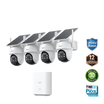
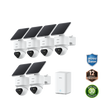
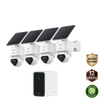
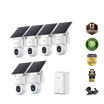
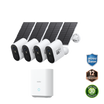
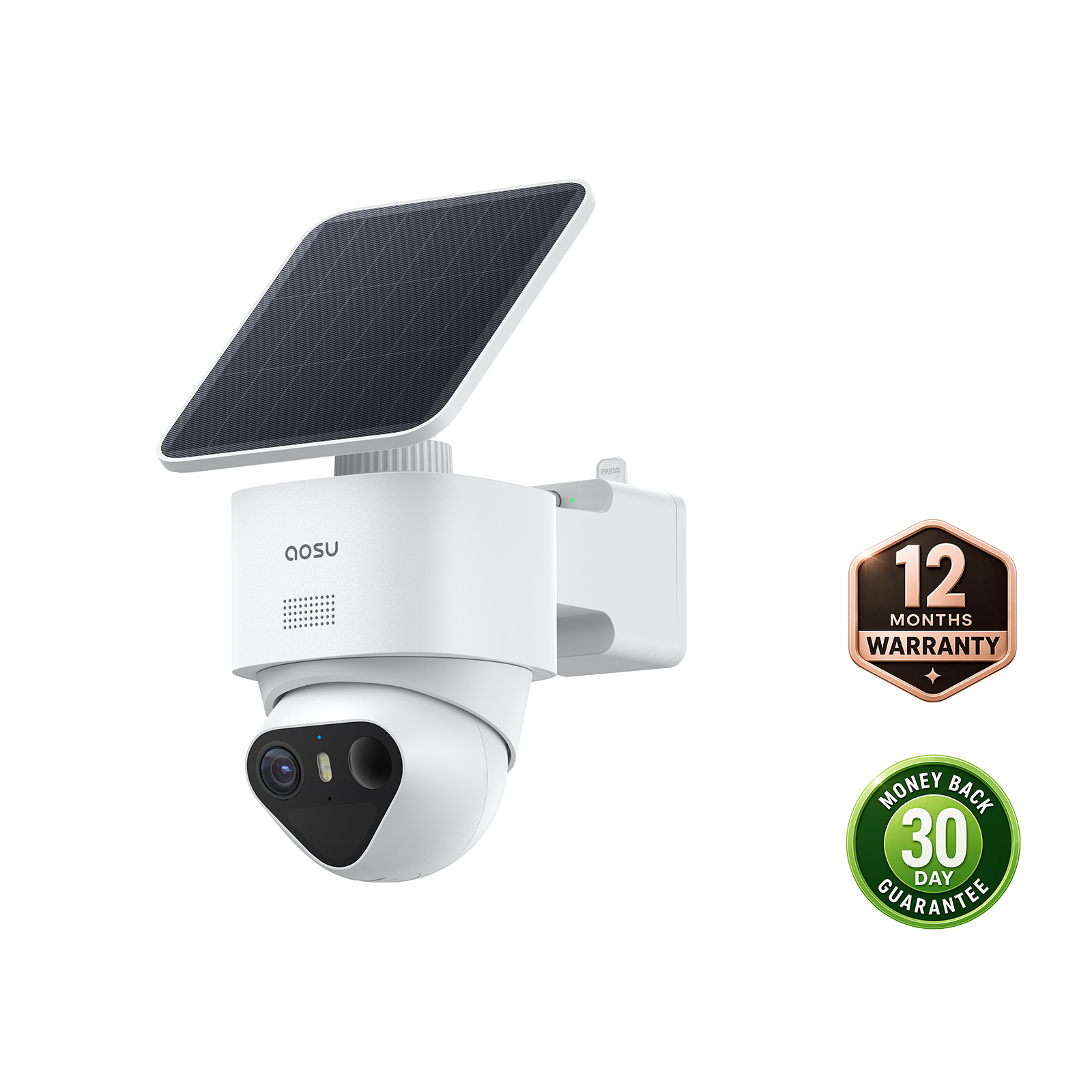
Just because cameras don't belong in bathrooms doesn't mean you can't keep your home or property secure. The key is knowing where cameras are legally allowed and how to use them responsibly. You can still protect your space, monitor activity, and give yourself peace of mind—without risking anyone's privacy or breaking the law.

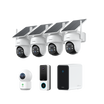
Here are safe, legal areas where cameras can be installed:
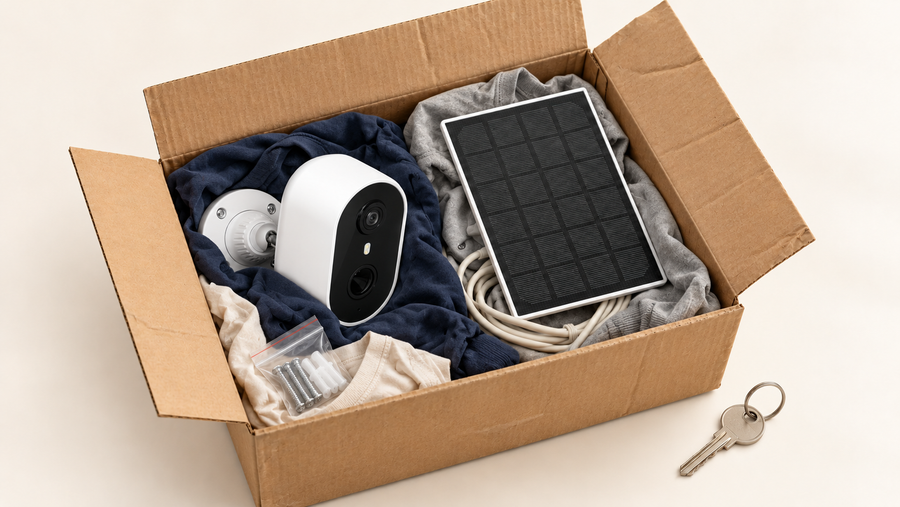
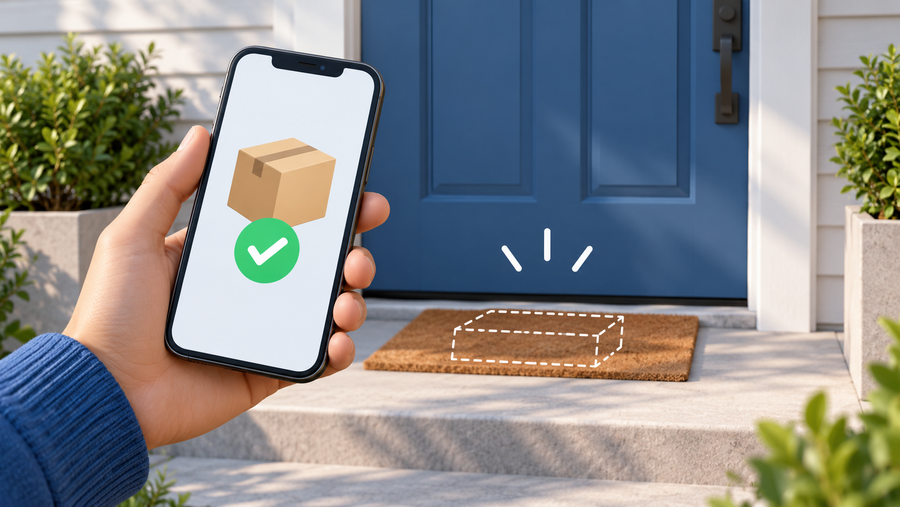
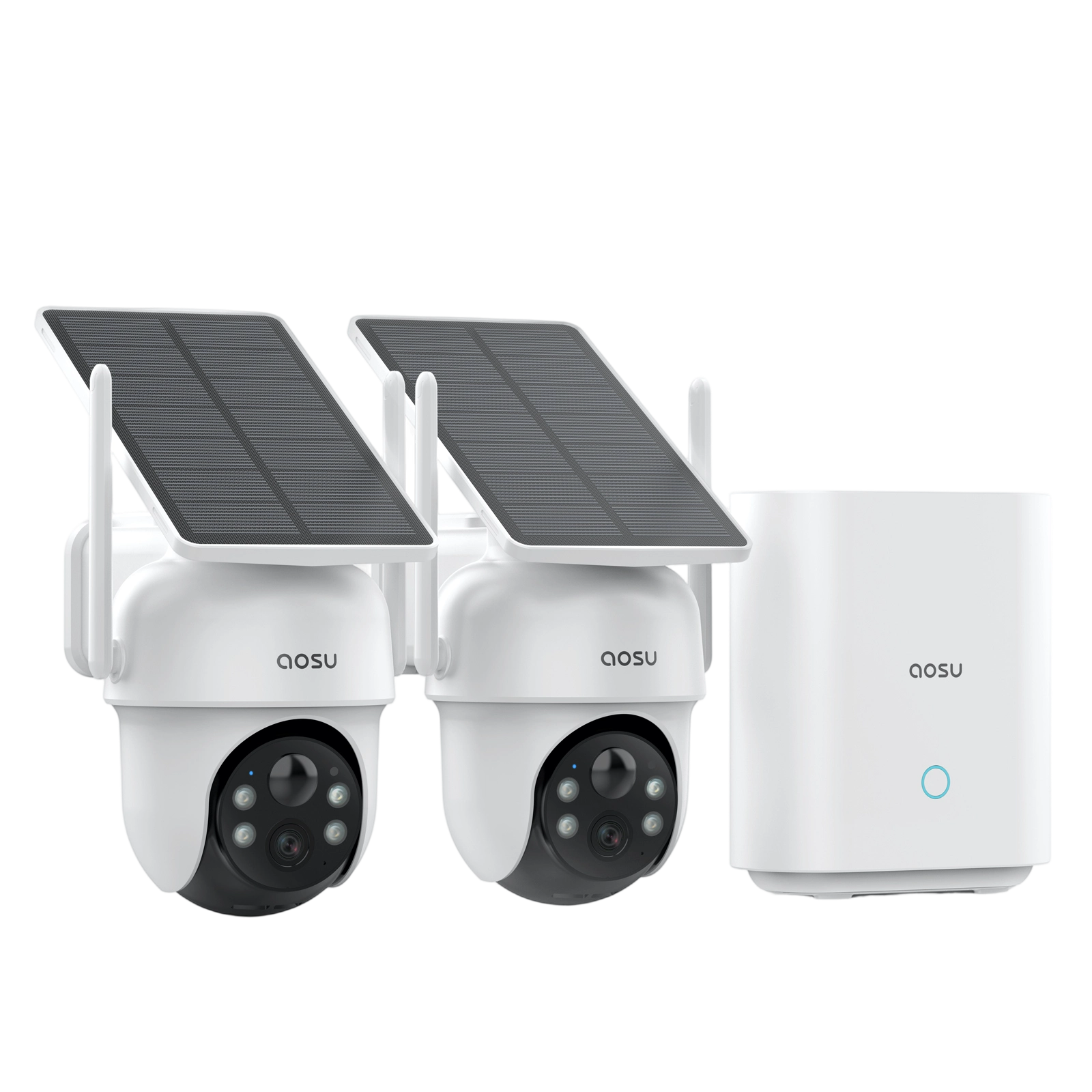
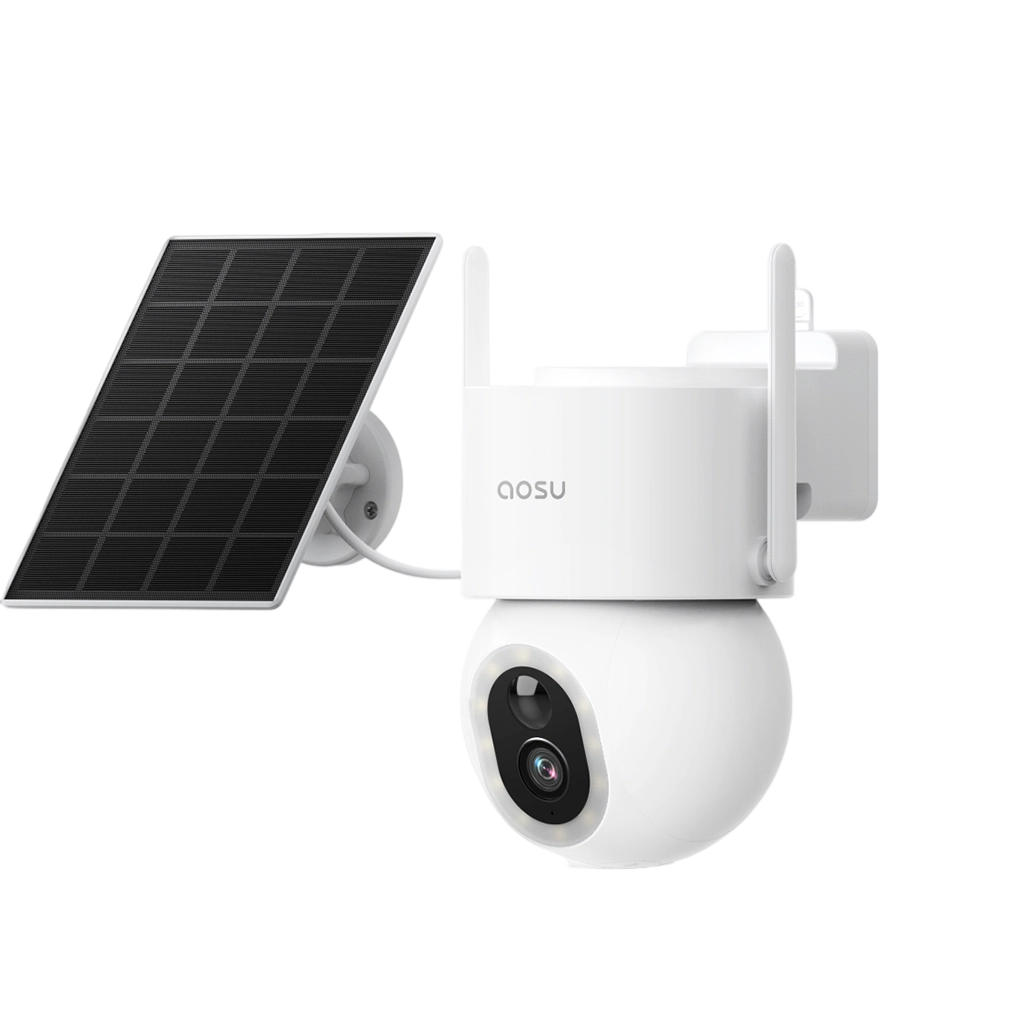
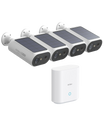
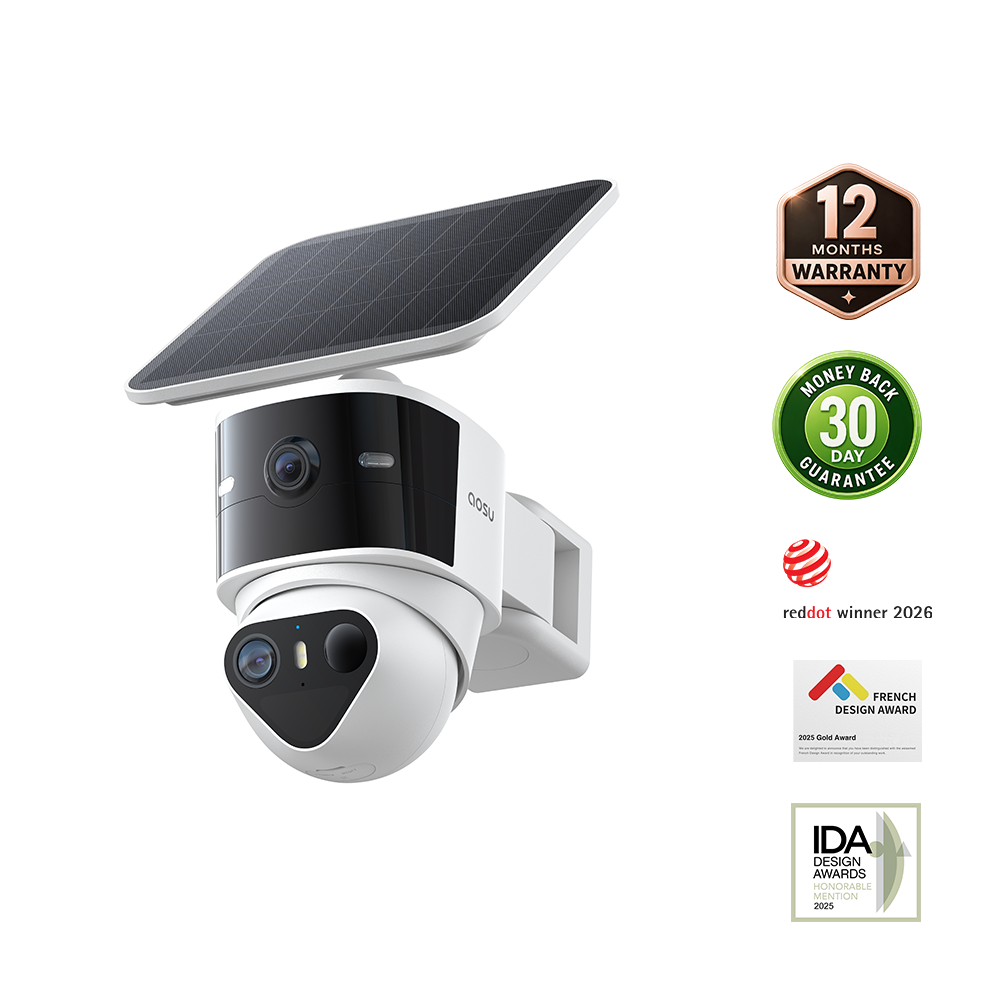
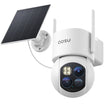
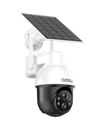
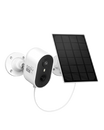
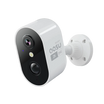
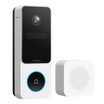
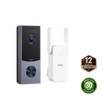
- Entryways and front doors: These are high-traffic areas where packages arrive, guests enter, and break-ins often occur. Installing a weatherproof outdoor camera for entry monitoring near your front door or garage gives you full visibility without violating anyone's privacy.
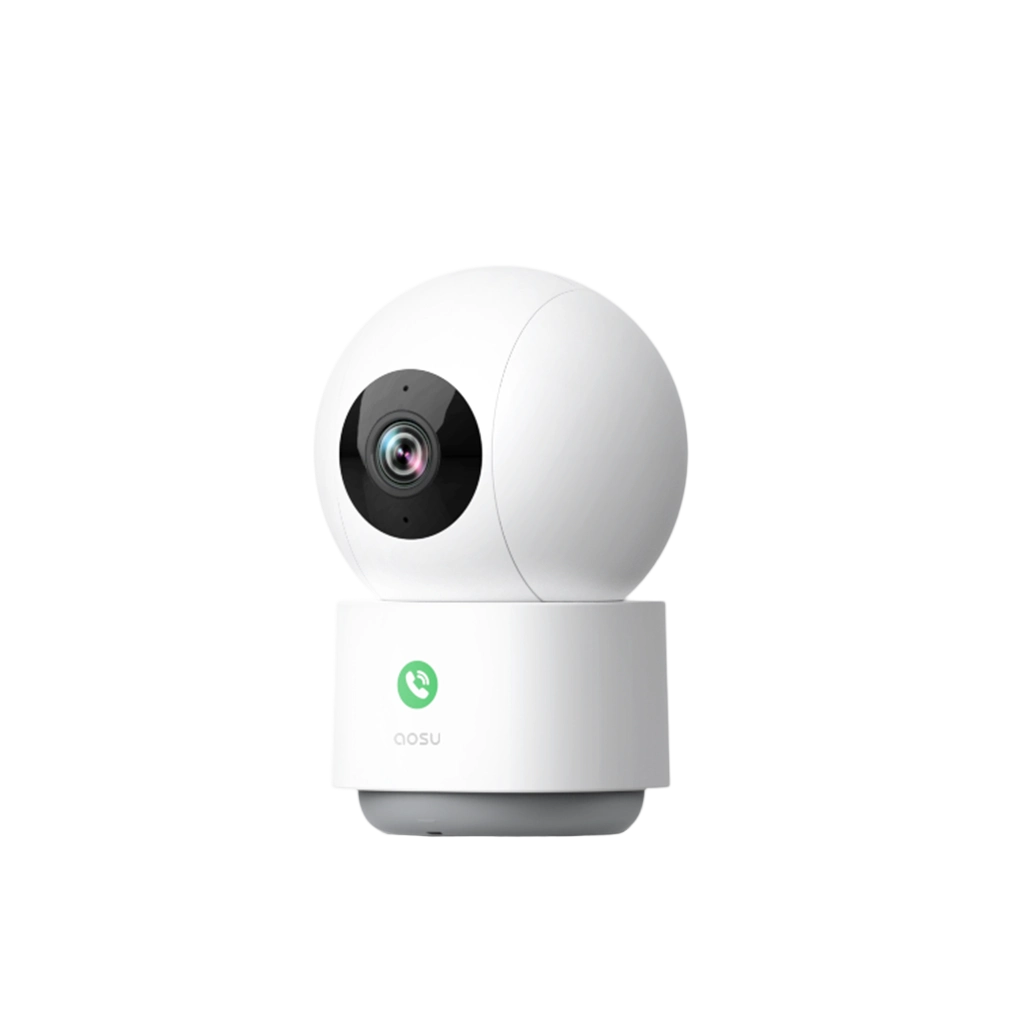
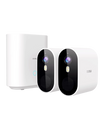
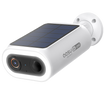
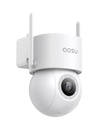
- Hallways and shared indoor spaces: In homes with children, roommates, or caregivers, a discreet indoor camera for shared living areas placed in a hallway or common room can help you stay informed without overstepping boundaries.
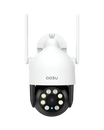
- Driveways and backyards: These outdoor zones are also considered public-facing or shared spaces. Placing an outdoor security camera here can deter trespassers and record activity near windows or gates while staying within legal limits.
- Common areas in rentals (with notice): If you're a landlord or Airbnb host, surveillance in common areas may be allowed—but only if guests or tenants are properly informed ahead of time. Always disclose and document camera use clearly to stay compliant and respectful.
Keep in mind that visibility and transparency matter. Even in legal areas, avoid pointing cameras toward private rooms or spaces like bedrooms or bathrooms. If in doubt, ask: "Would I be okay being recorded here?"
Choosing the right camera and the right placement allows you to build a safe environment without damaging trust. It proves that privacy and protection don't have to compete—they can work together.
FAQs
Does Owning the Bathroom Make Recording Lawful?
Ownership alone does not answer the legal question. The jurisdiction, conduct and circumstances need assessment. Seek qualified local guidance before installing equipment.
Are Cameras Allowed in Airbnb Bathrooms?
Airbnb’s home camera rules prohibit bathroom monitoring. Disclosure does not create permission.
Can an App Confirm That a Bathroom Has No Camera?
An app checks only the information available to its sensors or network access. An inconclusive scan cannot establish that the room is clear.
What Should I Do About a Suspicious Device?
Leave the area if unsafe, document the object without dismantling it and report the concern through appropriate local or platform channels.