






What to Do When Your Car Is Missing
Check whether an authorized driver moved the car and whether it was towed. Use the official towing or impound contact for the place where it was parked. If a theft is in progress or someone is in immediate danger, contact emergency services immediately.
If the car appears stolen, report it promptly. Have the registration number, VIN, make, model, color and last known location ready. Keep the report number.
Follow NHTSA’s steps for a stolen vehicle. Then check any tracking service already installed and preserve relevant camera footage.
This guide covers U.S. resources. Procedures and available services vary by location. Sources checked November, 2026.
1. Check Whether Your Car Was Towed
Before assuming your car was stolen, check if it was towed. In many cities, cars parked illegally or left too long in one spot may be removed without warning.
Here's what to do:
- Call your local towing hotline or city impound department
- Provide your license plate number or VIN
- Ask about the exact time and reason for towing
- Check your windshield or mailbox for any towing notice
This step may seem simple, but it's often overlooked. Many missing cars turn up in impound lots, not in police reports. Rule this out early to avoid wasting time.
2. Report the Theft to the Police Immediately
The first thing you should do—before you check your phone, before you post online—is call the police.
Reporting the theft quickly gives law enforcement a chance to act fast. In many areas, police can alert patrol units, flag license plates, and access surveillance systems. But they need the right information from you. Be ready to share your license plate number, vehicle make and model, color, VIN (Vehicle Identification Number), and the exact location and time you last saw the car.
You'll also receive an official report number. Keep it safe. You'll need it for insurance claims, follow-ups, or if your car is found. Even if you plan to do your own searching, this report is what makes everything else possible.
3. Check Your Existing Connected-Vehicle Service
Contact the manufacturer’s stolen-vehicle service or open its official app. Confirm support for your vehicle, region and service plan. Save any available location with its update time and pass useful information to police.
For example, OnStar Stolen Vehicle Assistance works with law enforcement after a police report. Available functions depend on eligibility. Remote Ignition Block prevents restarting after the engine is turned off. Stolen Vehicle Slowdown is a separate police-coordinated function.
Follow the provider’s instructions and let police handle recovery.
4. Track the Car Using a Bluetooth Device
If you had a Bluetooth tracker like an Apple AirTag, Tile, or Galaxy SmartTag hidden in your car, check its location now using the app. Share the live location or coordinates with the police immediately so they can respond quickly. This works best if the tracker was installed earlier, the battery is still active, and the car is near other devices—especially in busy areas. Many people have recovered stolen cars within hours this way.
5. Preserve Home and Nearby Camera Footage
Review any available recordings from your driveway, garage or parking area. Ask nearby residents, property managers or businesses whether their cameras covered the relevant location and time.
Look for when the vehicle left, its direction of travel and activity around it. Save the original files before they are overwritten, including footage from before and after the incident. Note the camera’s time zone and any known clock error.
Keep an untouched copy and share useful footage through the channel requested by police. A fixed camera can provide evidence from its field of view, but it cannot provide the vehicle’s ongoing location after it leaves that area
6. Notify Your Insurer and Check Your Coverage
Give your insurer the police report number and the circumstances of the theft. Ask which documents it needs, what deadlines apply and whether your policy includes any recovery service.
Ask the insurer to explain the applicable coverage, deductible and claim process. Keep its instructions with your incident record and provide updates if the vehicle is located.
7. Monitor Online Marketplaces for Suspicious Listings
Stolen cars are often listed for sale online within hours. Check local platforms like Craigslist, Facebook Marketplace, and OfferUp regularly. Look for listings that match your car's make, model, or color. Pay close attention to photos—small details like a scratch, bumper sticker, or worn interior could give it away.
If something looks familiar, don't contact the seller. Take screenshots and report it to the police. Let them take it from there.
8. Spread the Word on Social Media and Community Forums
You don't have to search alone. Local communities and online groups can be powerful tools when a car goes missing. Post about your stolen vehicle on platforms like Facebook, Nextdoor, and Reddit. Include clear details—make, model, color, license plate number, location, time of theft, and photos if you have them.
Keep your post updated as new information comes in. The more eyes on your case, the better your chances. Many people have found their stolen cars simply because someone in the community spotted it and spoke up.
How to Prevent Your Car from Being Stolen
Stopping car theft starts long before anything goes wrong. These everyday habits can make your car a much harder target and help you stay one step ahead.
- Choose where you park carefully: Always park in well-lit areas or near building entrances. If you have a driveway, consider installing motion lights or a visible camera. Thieves look for easy, low-risk targets—they avoid being seen.
- Lock your car, even at home: Many people assume their driveway is safe. But a surprising number of thefts happen right outside the owner's front door. Get into the habit of locking up every time, no matter where you are.
- Remove or hide anything that looks valuable: Even a phone charger or gym bag can catch a thief's eye. Keep your seats clear and store items in the trunk or take them with you.
- Use extra theft-deterrent tools: Steering wheel locks, tire locks, and engine kill switches are visible signs that your car won't be an easy win. Most thieves will skip cars that take more time to steal.
- Install a smart home security camera: A camera facing your driveway or garage doesn't just record what happens—it can stop it from happening. Visible cameras often scare off thieves, and remote viewing gives you peace of mind when you're not home.
- Don't leave keys or fobs inside the car: Sounds obvious, but it happens. Especially with push-to-start systems, where the key might be left nearby. Keep keys far from windows and doors inside your home too, as thieves can amplify signals from key fobs to unlock cars wirelessly.
- Add a vehicle tracker if your car doesn't have one: Affordable GPS trackers or hidden AirTags can help recover your car if it's ever stolen. The key is placing them somewhere hidden and checking battery levels regularly.
Staying alert and consistent with these habits won't just reduce your risk—they'll also make you feel more in control every time you walk away from your car.
What Driveway Camera Footage Can Contribute
A fixed home camera may show when the car left, its direction of travel and activity around the parking space. Its view ends at the area it covers.
Save the original footage before it is overwritten. Include a useful time window around the incident and note the camera’s time zone or any clock error. Share the files through the channel requested by police.
For future installations, test saved footage at the actual parking position, including after dark. Check whether faces or plates are readable under those conditions. Resolution alone cannot establish the result.
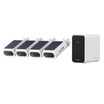
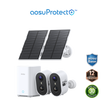
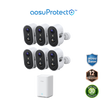
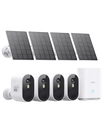
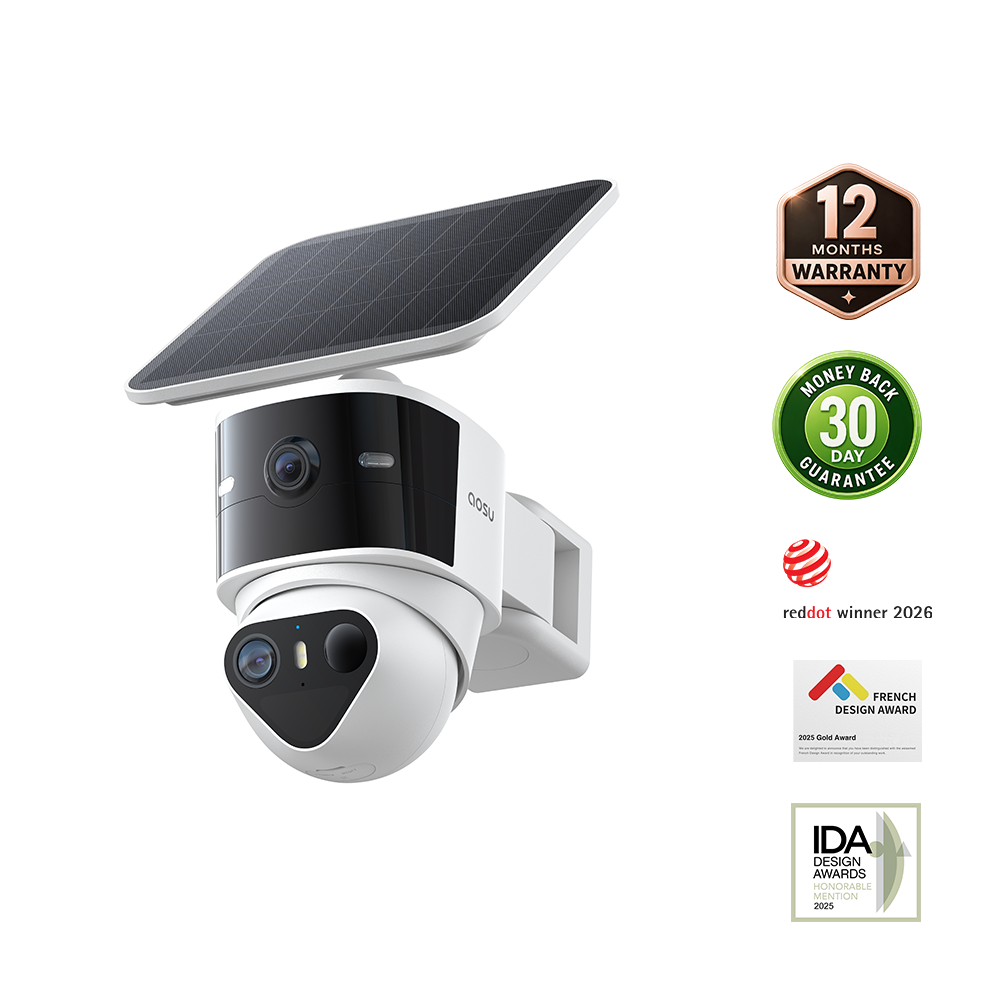
Bonus: Best Camera to Protect Your Car
In many real theft cases, the key evidence didn't come from chance—it came from a home security camera. A camera facing your driveway or garage doesn't just record what's happening. It gives you a set of eyes when you're not around and sends alerts when something feels off. If you park outside or near your home, a reliable outdoor camera can make all the difference. It's not just about watching. It's about knowing. Here are two trusted options designed to help you keep your car safe, day and night:
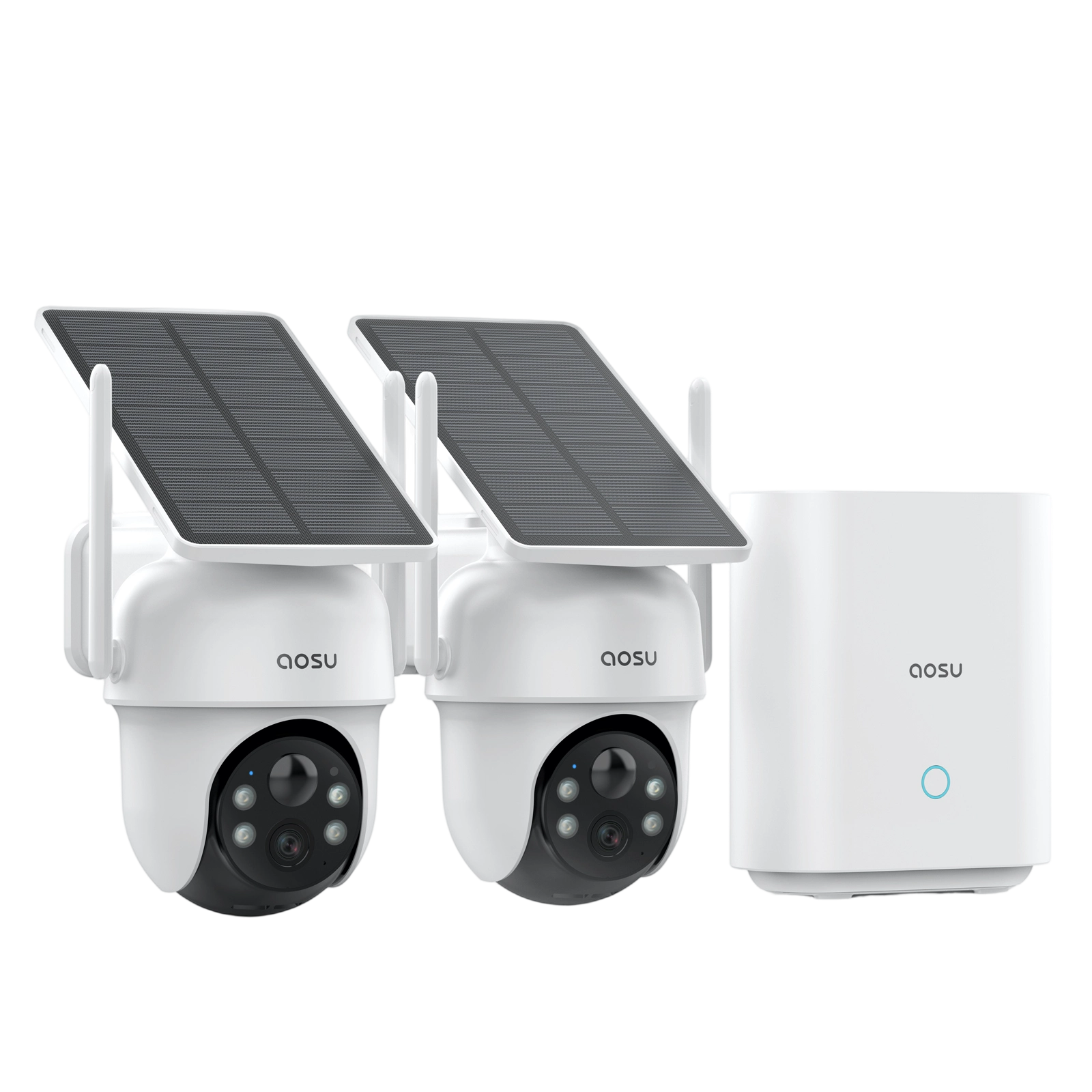
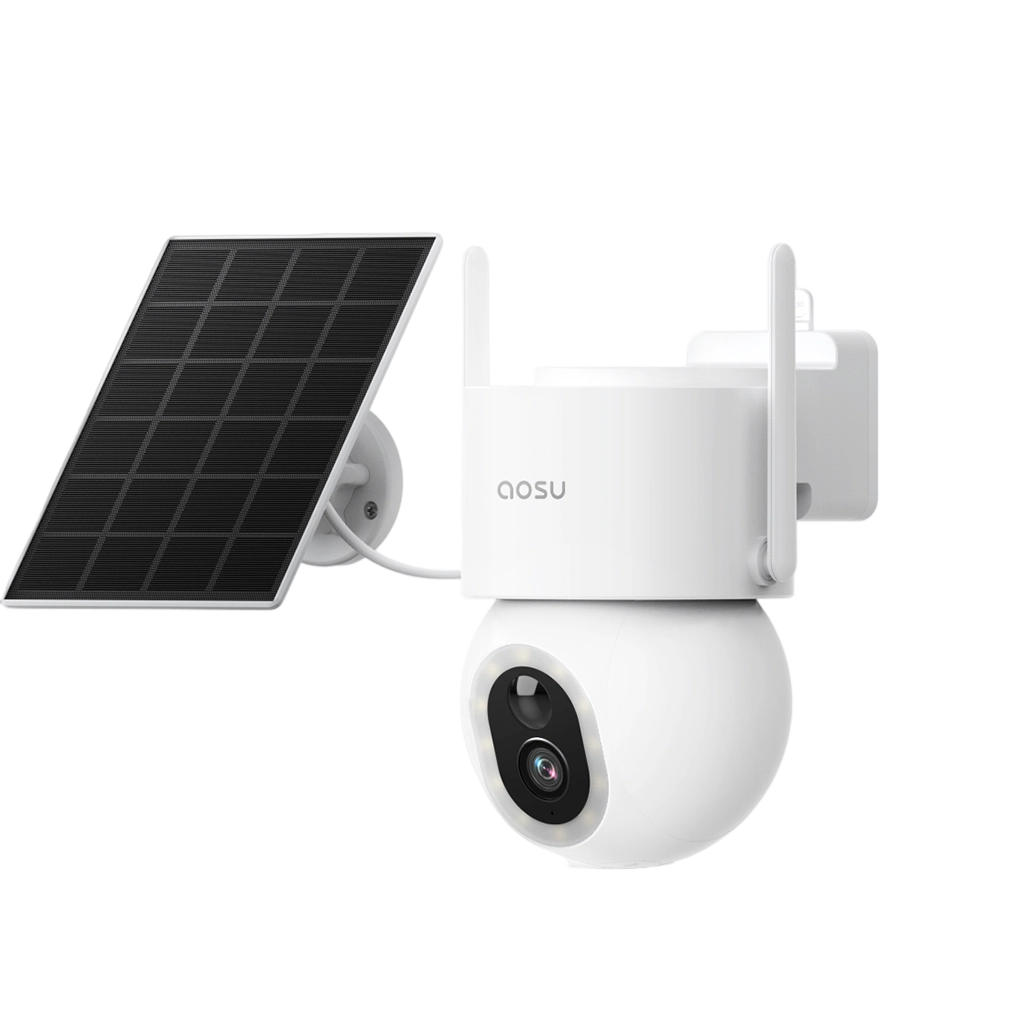
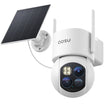
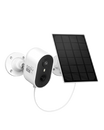
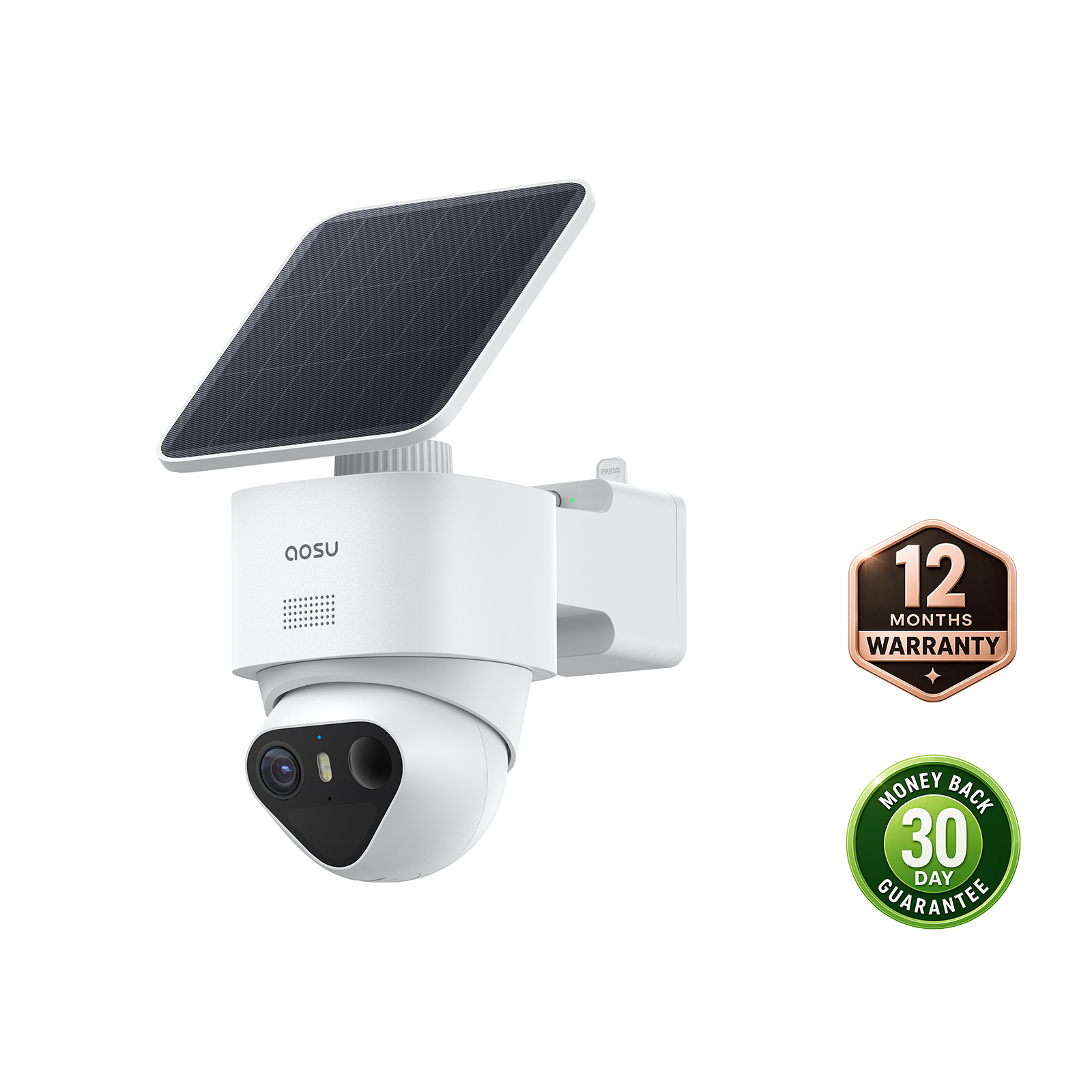
1. 4K SolarCam P1 Max with HomeCortex System
If you want clear footage and smart detection without needing to lift a finger, the 4K SolarCam P1 Max is made for that. It sees the details that matter—faces, license plates, and the exact moment something happens—so you're never left guessing.

What it does well:
- Records in 4K so you can clearly see faces, cars, and license plates
- Uses HomeCortex AI to tell the difference between people, vehicles, and shadows
- Sends alerts and lets you check live or saved video anytime from your phone
- Runs on solar power, so no wiring or battery changes needed
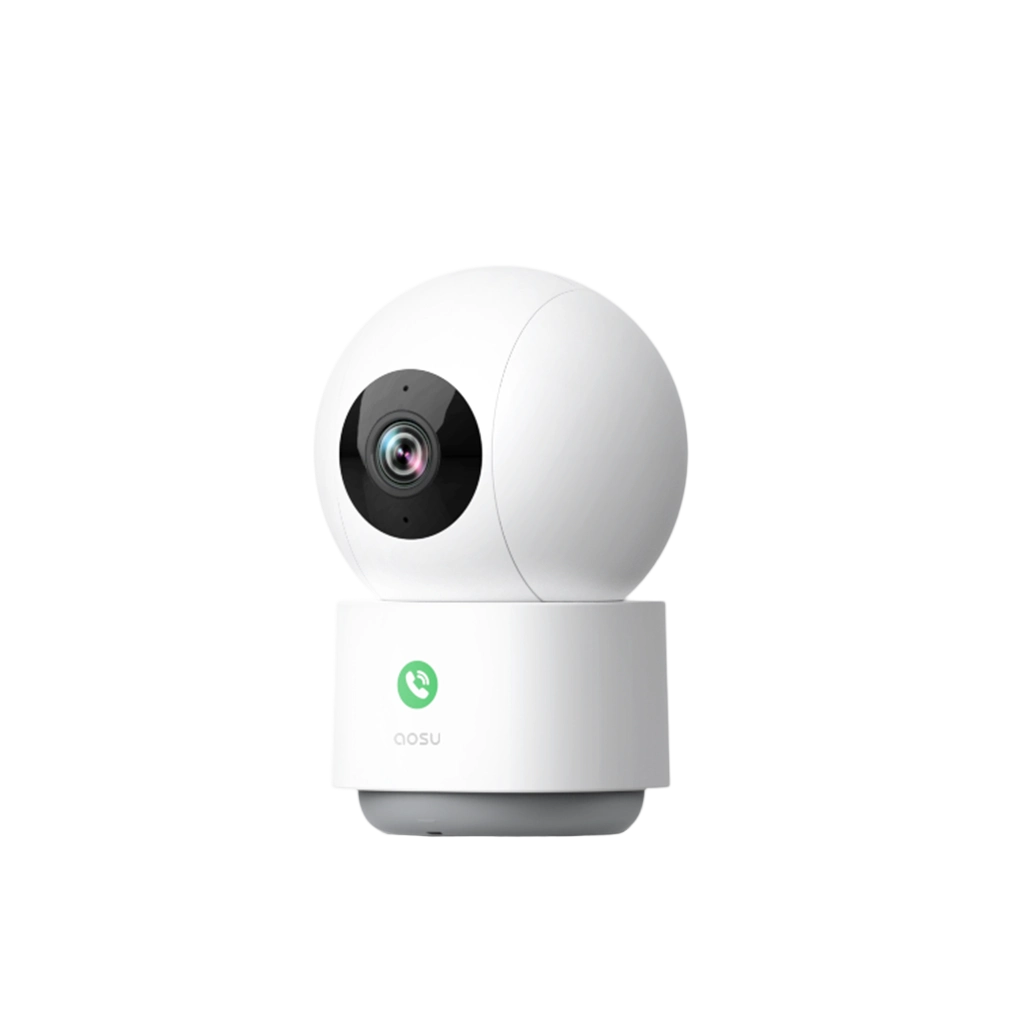
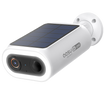
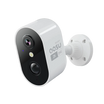
2. SolarCam D1 Max
The SolarCam D1 Max is great if you want something tough, simple, and always on. It's weather-resistant, easy to install, and perfect for outdoor spaces like your driveway or parking area.

What makes it useful:
- Built for rain, wind, heat, and everything in between
- Sends alerts when it detects movement and stores the footage
- Doesn't need wiring, so you can place it where it works best
- Covers entrances, side yards, and open car spaces with ease
If your car was stolen, a camera like this could give you the evidence you need. But even better—it can help stop something from happening in the first place.
Keep New Information With Your Report
Report apparent theft promptly, contact any existing tracking provider and preserve available footage. Send new leads to the officer handling the case and keep your insurer informed.
Follow police instructions if a location or possible sighting becomes available.
FAQs About Tracking and Recovering a Stolen Car
Can I Locate a Stolen Car Without an Existing Tracker?
Check whether the vehicle already has an eligible manufacturer service or another installed tracker. If no location source is available, provide police with the vehicle details and any useful evidence or sightings.
Can a Home Security Camera Track My Stolen Car?
It can provide footage from the area it covers. Once the vehicle leaves that view, the camera cannot provide its ongoing location.
Can My Insurer Locate the Vehicle?
Ask whether your policy includes a recovery service and what conditions apply. Keep insurance correspondence with the police report and other case records.
What Should I Do With a Tracker Location?
Save the location and update time, then give the information to police. Follow their instructions rather than going to recover the vehicle yourself.