


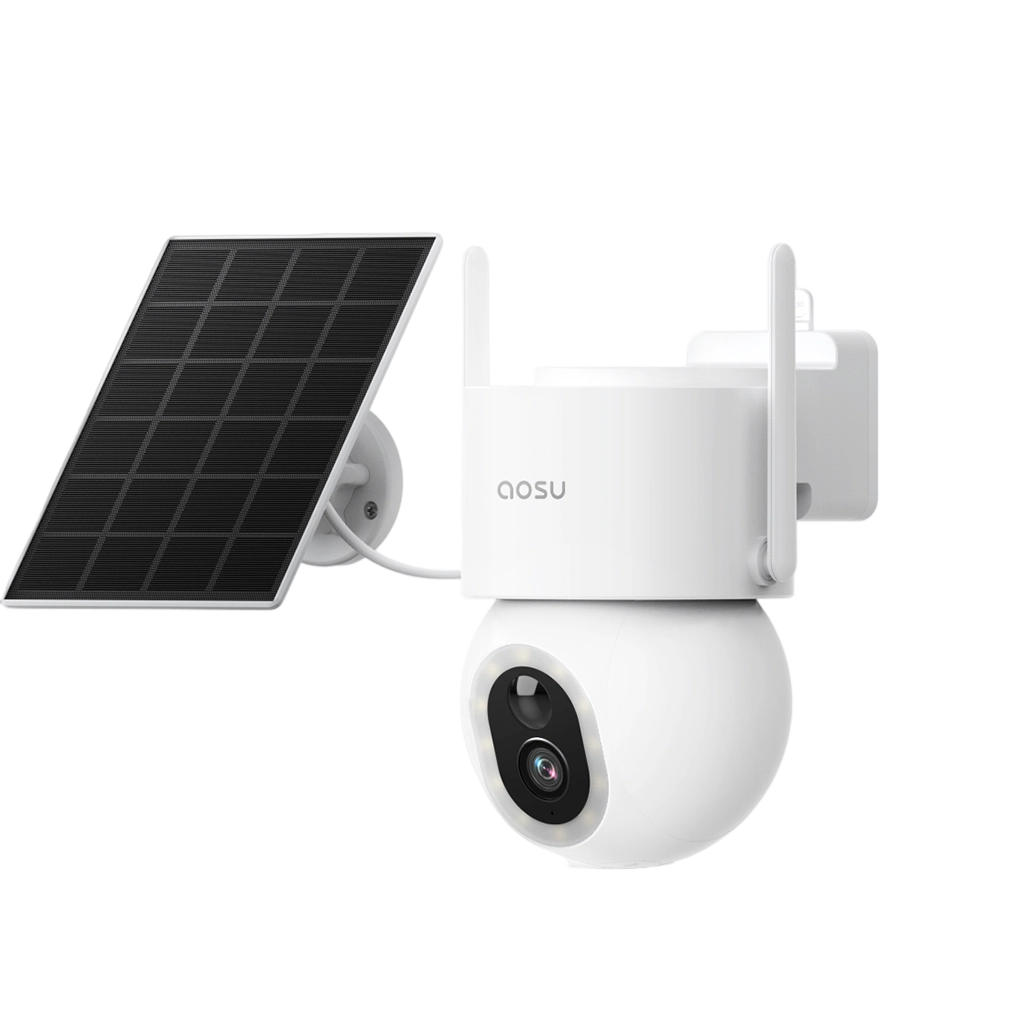
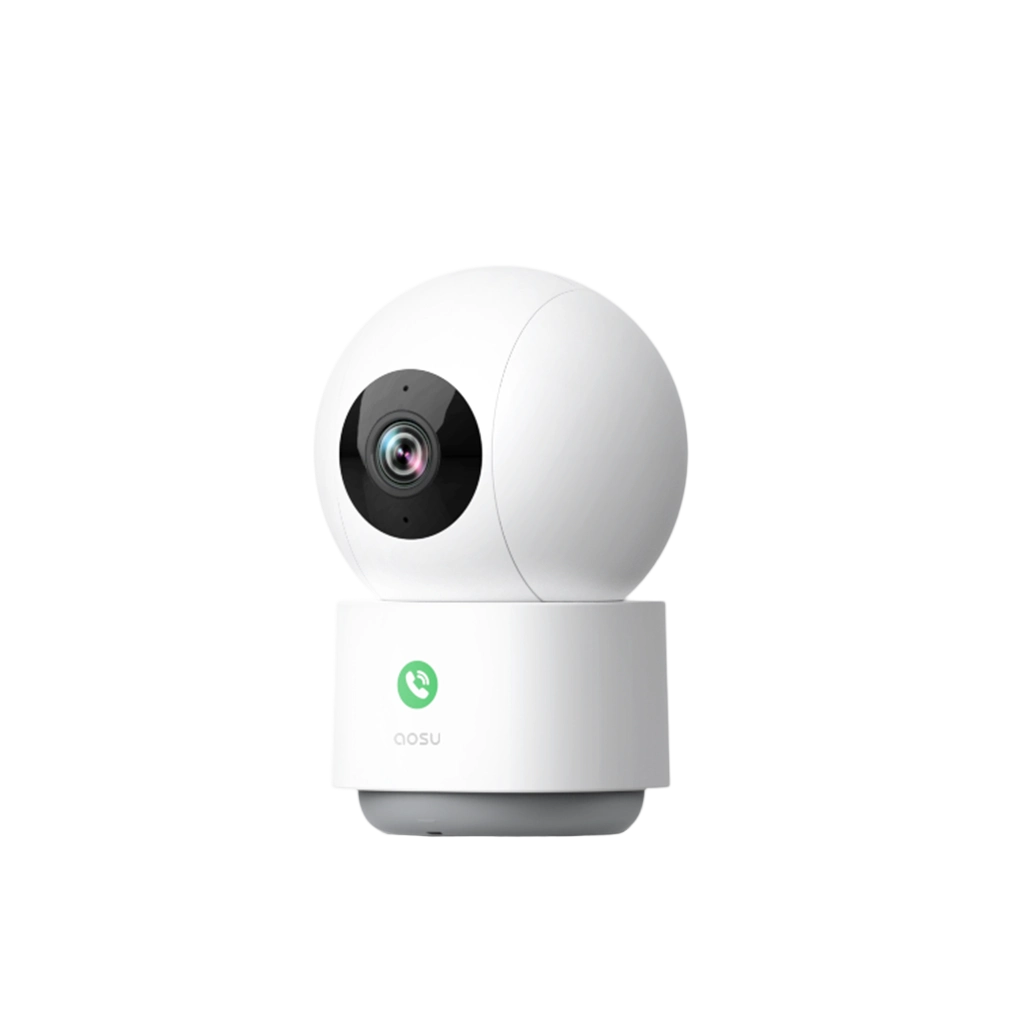

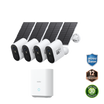
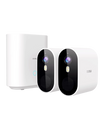
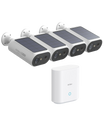
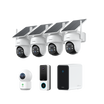
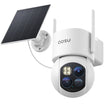
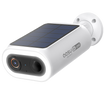
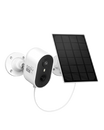
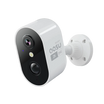
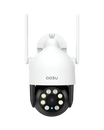
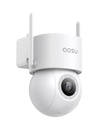

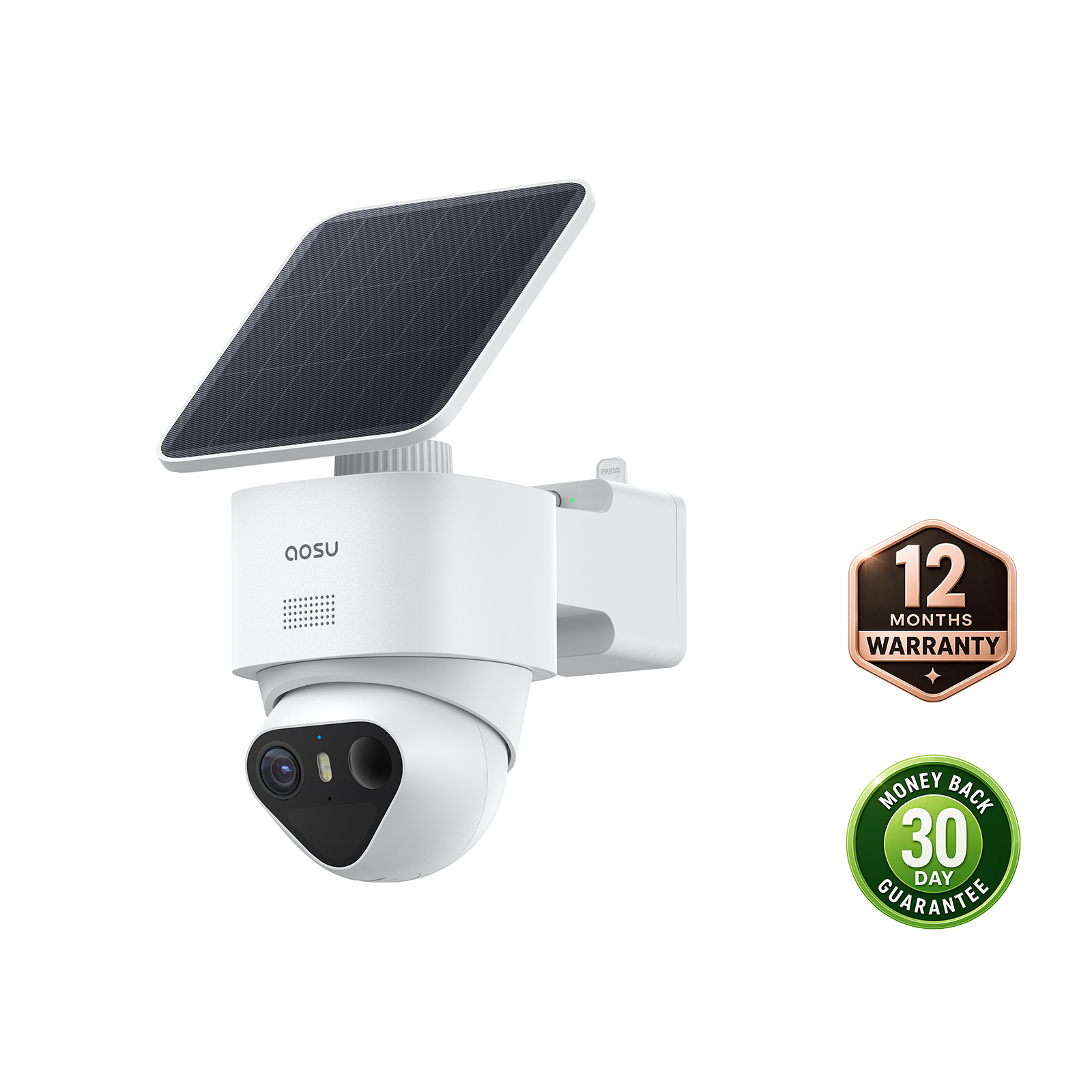
A neighbor’s camera may raise concerns about views of your windows, patio or yard. Start by identifying the specific area you want to screen rather than assuming you know what the camera records.
Camera direction alone does not establish its saved view or whether a legal violation has occurred. For related background, see what homeowners should know about a neighbor recording their property.
This guide focuses on adjusting sightlines, requesting a narrower camera view and seeking local advice when needed. It does not verify the customer quotations previously presented on this page. The practical steps below should be assessed against your property boundaries, building rules and local law.
Start With the View You Want to Screen
| Option | What to check |
|---|---|
| Indoor blinds or curtains | The specific window view and gaps around the edges |
| An opaque outdoor panel or curtain | Height, stability, permissions and whether gaps reopen in wind |
| Planting or a fence | Boundaries, local restrictions, seasonal gaps and ongoing maintenance |
| A request to adjust the camera | Whether the owner can narrow the angle or apply a verified privacy mask |
Keep any installation within areas you are entitled to use and obtain required approvals. No barrier guarantees privacy from every camera height, angle or future position.
Legal references here concern general U.S. issues. For a specific dispute, check the applicable jurisdiction; the Cornell explanation of intrusion on seclusion is a research starting point, not a ruling about your neighbor’s camera.
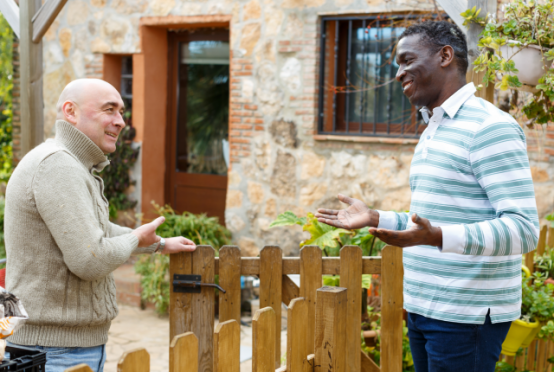
1. Request a Specific Adjustment, if Contact Feels Safe
Describe the area you are concerned about without assuming you know the camera’s actual view.
“I’m concerned that the camera may include our patio/window. Could we check whether a narrower angle or privacy mask would keep that area out of the saved footage?”
Ask for a practical change rather than making an unverified legal accusation. If direct contact could expose you to threats or harassment, use a property manager, mediator or qualified local adviser instead.
2. Screen the Specific Line of Sight
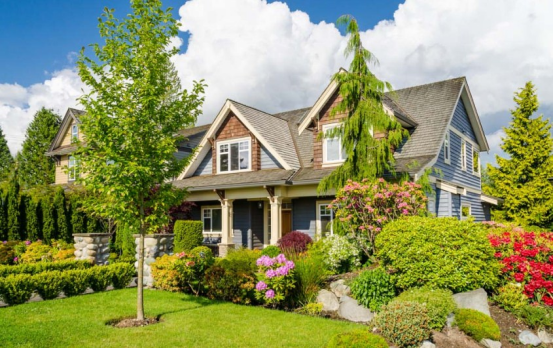
Choose the private area you want to screen, then assess the sightline from the neighboring camera’s approximate height. An opaque panel, suitable curtain, fence or dense planting may reduce that view where installation is permitted.
Check gaps, wind movement and seasonal changes. Decorative strings, sparse branches and moving fabric should not be treated as a complete privacy barrier.
A diagram or photograph should show the camera position, barrier and protected area. Label any estimated camera position clearly; do not present an unverified reconstruction as the camera’s actual footage.
3. Do Not Rely on Flags or Moving Objects
A moving flag does not reliably hide a person or stop recording. Depending on the camera and settings, it may trigger alerts, be ignored or leave the original view available.
Creating repeated alerts can also aggravate the dispute without protecting privacy. Use a permitted physical screen or request a change to the camera’s view instead.
4. Document the Concern and Seek Local Advice
Keep dated photographs taken from a lawful position, a short incident log and copies of relevant messages. Separate what you observed from what you suspect; an exterior photograph may not establish the camera’s actual recorded view.
If the issue remains unresolved, consult the property manager, a local mediation service or a lawyer familiar with the jurisdiction. Seek urgent assistance for immediate threats. Legal advice may clarify options, but it does not guarantee a camera will be moved.
Avoid Interfering With the Equipment
Do not enter someone else’s property to cover, move or damage a camera, access its accounts without authorization, or direct lights or lasers at it to disrupt operation.
In the United States, do not use signal jammers. See the FCC’s official jammer warning.
Focus on your own permitted screening measures and appropriate dispute-resolution channels.
If You Install Your Own Camera
Aim it toward the area you need to monitor and avoid unnecessary views of neighboring private spaces. Detection zones can change which activity triggers alerts; they do not, by themselves, establish that an area is hidden in recordings.
If privacy masking is important, confirm support for the exact model and check both live view and exported footage. Your own camera cannot block a neighbor’s camera.
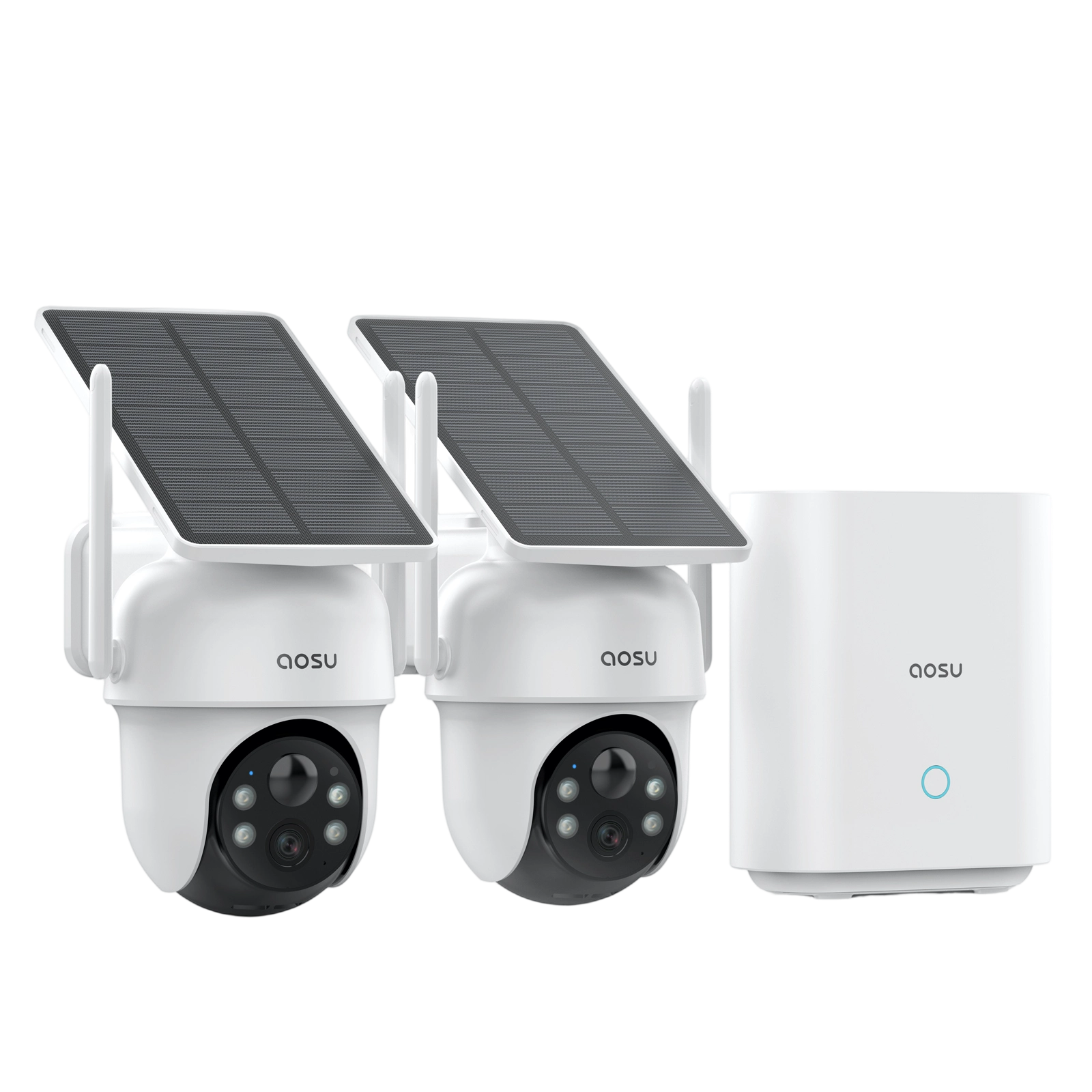
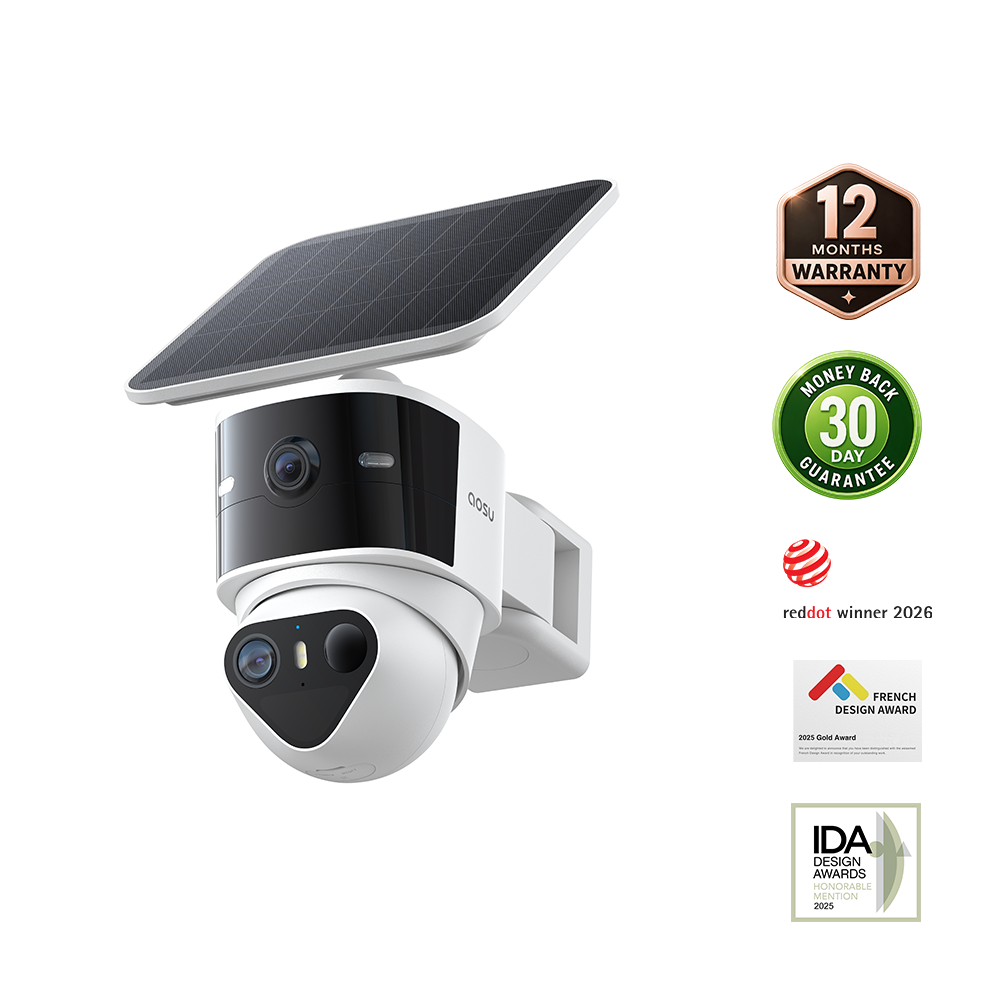
Explore the SolarCam D1 Max’s published features for your own security needs, separately from any screening or dispute-resolution plan.

Summing Up: Focus on Sightlines and Appropriate Help
Choose a permitted screen for the specific area you want to protect, check its limits and request a camera adjustment where contact is safe. If the concern remains unresolved, keep factual records and seek local advice. Neither a barrier nor buying your own camera guarantees privacy from a neighbor’s equipment.
FAQs About Blocking a Neighbor’s Security Camera
How can you legally block your neighbor’s security camera?
Screening a view of your own space with curtains, panels, fences or planting may be an option where permitted. Check property boundaries, building rules and local requirements; do not touch or interfere with the neighbor’s device.
What’s the best privacy curtain to block surveillance cameras?
Choose an opaque, suitable material and check the actual sightline. Gaps, movement and mounting height can leave areas visible. Follow installation requirements; no curtain is universally effective.
Can infrared light really block security cameras?
Infrared light is an unreliable way to obscure footage and may interfere with someone else’s camera. Use a permitted physical screen or request a change to the camera’s view rather than trying to disrupt its operation.
Which smart devices improve home camera privacy?
A verified privacy-mask function may obscure part of the camera owner’s own footage. Motion lights, sensors and a camera you install do not block a neighbor’s view.
What can you do if a neighbor’s camera faces your home?
Identify the specific concern without assuming the camera’s actual recorded view. Request an adjustment if contact feels safe; otherwise use a property manager, mediator or qualified local adviser. Document observations separately from suspicions.
What’s the most effective way to block a security camera view?
Assess the specific line of sight before choosing blinds, an opaque panel, a fence or dense planting. Check permissions, height, gaps and changing conditions. No single option is universally effective.
Which security devices keep your backyard private?
A camera or sensor you install does not stop a neighbor’s camera from seeing your yard. Permitted panels, fencing, curtains or planting may screen a specific view, subject to gaps, height and placement.
Where can you find outdoor privacy screens?
Compare suitable products at home improvement stores or online retailers. Check opacity, stability, dimensions, mounting requirements and local restrictions before buying.