



























Dealing with a difficult neighbor starts with identifying the behavior, its effect and whether you can safely address it directly. Keep a factual record and choose a response suited to the problem.
This guide uses U.S. emergency and recording-law resources. Check local complaint procedures and property rules for your location. Sources checked November 6, 2026.
Check Safety Before Starting a Conversation
If someone is in immediate danger or needs urgent police, fire or medical assistance in the United States, call 911. See the National 911 Program’s emergency guidance.
For a routine disagreement, choose a calm time to speak. If you feel threatened, avoid a face-to-face confrontation and seek appropriate local help.
Communicate Openly
Describe one observable incident, explain its effect and request a specific change.
“Hi, music was audible in our bedroom from about 11 p.m. to midnight on Tuesday and Thursday. It interrupted our sleep. Could you lower the volume during those hours? Please let me know if there is a practical arrangement we can agree on.”
If the discussion becomes hostile, end it and keep any necessary follow-up brief and factual.
Set Boundaries
Agree on a specific change that addresses the problem. For noise, discuss the activity, volume and times involved. For shared access, clarify which entrance or route needs to remain clear.
Check the lease, community rules and local requirements before presenting a proposed limit as mandatory. If ownership of a boundary is disputed, obtain reliable property information before moving or installing anything.
Confirm any agreement in a short message:
“Thanks for discussing this today. We agreed to [specific change], starting [date]. Let’s check in on [date] to see whether it has helped.”
Protect Your Space
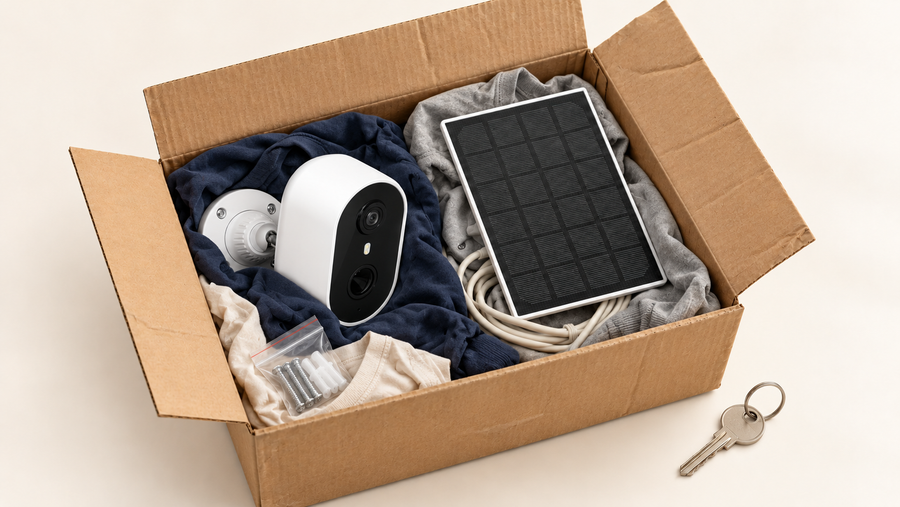
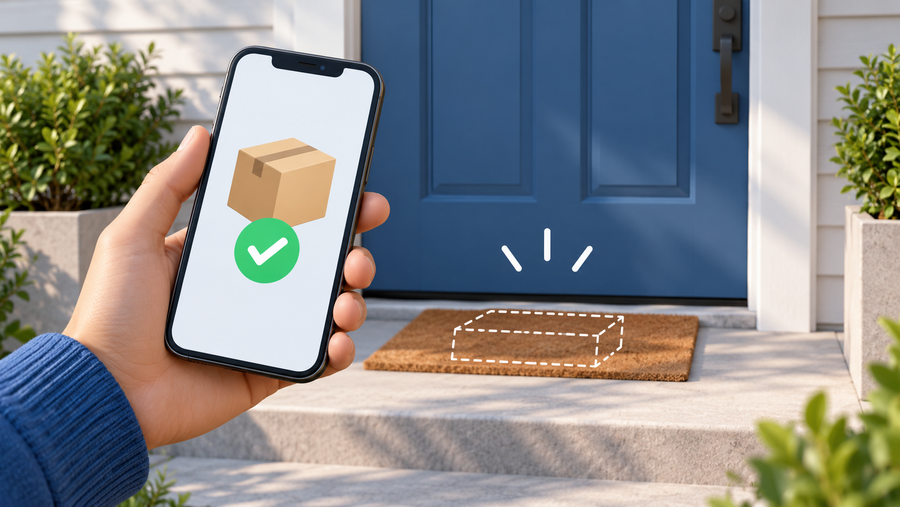
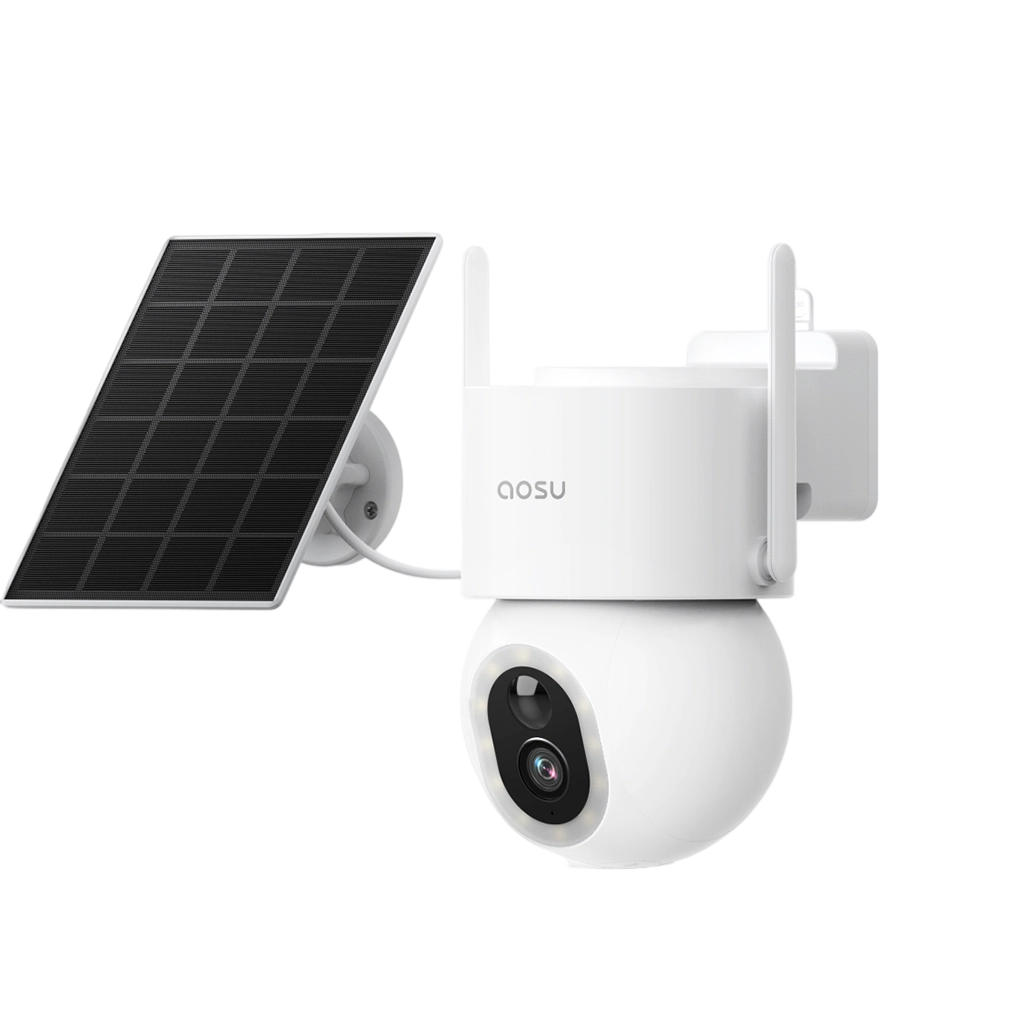
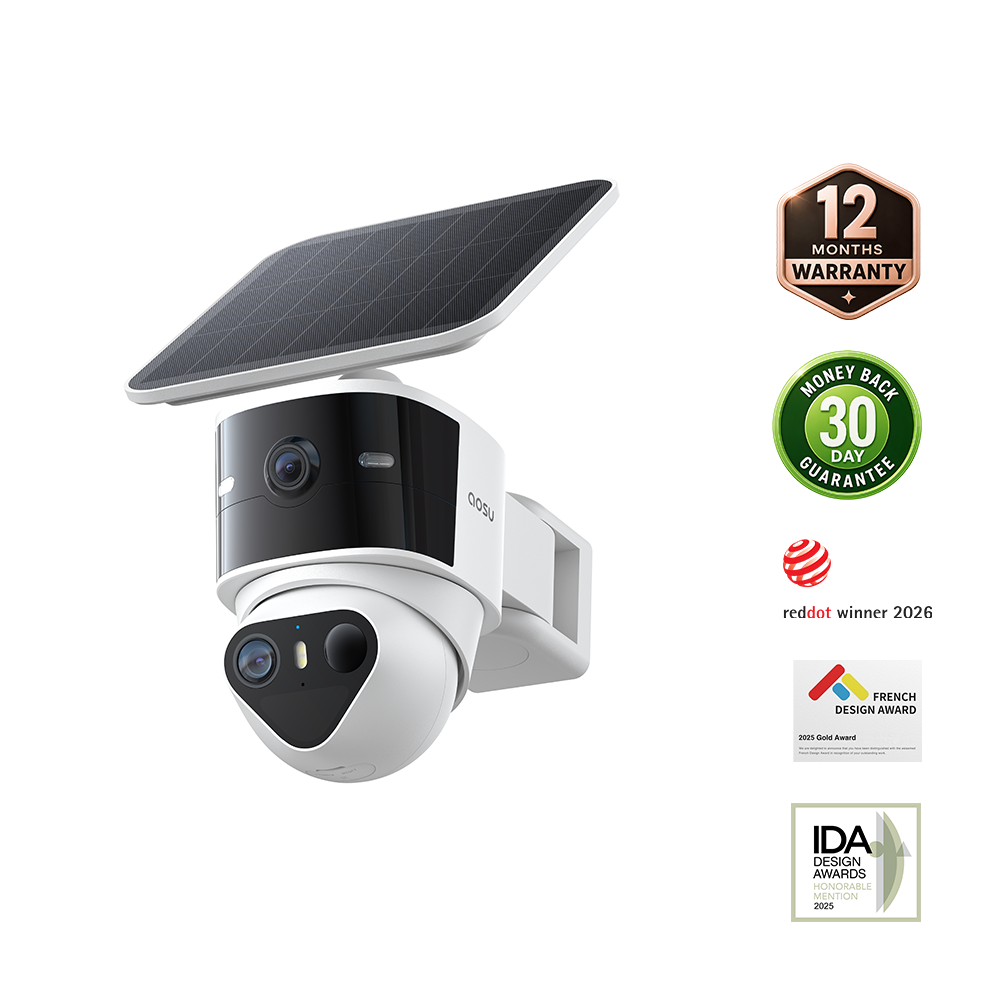
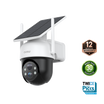
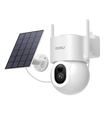
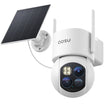
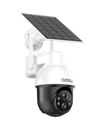
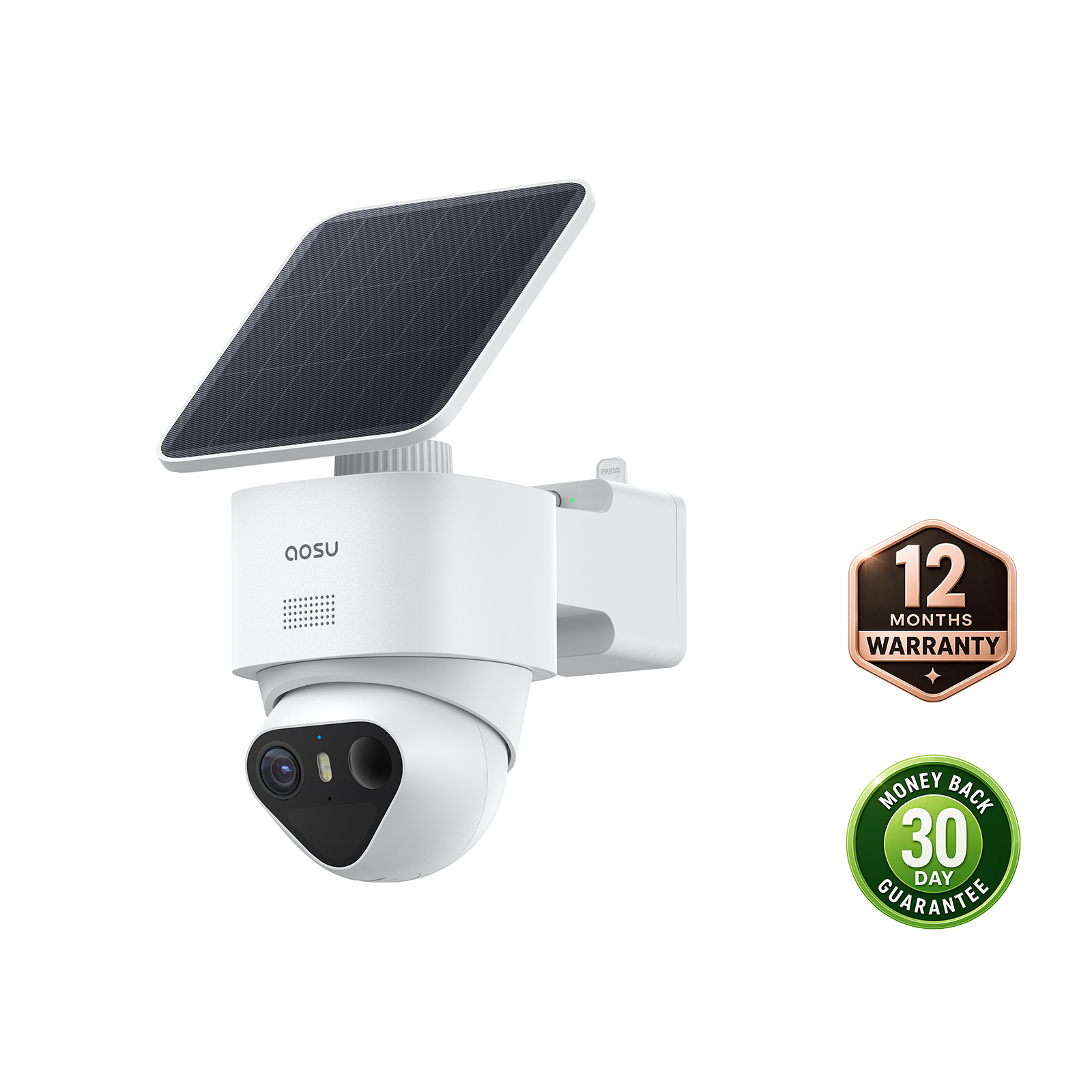
To maintain your property and privacy, taking appropriate measures can be essential, especially when dealing with challenging neighbors. If you're experiencing issues related to trespassing, security concerns, or noise disturbances, consider installing fences or security cameras to protect your space. Fences can provide a clear boundary and reduce unwanted intrusions, while security cameras can offer peace of mind by monitoring activity around your home. Additionally, improving your home's sound insulation—such as adding weatherstripping to doors or using soundproofing materials on walls—can help mitigate disturbances and create a more comfortable living environment.
However, it's important to ensure that any protective measures you implement are within legal boundaries and do not inadvertently escalate tensions with your neighbor. Before making any changes, check local regulations to confirm that your plans comply with zoning laws and property codes. Additionally, communicate with your neighbor about any significant modifications, such as large fences or cameras, to avoid misunderstandings and potential disputes. A proactive and considerate approach can help you safeguard your space while maintaining a respectful relationship with those around you.
Involve the Authorities
Keep an incident log before making a non-emergency complaint. Ask the receiving organization what information it needs and which issues it handles.
| Record | Details to include |
|---|---|
| Date and time | When the incident began and ended |
| Location | Where it occurred and where you observed it |
| Observable behavior | What you saw or heard |
| Effect | Interrupted sleep, blocked access or visible damage |
| Supporting material | Relevant messages, photographs or existing footage |
| Follow-up | Who you contacted, the response and any case number |
For recurring noise, check the official local noise-complaint route and any lease or community process. For a boundary dispute, verify property information and seek appropriate property advice. For threats, suspected criminal conduct or repeated targeted behavior, contact the relevant local authority. Use emergency services when immediate assistance is needed.
Before making audio recordings, check the applicable law. 18 U.S.C. §2511 contains federal interception and consent provisions, and state requirements also need review.
Keep reports factual and retain copies of submitted material and replies.
Follow Up on the Agreement
Review whether the agreed change helped. If the issue continues, send a brief update with the relevant dates and a copy of the earlier agreement.
“We discussed [issue] on [date] and agreed to [change]. It happened again on [dates]. Could you confirm how we can address it?”
If direct contact has stopped being productive or safe, use an appropriate landlord, property-management, mediation or local complaint process. Include the incident log and explain the outcome you are requesting.
Conclusion
Start with safety, document the behavior and request a specific change when appropriate. Keep any agreement and follow-up in writing. If the problem continues, use the local process suited to the issue and provide a clear record of what happened.
FAQs About Dealing With Bad Neighbors
How Can You Effectively Deal With Difficult Neighbors?
Identify the specific behavior, keep a factual incident log and make a clear request when direct contact is safe. If the problem continues, use the appropriate local complaint or support process.
How Should You Talk to Difficult Neighbors?
Talking to difficult neighbors works best with polite, clear, and non-confrontational language. Focus on facts, avoid blame, and propose solutions. Active listening helps de-escalate conflicts while maintaining good relations and protecting your home environment.
What Legal Options Exist for Neighbor Disputes?
Available options depend on the location, conduct and remedy being sought. Give a qualified local adviser your incident record and relevant property documents before deciding whether a court application or another legal step fits the issue.
How Can You Improve Your Neighborhood Environment?
Improving the neighborhood environment involves fostering communication, organizing meetings, and creating shared community rules. Encouraging cooperation and addressing recurring issues reduces tension and builds a safer, more harmonious neighborhood for all residents.
Can Mediation Help Solve Neighbor Problems?
Mediation may help neighbors discuss a practical agreement when participation is appropriate and safe. Ask the provider about suitability, costs and the process. The outcome depends on the parties and circumstances.
How Should You Address Neighbor Property Disputes?
Address property disputes by documenting evidence, reviewing property lines, and communicating clearly. Professional advice or mediation can prevent escalation and help resolve fencing, boundary, or shared space conflicts while maintaining neighborhood harmony.
How Can You Manage Noisy Neighbors Effectively?
Managing noisy neighbors involves documenting disturbances, polite requests, soundproofing, and legal complaints if necessary. Consistent, respectful action protects your peace of mind and ensures a quieter, healthier home environment.
How Can Neighborhood Associations Help With Difficult Neighbors?
Check the association’s governing documents and complaint procedure. Submit the relevant rule, incident dates and supporting material, then ask what action falls within its authority.