






If your car is missing, check promptly for towing or relocation, report a suspected theft and preserve useful information. Tracking is available only where a supported device or service can supply location data. Share leads with police and let them direct recovery.
Ways to Check Whether Your Car Is Stolen
Check the parking location and any plausible towing or relocation promptly. These checks should not delay reporting when theft is apparent.
Reconfirm Where You Last Parked
Confirm the last known parking location and time. Check whether someone authorized to use the vehicle moved it.
Contact Property Management or the Local Towing Authority
If the vehicle was parked in a managed lot, ask property management about towing or relocation. Contact the relevant local towing authority or police non-emergency service to check available records.
Do Not Use VINCheck to Rule Out a Theft
NICB VINCheck searches records supplied by participating insurers; it does not search police databases or locate a vehicle. A missing result does not establish that your car has not been stolen. Do not delay reporting a suspected theft while waiting for a database entry.
What to Do After Suspecting a Vehicle Theft
- Check relocation or towing promptly. Confirm the parking location and contact property management or the relevant local towing authority. Do not let this delay a report when theft is apparent.
- Report the theft. Provide the plate, VIN, make, model, color, last confirmed location and identifying features. Keep the report number.
- Contact an existing vehicle service. Tracking depends on compatible equipment, activation, connectivity and service conditions. For example, OnStar’s stolen-vehicle assistance works with law enforcement after a police report.
- Preserve camera footage. Save relevant clips, timestamps and the direction of travel before recordings are overwritten.
- Notify your insurer. Ask what documents and next steps your policy requires.
A phone app alone cannot locate a car without a supported source of location data. Send tracker readings, sightings or suspicious listings to police; do not visit a location or arrange a meeting with a suspected seller yourself.
Use Camera Footage as Evidence, Not Live Vehicle Tracking
Existing home, business or parking-lot recordings may show an approach, departure or direction of travel. Ask the owner to preserve relevant clips, note the displayed time and any known clock difference, and share useful files with police. A fixed camera cannot follow a vehicle after it leaves the view, and recording gaps may limit what is available.
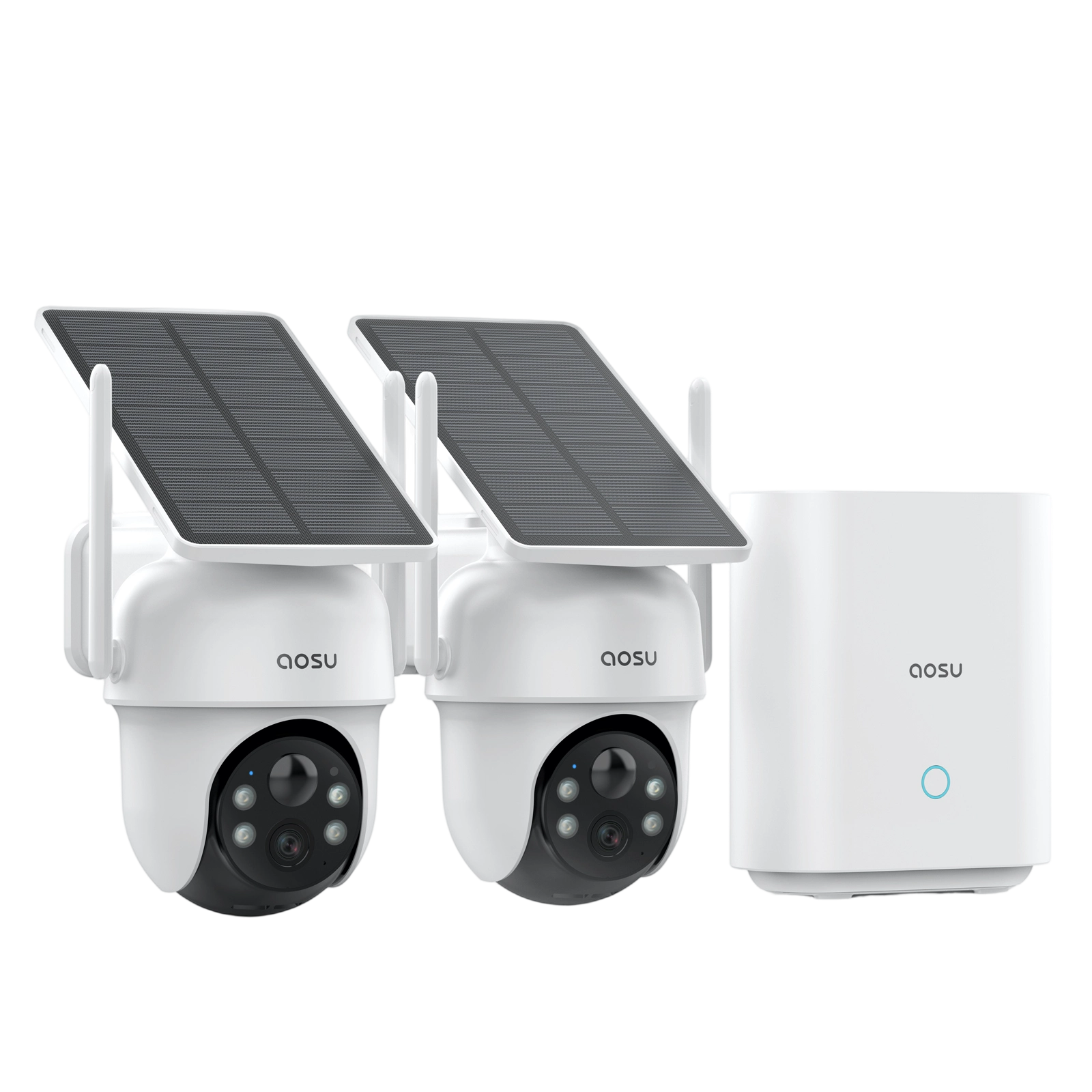
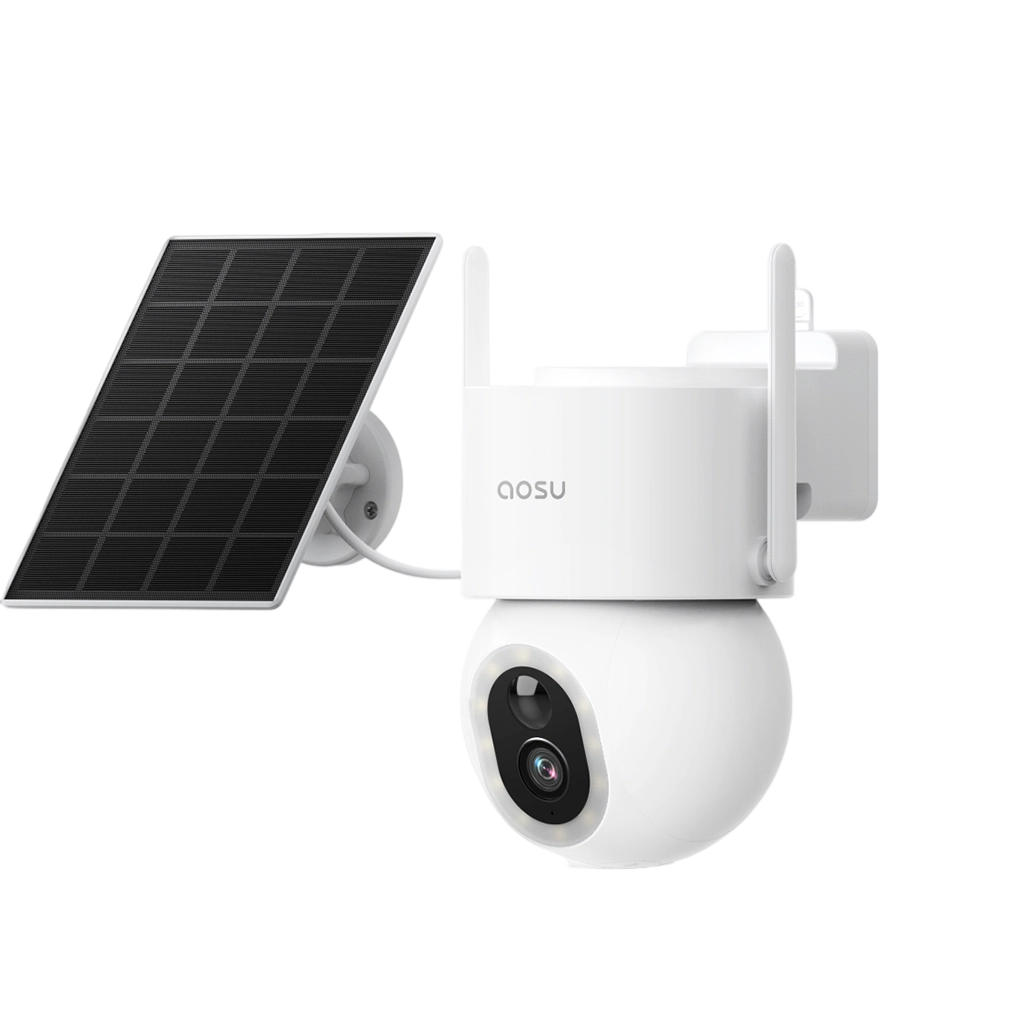
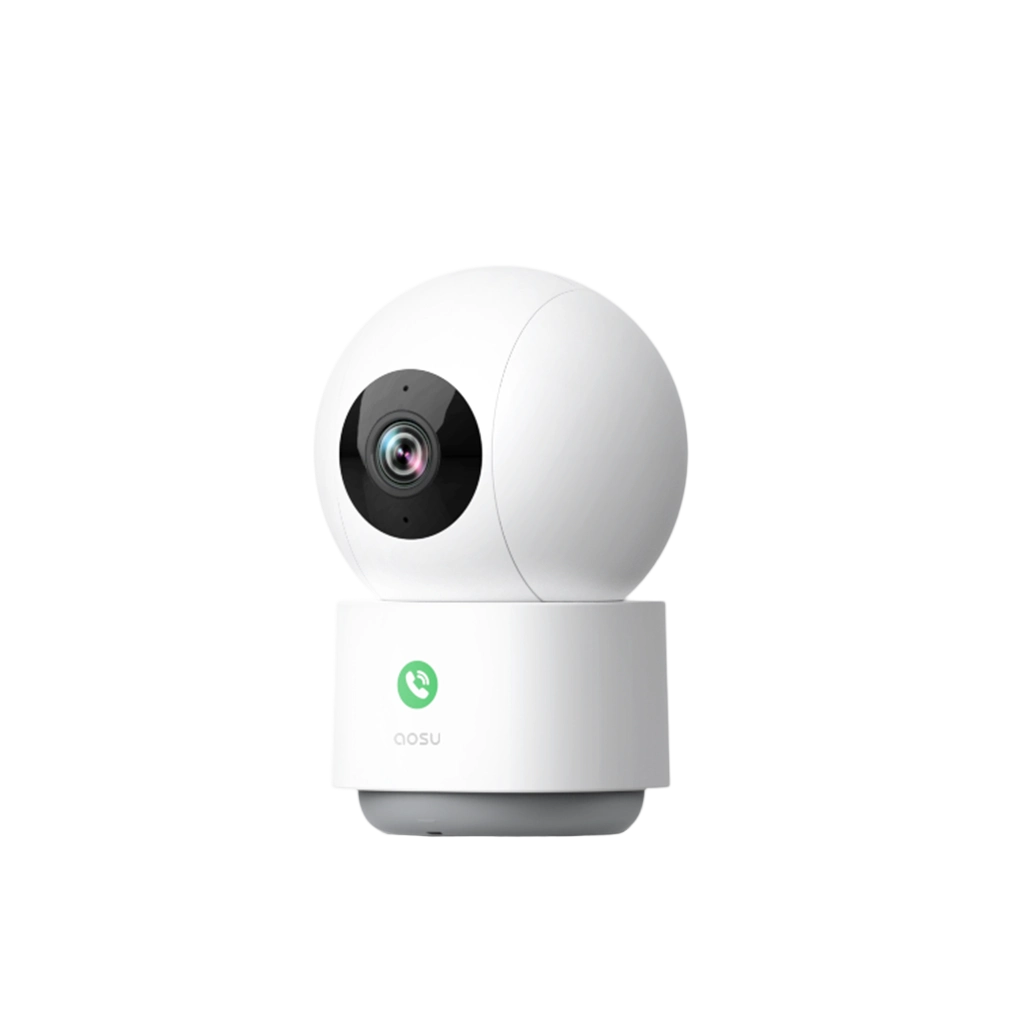
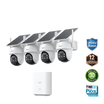
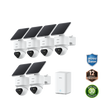
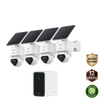
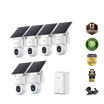
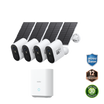
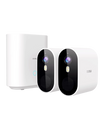
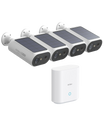
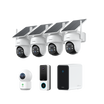
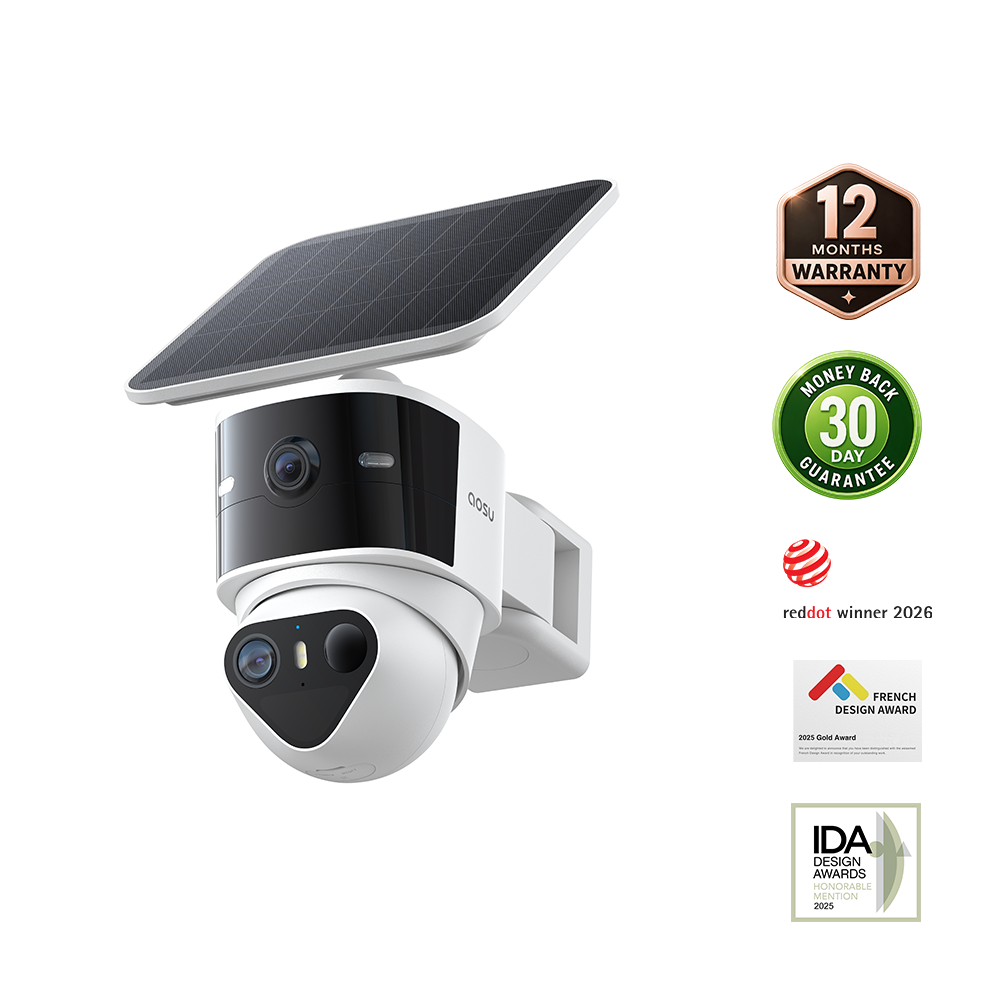
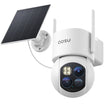
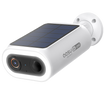
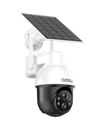
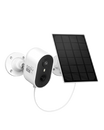
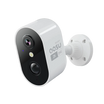
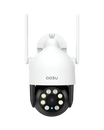
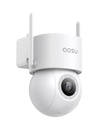
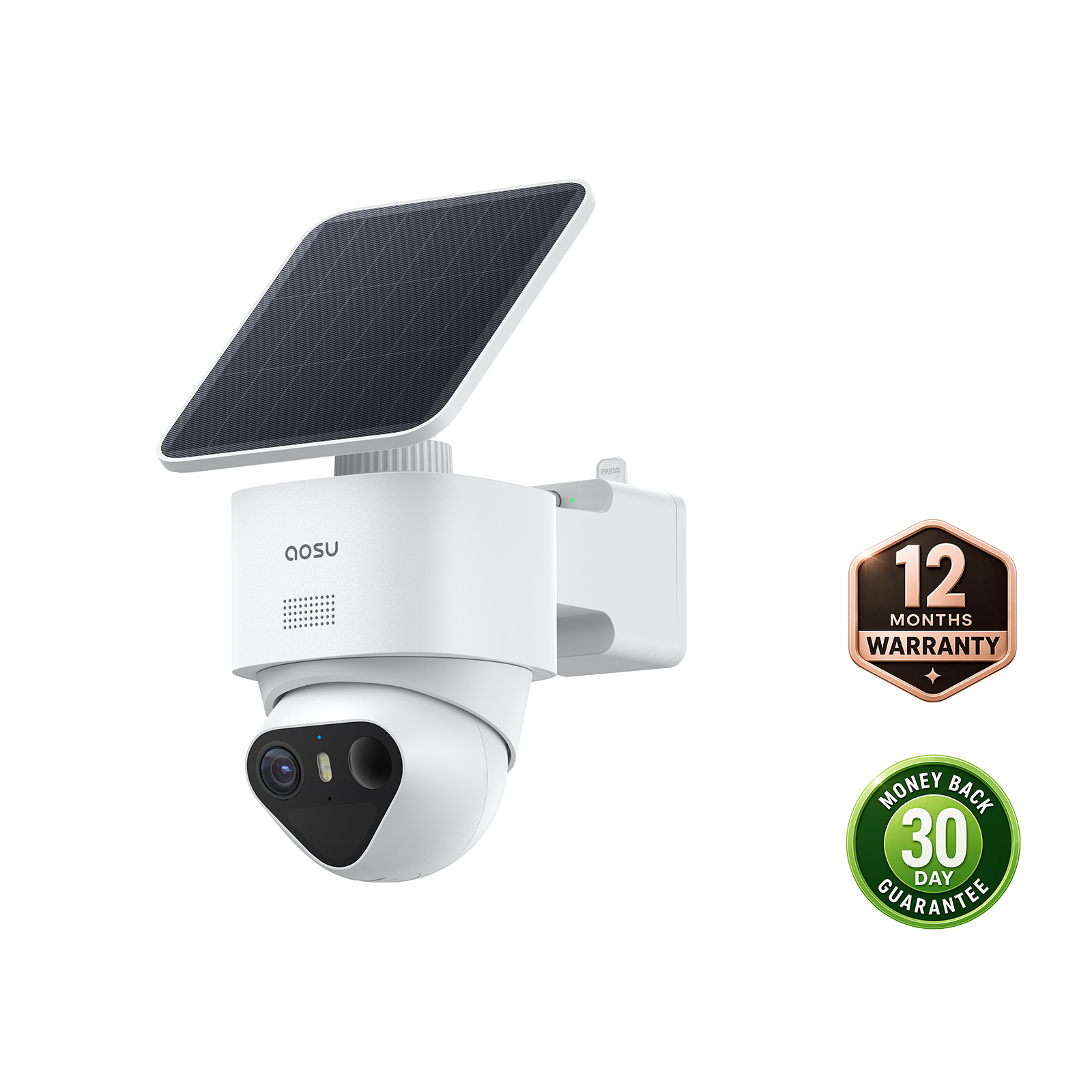
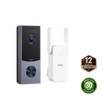
For future driveway viewing, compare aosu outdoor-camera features separately from the immediate recovery process. Check the actual view, recording mode, lighting, storage and export options. A home-camera purchase does not add vehicle GPS tracking or a stolen-vehicle recovery service.
If the Vehicle Is Located
- Contact police and provide the report number, location, observation time and source of the information.
- Do not travel to a tracker location, approach the vehicle or confront anyone. If you encounter it unexpectedly, move to safety and follow police instructions.
- Do not enter, move or disturb the vehicle before police advise that it can be released.
- Notify your insurer and coordinate the authorized release, towing and inspection process.
- Before driving, arrange an appropriate safety assessment if damage or tampering is suspected.
- Keep the recovery reference, release documents, photographs and receipts requested by police or your insurer.
Finding a location is a lead, not permission to recover the car yourself. Follow the NHTSA guidance on stolen vehicles.
Keep New Information With Your Report
Keep new information with your police report and insurer’s claim record. A tracker location, sighting or camera clip can help, but none guarantees recovery. Do not attempt to retrieve the vehicle yourself.
FAQs About Finding and Recovering a Stolen Car
Can I locate a car without a tracker?
Police reports, sightings and existing camera footage may provide leads, but they do not establish a live location. An app cannot add tracking hardware or a service the vehicle does not support.
Can an aosu home camera track the car after it leaves?
A home camera may record an approach, departure or return within its view. This article has not verified an aosu GPS vehicle-tracking product or stolen-vehicle recovery partnership.
Does a clear NICB result mean the car was not stolen?
No. VINCheck contains participating-insurer records and does not query police databases. A theft may not appear.
What should I do with a tracker location?
Send the location, timestamp and relevant screenshots to police and the authorized tracking provider. Do not approach the vehicle, confront anyone or attempt recovery.
Will insurance pay for the theft?
Coverage depends on the policy and claim circumstances. Notify the insurer, provide the police report details and follow its instructions; reporting promptly does not guarantee payment.