










September’s National Preparedness Month is a useful reminder to review your household emergency plan, but preparation matters throughout the year.
Start with the hazards in your area, essential supplies, communication arrangements and the actions each household member should take. Cameras and connected devices may provide supplementary information while working, but they do not replace official warnings, evacuation instructions or life-safety equipment.
The official resources below primarily address U.S. households. Follow the emergency guidance for your own location.
Match Your Plan to Local Hazards
Ask your local emergency-management office which hazards affect your address. Do not assume that the same room or response is suitable for every emergency.
| Hazard | Preparation priority |
|---|---|
| Earthquake | Secure appropriate household items and practice Drop, Cover and Hold On. Follow CDC earthquake guidance. |
| Tornado | Identify suitable shelter before a warning. Mobile homes need a different shelter plan; see National Weather Service tornado guidance. |
| Wildfire | Plan routes, transport and early preparations for evacuation. Review CDC wildfire guidance. |
| Hurricane or flooding | Know local evacuation arrangements and avoid flooded roads or paths. Follow official instructions and flood safety guidance. |
| Home fire | Practice leaving the building and reaching an outside meeting place. Use USFA home-fire escape guidance. |
Add medical, mobility, language and pet-care needs to each relevant plan.
Emergency Supplies for Home
Build supplies around your household and local guidance. Keep portable essentials accessible if you need to leave.
- Water: CDC recommends emergency water storage of at least one gallon per person per day for three days, with a two-week supply where possible. Allow for additional needs and pets.
- Food: Choose shelf-stable items your household can use without normal cooking facilities. Include a manual opener where needed.
- Health needs: Include first-aid supplies, current medication information and arrangements for essential medicines or medical equipment.
- Lighting and information: Keep flashlights, suitable batteries and a battery-powered or hand-crank radio.
- Communication and documents: Prepare charging options, printed contacts, essential document copies and local emergency information.
- Individual needs: Include suitable supplies for infants, older adults, disabilities and pets.
Follow storage instructions and inspect supplies regularly. Tape and plastic sheeting have specific uses in some chemical-emergency plans; they are not a general instruction to seal your home during every disaster.
Steps to Prepare for Disasters and Emergencies
Preparation is key to effectively managing any emergency, whether it's a natural disaster like an earthquake or a man-made event such as a power outage. Here's a comprehensive guide to preparing for various emergencies.
1. Develop a Family Emergency Plan
Prepare a written plan that works without access to your usual apps.
Communication
Record household contacts, an out-of-area contact and meeting arrangements. Keep paper copies and agree how to check in if calls or internet services are unavailable.
Evacuation
Identify routes, destinations and transport options. Plan assistance for anyone who needs help and include pets. Follow official evacuation instructions; do not delay leaving to inspect camera feeds, collect equipment or remotely operate smart devices.
Sheltering
Choose shelter according to the hazard. A tornado shelter location is not automatically suitable for a chemical release or wildfire.
For wildfire, leave when instructed by authorities. A room with cleaner air may help during smoke conditions when remaining at home is appropriate, but it does not protect a house from an approaching fire or override an evacuation instruction. See CDC wildfire preparedness guidance.
During a chemical emergency, follow the authorities’ specific directions on evacuation or sheltering. Use CDC chemical-emergency guidance when preparing that plan.
Emergency contacts
Keep local emergency, utility, healthcare and assistance contacts accessible. Make sure household members know where the list is stored.
2. Separate Official Warnings, Safety Alarms and Cameras
- Official warnings: Use the emergency and weather information channels recommended for your location. Do not assume that your camera app receives or relays official warnings.
- Earthquake early warning: Where available, these systems may provide notice of expected shaking after an earthquake has started. They do not certify that your building is safe or detect a household gas leak. See USGS’s explanation of earthquake early warning.
- Safety alarms: Install and maintain appropriate smoke and carbon-monoxide alarms according to their instructions and local requirements. A camera or intrusion alarm is not a substitute. Do not assume a carbon-monoxide alarm detects a combustible-gas leak.
- Camera information: A working camera may show part of the property or preserve footage. It cannot establish that an evacuation route or damaged building is safe. Follow official instructions rather than waiting for visual confirmation.
- Power and connection limits: Check the camera, hub, router, internet service and phone separately. Battery power for one device does not keep the entire chain operating. Local recording, remote viewing and notifications may fail under different conditions.
If you suspect a gas leak after an earthquake, follow CDC’s post-earthquake safety instructions. Do not use electrical switches or appliances in the affected area.
3. Create a Home Safety Checklist
Check smoke and carbon-monoxide alarms according to their instructions, keep exits clear and address the hazards relevant to your location.
Use suitable furniture restraints where appropriate. Have structural, electrical, gas and flood-protection work assessed by qualified professionals rather than treating it as a general DIY task.
Do not enter damaged buildings or floodwater to retrieve equipment. A sensor notification does not establish that the area is safe.
4. Stock Up and Maintain Supplies
Inspect supplies, medication arrangements and charging equipment regularly. Record what needs replacing and who will handle it.
Consider appropriate first-aid and CPR training, such as American Red Cross courses. Check the course format and practical-skills requirements.
Ask local emergency-management services about assistance, shelter and community resources. Do not interpret an emergency tool kit as permission to enter unstable structures or perform hazardous rescue work.
5. Stay Informed
Identify official local warning channels and enable appropriate phone alerts. Keep a radio and a way to obtain information if your normal internet connection fails.
Confirm what each app actually provides for your location. Treat camera notifications as device events, not as a replacement for public emergency warnings.
6. Practice Your Plan
Practice the response appropriate to each hazard rather than using one drill for every emergency.
Include a practice in which camera feeds, smart locks or internet services are unavailable. Check that household members can find contacts, follow the exit or shelter plan and assist those who need help without relying on the app.
Record problems after each drill and assign a person and date for each improvement.
Conclusion: Building Your Emergency Readiness Plan
Begin with your household’s most relevant hazards. Confirm official information sources, prepare essential supplies and practice the appropriate response with everyone involved.
Identify what changes when power, internet or transport is unavailable. Update the plan after each drill and whenever household needs change. Cameras may support observation, but the plan must still work when they do not.
FAQs About National Preparedness Month
How Can National Preparedness Month Tips Improve Your Emergency Readiness?
Use the month to review local hazards, household needs, supplies and practice arrangements. Give each unfinished task an owner and completion date. Preparedness needs regular review throughout the year.
What Are the Best Emergency Preparedness Kits for Families?
Choose supplies around household size, medical needs, accessibility, pets and local guidance. Check any prepacked kit against those needs. A product label or brand recommendation does not establish that it is complete for your family.
What Types of Emergencies Should You Prepare For During National Preparedness Month?
Start with risks identified by your local emergency-management office, then include home fire, power loss and medical needs. Different hazards may require evacuation, sheltering or immediate protective action.
How Can You Create Effective Emergency Communication Strategies?
Keep printed contacts, an out-of-area contact and meeting arrangements. Prepare charging options and a radio. Do not assume phone, internet or camera-app services will remain available.
What Are the Best Emergency Preparedness Training Programs?
Look for established first-aid, CPR and local preparedness training suited to your household. Check whether practical assessment is included and which skills the course covers. Training does not make every emergency safe to handle yourself.
How Do You Store Emergency Food and Water Safely?
Follow product storage instructions and rotate supplies. Use suitable food-grade containers for stored water; CDC’s emergency-water guidance explains quantities, container selection and replacement intervals.
How Can You Create Effective Home Evacuation Plans?
Identify routes, meeting arrangements, transport and assistance for household members and pets. Follow the instructions for the specific hazard. Do not delay an evacuation to retrieve equipment or review footage.
How Can Communities Improve Disaster Readiness Together?
Coordinate through local emergency-management and recognized community programs. Agree how to check on people who need assistance without putting volunteers at risk. Do not attribute a community initiative to a brand without verified information.
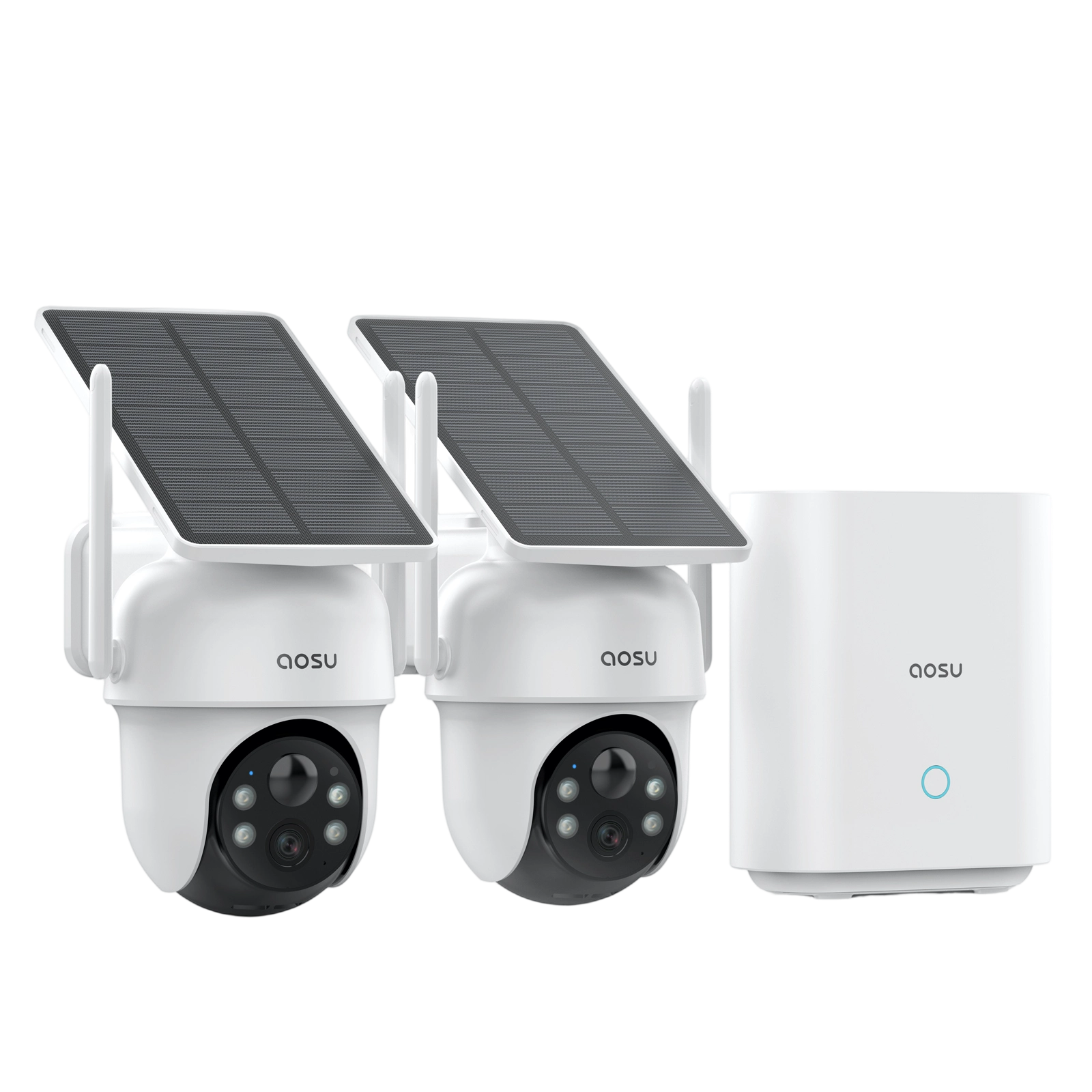
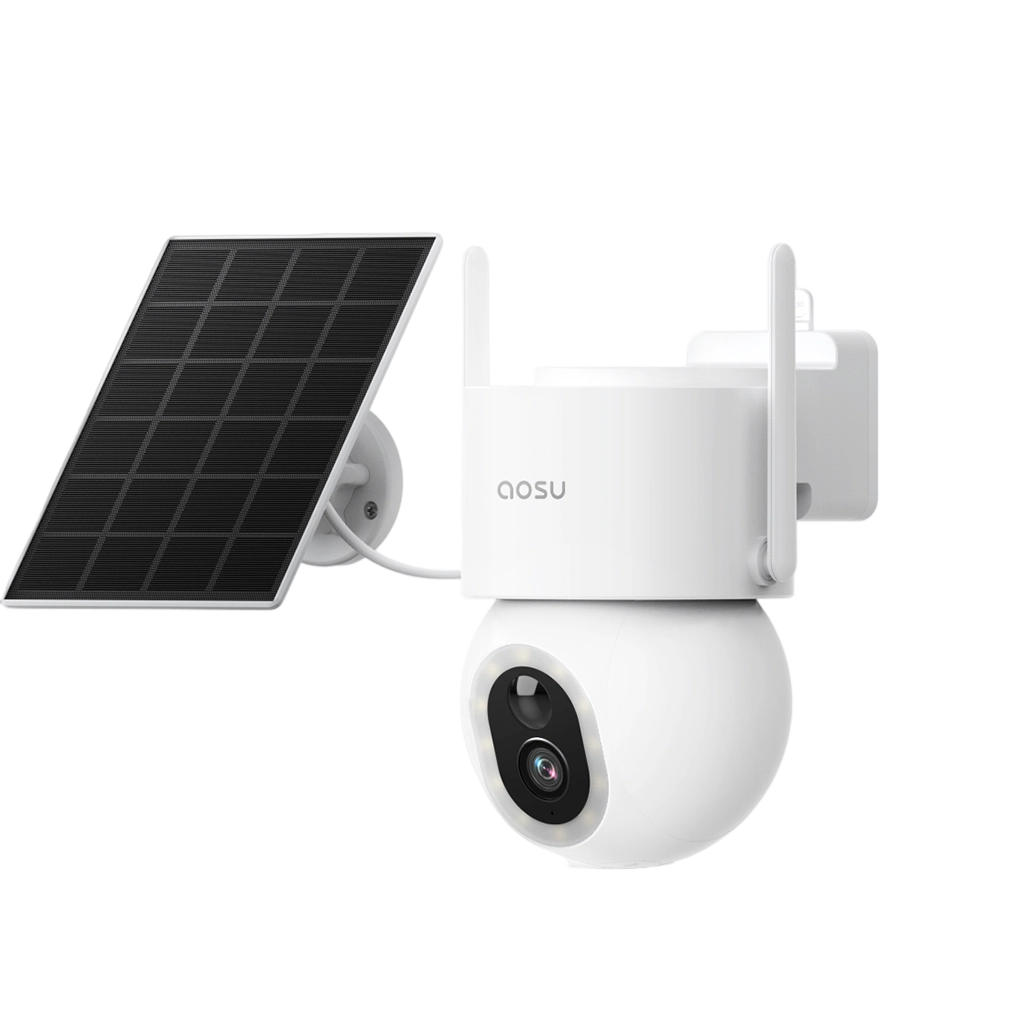
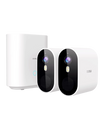
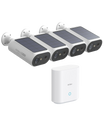
Considering a home camera system?
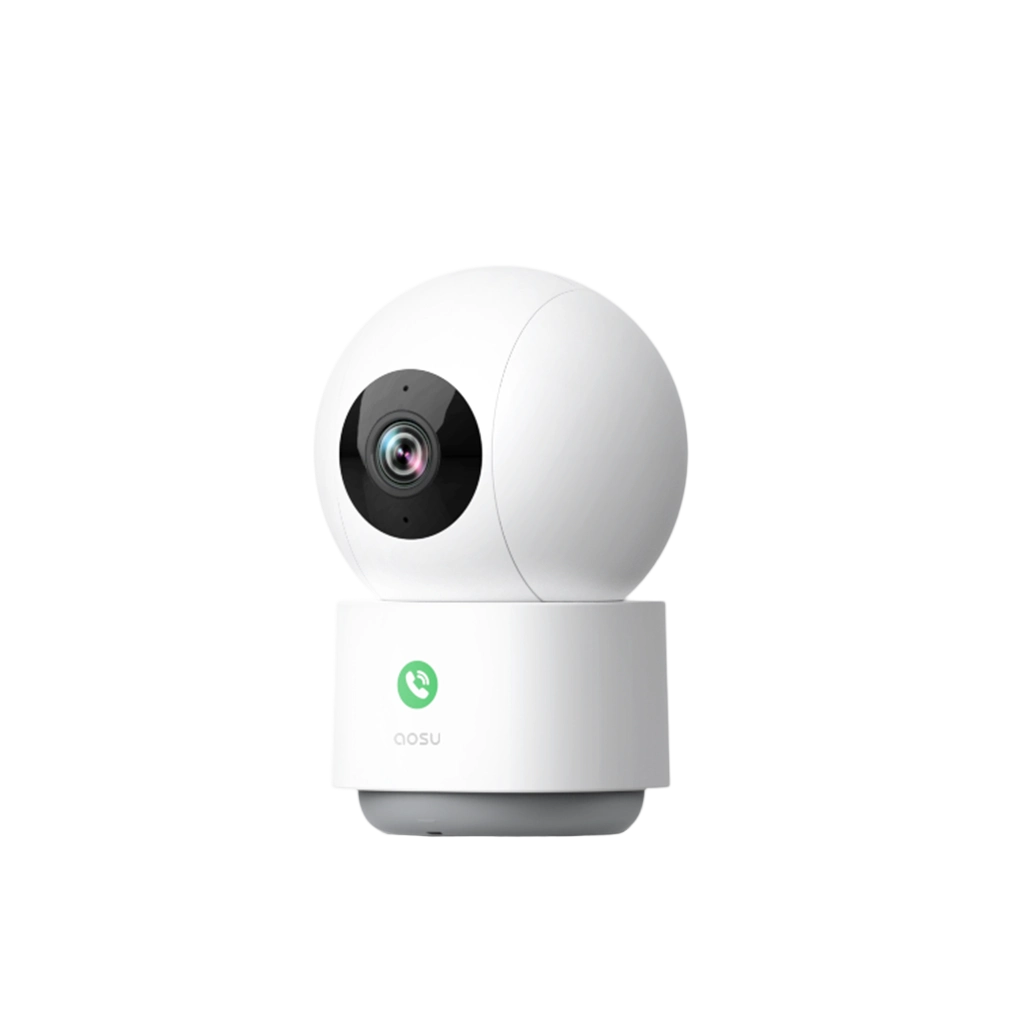
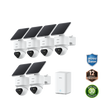
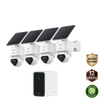
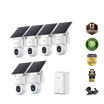
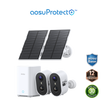
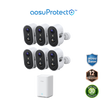
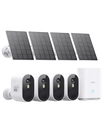
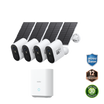
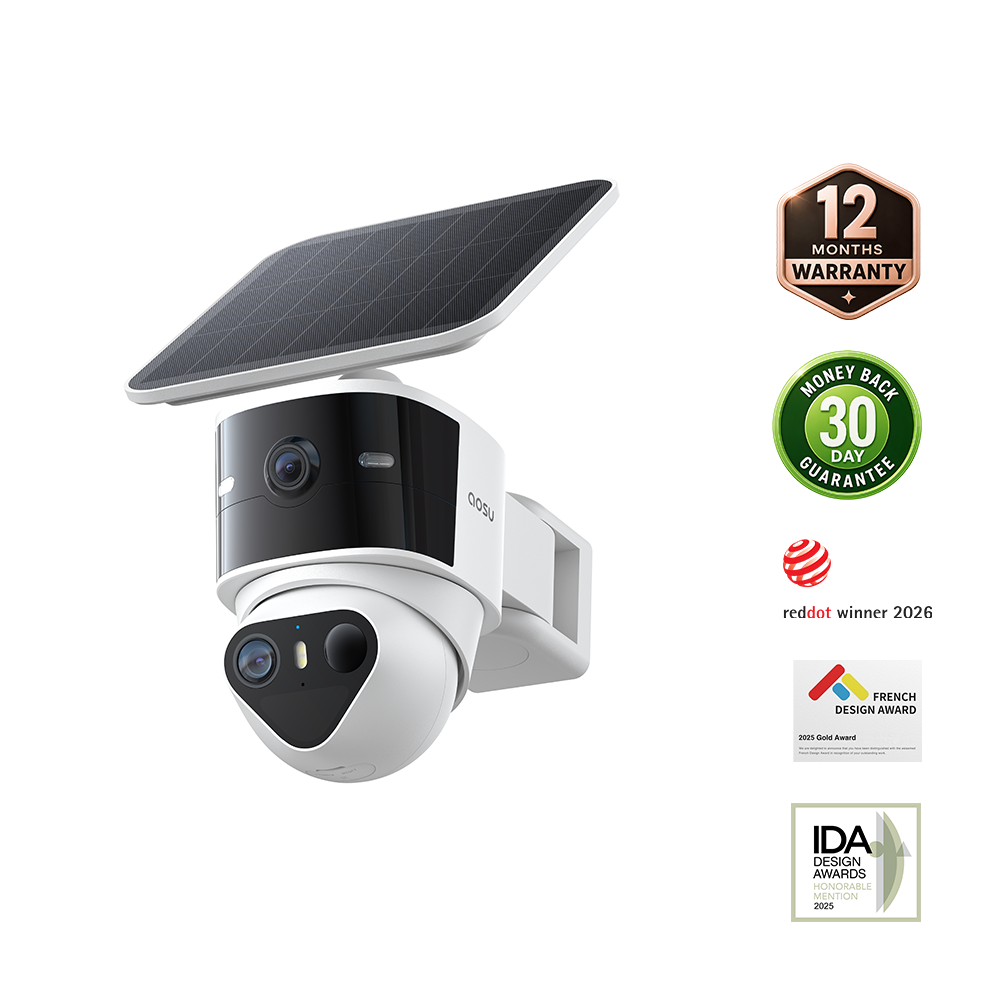
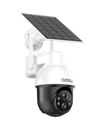
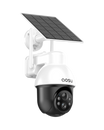
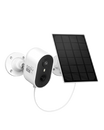
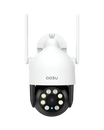
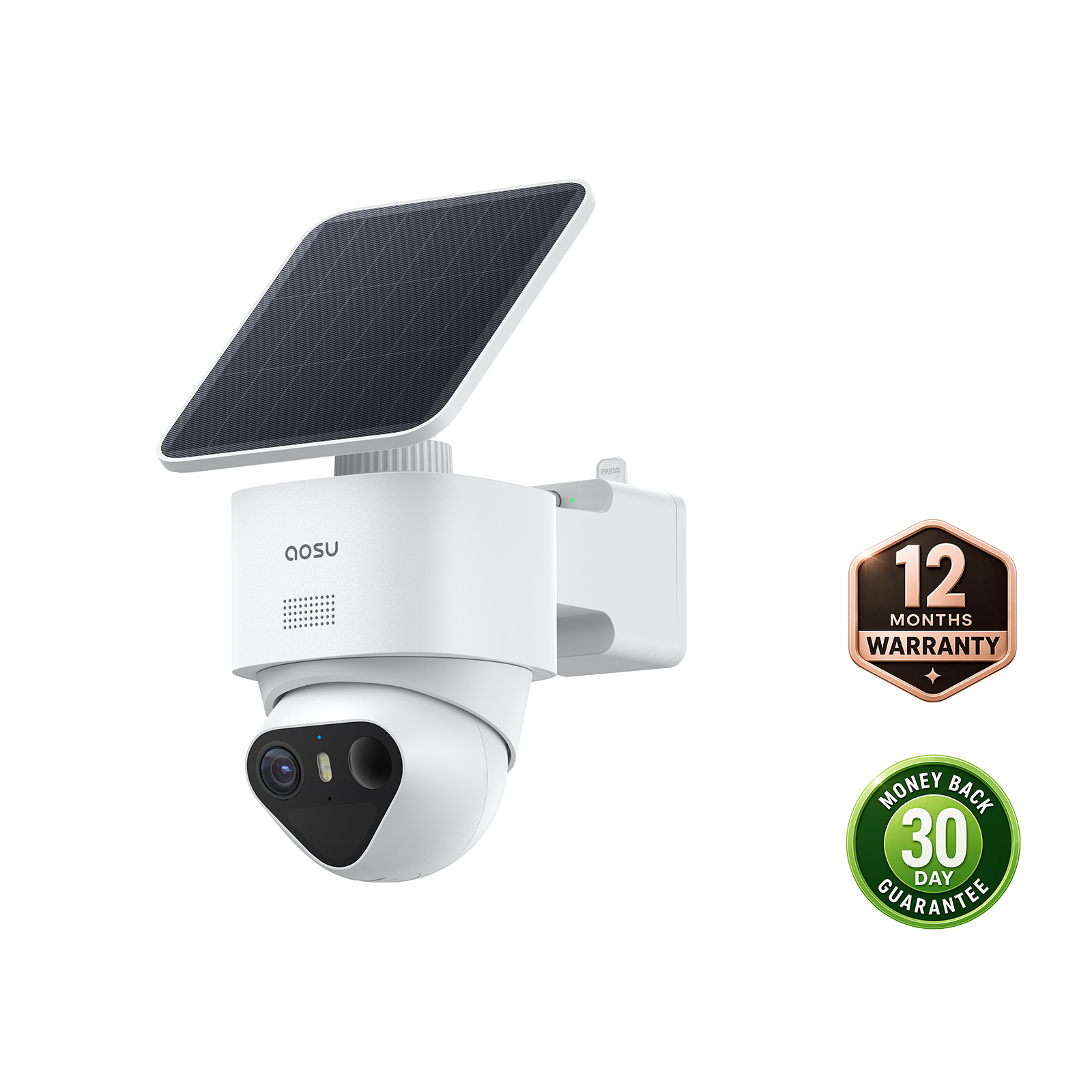
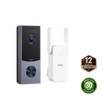
Review the aosu G11 Suite for the camera functions relevant to your home. Confirm the selected equipment’s power, storage, connectivity and supported alerts.
Treat cameras as supplementary property-monitoring tools. Verify dedicated safety equipment separately; do not assume that a camera system provides disaster warnings, gas-leak detection, structural assessment or emergency dispatch.