










Table of Contents
- Understanding Home Security Cameras
- The Risks of Hacking Security Cameras
- Signs That Your Security Camera Has Been Hacked
- How Hackers Target Security Cameras
- Enhancing Your Home Security Camera Digital Security
- What to Do If Your Security Camera Is Hacked
- Conclusion: Protecting Your Home from Security Camera Hacks
Understanding Home Security Cameras
Before diving into the risks associated with hacking your security camera, it's essential to understand what these devices are and the different types available for homeowners.
Want to learn more about home security cameras? Check out our comprehensive guide to home security cameras
What Are Home Security Cameras?
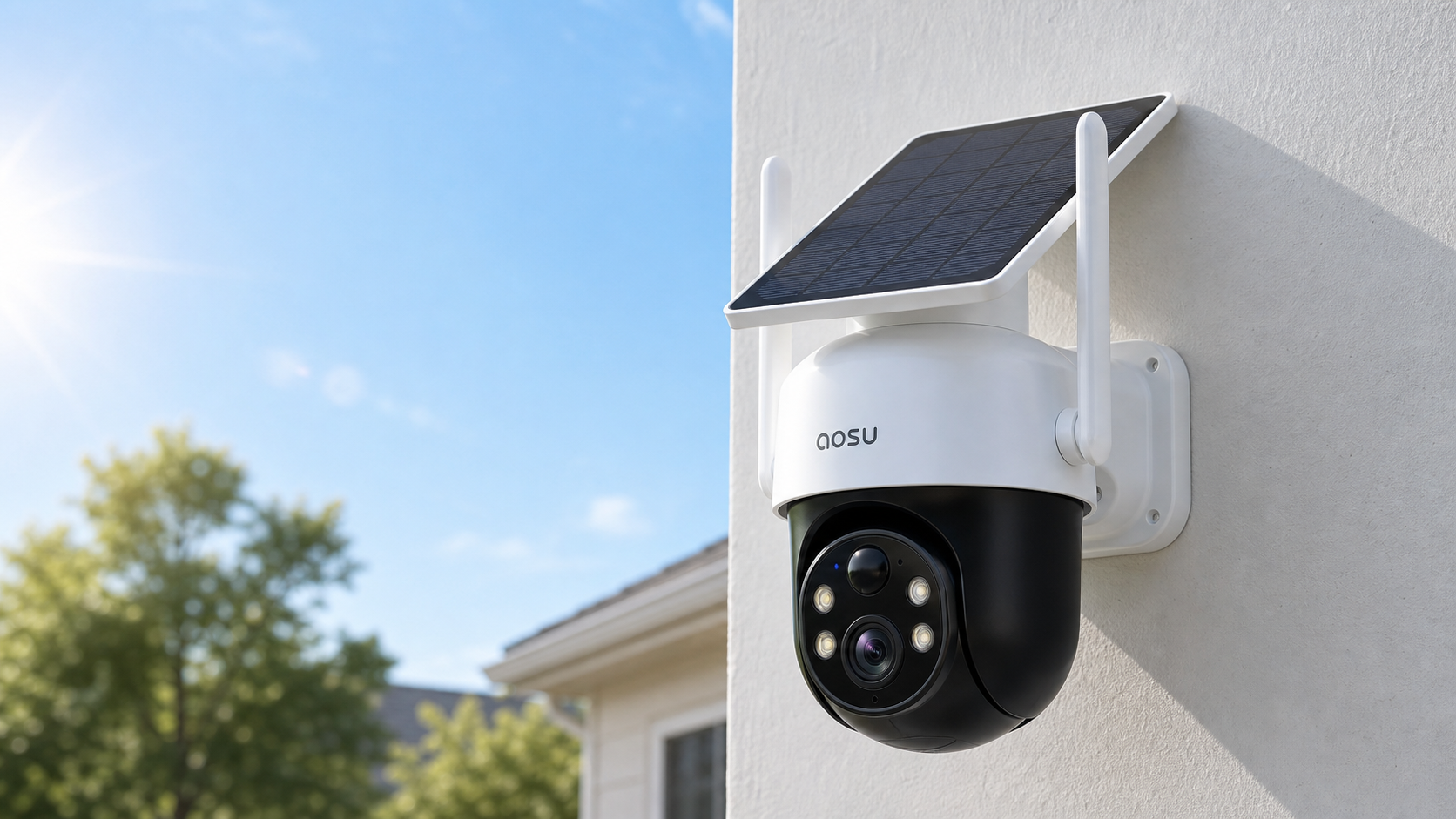
Home security cameras are surveillance devices designed to monitor your home both inside and outside. They serve as a deterrent against theft, vandalism, and other security threats. Equipped with features like motion detection, night vision, and remote access through a mobile app, these cameras offer peace of mind to homeowners.
Types of Security Cameras
Depending on your specific needs and preferences, there are various types of security cameras available.
Indoor vs. Outdoor Cameras
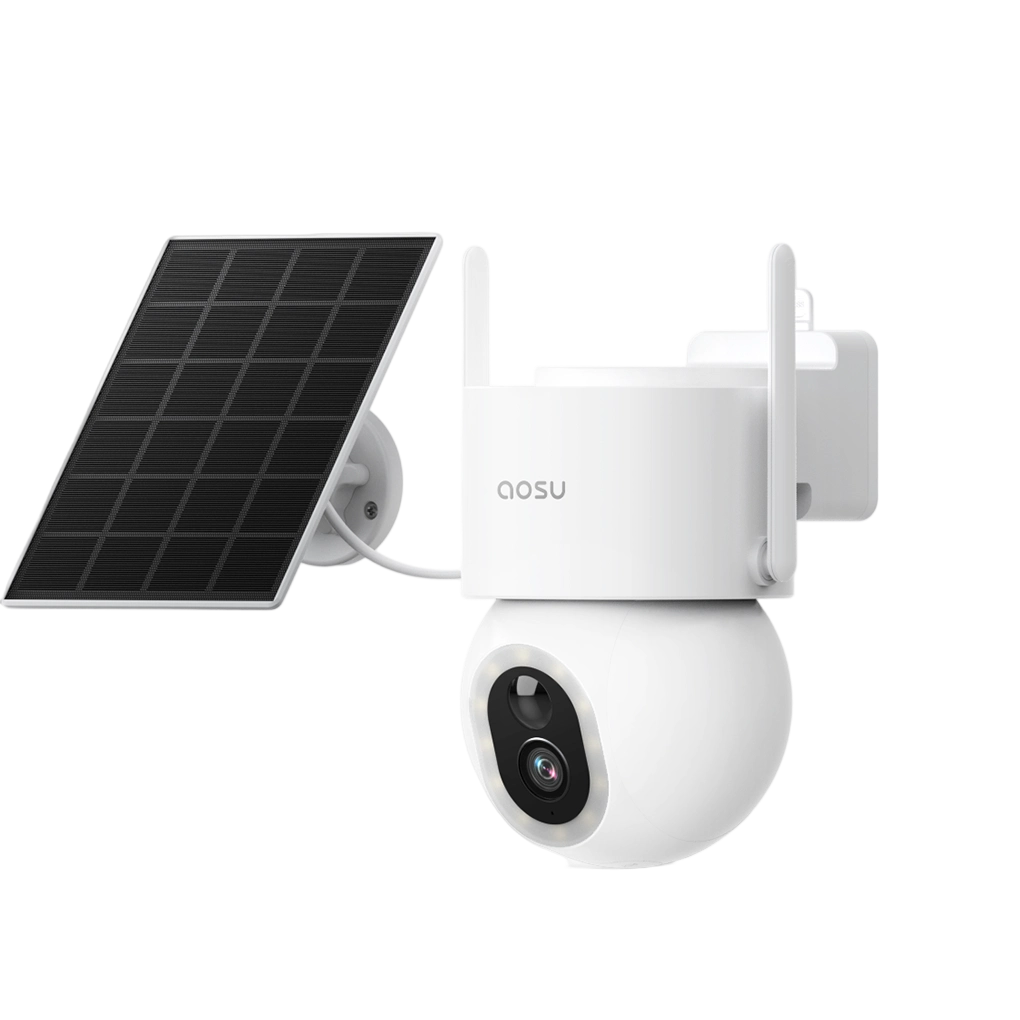
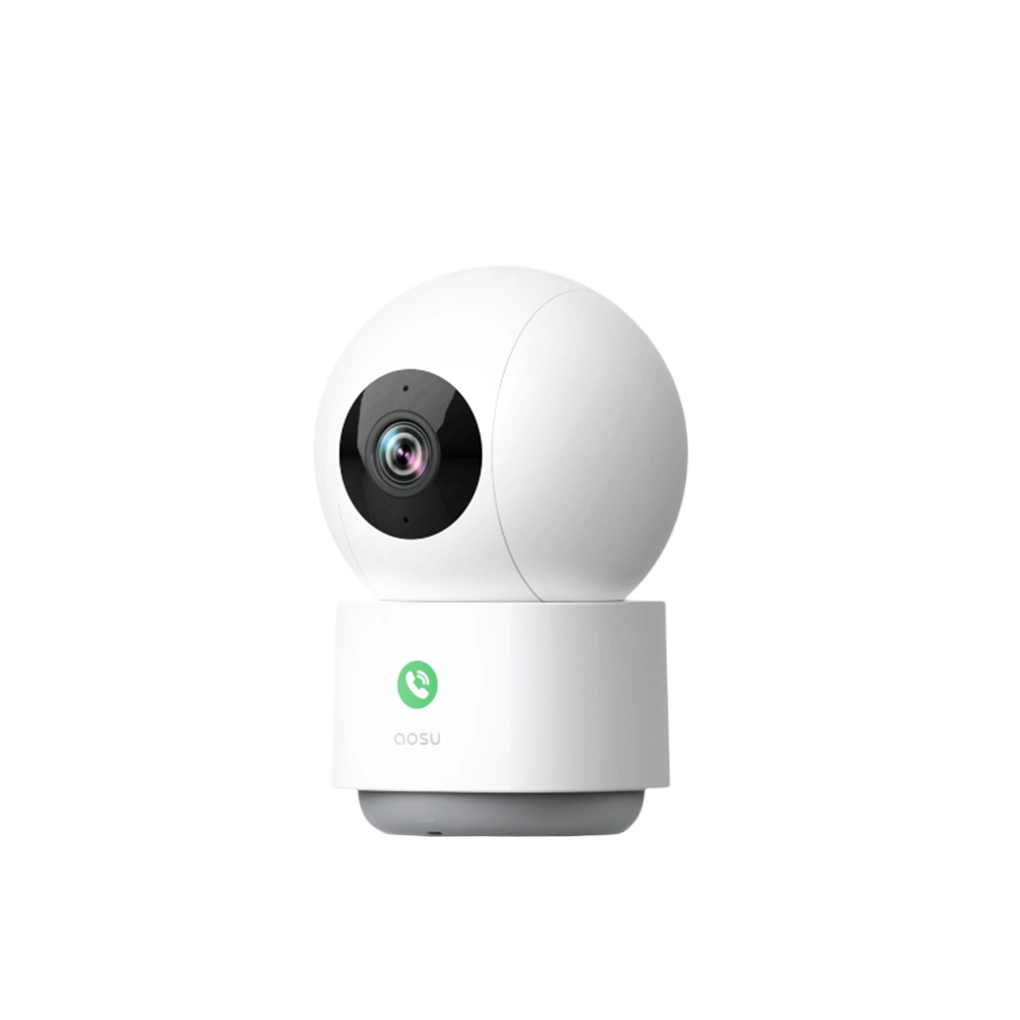
Indoor cameras are typically designed to monitor the interior of your home, focusing on areas like the living room, nursery, or entryways. Outdoor cameras, on the other hand, are built to withstand weather conditions while monitoring your property’s exterior.
Wired vs. Wireless Options
Wired cameras require physical connections to a power source and a digital video recorder (DVR), which can provide a stable feed. Wireless cameras offer the advantage of flexibility, as they connect via Wi-Fi, allowing for easier installation and relocation.
CCTV Systems
Closed-Circuit Television (CCTV) systems are commonly used for comprehensive surveillance. These systems include multiple cameras connected to a network, typically monitored from a single location for easier management.
The Risks of Hacking Security Cameras
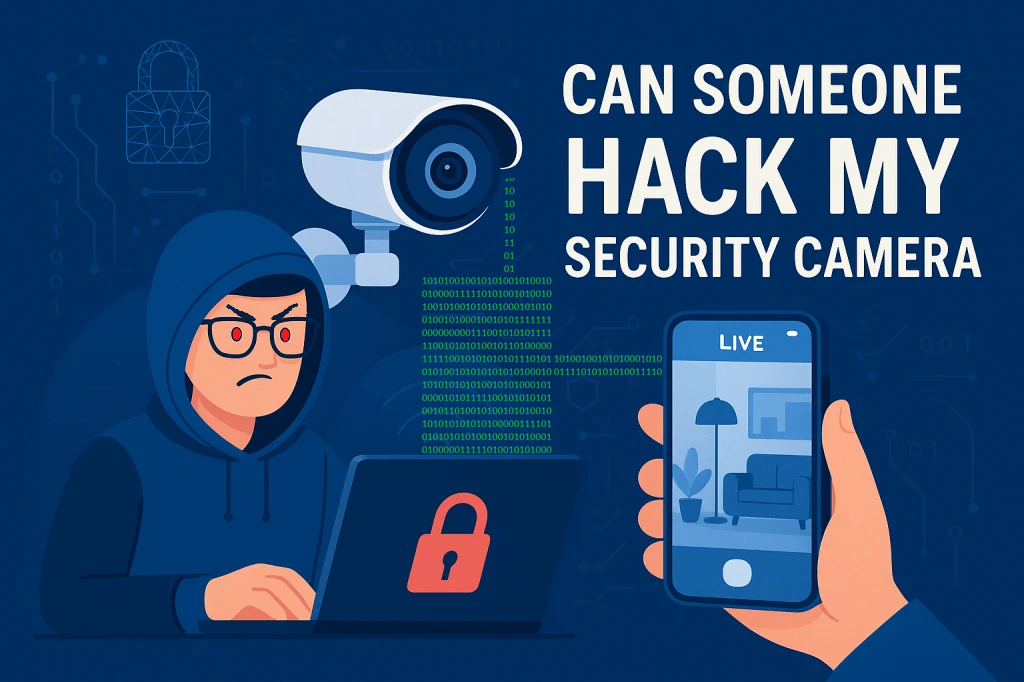
Understanding the vulnerabilities associated with security cameras is critical for homeowners looking to protect their property. So, can someone hack your security camera?
Can Someone Hack My Security Camera?
Unfortunately, yes. Security cameras can be hacked if proper precautions are not taken. Hackers may exploit weaknesses in your system, enabling them to gain unauthorized access to your feeds.
Common Cyber Security Vulnerabilities
Several common vulnerabilities can make your security camera susceptible to hacking.
Default Passwords and Weak Credentials
Many homeowners neglect to change default login credentials. Hackers often use automated tools to detect cameras with easily guessable passwords, making it a critical risk.
Outdated Firmware Issues
Like any device connected to the internet, security cameras require regular firmware updates. Manufacturers frequently release updates to address vulnerabilities, and failing to install these can leave your device exposed.
Insecure Camera Apps
If you are using a camera app that lacks robust security features, you put your camera’s footage at risk. Always ensure that the app you choose is reputable and well-reviewed for security.
Signs That Your Security Camera Has Been Hacked
Once you have a security camera in place, it’s essential to be vigilant. Here are some signs indicating that your security camera may have been compromised.
Unusual Activity or Motion Detection Alerts
If you receive motion alerts for areas where there shouldn't be any activity or see footage of unknown individuals, it may indicate unauthorized access.
Sudden Camera Malfunctions
Unexplained changes such as the camera turning off unexpectedly or responding slowly can be a sign of a hack. It's crucial to monitor your camera for any unusual behavior.
Unrecognizable Access Logs
Most modern security cameras keep logs of who accesses the footage. If you notice unfamiliar entries in these logs, it might suggest that someone else is viewing your feed.
How Hackers Target Security Cameras
Understanding how hackers work can help you defend against potential threats. Familiarize yourself with common techniques used to hack security cameras.
Common Hacking Techniques
Brute Force Attacks
This method involves using software that attempts multiple password combinations until one is successful. If you haven’t set a strong password, your camera may fall victim to this straightforward approach.
Network Infiltration
Hackers may try to infiltrate your home network, exploiting vulnerabilities in your Wi-Fi that can grant them access to linked devices like your security cameras.
Phishing Schemes Targeting Users
Hackers might send malicious links disguised as legitimate messages in an attempt to trick you into revealing personal information, including security credentials.
Enhancing Your Home Security Camera Digital Security
Enhancing your home security camera's digital security is vital in preventing potential hacking attempts. Here are some best practices to bolster your defenses.
Best Practices for Securing Your Security Cameras
Changing Default Passwords
Immediately change the default password of your security camera to a strong, unique one. Consider using a mix of upper and lower case letters, numbers, and symbols to enhance security.
Regular Firmware Updates
Make it a habit to regularly check for firmware updates and install them promptly. Keeping your camera's software updated helps protect against identified vulnerabilities.
Enabling Two-Factor Authentication
Two-factor authentication adds an extra layer of security by requiring verification through another method, such as a text message or an authentication app. Ensure this feature is enabled if available.
Choosing the Right Camera App for Enhanced Security
Always opt for camera apps from reputable sources that are updated frequently for security enhancements. Check user reviews to ensure you select an app that prioritizes user safety.
aosu employs industry-leading standards to ensure the security of the aosu app
What to Do If Your Security Camera Is Hacked
If you suspect your camera has been hacked, immediate action is necessary to mitigate potential risks.
Immediate Steps to Take
Start by disconnecting the affected camera from the network to prevent further unauthorized access. Change your passwords and any other associated security credentials right away.
Reporting the Incident
Consider reporting the hack to the manufacturer of your camera, along with local authorities. This could help in addressing the security vulnerability and identifying any ongoing threats related to the hack.
Long-Term Security Measures
After addressing the immediate threat, focus on reinforcing the long-term security of your home camera system. Implement the best practices mentioned above and regularly review your system's security protocols.
Conclusion: Protecting Your Home from Security Camera Hacks
Protecting your home from potential hacking threats is a responsibility that comes with owning security cameras. By understanding the risks involved and actively working to secure your devices, you can significantly reduce the likelihood of becoming a victim.
Final Tips for Cyber Security in Home Security Systems
Stay alert and proactive regarding your home security. Regularly review your camera setup, keep regular backups, and educate yourself about the latest security trends. Remember, while technology offers incredible security solutions, its effectiveness heavily relies on how well you manage and maintain it. Take charge of your home’s security today by implementing these practices. Your safety and peace of mind should always come first.
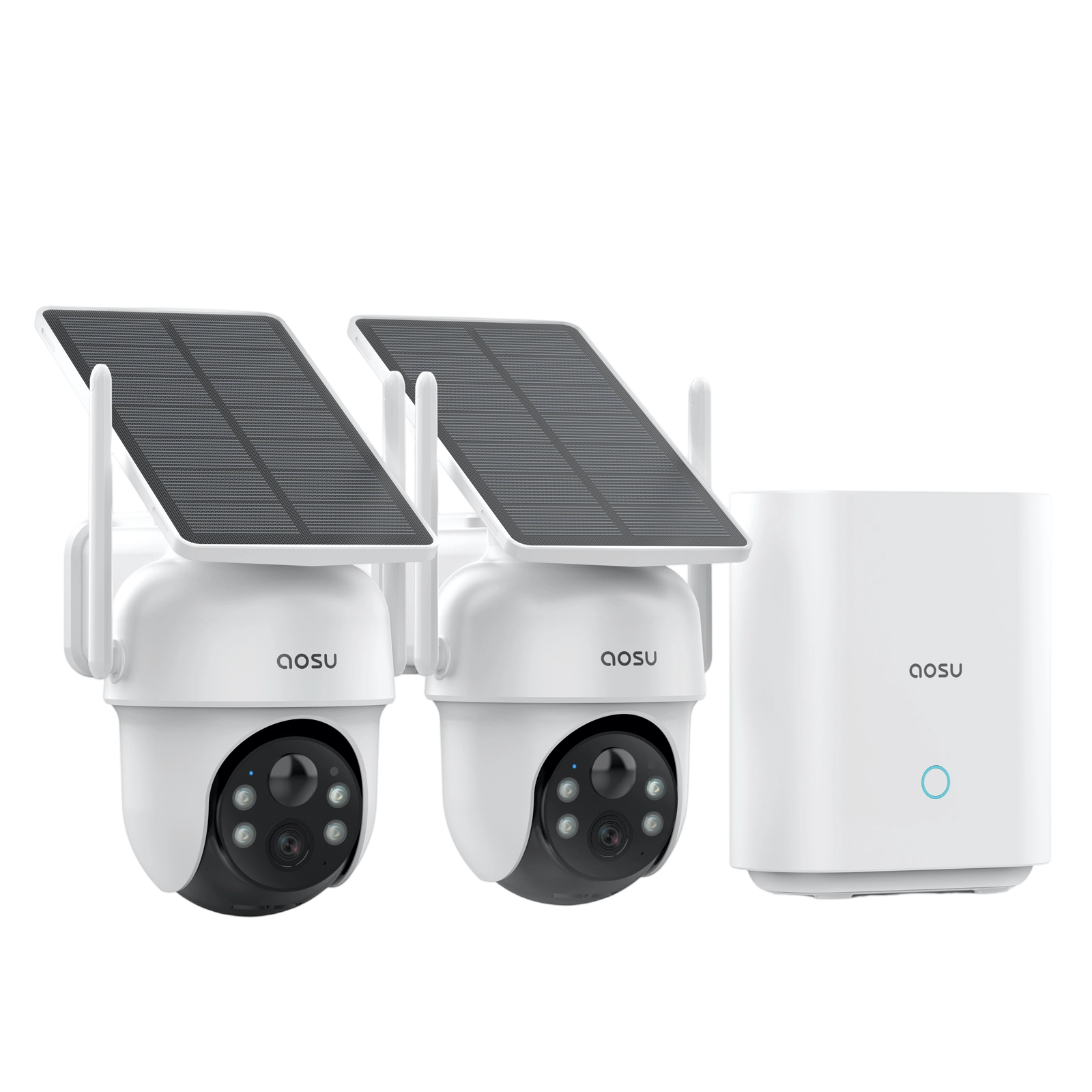
For heavily-secured full-home coverage, check out aosu's best seller kit: https://www.aosulife.com/products/solarcam-d1-classic-kit