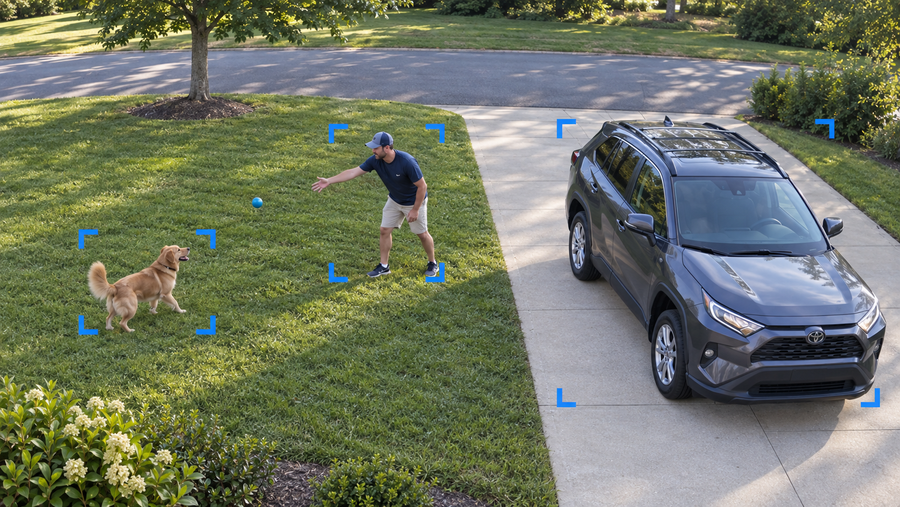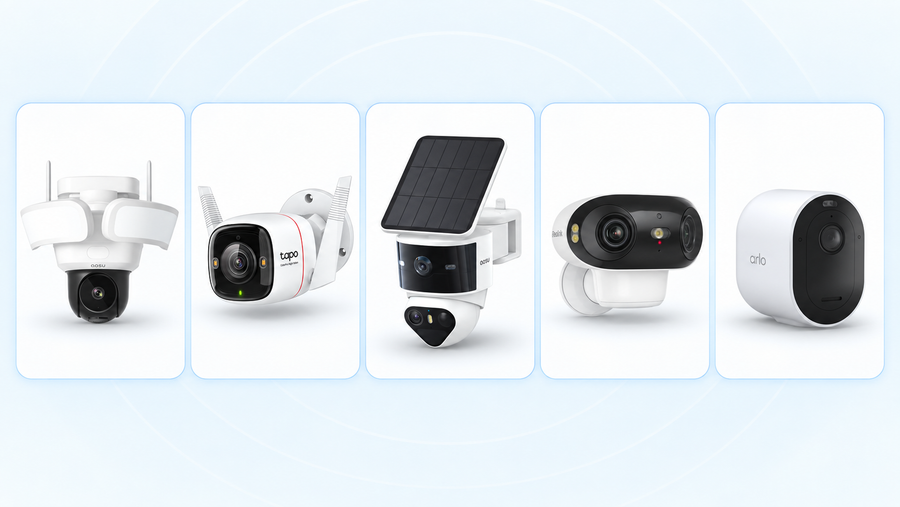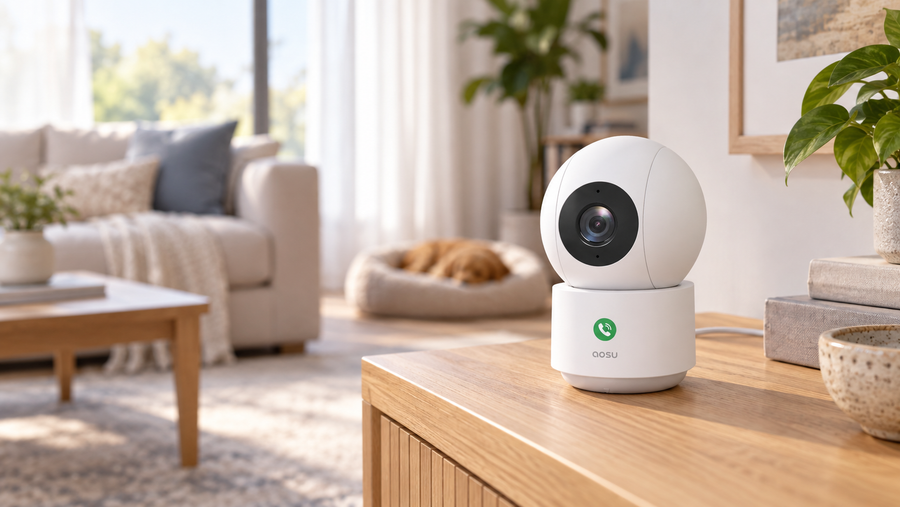



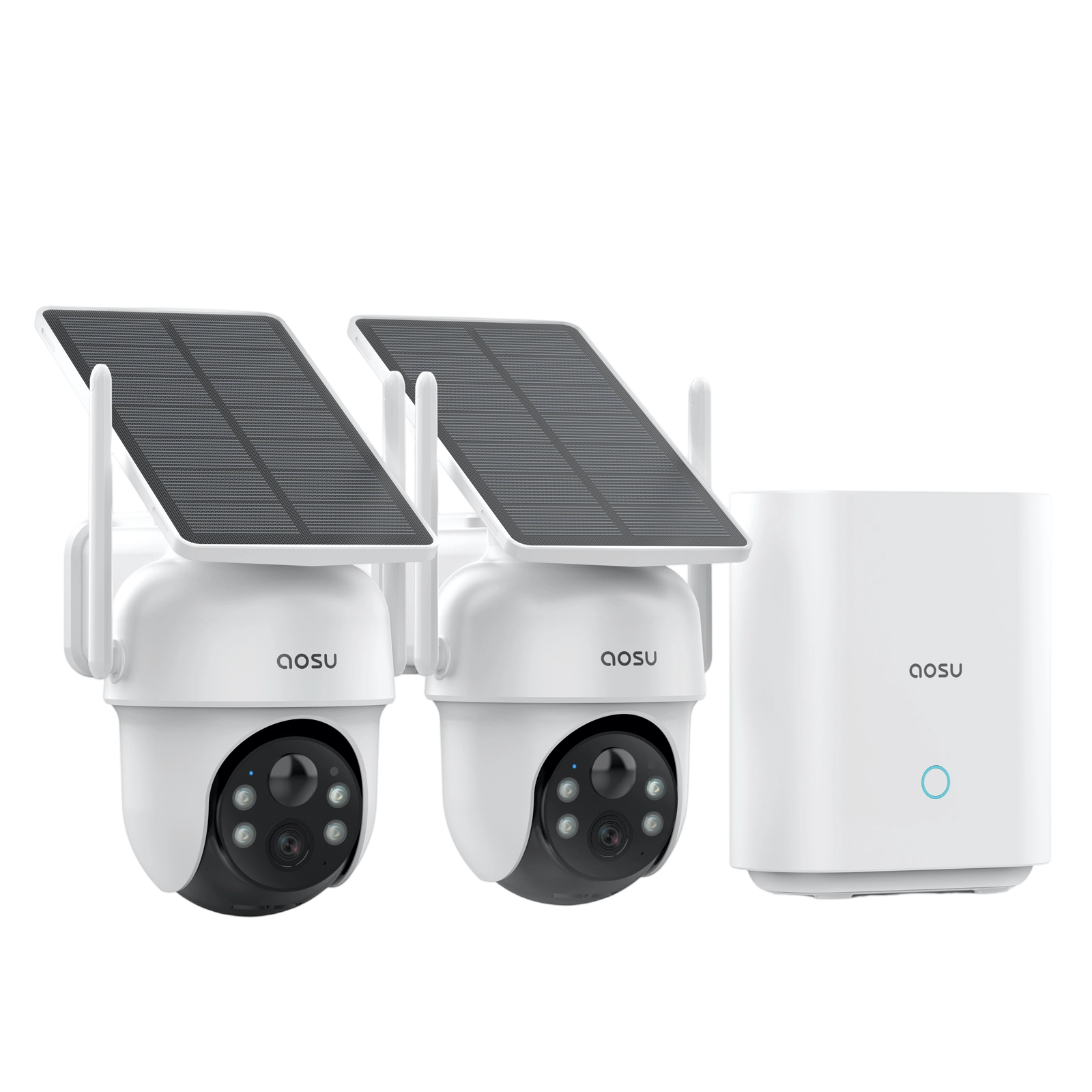
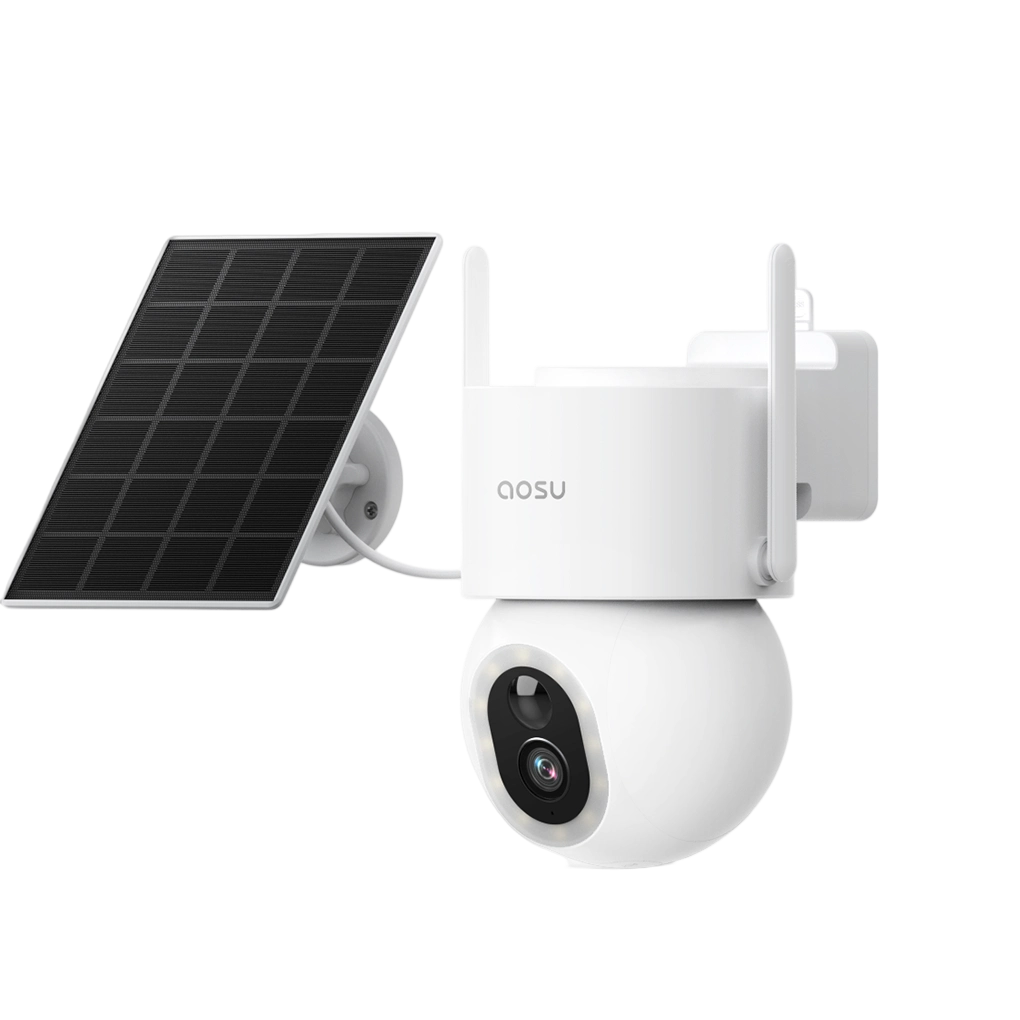
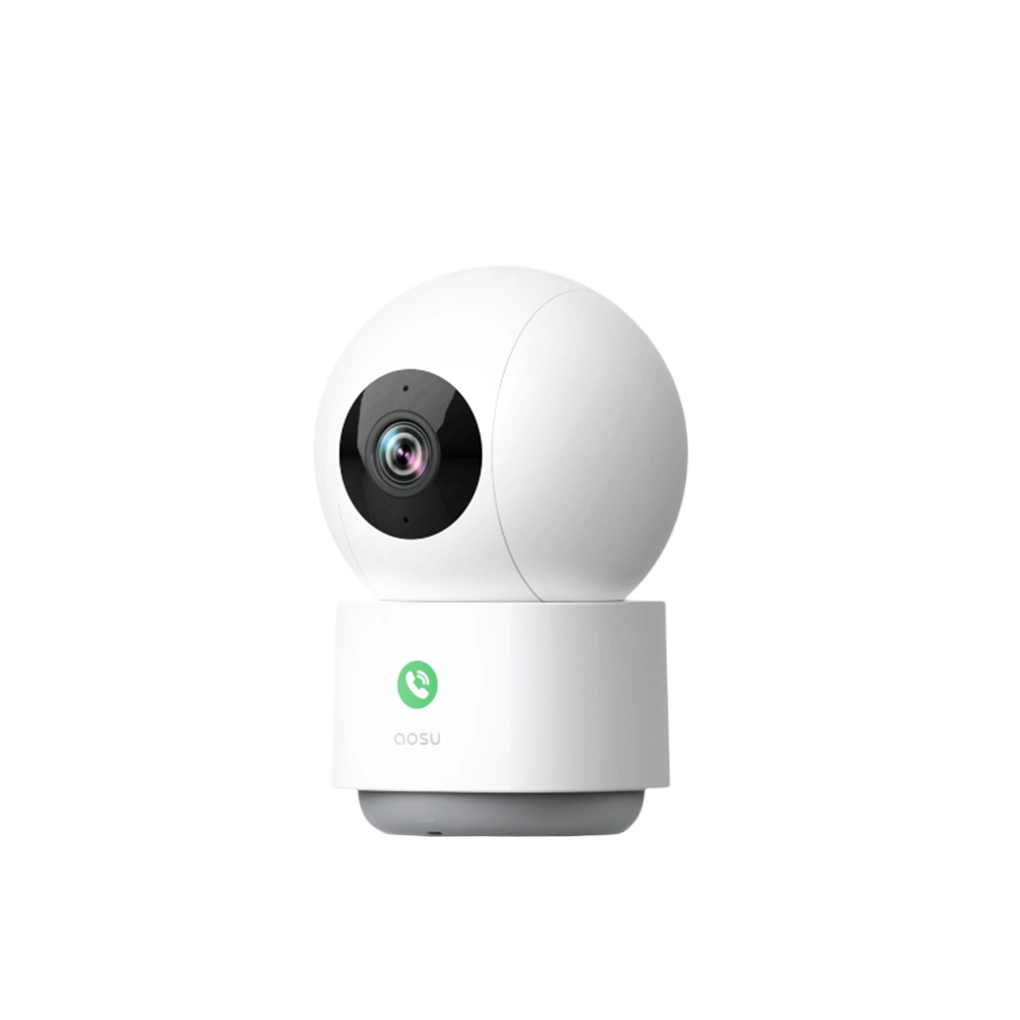
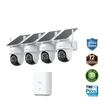
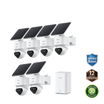
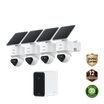
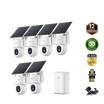
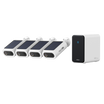

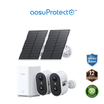
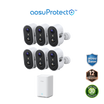
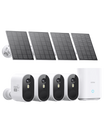
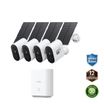
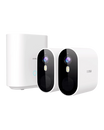
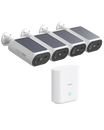
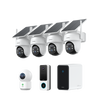
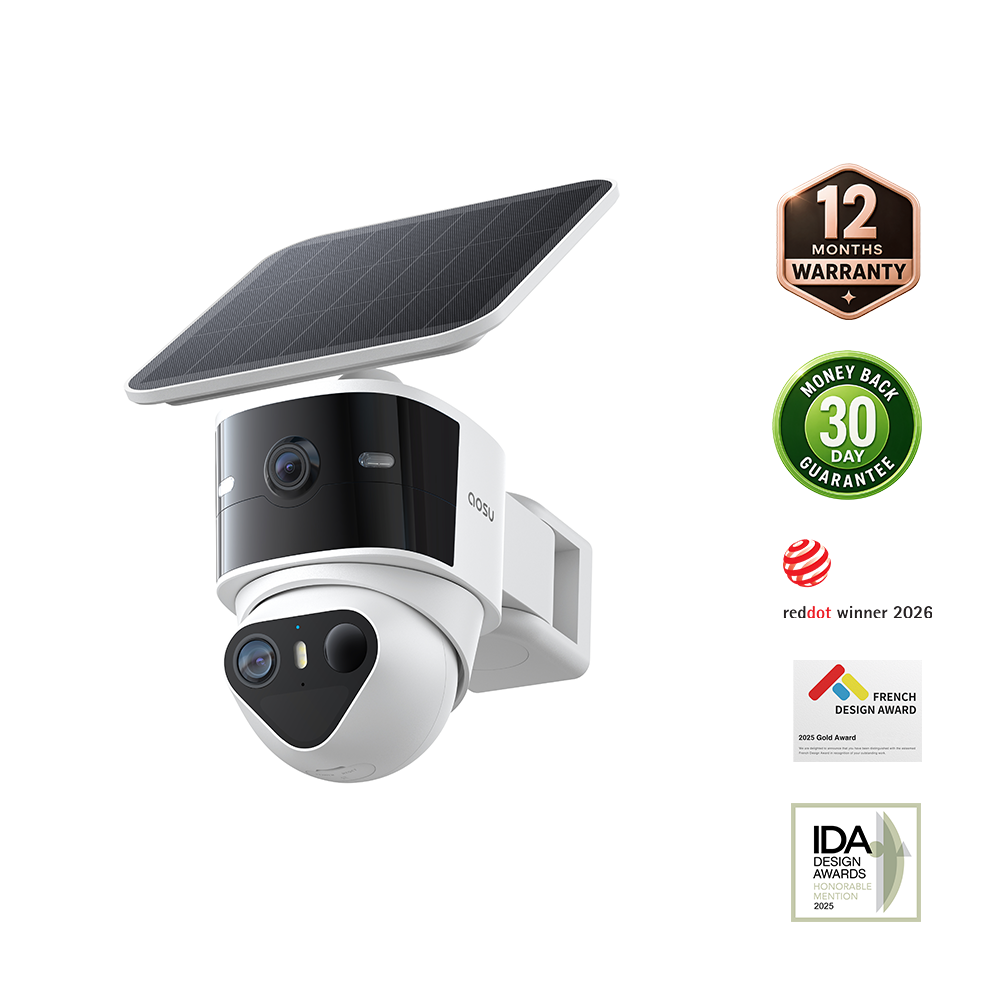
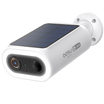
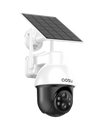
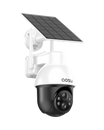
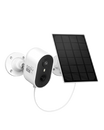
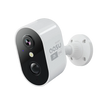
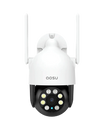
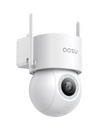
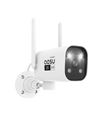


The best 360-degree outdoor wireless security camera depends on how and where you need it to record. The aosu SolarCam T2 is the strongest option here for solar monitoring that keeps a wide view and a closer telephoto view on screen together. The other picks prioritize plug-in 24/7 Wi-Fi recording, higher-end solar features, stable PoE recording, or 4G connectivity for locations without dependable Wi-Fi.
Start with the coverage and recording method you need, then compare image detail, tracking, night vision, power, connection, and storage.
Best 360 Security Cameras at a Glance
Start with the Best for column, then compare power, recording method, and price.
| Camera | Best for | Power and connection | Recording and storage | Main reason to choose it |
|---|---|---|---|---|
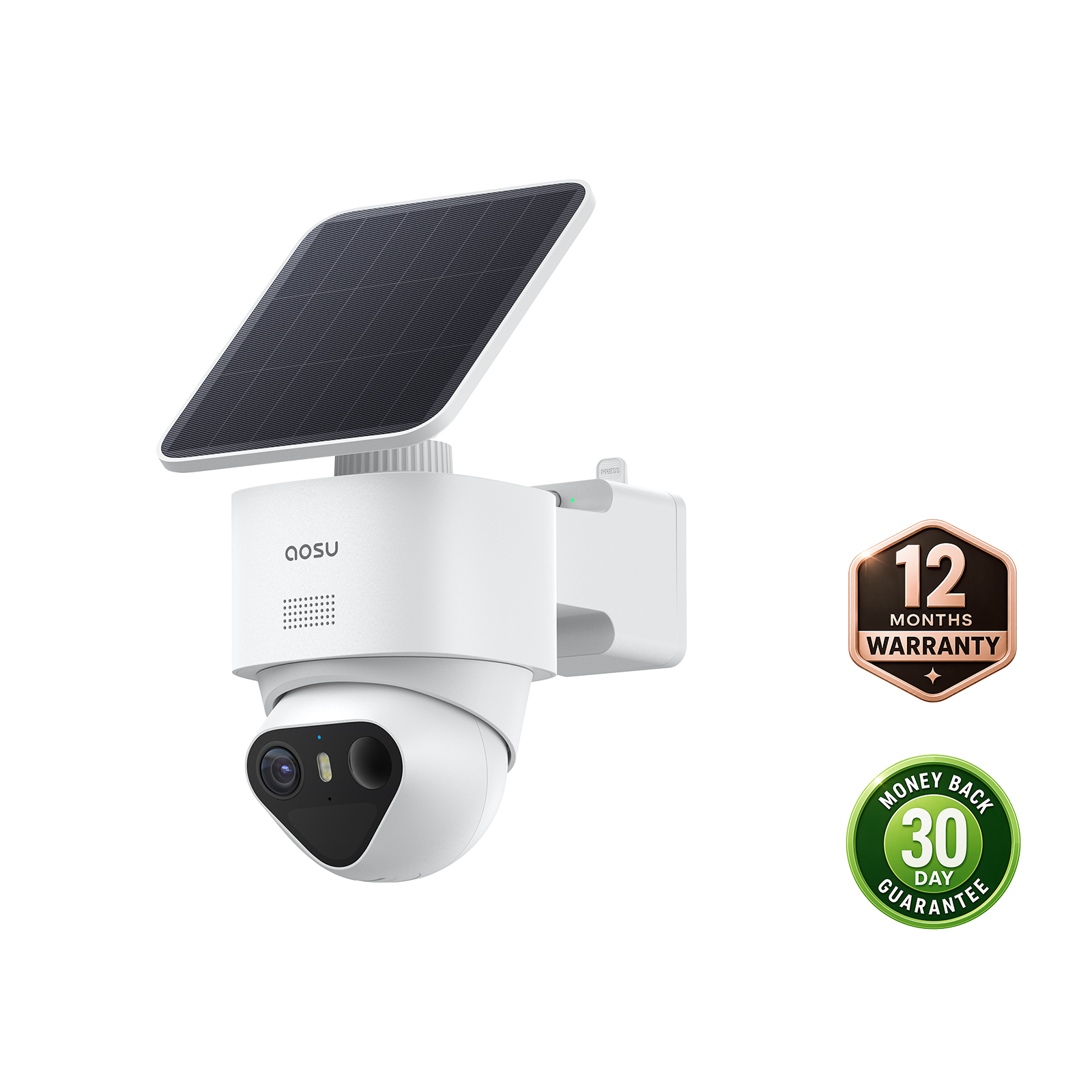
| aosu SolarCam T2 | Wide context and distant detail | Solar battery camera; Wi-Fi | Event video, Always Ready Vision, five-minute snapshots, SD card or optional cloud | Separate wide and telephoto 3K views appear together |
| Tapo C560WS | Plug-in Wi-Fi PTZ | 12 V plug-in power; Wi-Fi 6 or Ethernet | 24/7 or event video; microSD or optional cloud | Conventional 4K PTZ coverage with constant power and flexible networking |
| aosu T2 Ultra | Higher-end solar PTZ | Detachable solar panel; Wi-Fi | Event video; microSD, optional cloud, or aosuBase storage | 4K PTZ with two full-color night modes and radar-plus-PIR detection |
| Reolink TrackMix PoE | Wired 24/7 recording | PoE or 12 V DC; Ethernet | Event, scheduled, or 24/7 video; microSD, Home Hub, or NVR | 4K dual-lens tracking with stable wired recording |
| eufy 4G LTE Cam S330 | Locations without dependable Wi-Fi | Solar battery camera; 4G LTE or Wi-Fi | Event video with included microSD; optional cloud | Cellular connectivity for remote properties and worksites |
What Matters Most in a 360-Degree Outdoor Security Camera
Focus on six details: how the camera covers the scene, how much useful detail it records, what happens between alerts, how tracking and night vision work, how it is powered, and where footage is stored.
1. Coverage behavior: A rotating lens can follow activity, while a fixed overview keeps the wider scene visible. Dual-view systems can provide both at once.
2. Useful image detail: Resolution, lens arrangement, frame rate, and zoom type determine how much usable detail reaches the recording.
3. Recording method: Continuous video, motion clips, low-power readiness streams, interval snapshots, and time-lapse-style capture produce very different timelines.
4. Tracking and night coverage: Detection type, tracking behavior, secondary views, illumination, and night modes affect what the camera records after dark.
5. Power and connectivity: Solar, battery, plug-in, PoE, Wi-Fi, Ethernet, and cellular models each fit different mounting locations.
6. Storage and total cost: Local storage, hubs, NVR support, cloud plans, cellular service, and additional hardware all affect the final setup and cost.
Best 360-Degree Outdoor PTZ Cameras by Use Case
These five picks cover the main outdoor PTZ installation paths: solar, plug-in Wi-Fi, PoE, and cellular. Choose by power and recording needs first, then compare image detail, tracking, and night coverage.
aosu SolarCam T2 — Best for Wide Context and Distant Detail
Best for: long driveways, broad yards, vehicle areas, detached buildings, and other places where activity may happen well beyond the porch.
SolarCam T2 uses separate 3K wide and 3K telephoto lenses. Both feeds appear together in the app, so the wide view can preserve the route around an event while the 8 mm telephoto view gives a closer look at the distant subject. Either feed can be enlarged within the 1–8x hybrid zoom range.
The solar-powered outdoor PTZ camera can rotate through a full 360 degrees and track movement. Always Ready Vision keeps an energy-saving visual stream active at about one frame per second so normal event recording can begin sooner, while All Day Snapshots saves one still image every five minutes for a broader timeline.
Related links:
· See how the SolarCam T2 dual-lens security camera works

Tapo C560WS — Best Plug-In Wi-Fi PTZ
Best for: homes and small businesses that want 4K, 24/7 local recording, and automatic tracking without running PoE.
The C560WS is a conventional single-lens PTZ camera powered by a 12 V adapter. It records in 4K at up to 25 frames per second, provides 360-degree pan coverage, and can track people, pets, and vehicles. It connects over 2.4 GHz or 5 GHz Wi-Fi 6, with Ethernet available when a wired network connection is more practical.
For local recording, it supports microSD cards up to 512 GB and can record continuously. RTSP and ONVIF add flexibility for compatible systems. It needs access to an outlet, but constant power makes it better suited to complete 24/7 timelines than a battery or solar camera.

aosu T2 Ultra — Best Higher-End Solar PTZ
Best for: buyers who want a well-rounded 4K solar PTZ camera with strong full-color night coverage and more advanced detection features.
T2 Ultra records at 3840 × 2160 and 15 frames per second. TrueColor Night Vision uses visible illumination for vivid color, while Covert Full-Color Mode provides a more discreet full-color option. PIR plus dual 60 GHz radar adds another detection layer, and the detachable solar panel can attach to the camera or mount separately with its 3 m cable.
Standalone storage can use microSD or optional cloud service. An aosuBase bundle adds built-in 32 GB eMMC storage and support for an external 2.5-inch HDD or SSD.
Related links:
· Read the aosu T2 Ultra specifications
· View the aosu T2 Ultra product page

Reolink TrackMix PoE — Best for Wired 24/7 Recording
Best for: properties where continuous recording, stable networking, and NVR integration matter more than wire-free installation.
TrackMix PoE records up to 4K at 25 frames per second and combines a wide lens with an 8 mm telephoto lens for a 6x hybrid zoom view. It provides 355-degree pan, 90-degree tilt, and tracking for people, vehicles, and animals.
TrackMix PoE supports scheduled, motion-triggered, or 24/7 recording to microSD, a Reolink Home Hub, or an NVR. Installation requires either PoE over Ethernet or a separate 12 V DC power connection.

eufy 4G LTE Cam S330 — Best for Locations Without Wi-Fi
Best for: remote gates, farms, construction sites, cabins, and other locations where Wi-Fi is weak or unavailable.
The S330 combines a 4K camera, solar charging, pan-and-tilt viewing, person and vehicle tracking, and the ability to use either 4G LTE or Wi-Fi. It includes a 32 GB microSD card for local event storage and can use a spotlight for color night footage.
Cellular operation requires compatible mobile service and an ongoing data plan. The S330 is built for event-focused remote monitoring, with local clips available even where a normal Wi-Fi connection is unavailable.

How to Choose the Right Outdoor PTZ Camera
Start with recording mode, power, and coverage behavior. Once those fit the location, compare resolution, zoom, tracking, and night vision.
Choose solar for difficult-to-wire event monitoring
· Useful for driveways, yards, gates, and detached areas
· Check seasonal sunlight and Wi-Fi at the mounting point
· Best suited to event video, snapshots, and low-power timeline modes
Choose PoE or plug-in power for 24/7 video
· Provides continuous power for a complete video timeline
· PoE combines power and data in one Ethernet cable
· Plan recorder capacity and backup power before installation
Choose dual views when context matters
· A fixed or wide view can preserve the overall route
· A second PTZ or telephoto view can follow closer detail
· This avoids relying on one moving view for every question
Check the zoom type for distant detail
· Optical, telephoto-assisted, hybrid, and digital zoom produce different levels of distant detail
· A separate telephoto image can start with more subject detail than a crop of a wide view
· Mounting distance, lighting, angle, and movement still affect the result
Choose cellular for locations without dependable Wi-Fi
· 4G can connect remote locations without usable Wi-Fi
· Confirm local carrier coverage before mounting
· Include the SIM and data plan in the total cost
Decide where footage should live
· Compare microSD, base-station, NVR, and optional cloud storage
· Check what happens if the camera or internet connection is lost
· Confirm playback, export, and subscription requirements
Related links:
· Compare security-camera storage methods
· Plan the camera views your home actually needs
How 360-Degree PTZ Coverage Works
For an outdoor PTZ camera, 360-degree coverage usually describes the area the camera can inspect as it rotates around its mount. Some models use one moving lens, while others pair the PTZ view with a fixed overview. Check both the mechanical pan range and the total coverage of the complete system: a PTZ mechanism may list 339 or 355 degrees of movement while a fixed secondary view covers more of the scene.
A moving camera can turn toward activity, follow a route, or patrol several positions. Physical obstructions such as walls, trees, fences, vehicles, and building corners still create blind spots. Use a fixed overview, a dual-view design, or more than one camera when separated areas need to remain visible together.
A rotating PTZ view is useful for
· Inspecting a broader area around one mounting point
· Turning toward detected movement
· Following a subject across part of the property
· Checking preset positions or running a patrol on supported models
Add another view when you need
· Two directions visible at the same time
· Coverage around walls, trees, vehicles, or building corners
· A permanent overview while the PTZ lens follows activity
· Continuous visibility across several separated areas
Related links:
· Learn how wide-angle and PTZ views work together
· See whether one PTZ camera can replace several fixed cameras
To Wrap Up
The best 360 security camera is the one that matches what you need to see and how you want to record it. SolarCam T2 keeps wide context and telephoto detail together, while Tapo C560WS provides a conventional 4K PTZ view with plug-in power and continuous local recording.
Choose T2 Ultra for a higher-end solar setup with strong full-color night coverage, TrackMix PoE for stable wired 24/7 recording, or eufy 4G LTE Cam S330 when dependable Wi-Fi is unavailable.
Before buying, verify the actual mechanical movement, recording mode, power source, storage requirements, and recurring costs. Those details determine whether a 360 wireless security camera will produce the footage you expect after it is installed.
FAQs
What is the best 360 security camera for a home?
The aosu SolarCam T2 is our solar pick when you want a wide scene and a separate telephoto view together. Choose Tapo C560WS for plug-in Wi-Fi and continuous local recording, Reolink TrackMix PoE for a wired 24/7 system, or eufy 4G LTE Cam S330 for locations without dependable Wi-Fi.
Can a 360-degree outdoor security camera see every direction at once?
A single PTZ lens looks in one direction at a time as it rotates. A fixed overview, multi-lens design, or additional camera keeps separated areas visible together.
Can a wireless outdoor PTZ camera record 24/7?
Continuously powered Wi-Fi cameras can record 24/7. For battery and solar cameras, check whether 24/7 refers to full video, interval images, or a low-frame-rate readiness stream.
Is a PTZ camera better than several fixed cameras?
A PTZ camera is useful for following movement and inspecting a broad area from one mounting point. Several fixed cameras are better when multiple directions must remain visible at the same time. Dual-view systems combine some of both approaches by keeping an overview while a second view tracks detail.
Do outdoor PTZ cameras require a subscription?
Many outdoor PTZ cameras don't require a subscription. They can store footage on a microSD card, local base station, or NVR. Cloud storage, cellular data, expanded storage, and some advanced AI features may add separate costs.