































Did the sprinklers run this morning? When did the rain arrive? How much afternoon sun reached the garden? These are useful things to know about your home, even when they do not create a motion event you want your camera to record.
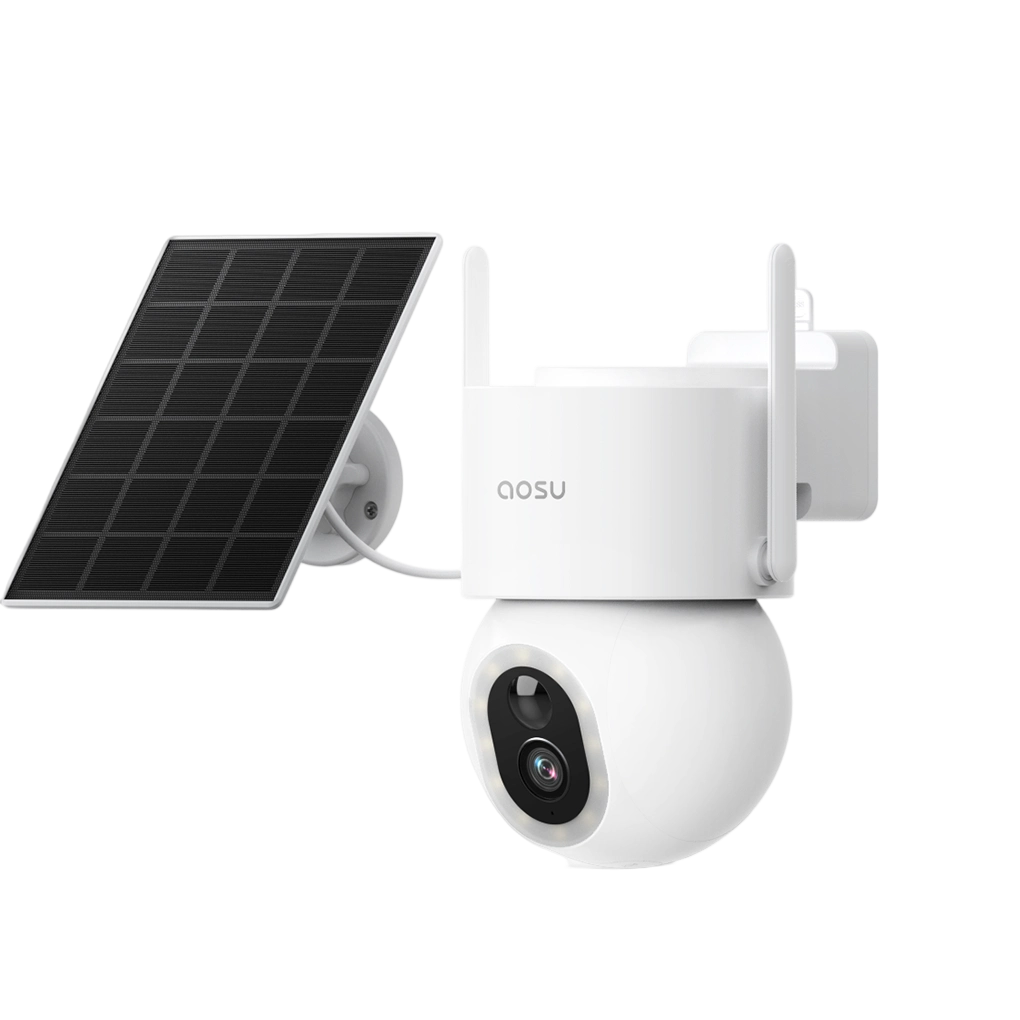
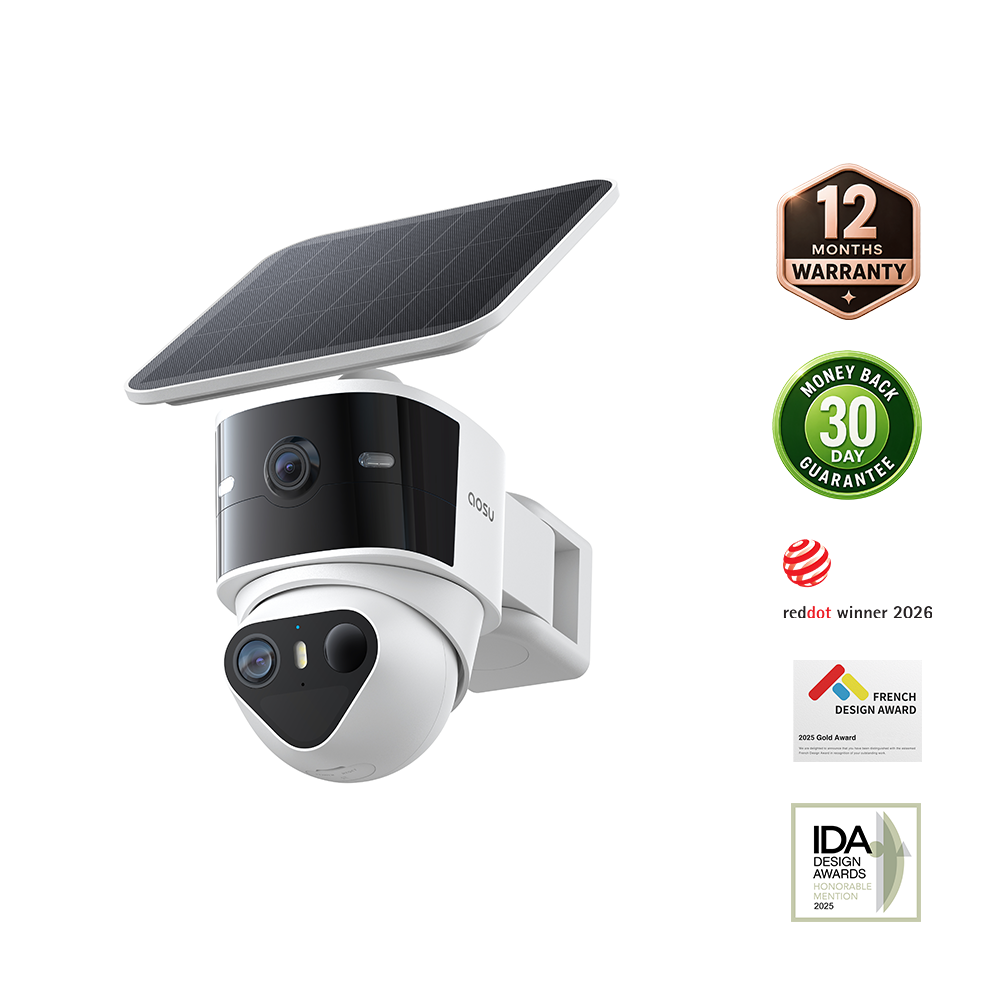
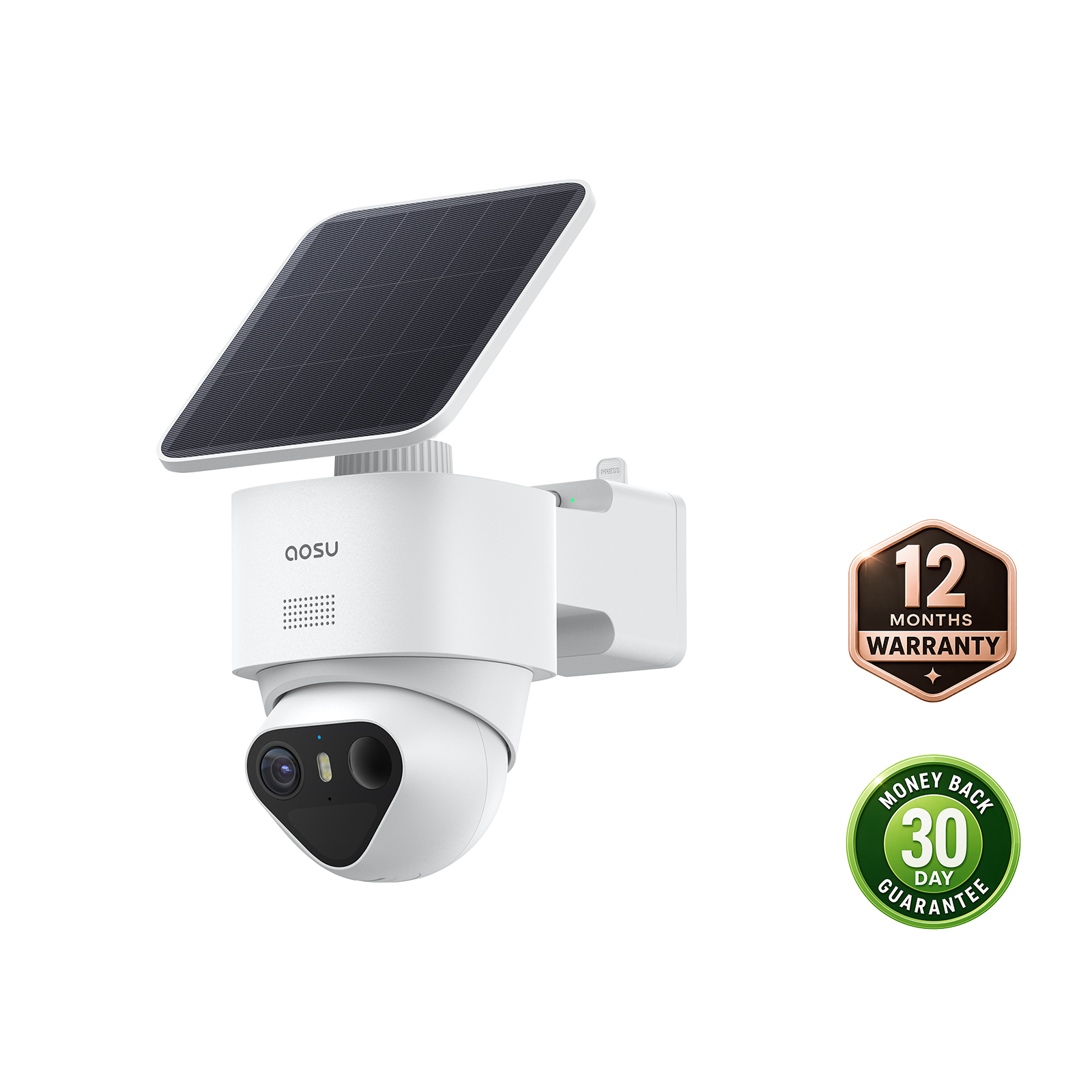
SolarCam T2 All Day Snapshots adds that everyday context to your motion recordings, bringing both together in a condensed review of your day.
How All Day Snapshots Brings Your Day Together
SolarCam T2 continues to record motion events. All Day Snapshots saves a still image every five minutes, adding views of the scene between those recordings.
As you watch the combined replay, you will notice the pace change. A back yard can move from evening through darkness to morning in a short stretch of playback. When the review reaches a recorded event, such as someone walking into the view, it shows normal-speed, full-frame-rate video of that activity. Then the faster snapshot sequence continues.
A sample SolarCam T2 day review showing the a backyard view. People are blurred and the video speed is 5x in this edited sample.

Five-minute snapshots and normal-speed motion video appear in the same day review. Illustrative sequence.
See Changes That Do Not Need a Motion Alert
An event-only history tells you about the activity selected by your detection settings. Snapshots add information about changes you would not necessarily want to turn into recorded events or phone alerts:
| What you want to check | What snapshots can add |
|---|---|
| Rain | An approximate view of when visible rain or wet conditions appeared and how the scene changed afterward. |
| Wind | Changes in trees, plants, or loose garden items that help you spot when windy conditions affected the area. |
| Sprinklers | Views of visible spray or watering that help you estimate when the sprinklers ran and for roughly how long. |
| Sunlight and shade | A quick look at when sunlight reached a flowerbed, when the patio became shaded, and how that changed across the day. |
| Animals with person-only detection | A glimpse of an animal present at a snapshot moment, even when animal activity is outside the events you selected for recording. |
Catch Up on the Day in a Few Minutes
Sometimes you simply want to catch up. You have been out all day, or you are away from home, and a few minutes watching the replay can give you a reassuring sense of how things looked.
A recorded visit to the garden might show someone tending to plants. The surrounding snapshots put that visit in context: perhaps the afternoon stayed sunny, or rain moved in soon afterward. You can see how an individual event fits into the day, without needing a particular concern to investigate.
Use the Day Review to Investigate a Change
If you come home to a wet patio and wonder what happened, the day review can help you work back to when it changed.
Look for the last snapshot where the patio was dry and the first where it appears wet. Around that time, visible rain or sprinkler spray may offer an explanation. A motion clip of someone using a hose could answer the question too.
The surrounding snapshots can also help you estimate how long rain or watering remained visible. Wet ground alone does not tell you whether water was still falling. Use the timestamps to narrow down the timing, allowing for the five-minute intervals between stills.
Two Other Ways Snapshots Can Help
An extra clue if a motion event was missed
In the rare case that a motion event was missed, snapshots may still provide a useful clue. If a package disappears but there is no recording of someone taking it, images showing it present and then absent can help narrow down when it disappeared. You would normally look to the motion recording to see the removal itself.
A reason to revisit your detection settings
Suppose you use person-only detection or low sensitivity, and the day review shows a snapshot or two of an animal you would have liked to record in full. That can prompt you to reconsider your detection preferences. Adjust the relevant supported settings if you want that activity captured as an event, then check whether the results better match what matters to you.
A Broader Day Review, Built from Stills and Event Video
The combined replay is not a conventional 24-hour archive of full-frame-rate video: quiet periods contain sampled stills, so activity between them may not be visible. Always Ready Vision has a separate role, helping event recording begin sooner through a low-power readiness stream that is not saved.
Related links:
· See how motion events, continuous video, and Always Ready Vision differ
· Explore the SolarCam T2 feature overview
To Wrap Up
All Day Snapshots on SolarCam T2 makes a quick check-in more informative. Whether you want a reassuring overview or an answer to a specific question, it adds useful context around the motion events your camera records.
FAQs
Does All Day Snapshots replace motion-event recording?
No. SolarCam T2 still records motion events. The day review includes those recordings alongside the snapshots.
Why does the day review speed up and slow down?
Quiet periods use a fast sequence of stills. Recorded motion events play as normal-speed video before the snapshot sequence resumes.
What can All Day Snapshots show when there are no motion events?
Snapshots may show weather, watering, changing sunlight, or animals excluded by person-only detection. They provide glimpses at five-minute intervals, so brief activity may fall between images.