




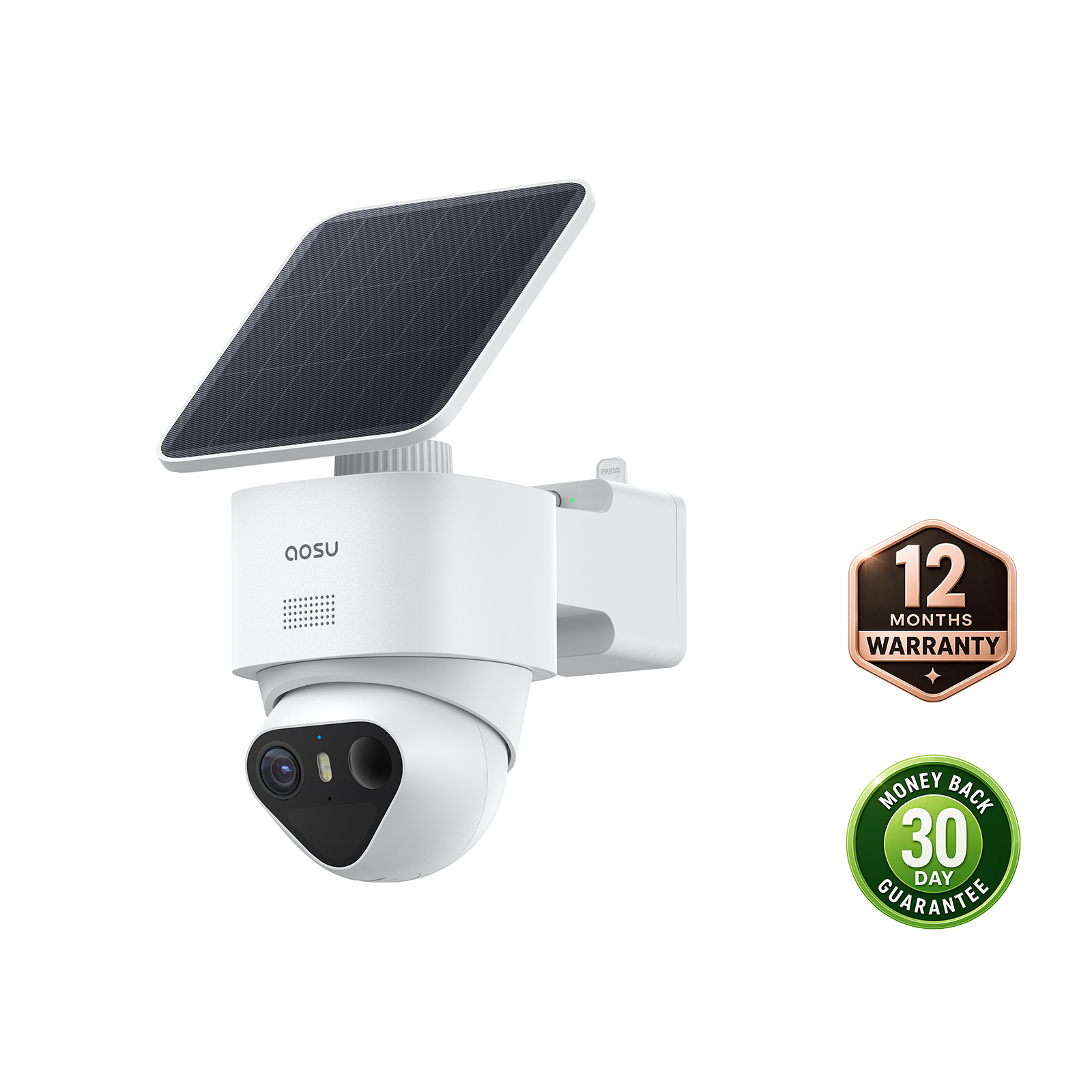


The Short Answer
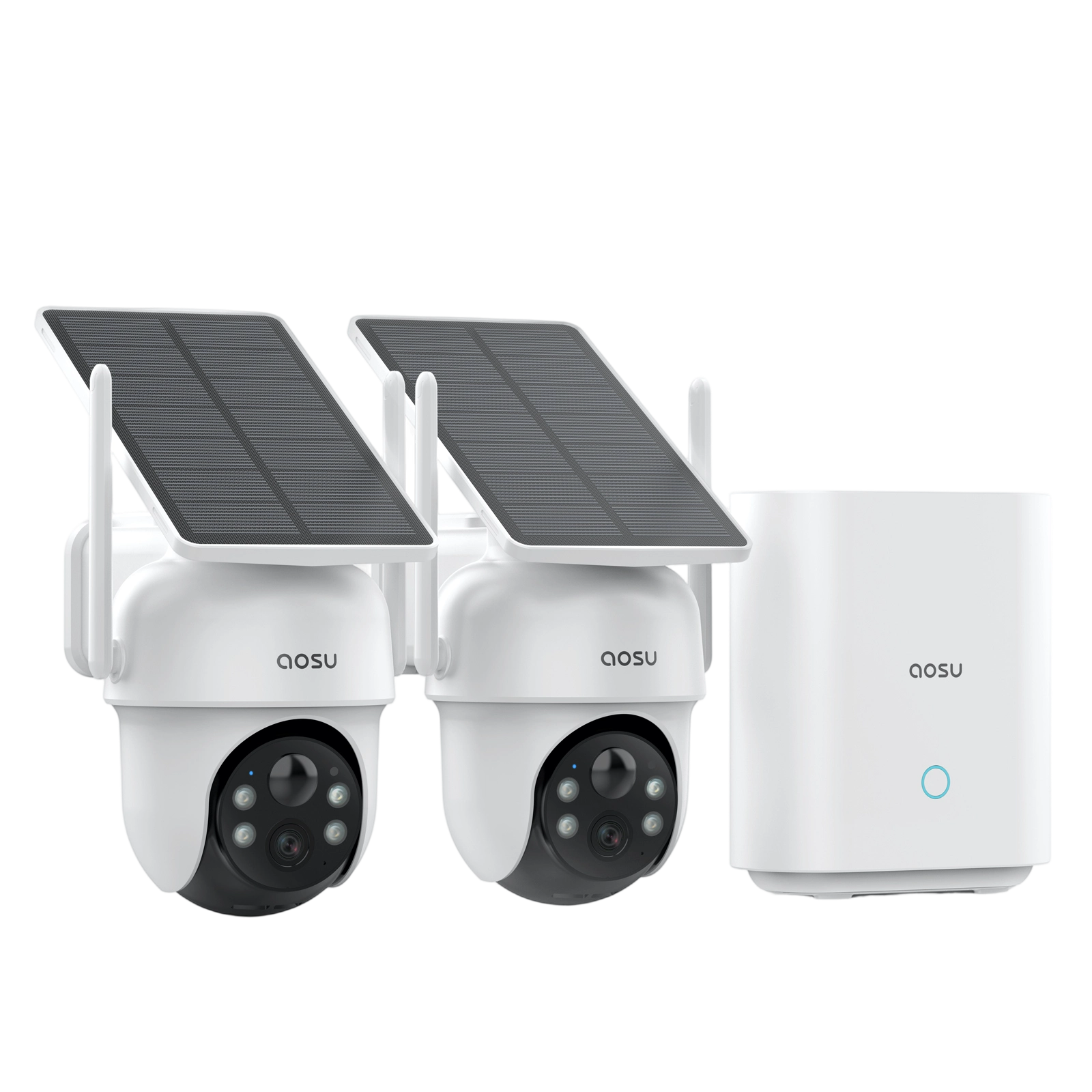
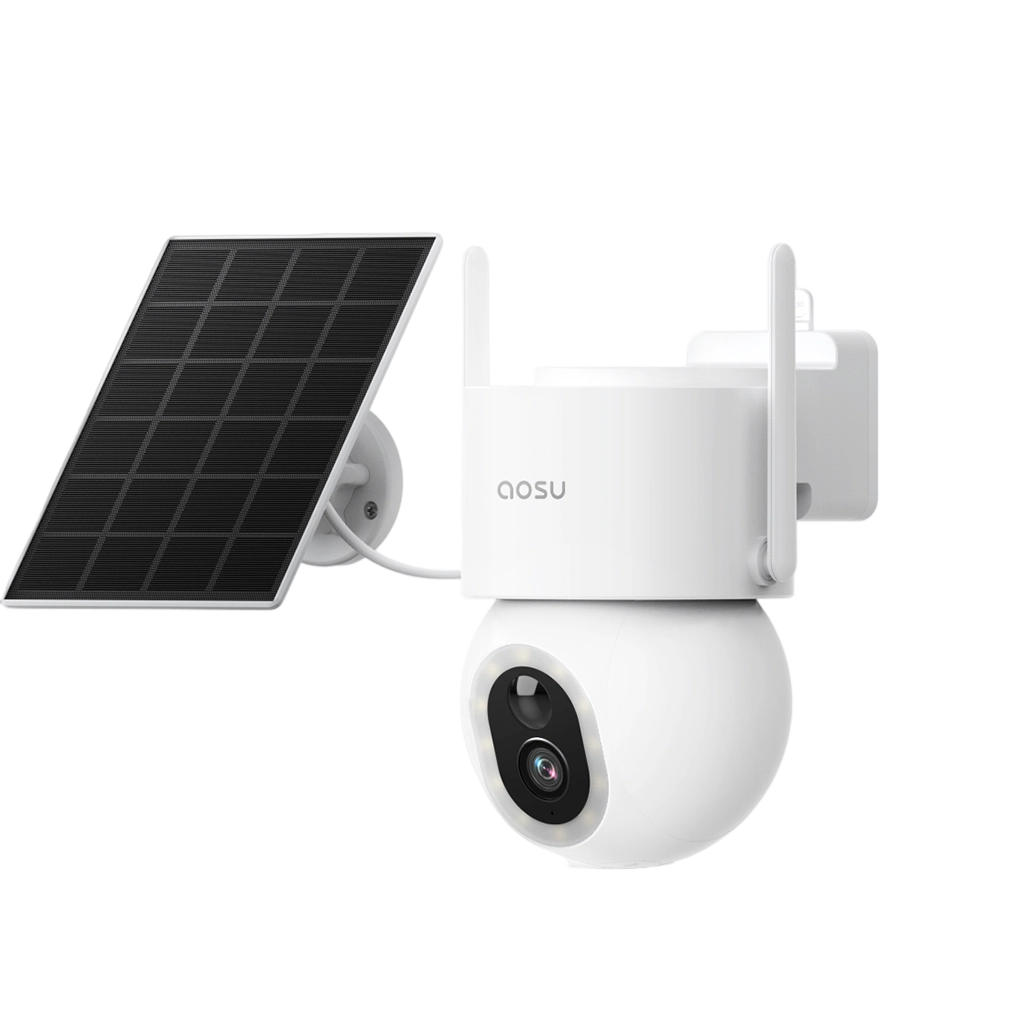
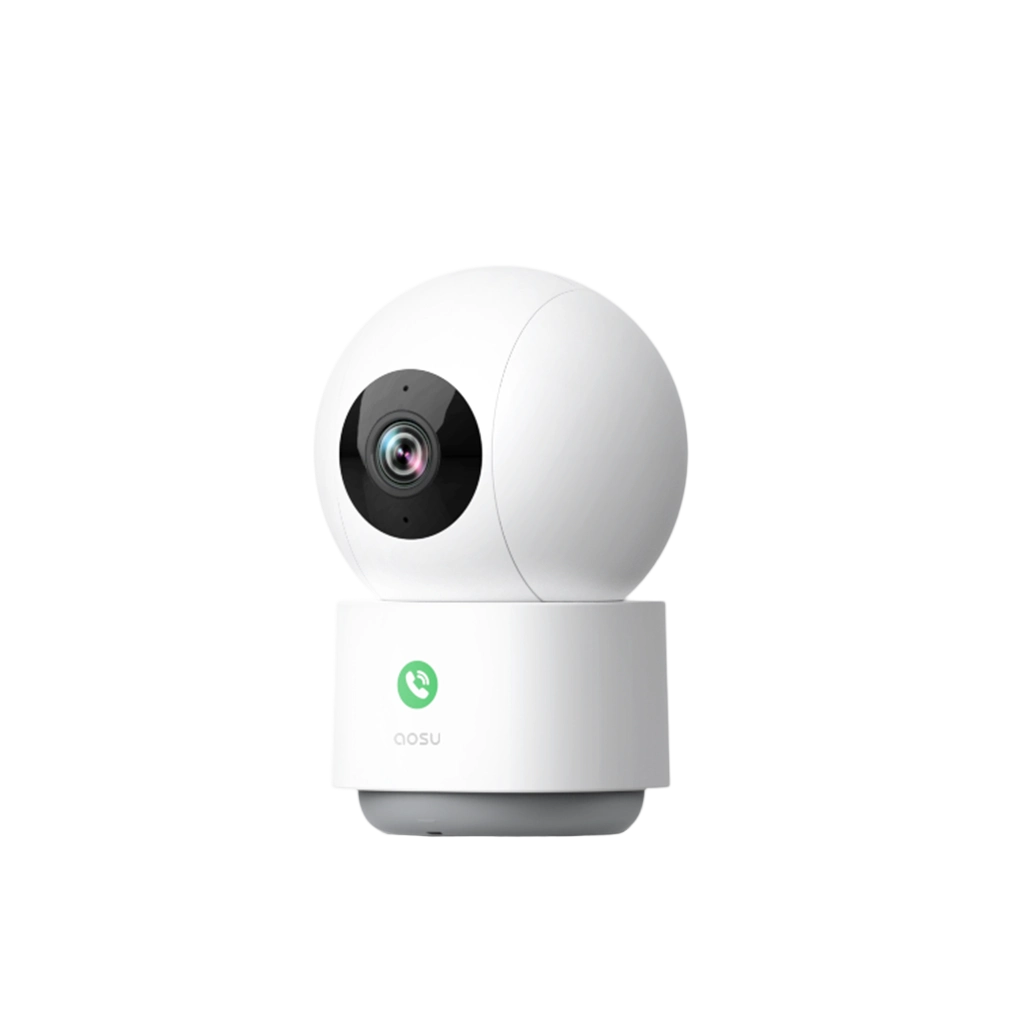
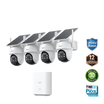
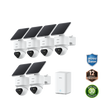
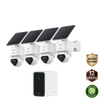
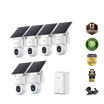
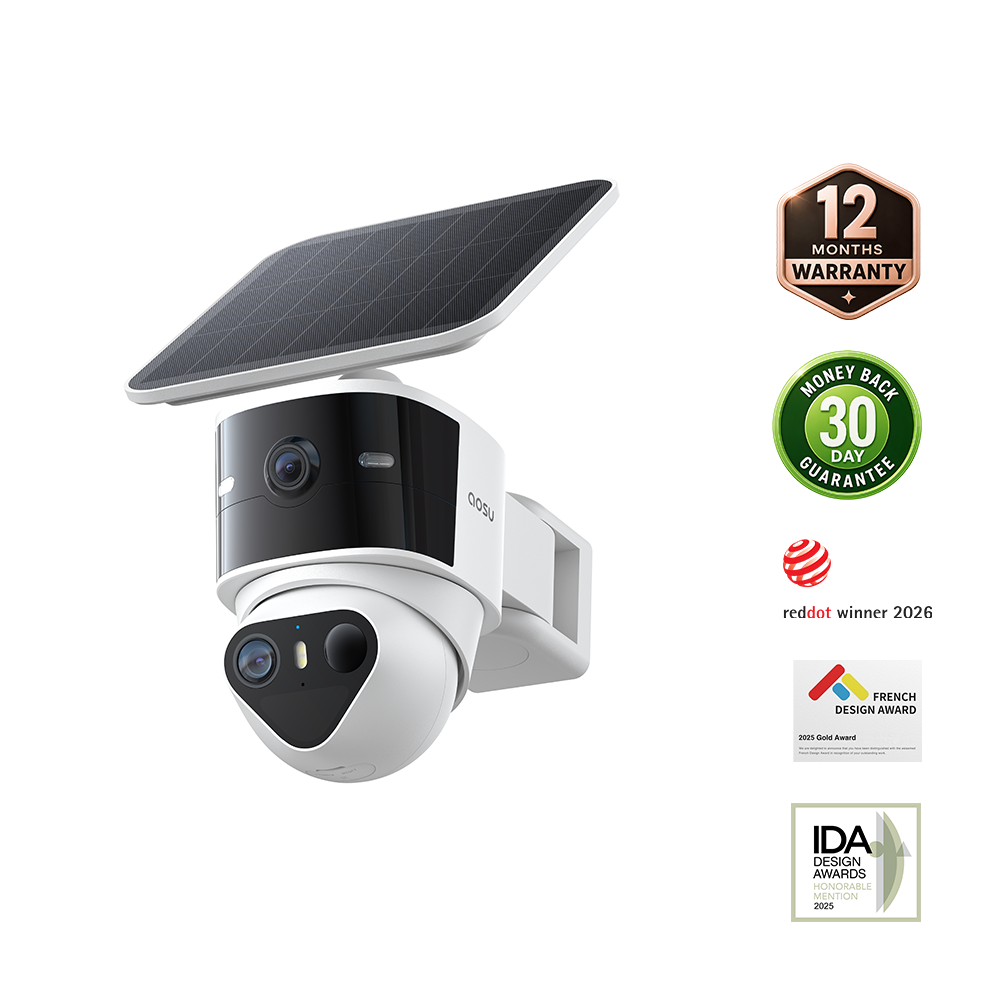
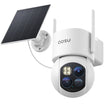
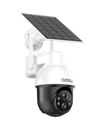
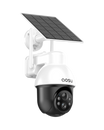
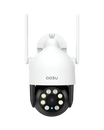
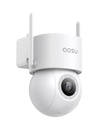
This guide focuses on one dual-camera design: a fixed wide view paired with a moving pan-and-tilt view, using aosu T2 Pro as an example. Other dual-lens cameras can combine their views differently.
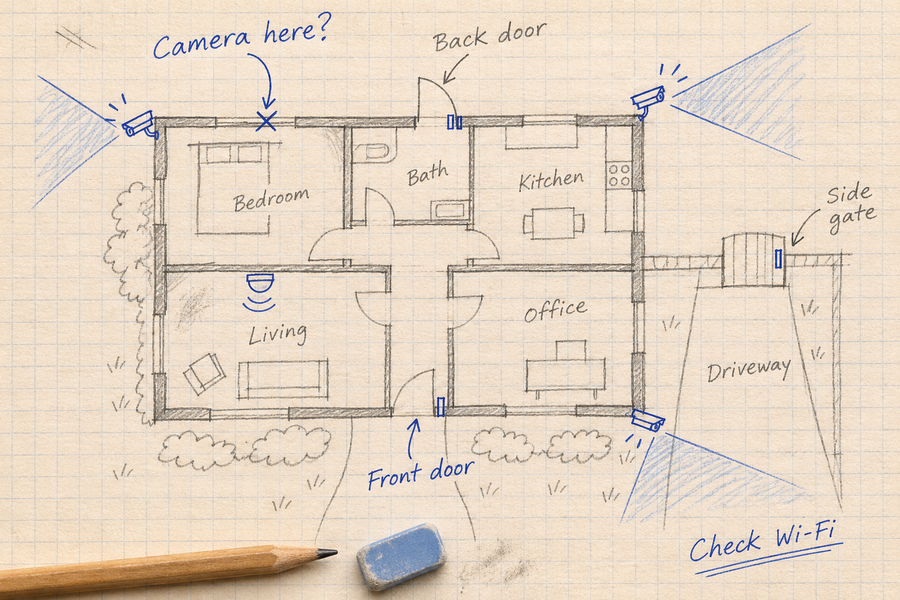
Two views can help preserve an overview while one camera follows activity. They still share one mounting location, so walls, vehicles and separate entrances can leave areas unseen. Start with the layout you need to cover before deciding whether one device is enough.
How a Dual-Lens Security Camera Works
In the design discussed here, one camera holds a fixed wide view while the other changes its viewing direction. Other two-camera designs may use different arrangements.
Depending on the model, the app may show both views at once, switch between them or offer tracking in the moving view. Confirm how each view is saved and played back rather than assuming that the live display establishes recording behavior.
For example, the fixed view may show a vehicle arriving while the moving view follows a person within its visible range. Whether either recording contains useful detail still depends on distance, lighting, lens characteristics and placement.

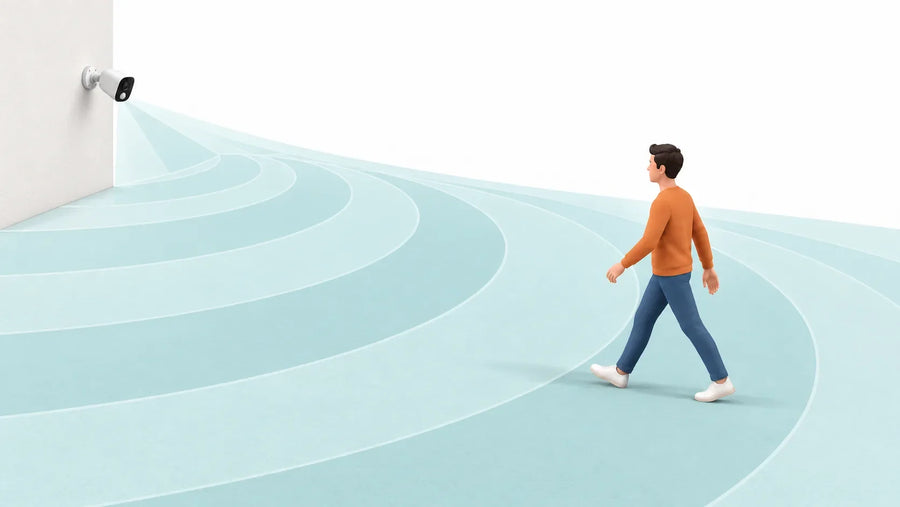
Illustration of a fixed overview and a moving view directed toward an area of interest. Useful detail depends on the actual installation and saved footage.
The Main Benefits of a Wide-Angle + PTZ Camera
A fixed overview can retain context while the moving view follows activity. The benefit depends on whether both views cover useful areas and save the footage you need.
Do not equate two lenses with complete coverage, simultaneous tracking of every subject or a guaranteed reduction in camera count.
What the Wide-Angle Lens Is Best For
Think of the wide-angle lens as the camera's memory of the full scene. It is there to show where motion started, where someone walked, whether a vehicle entered the frame, and what else was happening nearby.
This matters because security footage is often about context. A close-up clip may show a person, but the wide view helps answer practical questions: Did they come from the street? Did they approach the door? Did they leave a package? Did they walk toward the side gate?
A good wide-angle view is especially helpful for areas with multiple possible paths, such as a driveway that connects to a front walkway or a yard with more than one entrance.
What the PTZ Lens Is Best For
The moving camera changes the direction of its view. Whether it provides more useful detail depends on its lens, subject distance, lighting and saved recording.
Panning and tilting are different from optical zoom. Do not interpret the PTZ label as proof of a mechanically zooming lens. Check the exact model’s optical design and any digital enlargement separately.
Before relying on a close view, review an original event clip at the distance that matters. Enlarging a small subject on screen does not establish that identifying detail was captured.
The Extra Benefit: PTZ Can Look Around the Corner
A moving camera can turn toward a side approach only when that area is visible from its mounting position. Rotation cannot reveal activity behind an opaque wall, closed gate or other obstruction.
Before fixing the mount, check the complete route from both views. Test with garage doors, gates and parked vehicles in their normal positions. If a section remains hidden, use another camera position rather than expecting tracking to recover it.
A corner mount may help one device view two approaches, but it does not establish simultaneous detailed coverage of both.

Placement illustration. The moving camera can view the side approach only where the mounting position provides a clear line of sight.
Best Places to Use a Dual-Lens Security Camera
Assign a purpose to each view, then test the route where coverage matters.
| Layout | Fixed-view purpose | Moving-view purpose | When another camera may be needed |
|---|---|---|---|
| Driveway and front walk | Show the vehicle area and route toward the door | Follow activity within its visible range | A parked vehicle blocks the person |
| Front yard and side approach | Preserve the main approach view | Inspect a visible side route | The route disappears behind a wall |
| Garage entrance | Show arrivals and departures | Follow movement near the entrance | Two separate entrances need detailed coverage at once |
Test two people moving in different directions. Review the saved recordings from both views, rather than assuming the live display proves what was recorded. Repeat after dark with the intended lighting.

When a Dual-Lens Camera May Be More Than You Need
A dual-lens camera is useful, but it is not necessary for every location. If you are watching a narrow doorway, a small porch, or a simple indoor hallway, a single fixed camera may be cleaner and more cost-effective.
It may also be the wrong fit if the location is privacy-sensitive. A PTZ lens should not be used in a way that regularly points into a neighbor's private space, windows, or areas you do not need to monitor.
If you need constant close-up detail in two opposite directions at the same time, two separate fixed cameras may still be better than one moving lens.
Features to Check Before Buying
-
How both lenses record
Check whether both lenses can record useful footage, whether clips are saved separately, and how playback appears in the app.
-
PTZ tracking behavior
Look for clear controls, smooth movement, and tracking that follows people or motion without constantly jumping around.
-
Resolution for each lens
Do not assume both lenses have identical image quality. The wide view and PTZ view may have different strengths.
-
Night vision and lighting
Outdoor cameras need usable nighttime footage. Check whether the camera uses infrared, spotlights, color night vision, or a combination.
-
Storage options
Understand whether the camera stores footage on a card, home hub, NVR, cloud plan, or hybrid setup. Dual views can create more useful footage, but storage still matters.
-
Mounting height and power
A dual-lens camera needs a clear view for both the wide lens and the moving lens. Before installing, make sure the mount height, angle, Wi-Fi signal, and power source make sense.
Common Mistakes to Avoid
-
Using PTZ to fix poor placement
The moving lens helps, but it cannot fully rescue a camera mounted behind a tree, under a blocked eave, or too far from the area you care about.
-
Pointing the wide lens at too much street
A little street context can help, but your main view should still focus on your own property, entries, driveway, or yard.
-
Ignoring privacy boundaries
Avoid aiming the camera into neighbor windows, private yards, or spaces unrelated to your own home security.
-
Assuming one camera can cover everything
Dual-lens coverage is powerful, but large properties, separate entrances, and hidden side paths may still need more than one camera.
To Wrap Up
Choose the mounting point before choosing the camera count. Confirm that the fixed view covers the main route and that the moving view can see the intended secondary area without obstruction.
Review the aosu T2 Pro layout and current configuration options, then test saved footage from both views. Use an additional position where a hidden route or simultaneous activity would otherwise leave an important gap.
FAQs About Dual-Lens Security Cameras
What is a dual-lens security camera?
A dual-lens security camera uses two camera views in one device. This guide focuses on a fixed wide view paired with a moving pan-and-tilt view. Other designs may combine their views differently, and a PTZ label alone does not establish mechanical optical zoom.
Is a dual-lens security camera better than a single-lens camera?
It can be better for wide areas where you need both context and close-up detail. For small or narrow spaces, a single fixed camera may still be enough.
Does a PTZ camera still need a wide-angle lens?
Not always. A separate fixed overview can retain context while the moving view points elsewhere, but both views remain limited by their sightlines and recording behavior.
Where should you install a dual-lens security camera?
Good locations include driveways, front yards, side gates, detached garages, and other areas where movement can come from more than one direction. Check the actual routes, obstructions and simultaneous activity before relying on one mounting position.