


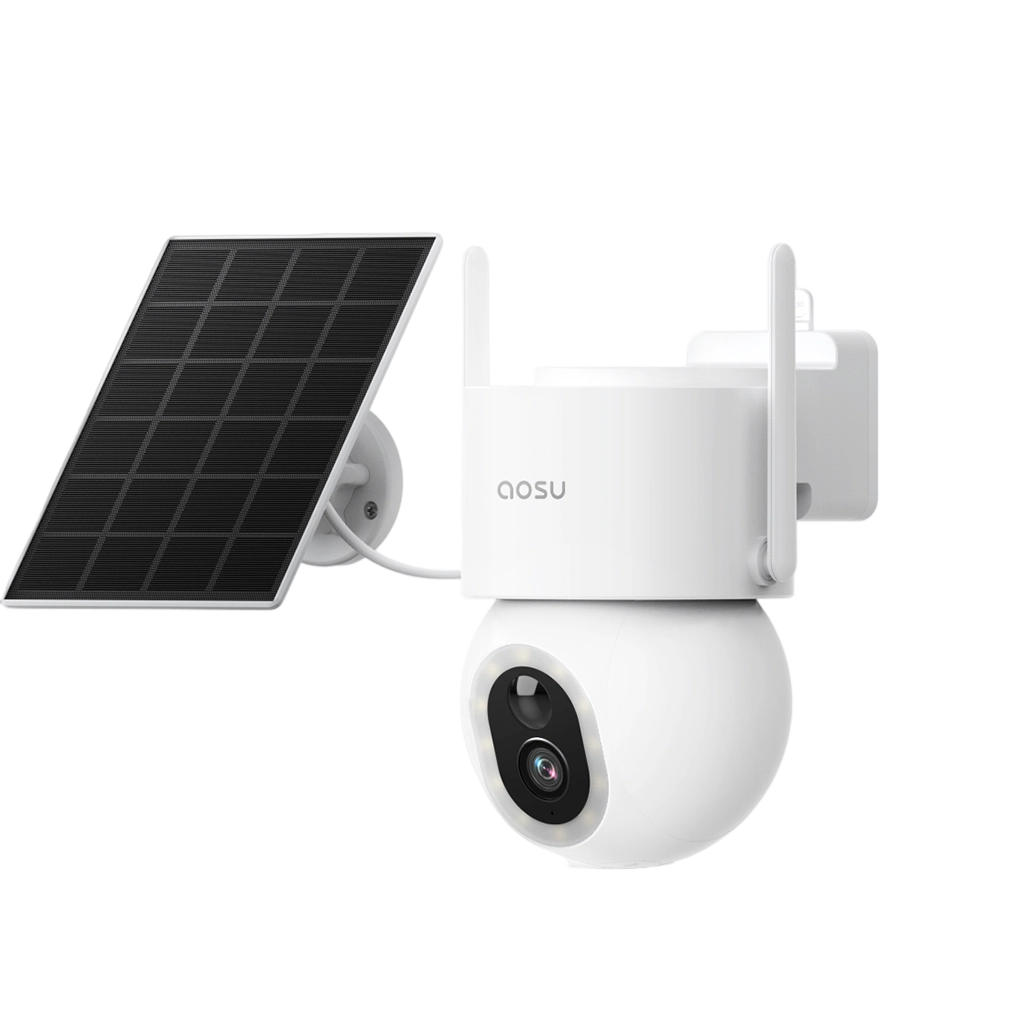
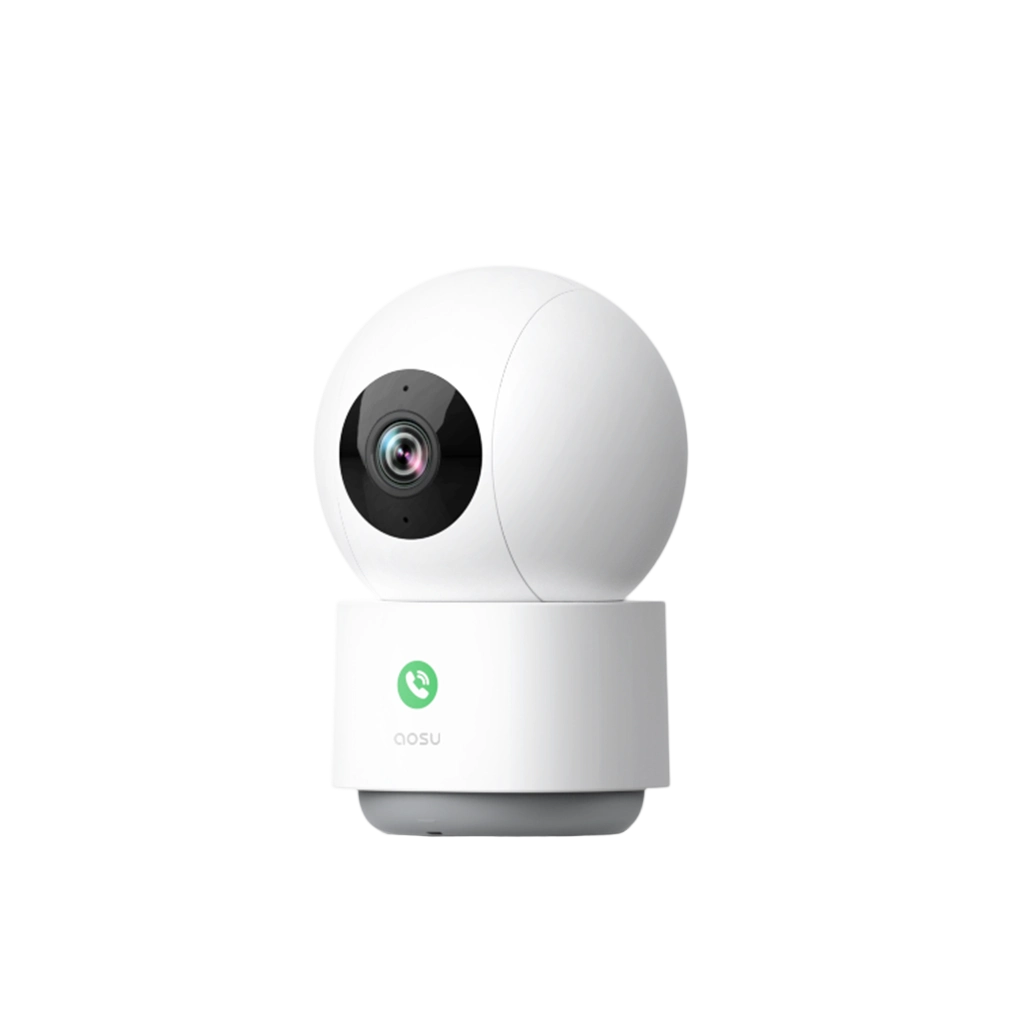
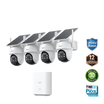
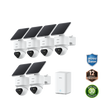
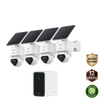
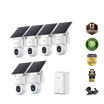

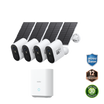
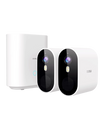
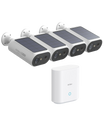
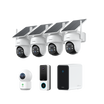
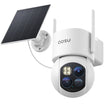
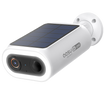
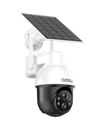
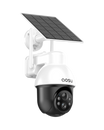
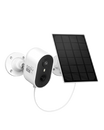
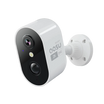
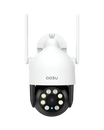
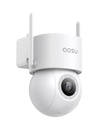

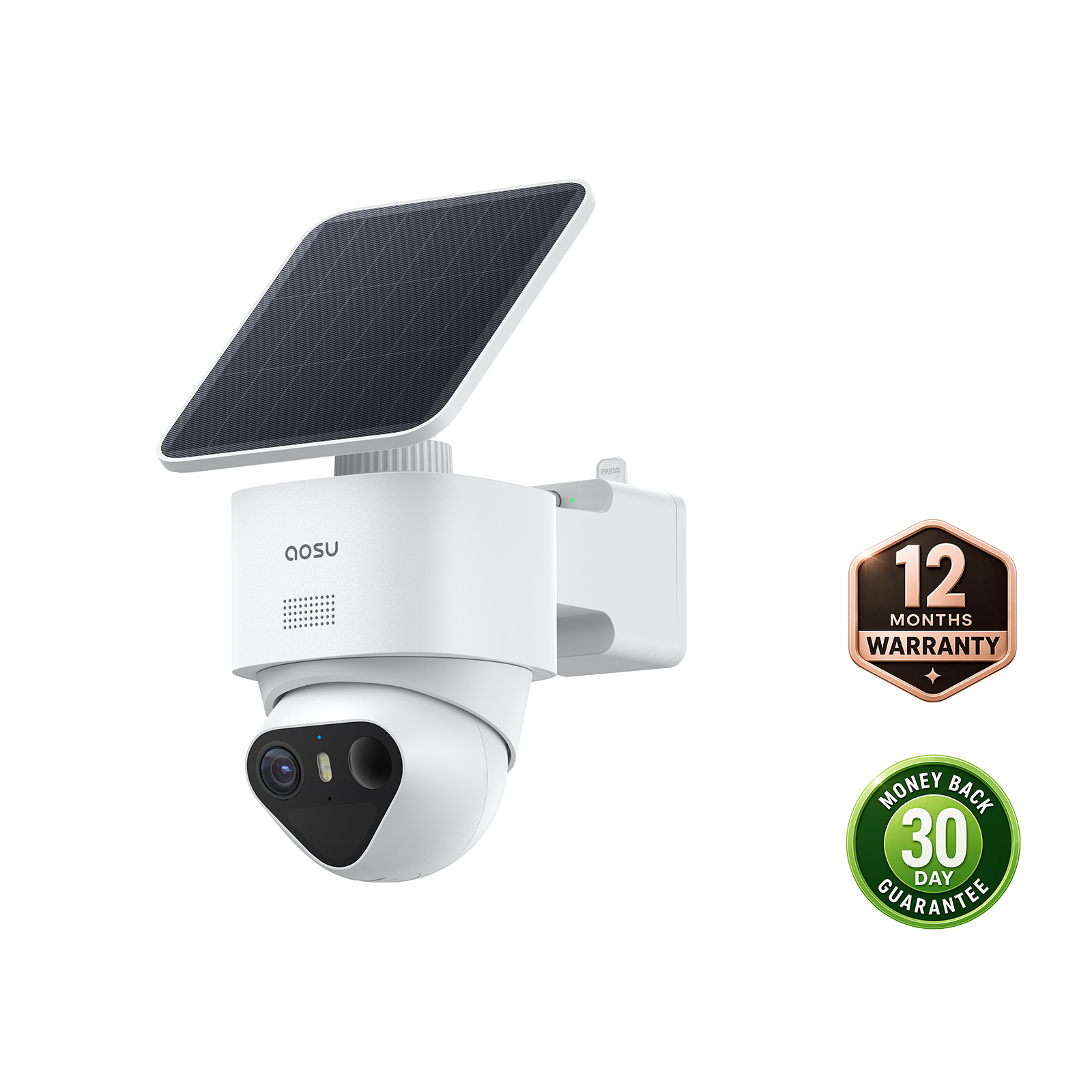

Discreet outdoor camera placement can reduce visual clutter and make equipment less accessible to casual tampering. It is not a reason to record people secretly or avoid applicable privacy and notice requirements.
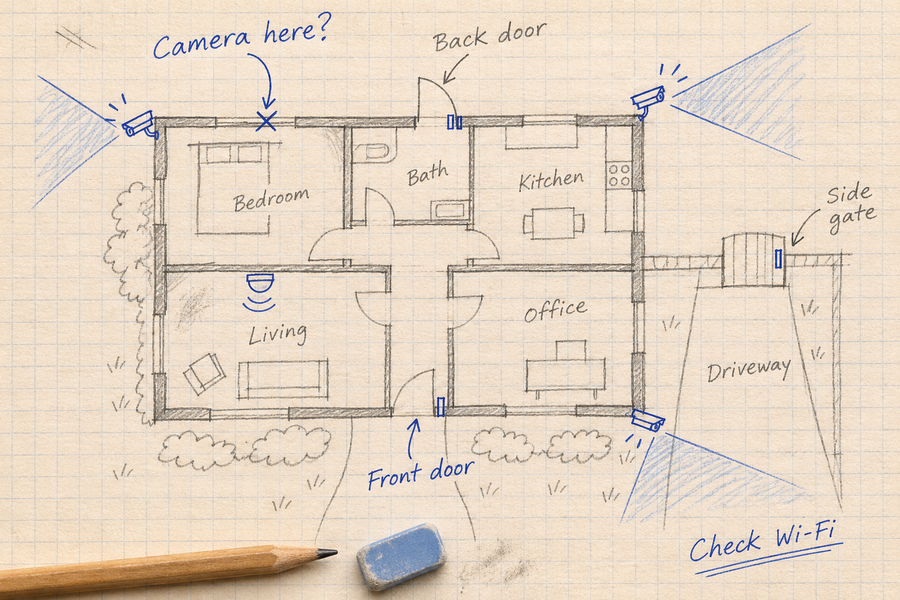
Install only where you have permission, focus the view on the area you need to protect and check video and audio rules separately. This guide covers outdoor placement, with the lens, sensors, ventilation and maintenance access kept clear.
Eight Outdoor Placement Options and Their Tradeoffs
| Option | Practical approach | Main tradeoff |
|---|---|---|
| Eaves or overhangs | Use a supported mount with a clear approach view | Nearby surfaces can reflect IR; excessive height can reduce useful detail |
| Fence or post | Mount on a stable surface you are permitted to use | Movement, shared ownership and neighboring views need checking |
| Landscaping | Place the camera beside planting, keeping the full sensing area clear | Growth, wind and seasonal foliage can block the view |
| Dedicated equipment enclosure | Use only an enclosure approved for the camera and exposure | Added housing may affect heat, sensors, audio and maintenance |
| Purpose-built light camera | Choose a product designed to combine lighting and video | The lighting position may not provide the required camera angle |
| Near a mailbox | Use a separate permitted mount that does not obstruct mail service | Do not assume permission to modify or occupy a mailbox |
| Decorative structures | Use only a documented, compatible installation | DIY ornaments or fake rocks can compromise operation |
| Birdhouses or feeders | Prefer a nearby independent mount | Do not place equipment inside an occupied nesting or feeding structure |
Do not wrap the camera, cover its sensors or place it behind an unapproved viewing window. Check the manufacturer’s mounting and environmental instructions before using any additional enclosure.
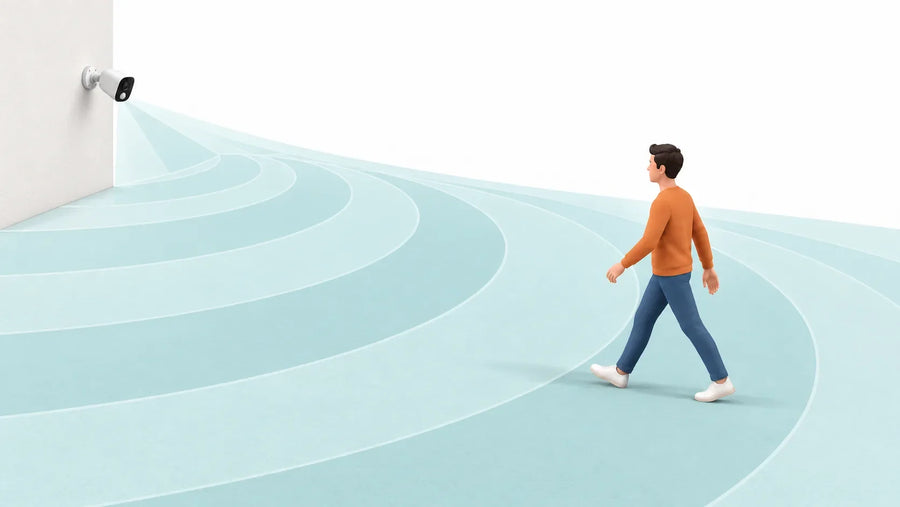
Test saved footage after dark, including the infrared beam’s interaction with nearby surfaces. Confirm signal, detection, audio where used, and safe access for cleaning and charging.

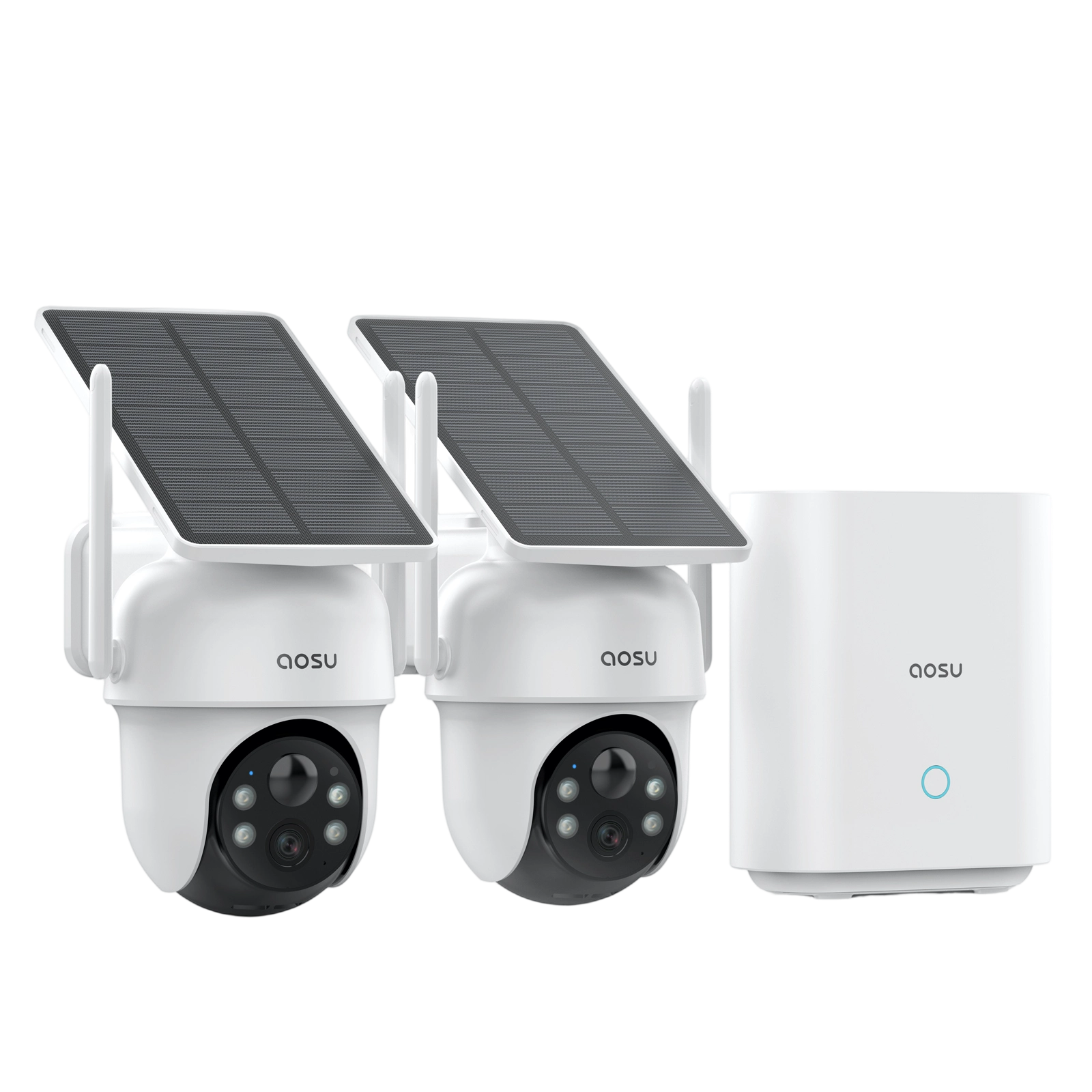
Compare purpose-built cameras with lighting by their documented mounting requirements and the view needed, rather than assuming a lighting fixture provides the right camera angle.
Balance Appearance, Tamper Resistance and Visibility
A less conspicuous installation may suit the building’s appearance or reduce easy access to equipment. Neither outcome guarantees that the camera will remain undiscovered or operational.
Visibility and concealment serve different purposes. A camera that people cannot see cannot be relied on to communicate that an area is monitored.
Choose the installation around the view and recording you need. Use secure mounting, protected cable routes and suitable storage rather than treating concealment as complete tamper protection.
Do not hide cameras to make guests, workers or household members unaware of recording. Discuss concerns and reduce unnecessary capture instead.
Check Permission, Privacy and Audio Rules
Owning the mounting surface does not automatically authorize every view or recording use. Check the rules for your jurisdiction, rental agreement and any shared building or property.
Keep the camera focused on the purpose of the installation. Avoid unnecessary views into neighboring windows or private areas, and review audio recording separately.
Notice and consent requirements vary. A sign is not a universal substitute for consent, and a low-profile camera does not remove an obligation to provide notice.
As a UK-specific example, review the ICO’s home CCTV guidance. Workplace monitoring requires a separate assessment; it is outside this outdoor residential placement guide.
Conclusion
Choose a low-profile position only when it preserves the required view, detection performance and manufacturer-approved installation conditions.
Before buying accessories or adding another camera, use the camera blind-spot checks to test visibility, useful detail, saved recordings and view availability. Select equipment for the gap you need to solve, rather than a promise of invisible protection.
FAQs About Discreet Outdoor Camera Placement
Is hiding an outdoor camera necessary?
No. Decide whether appearance or physical access is a problem before adding concealment.
Can I place it inside an ornament or enclosure?
Only when the installation is documented as compatible. An opening for the lens does not establish adequate ventilation, weather protection or sensor performance.
Will hiding prevent tampering?
No. Combine suitable mounting and protected connections with a checked recording and storage arrangement.
Does discreet placement remove notice requirements?
No. Check the applicable video, audio, property and privacy rules for the location.