







Table of Contents
Understanding Security Camera Laws
- When considering the installation of security cameras on your property, it's essential to grasp the legal landscape surrounding their use. Understanding security camera laws can help homeowners avoid legal issues and foster mindful practices regarding surveillance.
- Related:
Can my neighbor record me on my property?
Overview of Security Camera Laws in the U.S.
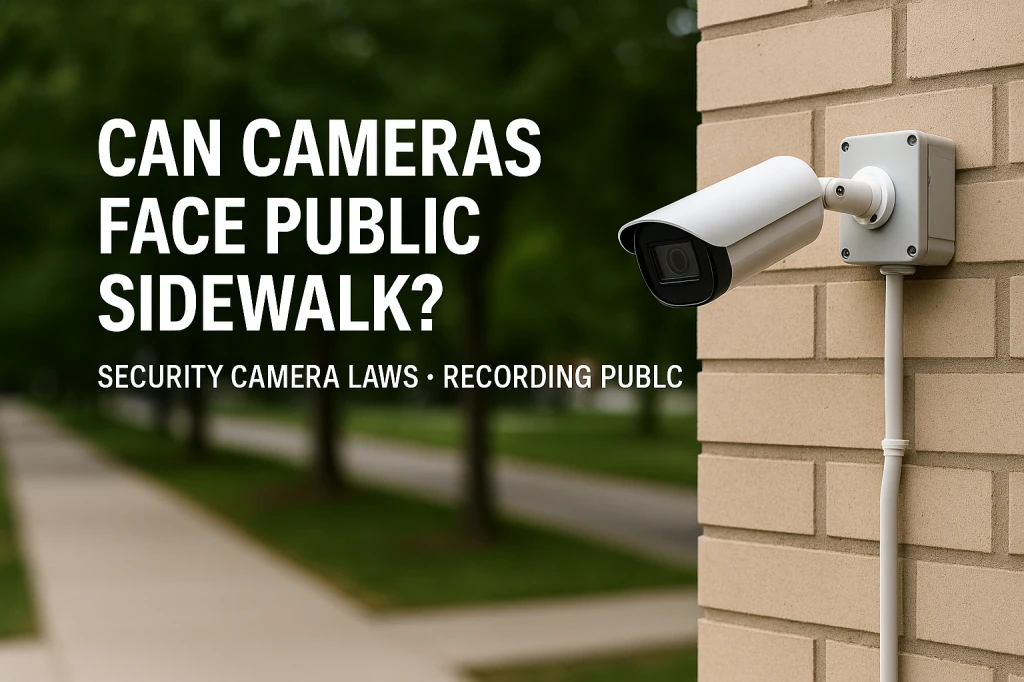
- In the United States, security camera laws differ by state, creating a patchwork of regulations that homeowners need to navigate. Generally, recording in public areas is permissible, as individuals do not have a reasonable expectation of privacy in public spaces. However, the nuances can vary significantly depending on jurisdiction. Awareness of local laws is critical for homeowners deciding to install cameras that may face sidewalks or other public areas.
Federal vs. State Regulations
- While federal laws set the groundwork for privacy and surveillance, state laws further define and refine these regulations. Most states allow homeowners to install security cameras, provided they adhere to specific guidelines. It’s important for homeowners to be familiar with both laws, as federal statutes might not address unique nuances found in local regulations.
Key Legal Considerations for Homeowners
- Notification: Some states require homeowners to inform individuals that they are being recorded, even in public areas.
- Recording Audio: Many states have strict laws regarding audio recording. Homeowners should check if their state allows audio recording in conjunction with video surveillance.
- Image Quality: Cameras should not be directed to invade the privacy of neighbors, such as focusing on private property. Understanding these legal aspects enables homeowners to install cameras responsibly and within legal bounds.
- When installing security cameras, homeowners should keep several legal considerations in mind:
The Implications of Recording Public Spaces
What is Considered a Public Space?
- A public space encompasses areas that are accessible to the general population, such as streets, sidewalks, parks, and other communal areas. Homeowners may freely record activities in these spaces, but understanding the limits is essential to ensure a balance between security and privacy.
Legal Rights to Record in Public Areas
- The general consensus is that individuals do not have a reasonable expectation of privacy in public spaces. This means homeowners are typically allowed to record activity occurring on public sidewalks or streets without obtaining consent. Nonetheless, verifying state-specific laws remains crucial, as nuances exist in different regions.
Privacy Expectations in Public Settings
- While recording in public areas is generally acceptable, this does not mean there are no ethical considerations. People may still feel uncomfortable being surveilled, even when they are in public spaces. Homeowners should weigh their rights against their neighbors' feelings when making decisions about camera placement.
Camera Placement: Best Practices for Homeowners
- Effective camera placement plays a crucial role in maximizing security while respecting the privacy of neighbors.
Factors to Consider for Camera Placement
- Coverage Area: Aim to capture critical infrastructure, such as entry points, driveways, and other vulnerable areas.
- Field of View: Assess what the camera can see and how well it captures details.
- Lighting: Consider the amount of natural light in the area since low light can hinder image quality. Taking these factors into account will ensure that cameras serve their intended purpose without infringing on others' privacy.
- When deciding where to position security cameras, several factors should be evaluated:
How to Aim Security Cameras Safely
- Focusing on your property: Keep cameras trained primarily on your own land.
- Setting clear boundaries: Use markers to define which areas should be surveilled without overreaching into others' private spaces.
- While the primary goal is to protect one's property, cameras should never be aimed directly at neighbors' windows or private areas. Aiming your cameras appropriately involves:
Areas of Your Property that Require Coverage
- Main Entrance: Capture activities at your front door to deter property crime.
- Driveway: Protect your vehicles against theft and damage.
- Backyard: Safeguard living areas and play spaces from intruders. By ensuring these key locations are monitored, homeowners can enhance their property’s safety.
- Certain areas are more critical for security camera coverage. These include:
Where You're Not Allowed to Aim Security Cameras
- Understanding where you're not allowed to aim security cameras is just as essential as knowing where you can position them. This knowledge helps avoid potential legal trouble and neighbor disputes.
Common Restrictions for Residential Cameras
- Avoiding Private Spaces: Cameras should not be placed to monitor neighbors' private property or activities.
- Local Industry Rules: Homeowners should consult local homeowner associations or bylaws regarding camera placement. Adhering to these restrictions helps maintain community harmony and privacy.
- Many residential areas have restrictions concerning the installation of cameras. These include:
Zones to Avoid: Protecting Neighbor Privacy
- Windows of Neighboring Homes: Cameras should never intrude on their ability to maintain privacy in their own homes.
- Backyards and Pools: These are often private spaces where individuals expect confidentiality. Homeowners should consider using protective measures, such as privacy screens or landscaping, to shield any view of neighboring properties.
- Certain zones should be strictly avoided to protect the privacy of others. This includes:
Local Ordinances and Limitations on Camera Use
- Camera Height Restrictions: Some areas may dictate how high cameras can be mounted.
- Notification Requirements: Certain locales might mandate signage alerting individuals to the presence of surveillance cameras. Researchers should familiarize themselves with local ordinances to remain compliant and respectful.
- In many areas, local regulations may impose additional limitations on the use of security cameras. Regulations could include:
Addressing Concerns About Being Recorded
- While security cameras are intended to protect, they can also raise concerns among neighbors who are uncomfortable with being recorded.
Understanding the Impact on Privacy
- The potential for privacy invasion is a significant concern when it comes to recording public spaces. Understanding this dynamic can help homeowners navigate the ethical landscape effectively and make thoughtful decisions regarding their camera usage.
How to Discuss Security Cameras with Neighbors
- Be Transparent: Clearly explain where cameras will be installing and why.
- Invite Feedback: Encourage neighbors to share their thoughts or concerns and actively listen to their input. This respectful dialogue helps build trust and fosters an understanding of shared community values.
- Engaging with neighbors about your intentions regarding camera placement can alleviate concerns. Some best practices for initiating these conversations include:
Alternatives to Traditional Security Cameras
- For homeowners who wish to ensure security without recording public areas extensively, consider alternatives like:
- Motion-activated Lights: These deter intruders without intrusive surveillance.
- Home Security Systems: Many systems offer alarms and monitoring without constant recording.
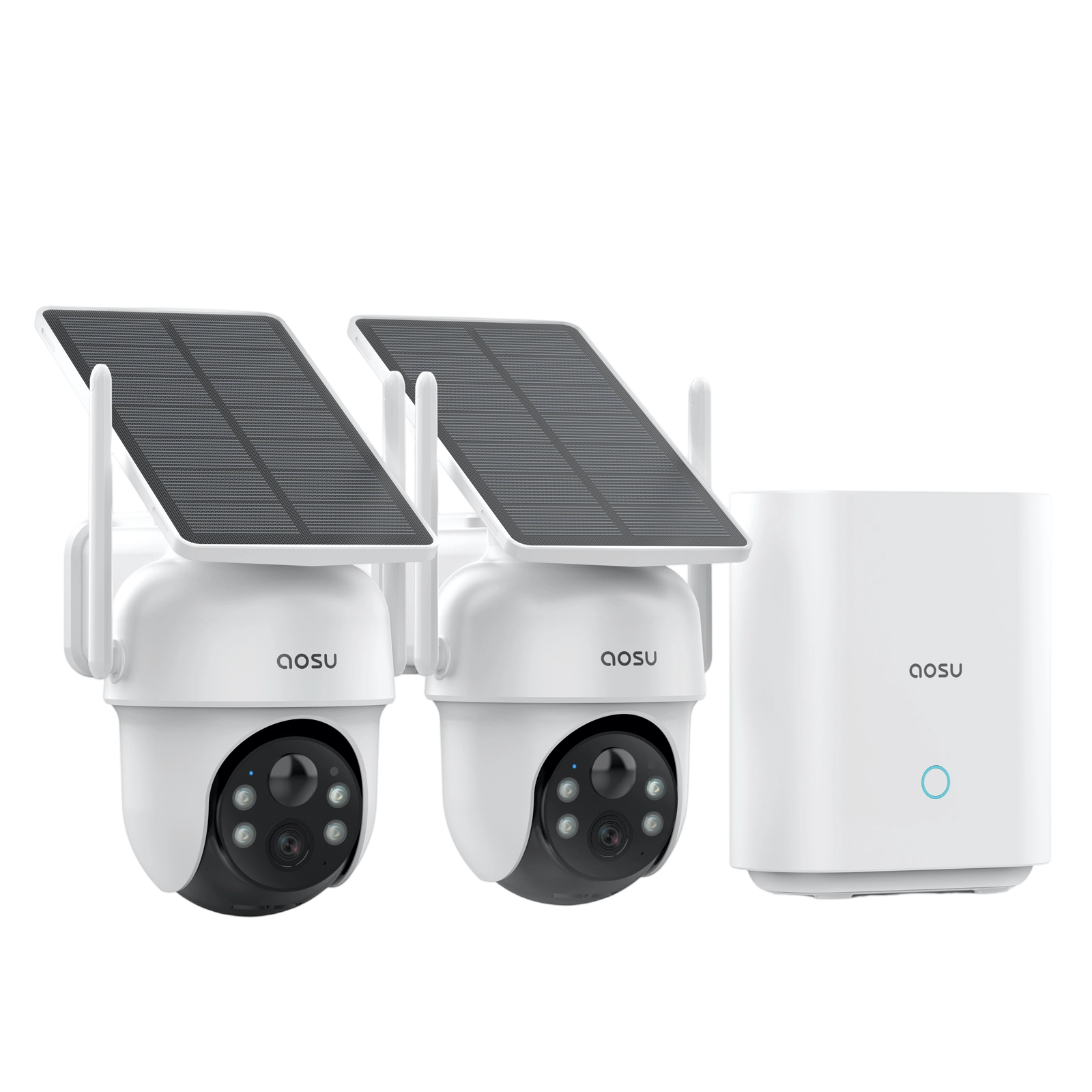
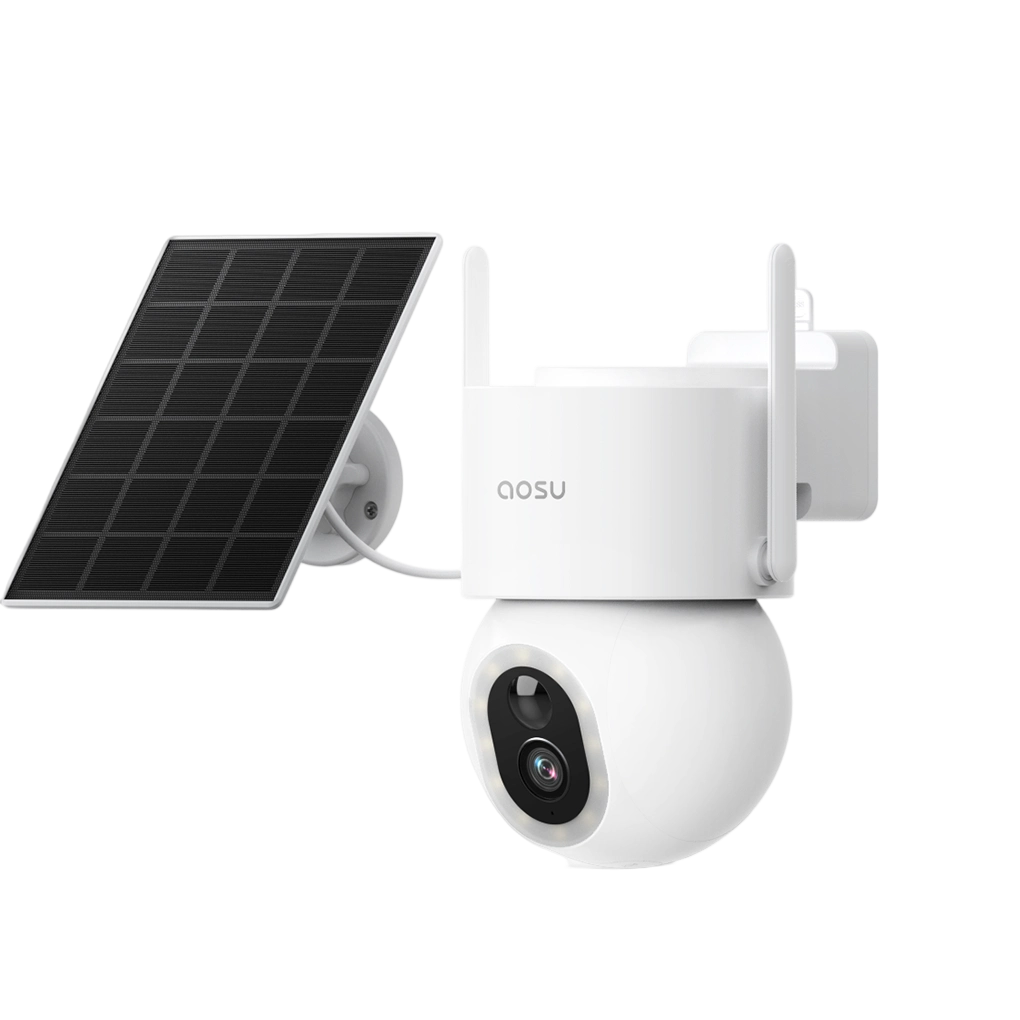
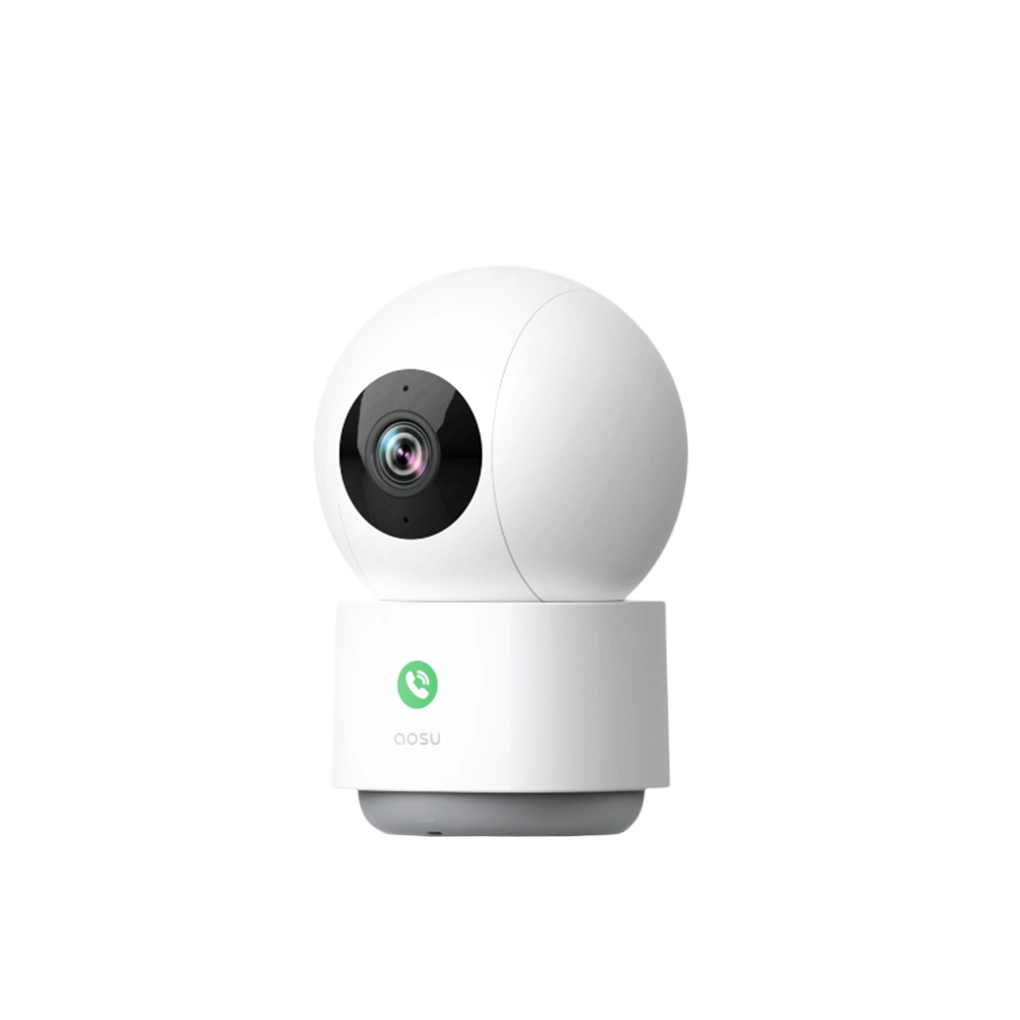
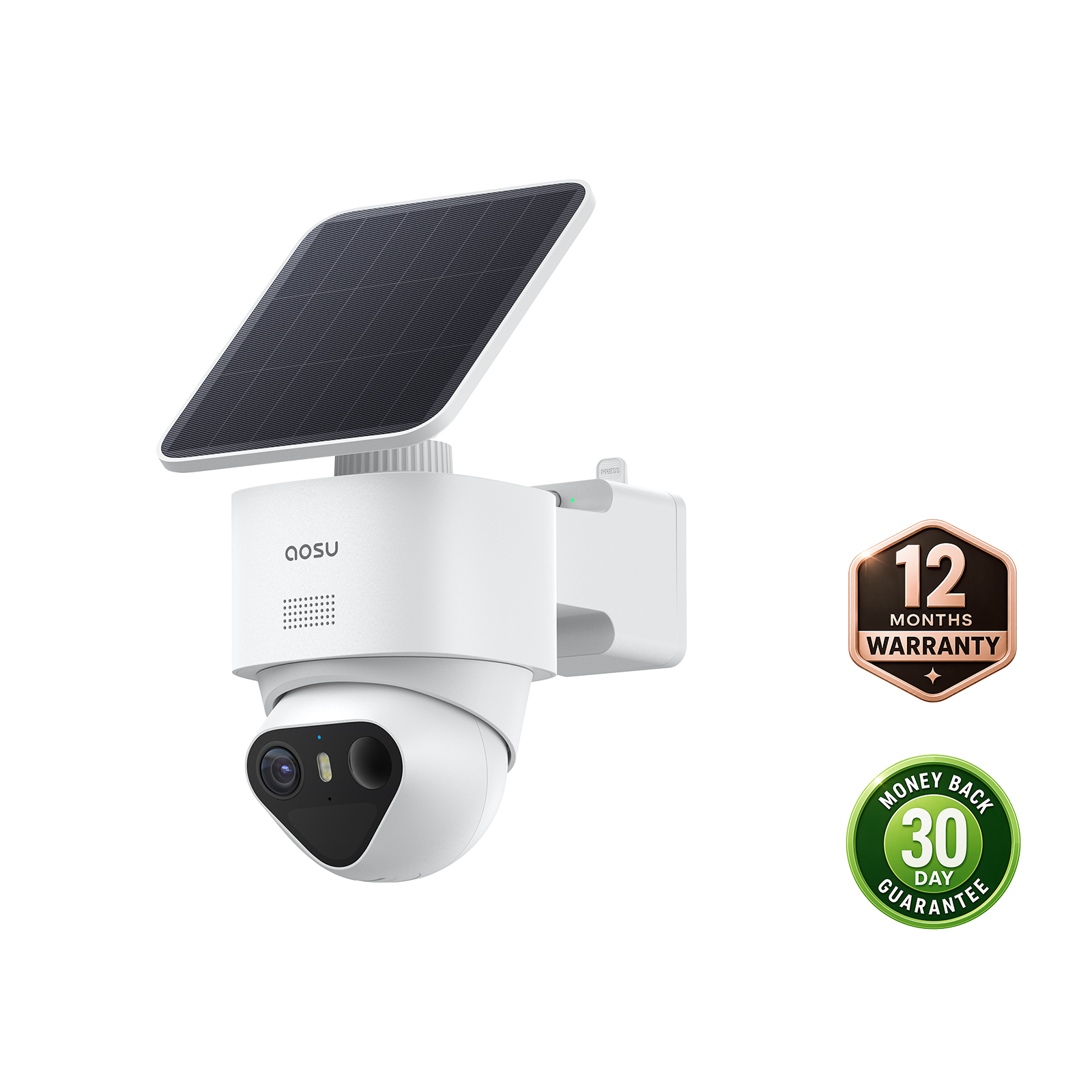
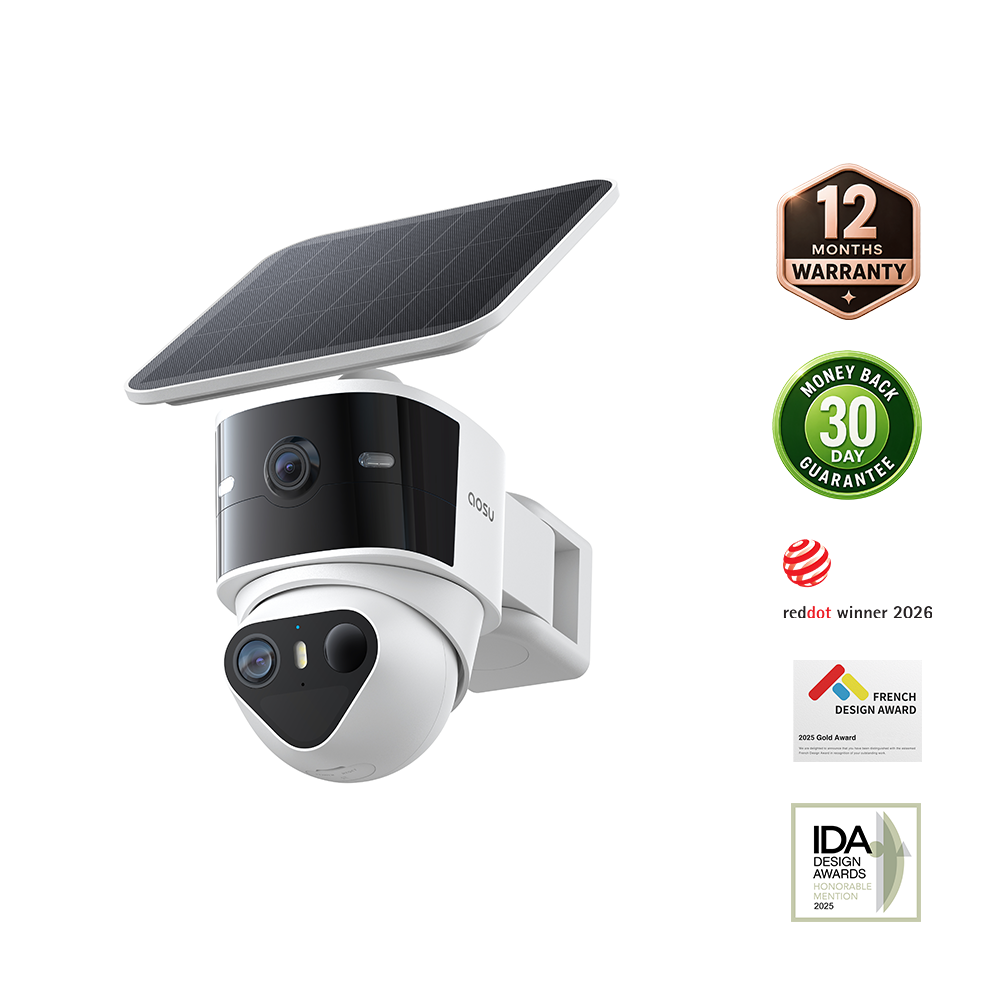
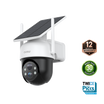
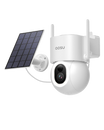
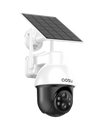
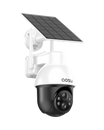
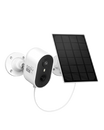
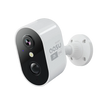
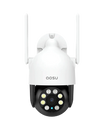
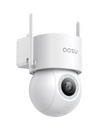
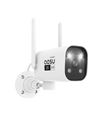
- Cameras with flexible install options and privacy zones. Check out what aosu has to offer.
These solutions can enhance security while addressing potential privacy concerns.
Conclusion
In conclusion, the question of whether cameras can face public sidewalks is grounded in understanding the legal framework surrounding surveillance. While recording public spaces is often legal, homeowners must navigate ethical concerns and strive for thoughtful security camera placement. By being aware of local regulations and engaging neighbors in meaningful dialogue, homeowners can create a secure environment that respects the privacy of all community members. If you’re considering installing security cameras, take the necessary steps to ensure compliance with security camera laws and engage with your neighbors openly. Making informed decisions will ultimately benefit both your safety and your community's privacy.


