








Solar can be worth it at home, but the answer depends on the job.
Rooftop solar is mainly a bill-savings decision. A battery station with solar charging is a backup-power decision. A solar-assisted outdoor camera is mainly a placement and charging-convenience decision.
Start with one goal, then check sunlight, cost and maintenance. This guide helps you choose the appropriate category before comparing equipment or requesting installation quotes.
Start With What You Want Solar to Do
Solar is easiest to evaluate when you choose the goal first. A full rooftop system, a solar generator, and a solar-powered camera should not be judged on the same investment or return math.
Use this as the first filter before comparing brands, wattage, batteries, or installation quotes.
| Lower your electric bill | Add backup power | Easy power for outdoor devices | Try solar without a big project |
|---|---|---|---|
|
|
|
|
The Three Main Types of Solar for a Home
The word solar can make the decision feel bigger than it is. In practice, most homeowners are choosing between three categories.
-
Whole-home or rooftop solar
Rooftop solar panels connect to your home's electrical system and can offset some or most of your normal electricity use. This is the category people usually mean when they ask whether solar panels can save money.
-
Portable panels and battery stations
A solar generator setup uses one or more portable panels to charge a battery station. It can power specific devices during outages, outdoor work, camping, or detached-space use, but it usually does not replace a full home electrical system.
-
Solar-powered home products
These are individual products with their own solar charging, such as outdoor lights, pathway lights, solar security cameras, fountains, gate accessories, and sensors. They are less about reducing the power bill and more about convenience, placement freedom, and avoiding wiring.

The right solar option depends on the scale of the problem you want to solve.
When Rooftop Solar Is Worth It
Rooftop solar has the biggest savings potential, but it also has the biggest upfront decision. It makes the most sense when your home has steady sun, your roof is in good shape, your electricity bills are significant, and your utility rules make exported power valuable enough.
Use simple payback only as an initial comparison:
Simple payback = stated upfront project cost ÷ estimated annual bill savings.
For illustration, an $18,000 project with $1,800 in annual savings has a ten-year simple payback. At $900 in annual savings, it is twenty years. These are hypothetical figures, not an installation quote or a typical-cost claim.
State exactly what the project cost includes. Review financing, roof work, maintenance, replacement costs and changing production or tariffs separately; simple payback is not a complete investment-return calculation.
Request itemized quotes using the same equipment and billing assumptions. Use the Department of Energy homeowner guidance and the applicable utility tariff to check those assumptions.
| Usually a better fit when | Usually a harder fit when |
|---|---|
|
|
When a Solar Generator or Large Panel Setup Makes Sense
A battery station with solar charging can support selected household loads during an outage. List the devices, their operating and starting-power requirements, and the runtime you need. Check usable battery energy and recharge conditions rather than panel wattage alone.
Solar recharge depends on available sunlight. Do not assume the battery will recharge quickly during the same weather conditions that caused an outage.
Medical equipment needs a separate plan. Do not select backup power for a medical device using an ordinary appliance example. Confirm compatibility and permitted power arrangements with the device manufacturer and healthcare team, including required runtime and what to do if backup power is exhausted.
Use the FDA’s medical-device power-outage planning booklet to organize device information and contacts. This article does not assess a battery station’s suitability for medical use.
| Good uses | Weak uses |
|---|---|
|
|
When Solar-Powered Home Products Are Worth It
Small solar products are usually convenience purchases rather than major electricity-bill investments.
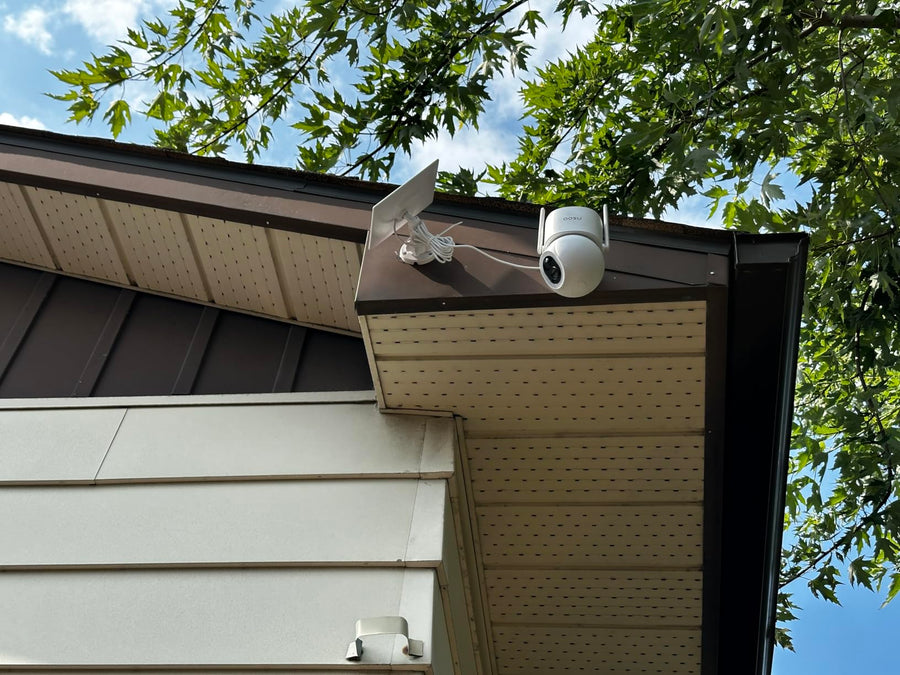
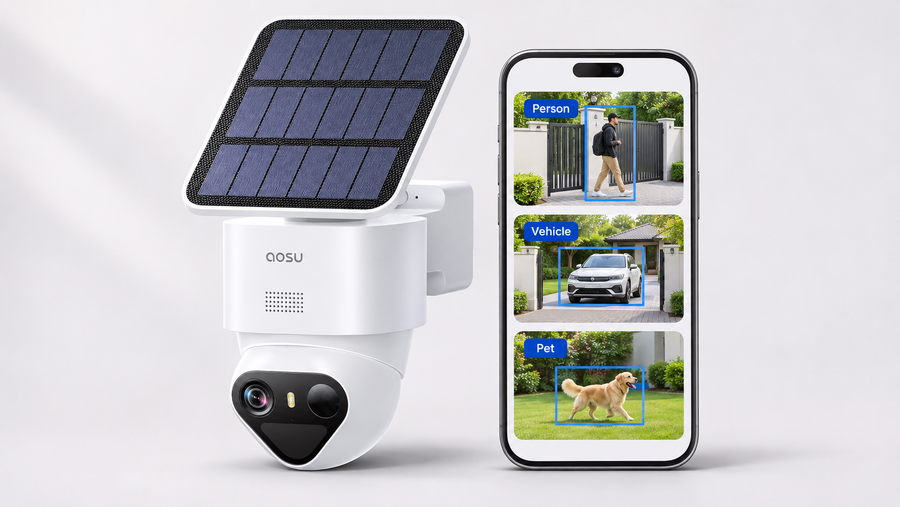
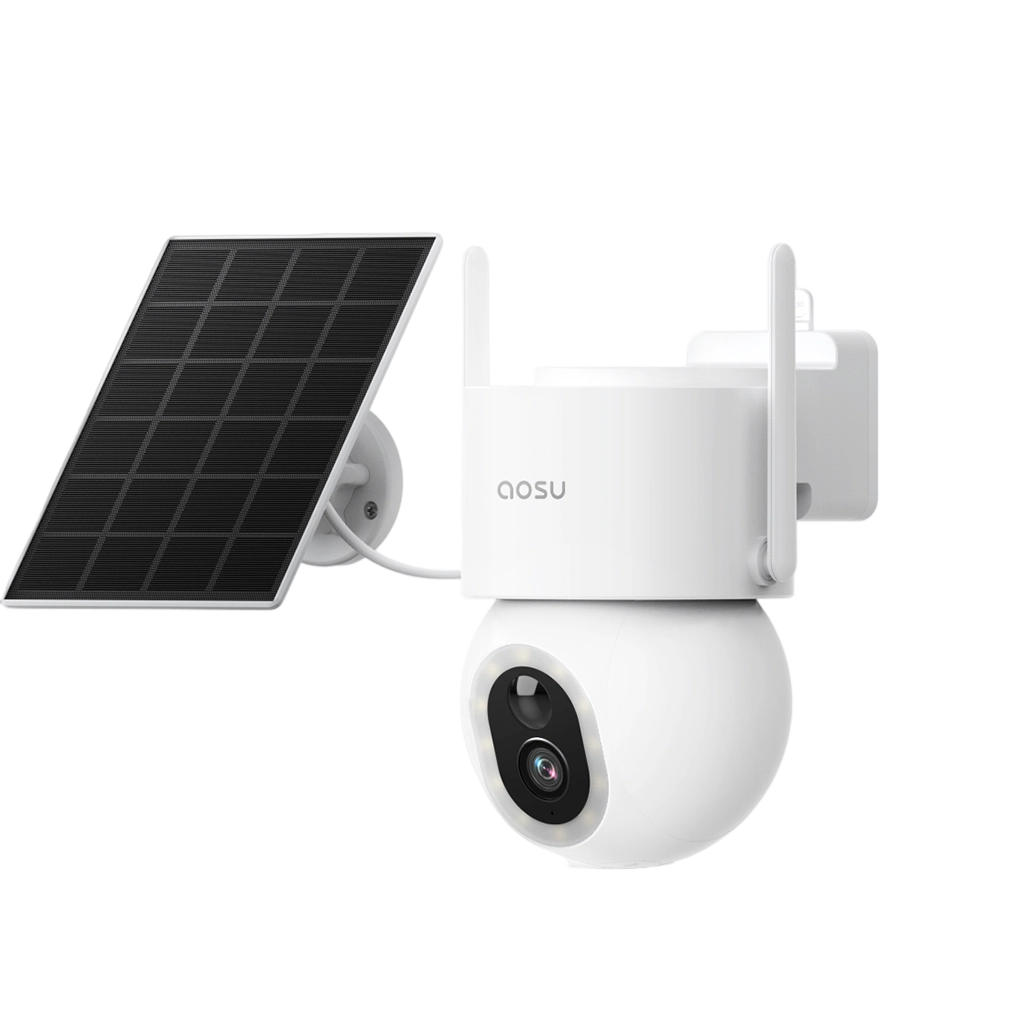
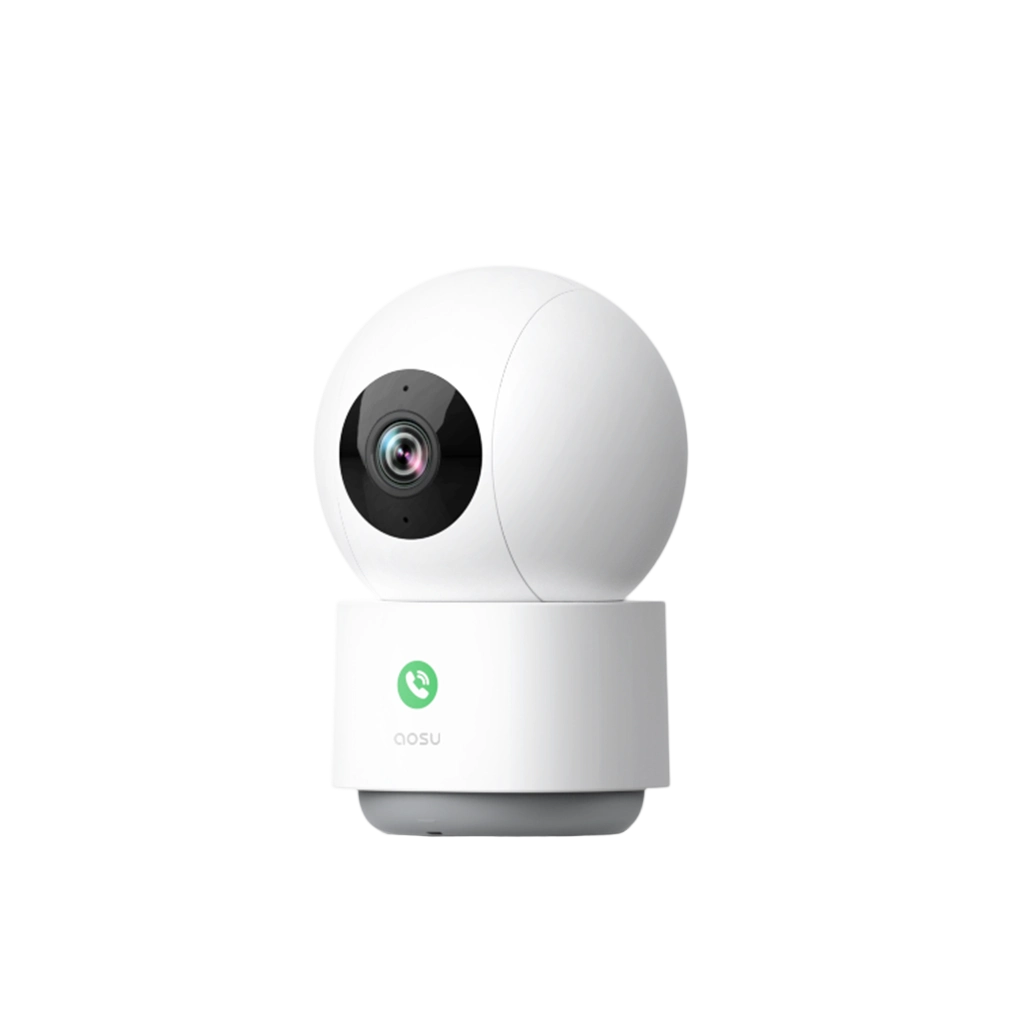
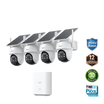
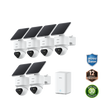
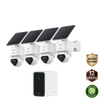
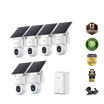
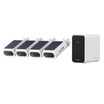
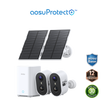
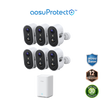
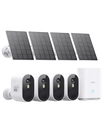
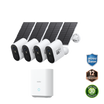
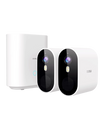
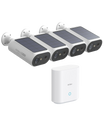
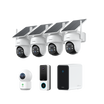
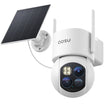
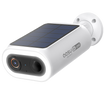
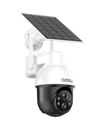
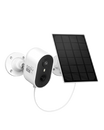
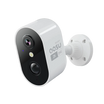
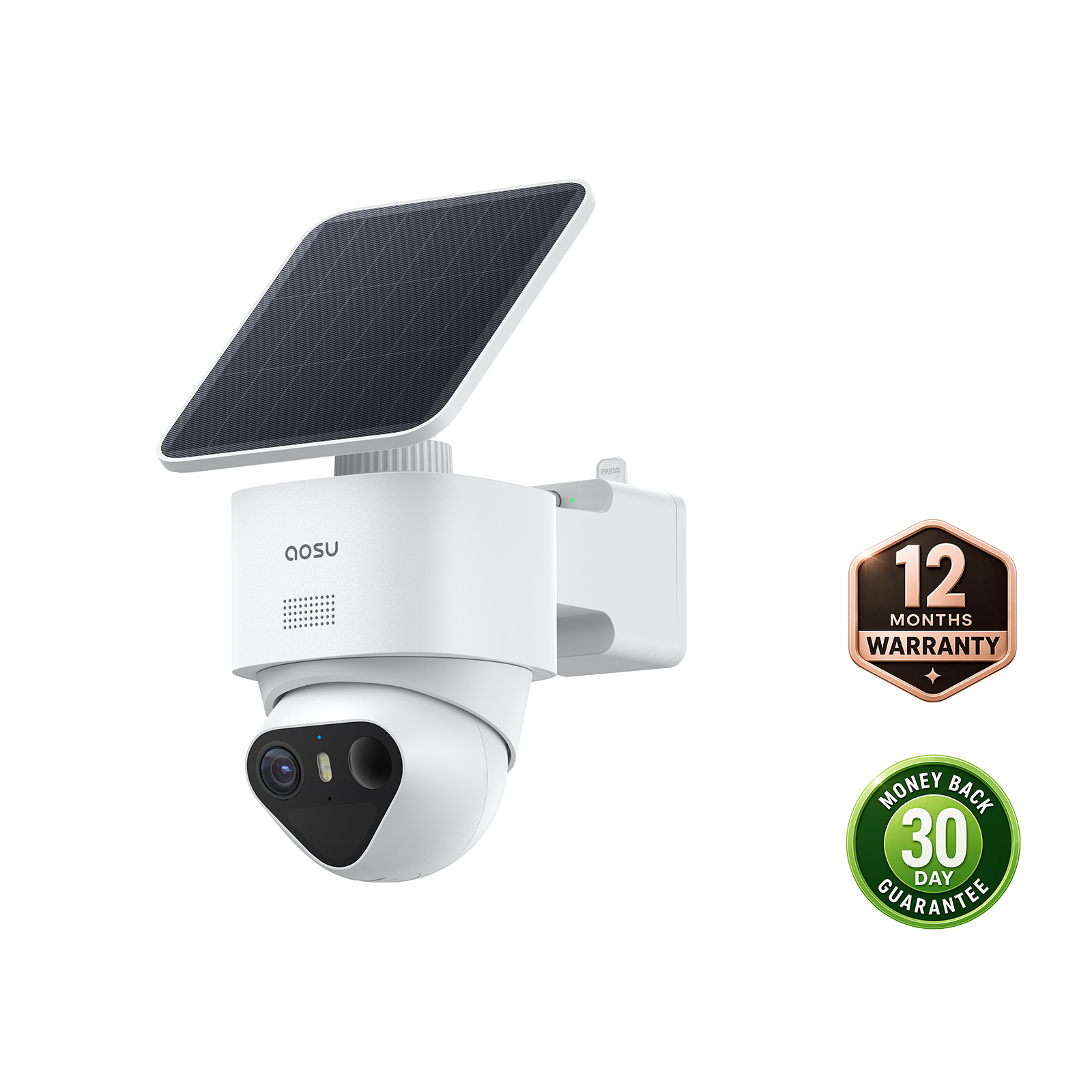
For a security camera, the useful questions are whether solar assistance reduces manual charging and whether it makes a suitable monitoring position practical. Check panel shade, seasonal sunlight, activity levels, charging limits and maintenance access.
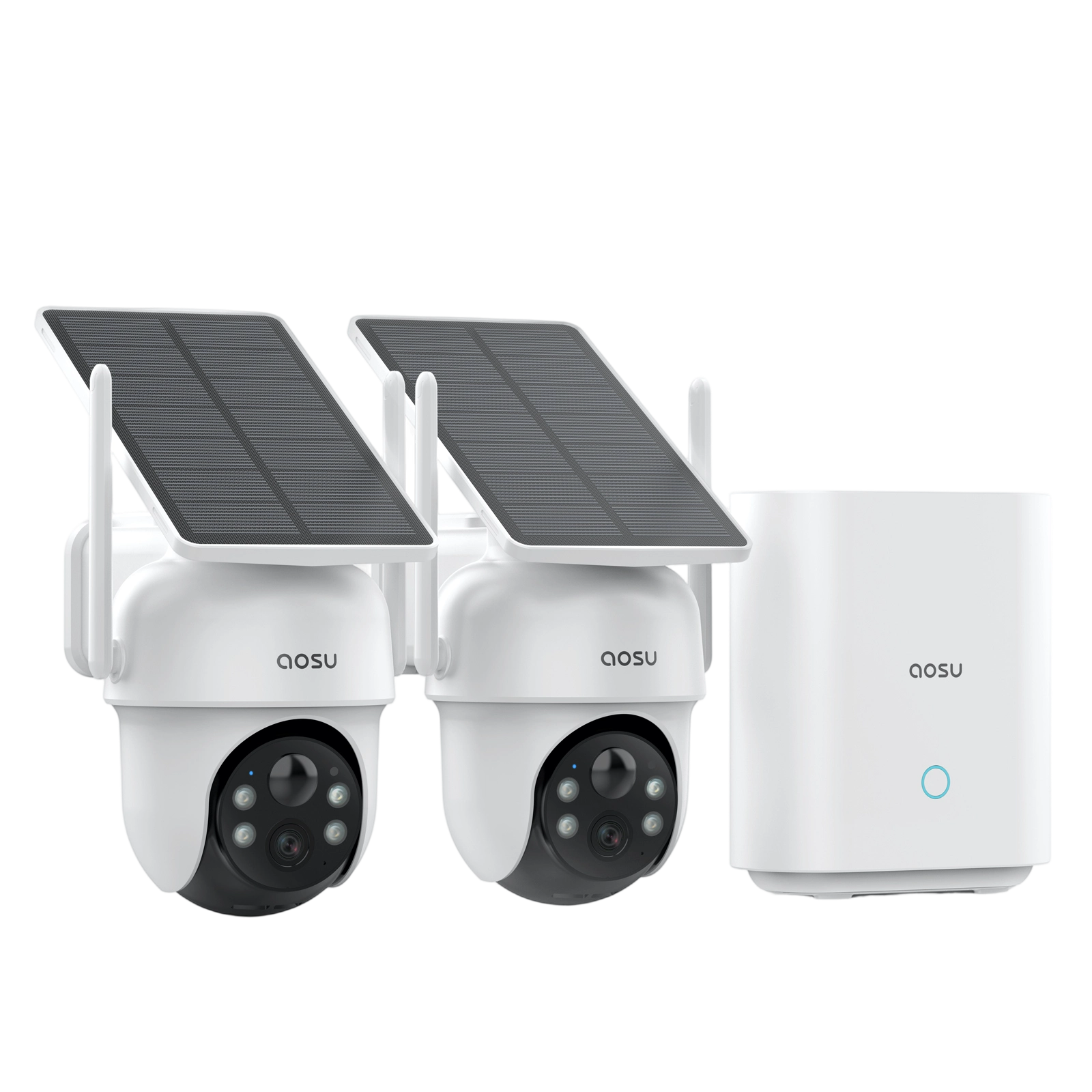
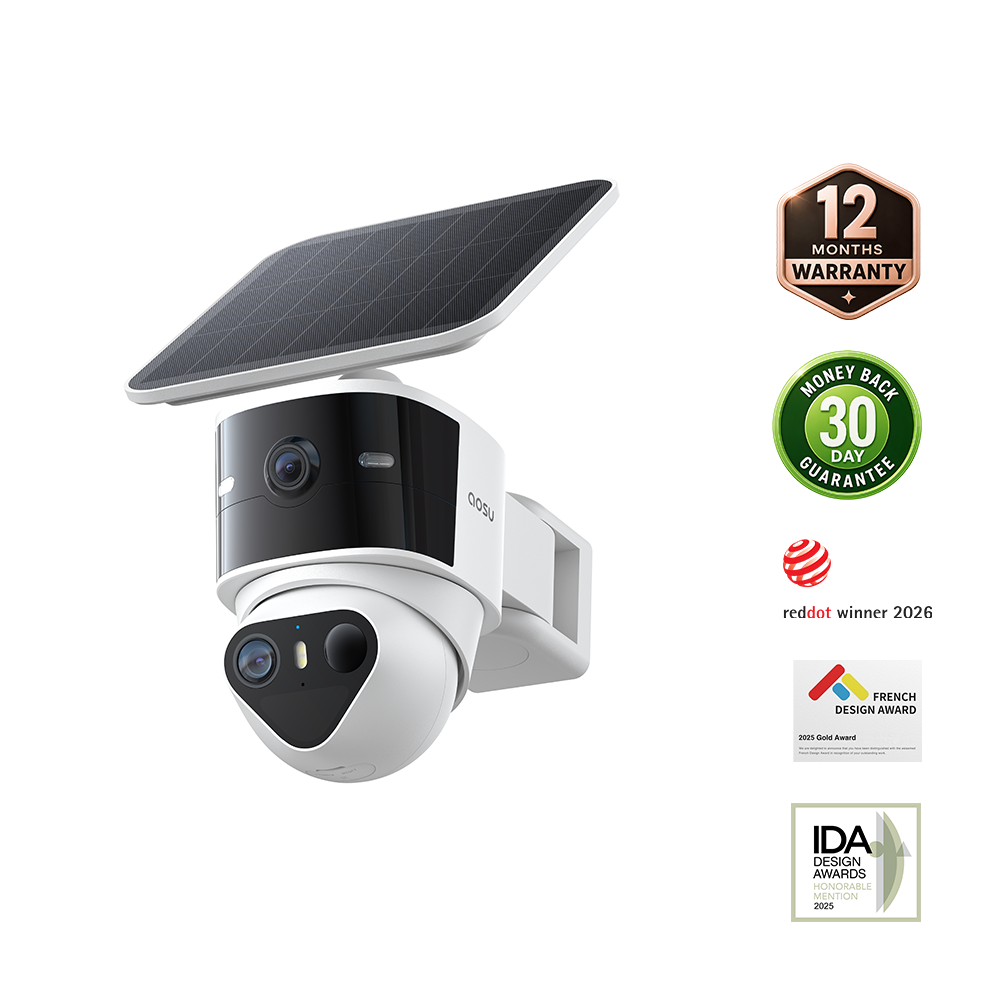
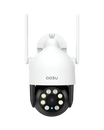
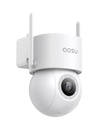
Start with our solar security camera suitability guide. If the camera position is shaded, compare integrated and separate solar panels before choosing from the aosu solar camera range.
These products power their own camera systems; they are not household backup-power systems.

Check Sunlight Before You Buy Anything
Solar needs usable sunlight, not just daylight. A bright-looking area can still perform poorly if the panel is shaded during the best sun hours.
Before buying a rooftop system, generator panel, or solar-powered device, check the exact location where the solar panel will sit. Short-term observations do not establish year-round generation or charging performance.
-
Watch the shade pattern
Check morning, midday, and afternoon shade. Trees, chimneys, neighboring homes, porch roofs, and seasonal sun angles can all change performance.
-
Match the solar option to the space
A sunny roof can support a larger system. Evaluate each small device’s light requirements rather than assuming a bright-looking porch is sufficient. A shaded wall may be a poor fit for a solar camera unless the selected model supports a separate panel that can reach usable sun.
-
Think about winter
Shorter days, lower sun angles, snow, rain, and cloudy stretches can reduce solar charging. A setup that's passable in summer may disappoint in winter.
-
Use better tools for bigger purchases
For rooftop solar, use location-based calculators, installer production estimates, and multiple quotes. Production estimates depend on location and system inputs; they are not guarantees.

Solar performance depends on the exact place where the panel gets sunlight.
Cost Analysis Matrix: Which Solar Option Fits the Budget?
The right solar choice depends on whether you are buying an investment, a backup-power tool, or a convenience product.
| Rooftop solar | Rooftop solar plus battery | Solar generator | Solar-powered products |
|---|---|---|---|
|
|
|
|

Use cost, savings potential, and the main job to compare solar options fairly. These are qualitative categories, not quotes or guaranteed savings.
Do Not Build the Whole Decision Around Incentives
US policy check — November 10, 2026: The IRS Residential Clean Energy Credit page states that the credit is unavailable for property placed in service after December 31, 2025. Do not automatically deduct the former federal credit from a new project’s cost.
Earlier qualifying expenditure and credit carryforwards are separate questions; consult the official Form 5695 instructions for the relevant tax year.
State, local and utility programs require separate verification. Record the program, eligibility conditions and source date before including a benefit in your calculation. Outside the United States, use the rules for your own jurisdiction.
A Simple Way to Choose
If your main goal is lowering a large electric bill, start with rooftop solar quotes and a payback calculation.
If your main goal is keeping selected household devices powered in an outage, start with the loads and runtime you need. Medical equipment requires the separate manufacturer-and-healthcare-team plan described above.
If your main goal is powering something outdoors without wiring, start with a solar-powered product or a small panel matched to that one location.
If your main goal is curiosity, start small. A well-chosen small device or portable panel can help you observe local conditions, but a short trial is not a year-round performance guarantee.
Mistakes That Make Solar Feel Disappointing
Bad solar purchases happen all the time, but in most cases they're avoidable with a bit of planning.
-
Buying wattage without checking the load
Panel wattage is only part of the story. You also need to know how much energy your devices use and how long they need to run.
-
Ignoring shade
Shade can limit solar charging. Always judge the panel's actual location, not the general brightness of the yard or roof.
-
Expecting small solar products to lower the power bill
Solar lights and solar cameras are usually convenience buys. Their value may be easier placement and reduced manual charging rather than major electricity savings.
-
Assuming every incentive applies
Tax credits, rebates, utility programs, and net metering rules change. Verify the current rules before using incentives in your payback math.
-
Letting one quote define the market
For rooftop solar, compare multiple quotes with equipment, financing, production estimates, warranties, and utility assumptions side by side.
Bottom Line
Solar power can be worth it at home, but only when you choose the right scale. Rooftop solar is a long-term bill-reduction decision. Solar generators are backup-power tools. Solar-powered products are convenience and time-saving tools.
Start with the problem you want to solve, then match the solar option to your sunlight, budget, and maintenance expectations. That approach is much more useful than asking whether solar is good or bad in general.
FAQs About Choosing Solar Power for Your Home
Can I use solar power at my house?
Many homes can use some form of solar power. The appropriate option depends on your roof, sunlight, budget, utility rules, installation permissions and goal. You may consider rooftop solar for bill savings, a solar generator for selected backup loads, or small solar-powered devices for outdoor convenience.
Is solar power worth it for homeowners?
Solar can be worth it when the savings, convenience, or backup-power value outweigh the cost. Rooftop solar is more likely to pay off when you have strong sunlight, suitable electricity rates, a suitable roof, and enough time in the home to benefit from the savings.
Can solar panels save me money?
Rooftop solar panels can save money when they offset enough electricity at a favorable cost. Stated upfront project cost divided by estimated annual bill savings gives an initial simple-payback comparison, not a complete investment-return calculation. Review financing, roof work, maintenance, replacements and utility assumptions separately. Do not assume former federal credits apply to a new US project.
Are solar generators worth it?
Solar generators can be worth it for selected backup loads, camping, sheds, garages, or charging household devices during outages. Check operating and starting power, usable energy, runtime and recharge conditions. Medical devices need a separate compatibility and outage plan with the manufacturer and healthcare team.
Are small solar-powered home products worth it?
Small solar products can be worthwhile when they solve a specific outdoor problem with suitable sunlight and manageable maintenance. For cameras, evaluate placement and reduced manual charging, not major electricity-bill savings or household backup power.