


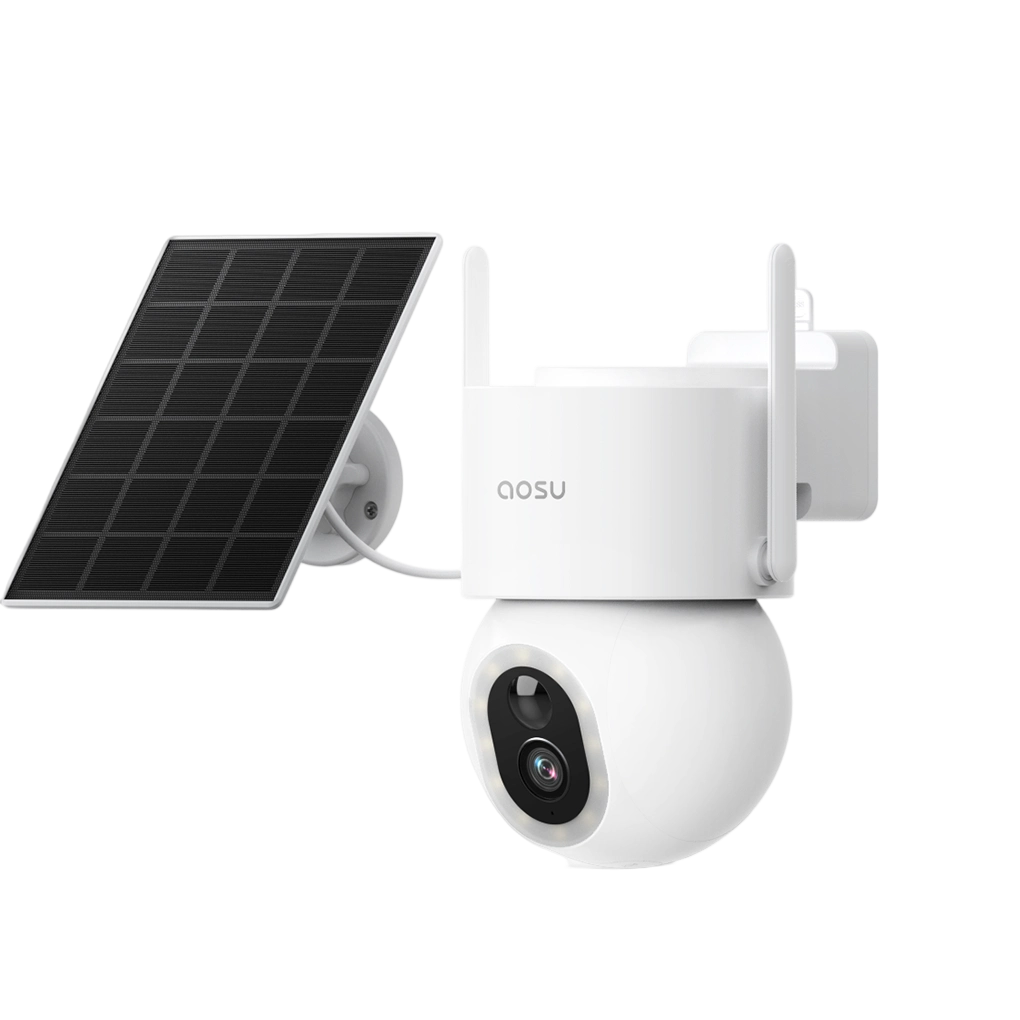

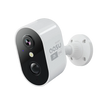
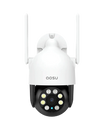
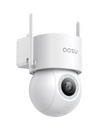
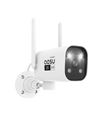


The best place for an indoor security camera depends on what is happening at home. A wide living-room view may make sense while the house is empty, while a camera used around other people may be more appropriate when aimed at one entrance or item.
You also do not have to choose one permanent location. Many indoor cameras are easy to move, re-aim, or place in privacy mode as your needs change.
Situation 1: You Live Alone or Everyone Is Away
When nobody is expected to be home, a wider view can provide a useful peace-of-mind check. Place the camera in a central shared area where it can see the main entrance and enough of the room to show whether something has changed.
A corner facing the front door often works well. If the camera can pan and tilt, set its resting position toward the entrance and use the wider movement range when you want to look around.
| Prioritize | Check before leaving |
|---|---|
|
|
Situation 2: You Want to Watch a Pet
Follow your pet's routine rather than using a standard high security-camera angle. Aim toward the bed, crate, food area, favorite window, or route between rooms that you actually want to check. A shelf or counter can give you a clearer view of the floor than a camera mounted near the ceiling.
If you live alone, you can leave the camera wherever it is most useful. In a shared home, consider what else appears in the frame. You may want to move it toward the pet's area when the pet is alone, then put it in privacy mode or return it to an agreed entrance view when people are home.
-
Get down to the pet's level
Review how much of the floor is visible. A beautiful view of the room is not useful if the pet disappears below the frame.
-
Include the behavior you care about
A food bowl, crate door, couch, or route to another room may matter more than seeing every corner.
-
Protect the camera and cable
Use a stable surface and keep the device and power cord beyond the pet's reach.
Situation 3: You Want to Keep an Eye on a Baby or Small Child
For a baby, the crib or sleep area should be easy to see both day and night. Choose a secure position that shows the child's sleeping position without relying on an extreme downward angle, then test for infrared glare and dark areas around crib rails.
Keep the camera, monitor parts, and every cord out of reach. The U.S. Consumer Product Safety Commission advises placing monitor cords at least three feet away from any part of a crib, bassinet, play yard, or other sleep space. Never place the camera inside or on the edge of a crib.
For a toddler or small child, the useful view may shift from the bed to a play area or doorway. Recheck the setup as the child learns to stand, climb, reach, and move furniture. A camera can help you check the room, but it does not replace direct supervision or normal child-safety measures.
CPSC: Baby Monitor Cord Safety
Situation 4: You Want More Security in a Shared Home
If several people live in the home, focus the camera on the exact event that matters. A camera aimed at the door from the garage, a cabinet containing valuables, or the first few steps inside the main entrance can add useful coverage without turning the entire living room into a monitored zone.
Make sure everyone understands the location, view, schedule, audio setting, and who can access recordings. If guests are coming over, privacy mode, a temporary move, or simply unplugging the camera can be an easy way to make the space more comfortable.
| Focused placements | Avoid recording by default |
|---|---|
|
|
Situation 5: An Aging Adult Wants an Agreed Family Check-In
An indoor camera can sometimes support a specific check-in plan for an aging adult, but the placement should follow the person's own needs and agreement. A narrow view of a shared entrance or another agreed common area is usually more useful than continuously watching the whole home.
In many situations, a video doorbell, outdoor camera, door sensor, or wearable device can answer the question with less indoor coverage. Our guide to security cameras for aging in place has examples involving visitors, expected arrivals, shared outdoor alerts, and missed check-ins.
Read: Security Cameras for Aging in Place
One Indoor Camera Can Have Several Useful Positions
Indoor cameras often need only power and Wi-Fi, so changing the setup can be easier than moving an outdoor camera. You might keep the camera aimed at an entryway during an ordinary week, move it toward a pet when everyone leaves for the day, and use a wider vacation view while the house is empty.
Moving the camera does not have to mean installing a new mount each time. A stable shelf, cabinet, or other clear surface can work if the camera is unlikely to get accidentally knocked over and its cord does not create a hazard. Marking two or three tested positions can make switching between them quick.
| Normal routine | Pet home alone | Guests visiting | Everyone away |
|---|---|---|---|
|
|
|
|

Test Each Indoor Camera Location Before You Rely on It
A location that looks right in live view can still miss the important event or create poor recordings. Test the situation the camera is supposed to capture.
-
Act out the event
Enter through the door, walk the pet's route, or move through the child's play area. Make sure the important activity stays visible long enough to understand.
-
Review a saved recording
Do not judge the location only from live view. Confirm that motion detection starts the recording in time and that the subject is large enough to see.
-
Turn the lights off
Check night vision for reflections from windows, mirrors, glossy furniture, and nearby walls.
-
Check ordinary obstructions
Open the door, sit in the usual seats, and place everyday objects where they normally go. Furniture, plants, and people can block an otherwise good angle.
-
Review settings and access
Choose the recording schedule, alerts, audio, privacy mode, and viewers that fit this particular use. Use a unique password and multi-factor authentication when available.
Read: How Security Camera Audio Works
FTC: How to Secure Your Home Security Cameras
Camera Features That Make Flexible Placement Easier
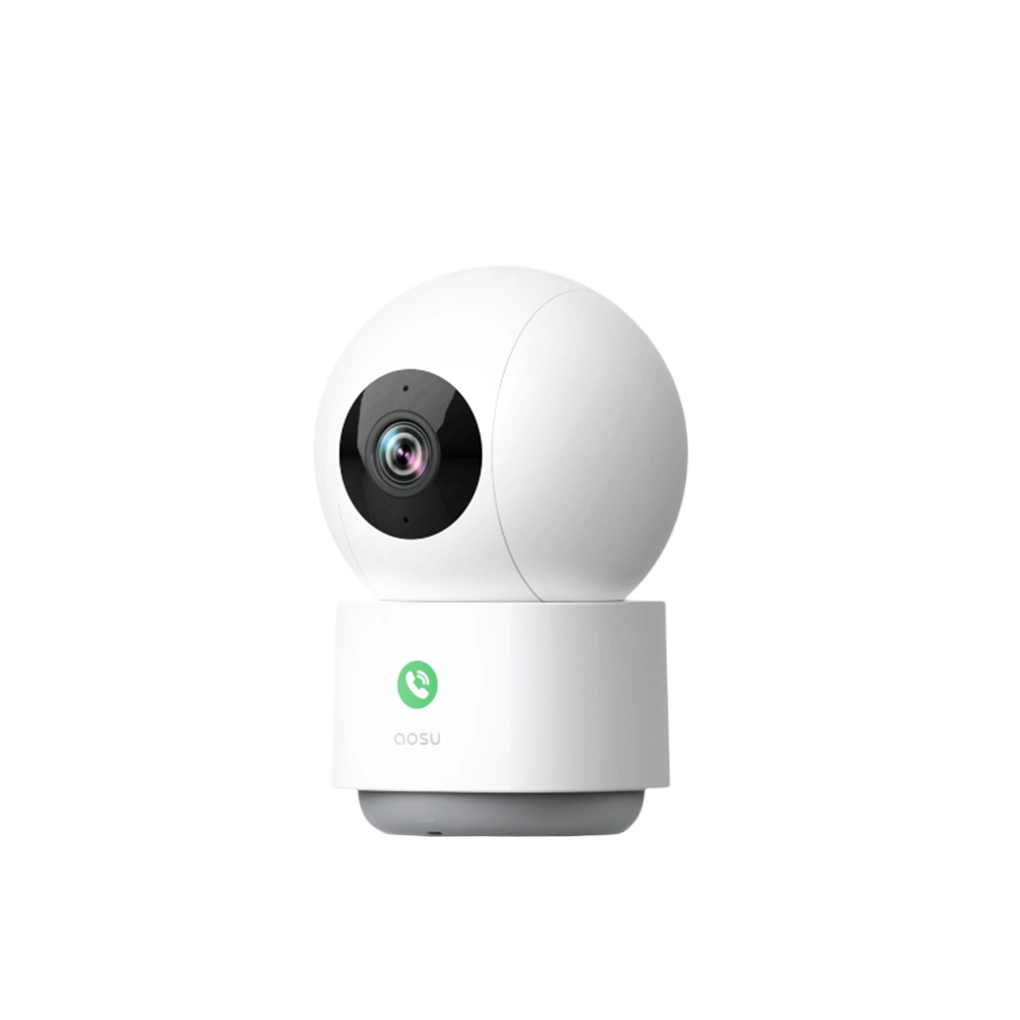
A fixed camera is enough for one doorway or pet area. Pan and tilt can be useful when the camera changes jobs, as long as the resting position still favors the most important view. Privacy mode is especially useful in a shared living area because it lets the camera remain in place without staying active all the time.
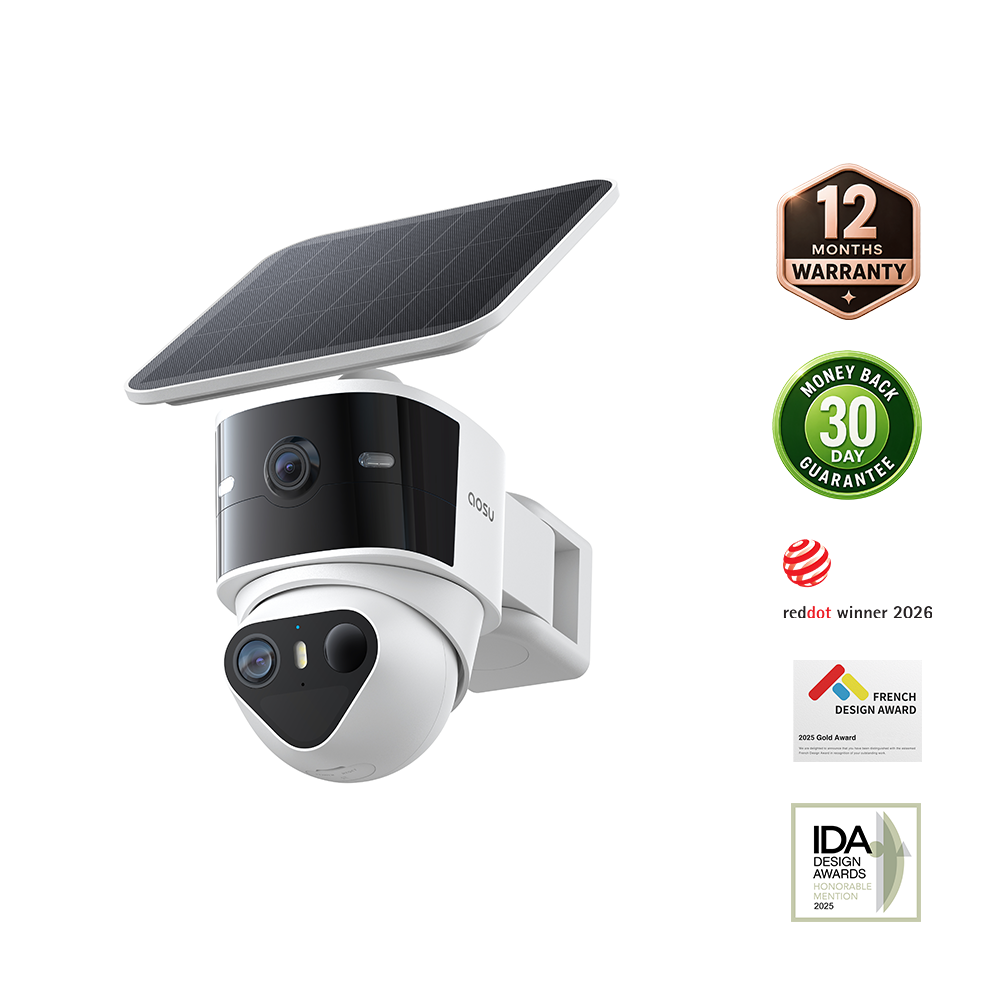
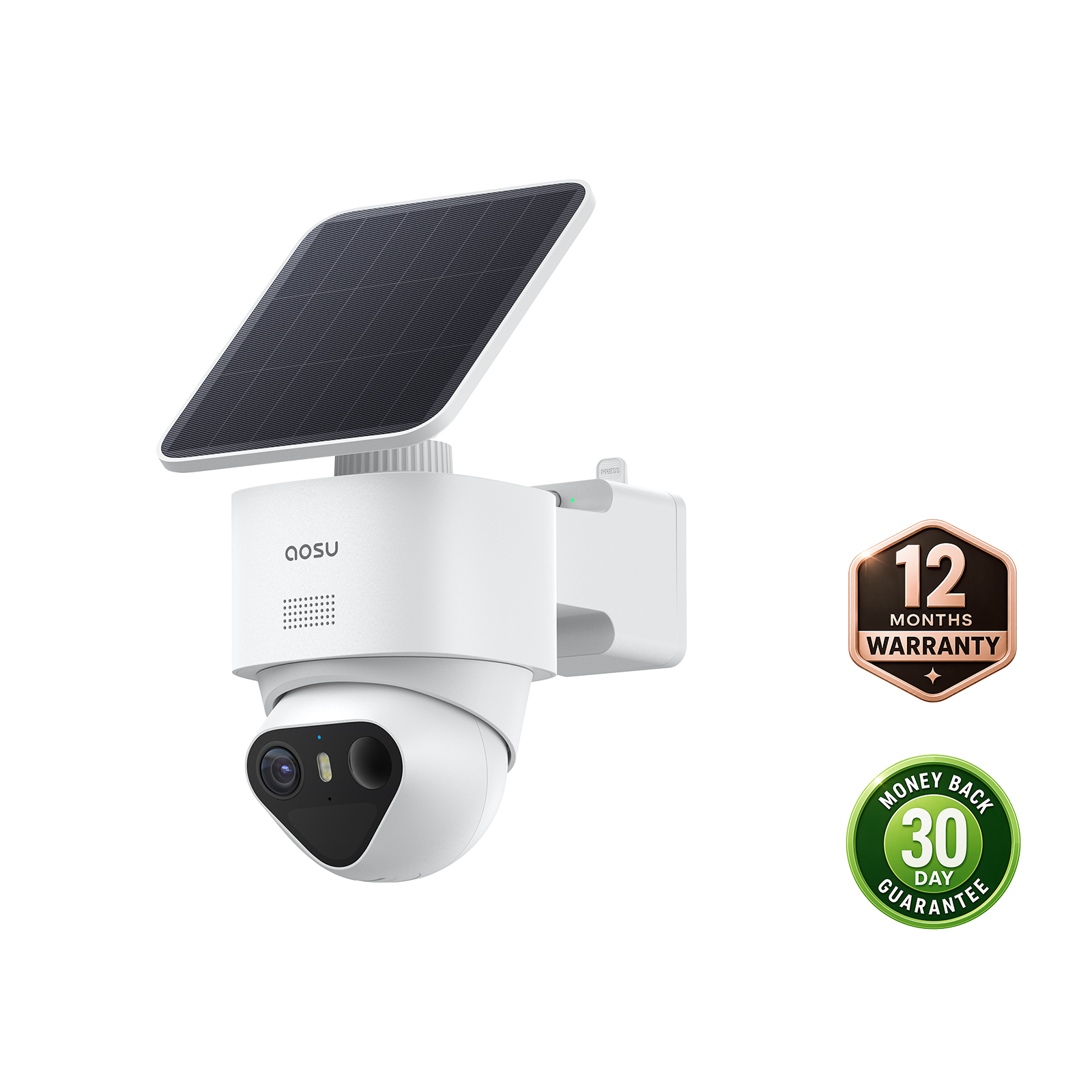
The aosu IndoorCam P1 Pro is one example with pan-and-tilt coverage, Privacy Mode, infrared night vision, motion tracking, two-way talk, and 2.4 GHz or 5 GHz Wi-Fi. These features can support several of the situations above, but the best location still depends on what you want to see and who is home.
Explore the aosu IndoorCam P1 Pro

Compare Indoor, Outdoor, and Doorbell Cameras
To Wrap Up
The best indoor security camera location is the one that fits the current situation. Use a wider view when the home is empty, a lower and more focused angle for a pet, a safe crib or play-area view for a child, and narrow agreed coverage when other adults share the home.
Treat the camera as movable when that makes sense. A few tested positions and a usable privacy mode can give one camera more value while keeping it out of the way when nobody wants it recording.
FAQs About Indoor Security Camera Placement
Where is the best place to put an indoor security camera?
Choose the location according to what you want to see. A corner facing the main entrance works well for general security, a lower view of a bed or food area works better for pets, and a secure position at least three feet from a crib is appropriate for baby monitoring.
Can I move an indoor security camera between rooms?
Yes. Many plug-in indoor cameras are easy to move if each location has stable placement, safe cable routing, power, and reliable Wi-Fi. Test and save a few useful positions so the camera can change jobs without needing a new permanent installation.
Should an indoor security camera face the front door?
Yes, if arrivals and indoor entry are the main concern. Place the camera across from the door so it captures the entrance and the first few steps inside rather than showing only the top or back of a person directly beneath it.
What should I do with an indoor camera when guests visit?
You can use privacy mode, turn the lens away, move the camera, or unplug it. Choose an option that guests can understand, then return the camera to its tested security position after the visit.