


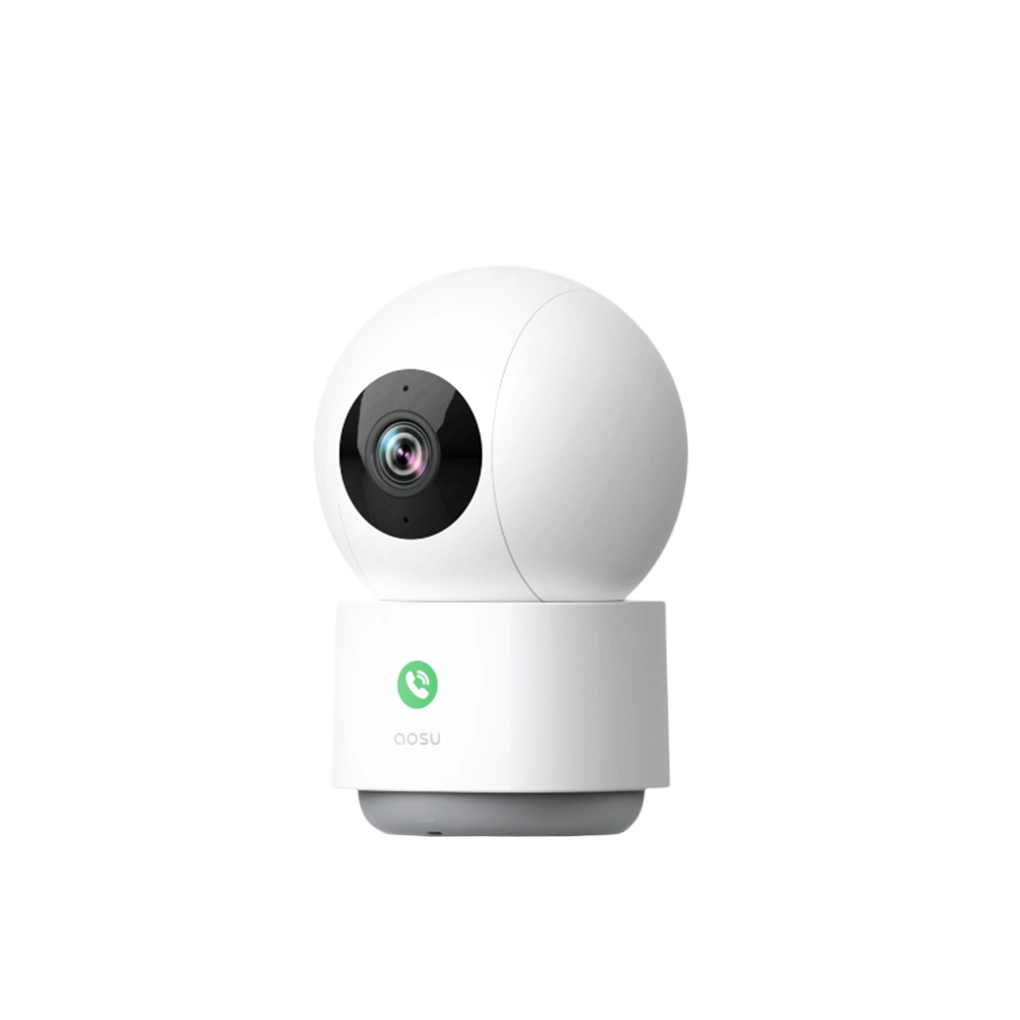




Search "is there a dash cam without wires" and you'll get a mix of answers, most of them vague. Some point to Wi-Fi dash cams, others still need power cables running across your dashboard. The truth is, truly wire-free dash cams are rare — but there are better alternatives that skip the mess and do the job just as well. Let's take a clear look at what actually works, and what doesn't.

Key Features of Wireless Dash Cams
When people search for a dash cam without wires, most are thinking about two things: less mess and more convenience. But not all "wireless" models are the same. Here's what defines a truly wireless dash cam—and what to look for if you're trying to avoid the usual cable chaos.
- Wireless data transfer through built-in Wi‑Fi or Bluetooth: A proper wireless dash cam allows footage to be accessed remotely through a mobile app. Built-in Wi‑Fi or Bluetooth enables seamless video downloads without needing to remove an SD card. This makes it faster to review incidents and easier to share clips when needed.
- Independent power through battery or capacitor systems: Instead of relying on a vehicle's power outlet, many wireless dash cams use internal batteries or supercapacitors. These units can continue recording even when the engine is off, especially in response to motion or impact. It reduces installation complexity and offers protection while the car is parked.
- Flexible, tool-free installation on most vehicle surfaces: Most models attach directly to the windshield using adhesive mounts or suction cups. Without the need for cable routing or hardwiring, setup takes only a few minutes. This also makes it easy to reposition or transfer between vehicles without permanent modification.
- Advanced features designed for long-term usability: High-end wireless dash cams often include GPS tracking, parking surveillance mode, loop recording, and even cloud backup. Some offer wide-angle lenses and night vision, ensuring reliable footage in both day and low-light conditions. These features turn a basic camera into a full vehicle monitoring system.
4 Reasons More Drivers Prefer Wireless Dash Cams
Not every driver wants to deal with complicated wiring or hours of installation time. For those looking for something cleaner and more convenient, wireless dash cams offer clear advantages. Here's what makes them a better fit for everyday use:
- No wiring, no damage to the vehicle interior: Wireless dash cams can be installed without tapping into the car's electrical system. This avoids prying open panels, threading wires under carpets, or modifying the dashboard — especially useful for leased vehicles or those with sensitive trim.
- Faster access to footage through mobile apps: Built-in Wi‑Fi or Bluetooth lets users preview, download, and manage recordings directly on a smartphone. This eliminates the need for card readers or laptops, speeding up everything from checking an alert to sharing an incident video.
- Easy to move between vehicles when needed: Since wireless dash cams don't require hardwiring, they can be removed and reinstalled within minutes. This flexibility benefits ride-share drivers, families with multiple cars, or anyone who parks in different locations and wants mobile security coverage.
- Cloud storage keeps important video clips secure: Some wireless dash cams automatically upload footage to the cloud, reducing the risk of data loss due to theft or card failure. Cloud backup also simplifies file management by removing the need to manually transfer or delete clips.
3 Best Wireless Dash Cam Brands in 2025
Not all wireless dash cams deliver on what they promise. Some still rely on power cables or offer clunky app experiences. Below are three brands that actually stand out in 2025 — trusted for their ease of use, reliable performance, and smart features.
1. Nextbase iQ
This is a premium option aimed at drivers who want advanced features and are willing to pay for them. It comes with built-in 4G connectivity, automatic incident detection, and remote live view. The companion app is smooth and responsive, and cloud uploads happen in real time. It does require some setup, but for those who want full control from their phone, it's one of the most complete options on the market.
2. Garmin Dash Cam Live
Known for making GPS devices, Garmin brings the same reliability to its wireless dash cams. This model is compact, easy to install, and runs on a magnetic mount with quick power access. Footage uploads to the cloud with a subscription, and the mobile app lets you view clips remotely. It's especially popular among drivers who value build quality and app stability over flashy extras.
3. Vantrue Nexus 5
Vantrue offers strong performance without the steep price tag. The Nexus 5 features a sharp 4K front camera, built-in Wi‑Fi, and basic cloud support. It works well for daily drivers who want decent image quality and a straightforward setup. It doesn't include advanced tracking or alerts, but it covers the core needs of most users who just want clean, reliable recording.
Exploring Better Alternatives to Wireless Dash Cams
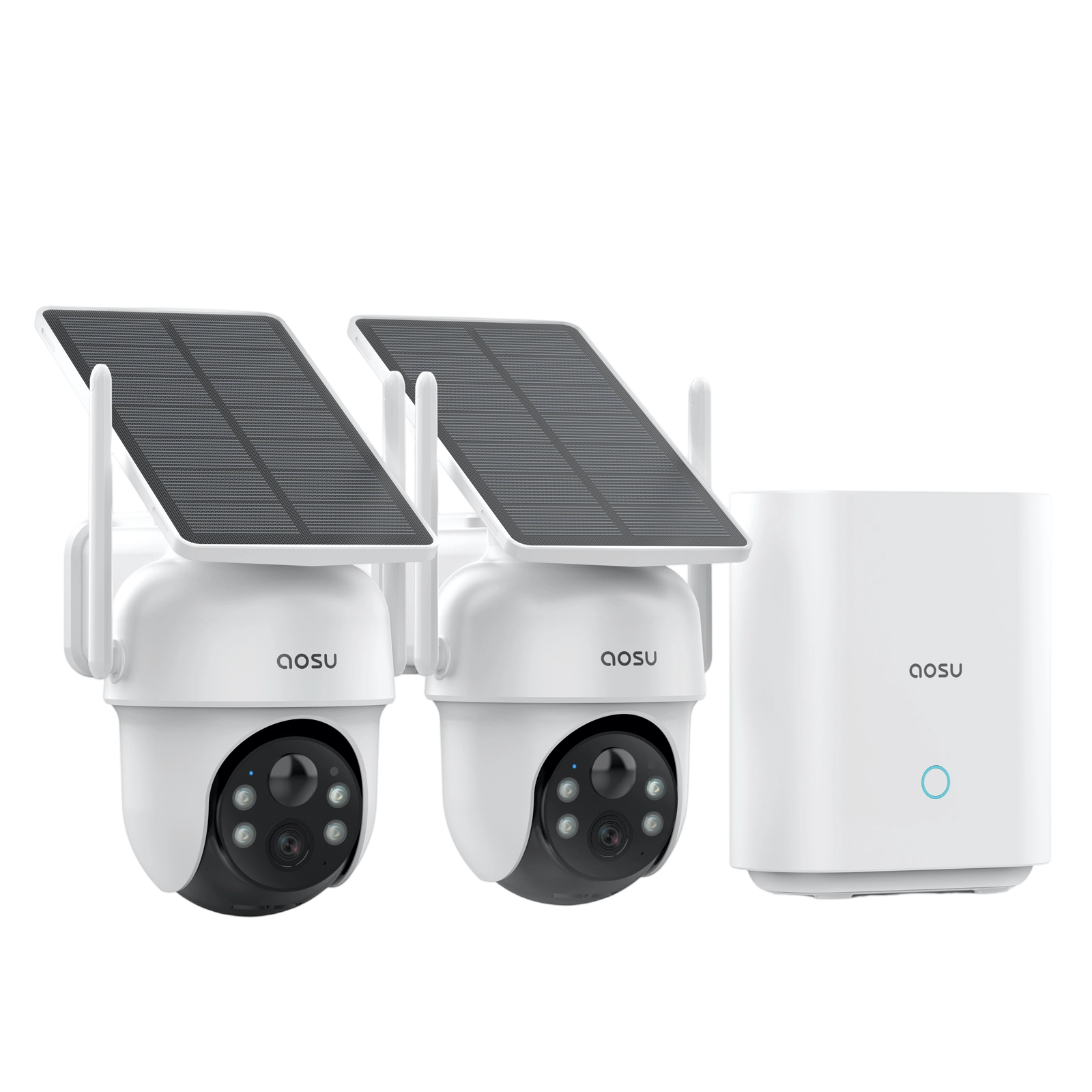
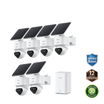
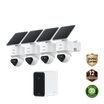
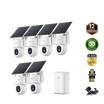
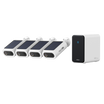
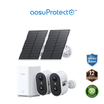
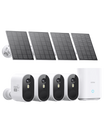
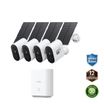
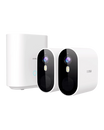
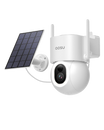
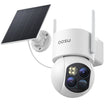
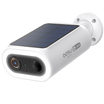
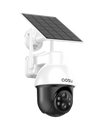
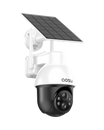
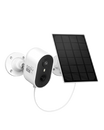
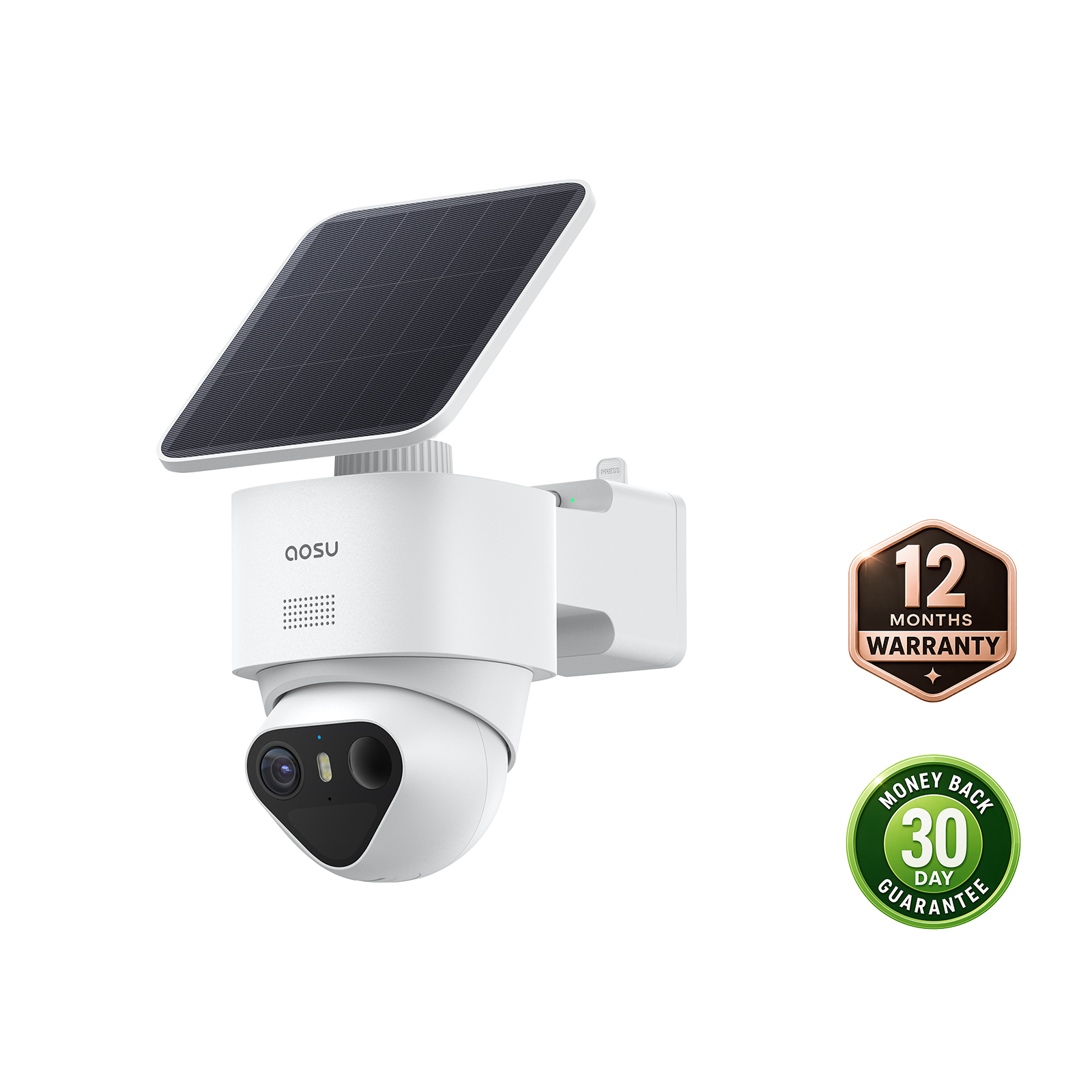
Wireless dash cams may cut down on cables, but most still rely on the vehicle for power. That means limited operation when the engine is off, and no real solution for 24/7 protection. A better option? Wire-free outdoor cameras. These systems work independently of your car's battery, run on solar power, and can be installed outside the vehicle — on a roof rack, trailer, garage wall, or even a fence. Below are two reliable wire-free solutions from aosu, designed for full coverage and zero wiring.
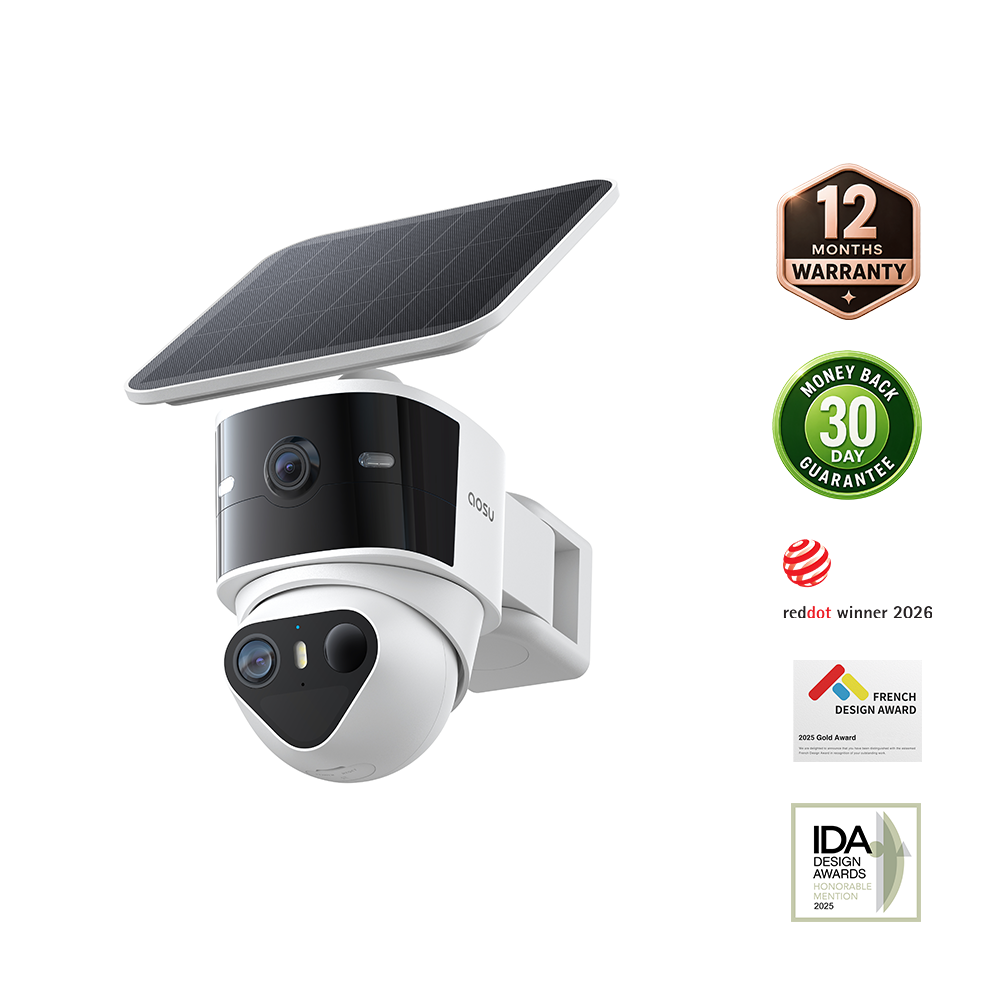
1. aosu SolarCam D1 Max
If you need long-term, outdoor-ready surveillance for your vehicle or parking spot, this is a strong choice. The D1 Max delivers sharp 4K video and captures motion with precision, even in low light. It's powered entirely by solar and internal battery, so there's no need to tap into your car's power system.

What's good:
- Records in 4K clarity with wide-angle coverage and strong night vision
- Detects motion and sends real-time alerts through the aosu app
- Built with weatherproof housing for mounting on car rooftops, garages, or outdoor walls
- Solar panel keeps it charged without maintenance or wiring hassles
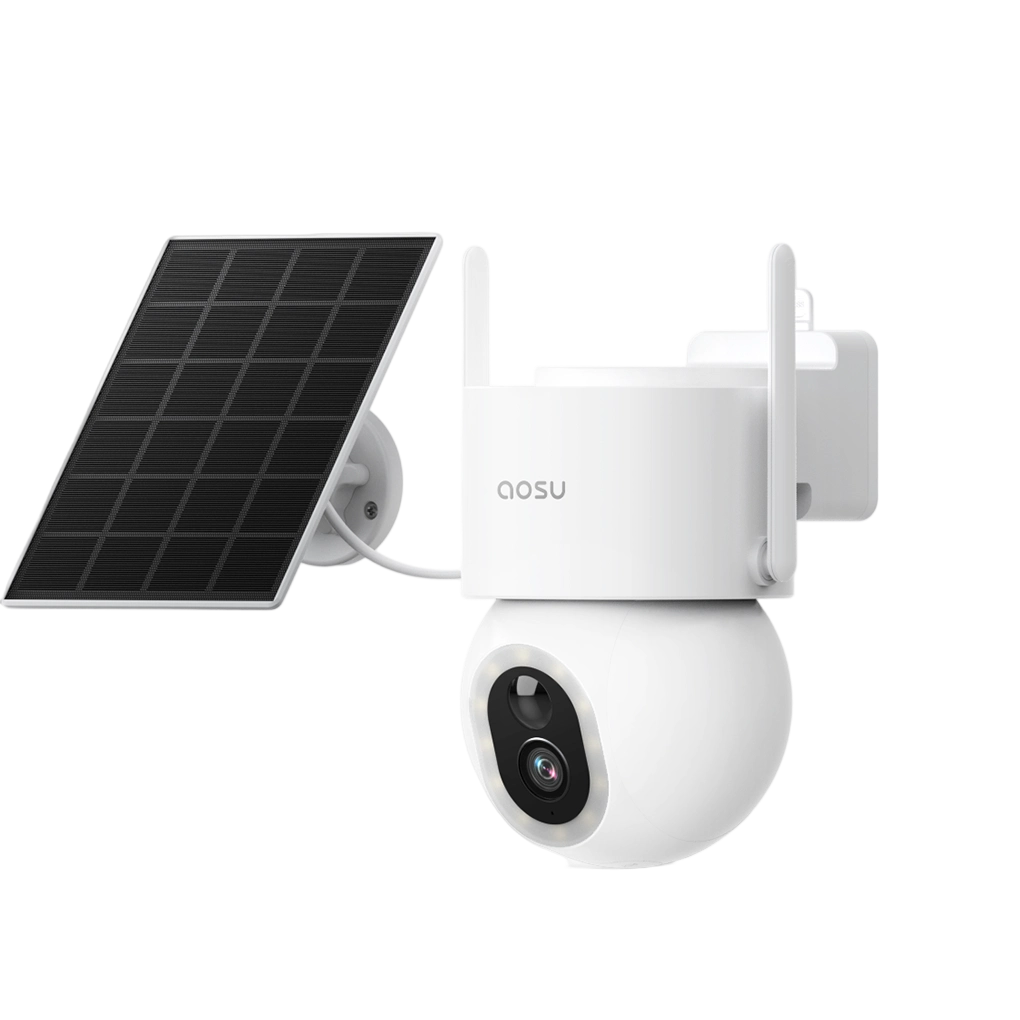
2. aosu SolarCam D1 Classic
This SolarCam D1 Classic is the more compact, budget-friendly version in the same family. It records in 1080p HD and still runs on solar power, offering solid performance for everyday parking protection or basic mobile security setups.

Highlights:
- Captures clear 1080p footage with motion-triggered recording
- Lightweight and easy to install on outdoor surfaces or near parking areas
- Solar charging plus internal battery makes it truly wire-free
- Ideal for urban car owners or temporary setups where flexibility matters

Traditional Dash Cams vs. aosu SolarCam Series
Traditional dash cams have been around for years, but they come with limitations — especially when it comes to power, wiring, and long-term flexibility. The aosu SolarCam series offers a different approach: wire-free, solar-powered cameras that cover your vehicle from the outside, even when it's off. Here's how the two options compare:
| Feature | Traditional Dash Cam | aosu SolarCam Series |
|---|---|---|
| Installation method | Requires wiring to power source or fuse box | Tool-free setup on car roof, garage, or nearby structure |
| Power source | Vehicle battery or cigarette lighter | Solar-powered with built-in rechargeable battery |
| Use while vehicle is off | Limited or unavailable | Full operation with motion detection and app alerts |
| Camera position | Inside windshield | Outside vehicle, wide-angle coverage of full surroundings |
| Portability | Installed once, rarely moved | Easy to remove, relocate, or repurpose |
| Ideal for | Daily driving, front-view recording | Long-term parking, RVs, trailers, shared or stored vehicles |
| Cloud/remote access | Available on higher-end models | Built-in app access, optional cloud storage |
| Wiring required | Yes | No |
Conclusion: Choosing a Truly Wire-Free Vehicle Camera
So, is there a dash cam without wires? Yes — but most so-called "wireless" options only remove the data cables, not the power source. That's where the difference lies. While traditional dash cams still rely on your vehicle's battery, the aosu SolarCam series offers a truly wire-free experience. With solar charging, onboard storage, and flexible outdoor placement, it works even when your car is off. Whether you're parking on the street, storing a trailer, or traveling with an RV, it's a cleaner, smarter way to keep your vehicle covered.
FAQs About Dash Cams Without Wires
Is There a Dash Cam Without Wires?
Yes. Wireless dash cams operate without traditional power cables, using batteries or internal rechargeable power. They provide a clean, clutter-free setup while offering reliable recording and smart features like motion detection and app connectivity. Brands like aosu highlight ease of use, making vehicle security simpler and more convenient for everyday drivers.
How Long Do Dash Cam Batteries Last?
Dash cam battery life varies by model and usage, typically ranging from 1 to 8 hours on a single charge. Battery-powered wireless dash cams allow recording without constant connection to your vehicle. Choosing models with long-lasting batteries or supercapacitors ensures continuous monitoring for both driving and parking situations.
Which Are the Best Dash Cams Without Wires?
The best wireless dash cams combine portability, high-definition recording, long battery life, and easy setup. Look for models with motion detection, app connectivity, and night vision for all-day protection. Trusted brands like aosu offer reliable performance, giving drivers peace of mind while keeping the dashboard neat and clutter-free.
How Do You Mount a Dash Cam Without Wires?
Mounting a wireless dash cam is simple using adhesive pads, suction cups, or magnetic mounts. Position the camera to capture the road without obstructing vision. Battery-powered or rechargeable models eliminate the need for cables, ensuring a clean setup and reliable coverage for driving and parking scenarios.
Wired vs Wireless Dash Cam: Which Is Better?
Wired dash cams offer uninterrupted power and continuous recording, while wireless dash cams provide flexible placement and easy installation. Wireless models are ideal for minimal clutter and portability, whereas wired versions excel in constant monitoring. Choose based on convenience, installation preference, and how much control you want over placement.
How Does a Dash Cam Enhance Parking Security?
Dash cams enhance parking security by recording motion or impacts when the car is unattended. Many wireless models have motion detection, app alerts, and battery-powered operation, capturing potential theft or accidents. This provides vehicle owners with evidence and peace of mind even when parked in public or unmonitored areas.
What Are the Latest Innovations in Wireless Dash Cams?
Latest wireless dash cams feature AI-powered motion detection, cloud storage, smart alerts, and ultra-HD recording. Compact designs, rechargeable batteries, and mobile connectivity allow seamless monitoring anywhere. Innovative models from brands like aosu integrate intelligent detection and remote access, combining convenience, safety, and modern technology for smarter vehicle protection.
Which Wireless Dash Cam Mounts Are Most Reliable?
The most reliable wireless dash cam mounts include adhesive pads, suction cups, and magnetic bases. Quality mounts ensure stable positioning, vibration-free recording, and easy removal when needed. Choosing durable and adjustable mounts guarantees consistent performance, keeping your dash cam secure and providing clear footage in all driving conditions.